
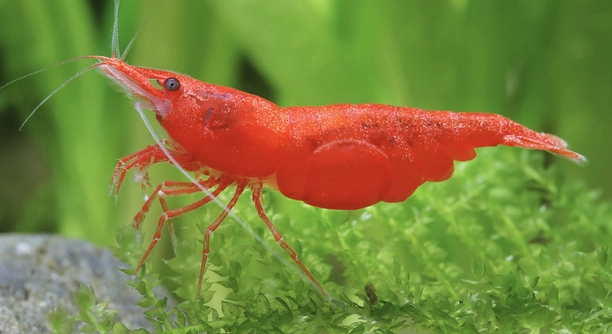
Many shrimp owners enjoy watching their colorful pets swim freely, but sometimes they notice their shrimp clustering in a single corner. This behavior can seem odd or concerning, making it important to understand the reasons behind it.
Shrimp often stay in one corner of the tank due to environmental stress, water quality issues, lack of hiding spots, or dietary concerns. Each factor can influence their comfort and activity, leading them to seek refuge in a single area for safety.
Knowing why your shrimp behave this way helps you create a healthier and more balanced tank environment for them to thrive. Small adjustments can make a big difference in their daily activity.
Water Quality Issues
Water quality plays a major role in shrimp behavior. Poor water conditions, like high ammonia or nitrite levels, low oxygen, or unbalanced pH, can make shrimp uncomfortable. They often retreat to a single corner where they feel safer or where water movement is less intense. Even slight changes in temperature can stress them, causing them to hide. Over time, water that is not properly filtered or regularly changed can accumulate waste and toxins. These toxins are harmful and reduce the shrimp’s willingness to explore. Shrimp are very sensitive to their environment, and subtle shifts in water chemistry can affect their activity. Observing which corner they favor can help pinpoint areas in the tank with poor circulation or buildup. Regular water testing and partial changes help maintain stability, ensuring shrimp remain active and spread throughout the tank. Keeping water clean improves their health and allows natural behavior patterns to emerge.
Maintaining clean, balanced water prevents shrimp from hiding and encourages them to explore the tank freely.
Proper water conditions are essential for healthy shrimp. Frequent testing of pH, ammonia, nitrite, and nitrate ensures the environment is stable. Using a gentle filter and aeration helps maintain oxygen levels and circulation, keeping water uniform across the tank. Removing uneaten food and performing partial water changes prevents waste buildup. Temperature should stay consistent, as sudden changes can stress shrimp. Even minor chemical changes from tap water can affect behavior. Shrimp are highly sensitive to pollutants, so introducing new plants or decorations should be done carefully. Using a water conditioner can neutralize harmful chemicals. Observing shrimp activity after adjustments indicates improvements. Creating hiding spaces while maintaining clean water balances safety and health. Monitoring all water parameters regularly ensures shrimp remain active, spread out, and display natural behaviors, rather than clustering in one corner. This makes the tank more visually appealing and keeps shrimp healthier over time.
Lack of Hiding Spaces
Shrimp need hiding spaces to feel secure. Without them, they may gather in one corner for safety.
Providing natural decorations like rocks, plants, and moss creates shelter and encourages movement. Shrimp explore when they feel protected.
Hiding spaces are not only for safety but also reduce stress during molting. Shrimp shed their exoskeleton to grow, which leaves them vulnerable. If there are no plants, caves, or moss, they may stick together in one area where they feel less exposed. Varied textures and vertical structures allow shrimp to choose spots for feeding or resting while still feeling protected. Dense plant clusters or small crevices offer refuge for timid shrimp, while open areas encourage exploration. Even simple items like driftwood or ceramic tubes create options for retreat. With enough hiding places, shrimp disperse naturally, move around more, and display normal feeding and social behavior. The tank becomes more dynamic, and shrimp spend less time clustered in a single corner, improving both their well-being and the visual balance of the aquarium.
Temperature Fluctuations
Shrimp are very sensitive to temperature changes. Even small shifts can make them seek a stable corner. Consistent warmth keeps them active and prevents clustering.
Temperature swings stress shrimp, slowing metabolism and making them retreat. Heaters or chillers help maintain a steady environment. Avoid placing the tank near windows or vents, as sunlight and drafts can create uneven temperatures. Sudden cold snaps or hot spots cause shrimp to hide, often in the tank’s corner with the most stable conditions. Observing where they gather can indicate temperature inconsistencies. Using a thermometer in different areas of the tank helps identify problem zones. Keeping a steady temperature encourages movement, feeding, and molting, reducing the tendency to stay isolated.
Maintaining consistent water temperature promotes health and reduces stress in shrimp. Extreme highs or lows can lead to illness or hinder growth. Gradual adjustments are important during seasonal changes. Monitoring water temperature at different tank points ensures uniformity. Using reliable equipment prevents spikes or drops that disturb shrimp behavior. Combining stable temperature with good water quality and sufficient hiding places keeps shrimp active, evenly distributed, and less prone to clumping in one corner. Temperature control is a key factor in creating a thriving tank environment.
Overcrowding
Too many shrimp in a small tank can force them into a corner. Overcrowding increases competition and stress, making them less likely to spread out.
When a tank has more shrimp than it can comfortably support, space becomes limited. This leads to fighting over food, hiding spots, and preferred areas. Crowding also reduces water circulation in certain areas, which can make some corners more appealing. Shy or smaller shrimp may feel trapped and seek refuge in a single spot to avoid stronger individuals. Overcrowding amplifies stress and can trigger molting issues or disease outbreaks. Observing shrimp distribution helps determine if the tank is too dense. Reducing numbers or increasing tank size improves comfort and encourages natural behavior.
Shrimp thrive when given enough space to move freely and establish territories. Providing adequate room allows feeding, exploration, and molting without constant stress. Plants, decorations, and open areas should be arranged to maximize usable space. If the tank is overcrowded, consider splitting populations into separate tanks or upgrading to a larger one. Less competition for food and hiding spots reduces corner clustering and promotes healthier growth. Monitoring shrimp behavior regularly helps maintain appropriate stocking levels, ensuring they remain active and evenly distributed throughout the tank. Comfortable spacing supports both their physical and behavioral health.
Poor Nutrition
Shrimp that lack proper nutrition often stay in one corner, conserving energy. Balanced food keeps them active and evenly distributed.
Uneaten or low-quality food can lead to lethargy. Shrimp need a mix of algae, vegetables, and protein to remain healthy. Feeding consistently supports movement and exploration.
Stress from Tank Mates
Aggressive or fast-moving tank mates can make shrimp hide in a corner. Peaceful cohabitants reduce fear and encourage normal activity.
Insufficient Light
Shrimp need gentle, consistent lighting. Dim or harsh lighting can cause them to stay in shadowed corners. Proper light levels support feeding, movement, and molting.
FAQ
Why do my shrimp stay in one corner all the time?
Shrimp often gather in a single corner due to stress, poor water quality, temperature fluctuations, lack of hiding spots, or insufficient food. When any of these conditions are present, shrimp seek refuge in the area that feels safest or most comfortable. Observing their behavior can help identify which factor is affecting them.
How can I tell if water quality is causing my shrimp to hide?
Test the tank for ammonia, nitrite, nitrate, and pH levels. High toxins or imbalanced pH can stress shrimp. Look for signs like lethargy, reduced feeding, or clustering in one spot. Regular water changes and proper filtration often resolve these issues.
What is the ideal temperature for shrimp to remain active?
Most freshwater shrimp thrive between 72°F and 78°F (22°C–26°C). Temperatures outside this range can slow metabolism or cause stress, prompting them to hide. Using a reliable heater and monitoring with a thermometer ensures stable conditions. Avoid placing the tank near windows or vents to prevent fluctuations.
How many hiding spots should I provide?
A variety of hiding places is important. Include plants, moss, driftwood, or small caves. Shrimp need protection while molting or avoiding stress. The more options they have, the less they will cluster in one corner. Even shy shrimp benefit from having multiple secure areas.
Can poor diet cause shrimp to stay in one area?
Yes. Shrimp need a balanced diet with algae, vegetables, and occasional protein. Poor or inconsistent feeding reduces energy levels and makes them less likely to explore the tank. Feeding regularly and offering variety encourages movement and natural behavior.
Do tank mates affect shrimp behavior?
Aggressive or fast-moving tank mates can scare shrimp, forcing them to hide. Peaceful cohabitants or shrimp-only tanks reduce stress and allow them to spread throughout the aquarium. Observe interactions carefully to ensure all shrimp feel safe.
Why do shrimp hide during molting?
Shrimp are vulnerable when shedding their exoskeleton. Without adequate hiding spots, they may cluster in a single corner for safety. Providing secure shelters ensures they can molt safely and return to normal activity without risk of injury.
How can I reduce shrimp clustering?
Maintain clean, stable water, provide hiding spots, feed a balanced diet, and monitor temperature. Reducing overcrowding and avoiding aggressive tank mates also helps. Gradually adjusting conditions while observing shrimp behavior encourages them to explore the entire tank.
Is lighting important for shrimp activity?
Yes. Gentle, consistent lighting helps shrimp feed and move naturally. Dim or overly bright light can make them stay in shaded corners. A proper light cycle simulates natural conditions and encourages regular activity.
How do I know if overcrowding is a problem?
If multiple shrimp are confined to one area and hiding frequently, the tank may be overstocked. Each shrimp needs space for feeding, movement, and molting. Reducing numbers or increasing tank size can improve comfort and reduce clustering.
Can I prevent shrimp stress entirely?
Stress cannot be eliminated completely, but it can be minimized. Maintaining stable water parameters, appropriate tank size, hiding spaces, balanced diet, and peaceful tank mates keeps shrimp active and healthy. Regular observation helps detect and address stress early.
What signs indicate shrimp are healthy and comfortable?
Active swimming, exploring, regular feeding, and consistent molting are positive signs. Even distribution across the tank shows comfort. Clear coloration and intact appendages also indicate they are thriving and stress-free.
How often should I monitor my shrimp tank?
Daily observation is ideal. Check water parameters weekly and perform partial water changes regularly. Keeping a close eye on behavior helps identify issues before they lead to clustering or health problems. Regular maintenance ensures a stable and safe environment.
Are there any quick fixes if shrimp are clustering?
Immediate steps include testing water, adjusting temperature, adding hiding spots, and feeding properly. Long-term solutions involve consistent tank care and monitoring. Quick adjustments can reduce stress, but lasting changes ensure shrimp stay active and evenly distributed.
Can shrimp recover from prolonged hiding?
Yes, with proper care. Addressing water quality, temperature, diet, hiding spaces, and tank mates gradually encourages them to become active again. Patience is key, as stressed shrimp may take days or weeks to fully adjust to improved conditions.
Do different shrimp species behave differently?
Yes. Some species are naturally more timid or prefer hiding, while others are more active. Researching specific species helps tailor tank conditions to encourage even distribution and healthy behavior. Observing species-specific habits allows better care and reduces clustering.
Can decorations influence where shrimp hide?
Absolutely. Corners with dense plants, moss, or driftwood are more appealing. Arranging decorations evenly across the tank encourages movement and exploration. Creating multiple appealing areas helps prevent shrimp from gathering in a single corner.
Is water flow a factor in shrimp behavior?
Yes. Strong currents can make shrimp seek calmer areas. Corners with less water movement often become resting spots. Using gentle filtration and adjusting flow helps shrimp move freely without stress or constant hiding.
How long should shrimp be left alone after introducing changes?
Shrimp need time to adjust. After modifying water, adding hiding spots, or changing tank mates, wait several days to observe behavior. Sudden repeated changes can increase stress, so gradual adjustments work best.
Can disease cause shrimp to stay in one corner?
Yes. Illness can reduce activity and make shrimp cluster. Look for unusual behavior, discoloration, or damaged appendages. Isolating sick shrimp and treating water or feeding appropriately helps recovery. Regular monitoring prevents disease from spreading.
Do seasonal changes affect shrimp activity?
Seasonal temperature or light changes can alter behavior. Maintaining consistent indoor conditions reduces impact. Using heaters, stable lighting, and monitoring water parameters keeps shrimp active throughout the year.
How important is tank size for shrimp comfort?
Adequate space allows feeding, hiding, and natural movement. Small tanks increase stress and clustering. Larger tanks with enough plants and decorations support healthy activity and reduce corner gathering. Proper stocking density ensures all shrimp have room to thrive.
Should I remove shrimp from aggressive tank mates immediately?
Yes. Aggressive or predatory tank mates increase stress and hiding. Moving shrimp to a safer environment or creating shrimp-only zones prevents injury and encourages normal behavior. Observation afterward ensures they regain confidence.
Can shrimp get used to human presence?
Over time, shrimp can become accustomed to gentle activity near the tank. Consistent feeding and minimal sudden disturbances reduce stress. Familiarity encourages exploration, making them less likely to hide in one corner.
Does tank cleaning disturb shrimp behavior?
Regular maintenance is necessary but can cause temporary stress. Cleaning gently, avoiding sudden water changes, and maintaining decorations in place minimizes disruption. Shrimp may retreat briefly but will return once the environment stabilizes.
How do I encourage shy shrimp to explore?
Provide secure hiding spots, balanced food, gentle lighting, and stable water conditions. Avoid overcrowding or aggressive tank mates. Gradual environmental improvements give shrimp confidence to leave corners and explore more actively.
Are there specific signs that indicate stress from overcrowding?
Frequent clustering, aggressive interactions, slow movement, and hiding during feeding indicate stress from too many shrimp. Spacing adjustments or tank expansion are necessary to reduce stress and promote natural behavior.
Can a quarantine tank help stressed shrimp?
Yes. Moving stressed or injured shrimp to a smaller, controlled tank with clean water, hiding spots, and proper feeding allows recovery. It reduces pressure from tank mates and environmental stressors, encouraging healthier activity.
How long does it take for shrimp to stop hiding once conditions improve?
Time varies by species and stress level. Some shrimp respond within days, while others may take weeks. Continuous monitoring and consistent care are key to encouraging even distribution and normal activity patterns.
Does the type of substrate affect shrimp behavior?
Yes. Fine gravel, sand, or planted substrates provide comfort and surfaces for grazing. Uneven or bare substrates may make shrimp seek corners. Providing a substrate suitable for feeding and movement encourages exploration.
Can water additives affect shrimp movement?
Some chemicals, even plant fertilizers or medications, can stress shrimp. Use shrimp-safe additives and follow instructions carefully. Sudden changes in water chemistry may cause them to hide temporarily.
Is feeding frequency important for activity?
Yes. Regular, moderate feeding keeps shrimp energized and encourages movement. Overfeeding can pollute water, while underfeeding reduces energy, causing clustering. Balanced, consistent feeding maintains healthy activity.
How can I tell if shrimp are happy in their tank?
Active swimming, even distribution, feeding, and molting indicate comfort. Healthy coloration, intact limbs, and minimal hiding suggest the tank environment is suitable and stress is low.
Can tank decorations reduce stress over time?
Yes. Properly placed plants, caves, and moss provide security. As shrimp grow accustomed to these areas, they explore more and cluster less. Well-arranged decorations improve behavior and overall tank balance.
Do shrimp ever return to corners after feeling safe?
Occasionally, shrimp may revisit preferred areas, especially if those spots feel secure or have food. This behavior is natural and does not necessarily indicate stress if they also explore freely elsewhere.
Are there long-term effects if shrimp constantly stay in one corner?
Yes. Prolonged stress can slow growth, reduce molting efficiency, weaken immune response, and increase susceptibility to disease. Ensuring proper care, space, and environment prevents negative outcomes and supports long-term health.
Does water hardness affect shrimp behavior?
Shrimp have preferred hardness levels depending on species. Hard or soft water outside their tolerance can stress them, causing hiding. Testing and adjusting water hardness helps maintain comfort and encourages active movement.
How do I balance multiple factors affecting shrimp behavior?
Start with water quality and temperature, then address hiding spots, diet, lighting, and tank mates. Observing shrimp reactions after each change ensures conditions are optimal. Gradual adjustments create a stable, comfortable environment that reduces clustering.
Can stress from previous tanks affect new shrimp?
Yes. Shrimp moved from stressful conditions may initially hide. Providing a calm, well-maintained tank with proper care helps them adapt and regain normal activity over time.
How important is observation for preventing shrimp hiding behavior?
Daily observation helps detect subtle signs of stress early. Monitoring swimming, feeding, molting, and clustering ensures quick responses to environmental or social issues, keeping shrimp healthy and active.
Are there natural ways to encourage shrimp exploration?
Adding live plants, moss, gentle water flow, varied food, and shaded areas encourages natural movement. Minimizing disturbances and providing a safe environment helps shrimp explore without fear.
How do I maintain a balance between hiding spots and open space?
Provide enough hiding areas for security while leaving open zones for movement and feeding. Even distribution of plants, caves, and substrate creates a dynamic environment that reduces corner clustering.
Can shrimp molting be affected by stress or hiding?
Yes. Stress slows molting, and lack of secure hiding spots can increase vulnerability. Proper care, stable conditions, and shelters ensure successful molts and normal growth.
Is it normal for some shrimp to prefer corners naturally?
Some individuals are naturally timid and may favor a corner even in optimal conditions. As long as they also feed, molt, and move occasionally, this behavior is normal and not a health concern.
Do seasonal maintenance routines influence shrimp behavior?
Yes. Cleaning, water changes, and decorations during seasonal maintenance can cause temporary hiding. Performing adjustments gradually and maintaining stable conditions reduces prolonged stress.
How can I prevent future clustering issues?
Maintain clean, stable water, appropriate temperature, balanced diet, sufficient hiding spots, suitable tank mates, and proper lighting. Regular observation and gradual adjustments help shrimp remain active and distributed throughout the tank.
Are there differences between juvenile and adult shrimp in hiding behavior?
Juveniles tend to hide more due to vulnerability, while adults are more confident. Providing enough shelter for all stages ensures survival and reduces clustering across age groups.
Does the time of day affect shrimp activity?
Shrimp may be more active at dawn or dusk. Lighting cycles and tank conditions influence activity patterns, so consistent light schedules encourage balanced movement throughout the day.
Can water surface agitation impact shrimp hiding?
Strong surface movement can make shrimp seek calmer areas. Gentle filtration and avoiding excessive splashing help shrimp feel secure and explore the entire tank.
How does tank shape influence hiding behavior?
Corners in rectangular tanks naturally become refuge areas. Adding decorations and plants evenly distributes activity and prevents prolonged clustering in a single spot.
Can shrimp adapt to minor environmental stress over time?
Yes. Gradual acclimation to small changes allows shrimp to remain active despite minor fluctuations. Sudden, extreme changes are more likely to trigger prolonged hiding behavior.
Is it better to have a species-specific tank or mixed species?
Species-specific tanks reduce stress and allow predictable behavior. Mixed tanks require careful selection of peaceful tank mates to prevent hiding and clustering. Proper planning ensures compatibility.
Do water parameters need adjusting for each shrimp species?
Yes. Different species have unique pH, hardness, and temperature preferences. Matching conditions to species needs prevents stress and encourages active exploration.
How does feeding method affect shrimp movement?
Scattering food encourages foraging across the tank. Placing food in a single spot can cause clustering near that corner. Balanced distribution promotes even activity and reduces stress.
Can shrimp become territorial?
Some species may defend certain areas, especially in small tanks. Providing enough space and hiding spots reduces competition and prevents excessive clustering in one corner.
Does tank noise or vibration affect shrimp?
Yes. Loud or constant vibrations from pumps, filters, or external sources can stress shrimp. Reducing disturbances helps them feel safe and encourages exploration.
Are there indicators that a tank corner is preferred?
Shrimp often gather in corners with calm water, low light, or shelter. Observing patterns helps identify areas that need adjustment to encourage movement throughout the tank.
Can plants influence shrimp comfort long-term?
Yes. Live plants offer security, grazing surfaces, and oxygenation. Well-planted tanks reduce stress and discourage clustering, allowing shrimp to explore naturally.
Is gradual environmental change better than sudden adjustments?
Always. Sudden changes can trigger stress and hiding. Gradual adjustments in water, temperature, or lighting help shrimp adapt and maintain healthy activity.
Does water clarity impact shrimp behavior?
Poor clarity from debris or algae can make shrimp hide. Clean, clear water improves visibility, reduces stress, and encourages even movement across the tank.
Can shrimp recognize safe spots over time?
Yes. They learn where water is calmer, hiding spots are secure, and food is available. Familiarity reduces stress and encourages more exploration.
How often should I rotate hiding spots or decorations?
Rotation is optional but can stimulate exploration. Avoid frequent changes to prevent stress. Occasional rearrangement keeps the environment engaging without forcing shrimp to hide excessively.
Can observing shrimp behavior prevent future health problems?
Yes. Noticing lethargy, clustering, or reduced feeding early allows intervention before serious health issues develop, maintaining active and thriving shrimp populations.
How do I balance lighting, hiding spots, and feeding?
Ensure gentle light, adequate shelter, and scattered food. The balance reduces stress, supports natural behavior, and prevents shrimp from staying in one corner too long.
Does water movement consistency matter?
Yes. Steady flow without strong currents reduces stress. Uneven water movement often causes shrimp to settle in corners with calmer conditions. Proper filtration ensures uniform water distribution.
Can temperature, lighting, and hiding spots together prevent clustering?
Combined stability in these areas minimizes stress. Proper temperature, gentle lighting, and multiple shelters allow shrimp to move freely and remain evenly distributed across the tank.
Are there species-specific tips for keeping shrimp active?
Yes. Some shrimp prefer heavily planted areas, while others enjoy open spaces. Understanding species-specific needs helps tailor the tank to encourage exploration and reduce hiding behavior.
Is frequent monitoring better than periodic checks?
Yes. Daily observation helps detect subtle stress, water issues, or behavior changes early, preventing prolonged hiding and supporting healthier, active shrimp.
Does tank age affect shrimp comfort?
Older, established tanks provide stable conditions and biofilm for grazing. New tanks may cause shrimp to hide more due to unfamiliarity or unstable water parameters.
Can feeding live food reduce hiding?
Yes. Live food stimulates natural foraging and encourages shrimp to move across the tank. It adds variety and helps maintain activity levels while reducing clustering.
How does substrate texture affect hiding preferences?
Smooth or fine substrates encourage grazing and movement. Rough or bare surfaces may push shrimp toward corners with softer or more covered areas, leading to clustering.
Do shrimp communicate stress to each other?
Indirectly. When one shrimp hides or acts stressed, others may follow, leading to group clustering in safe areas. Minimizing stressors benefits the entire population.
Is it normal for shrimp to retreat after feeding?
Yes. Some shrimp hide briefly after eating to digest safely. This behavior is temporary and differs from stress-induced clustering, which is longer-lasting and persistent.
Can seasonal changes in indoor temperature affect shrimp long-term?
Yes. Heating or cooling systems can create fluctuations that stress shrimp. Monitoring and maintaining stable indoor conditions reduces hiding behavior and supports overall health.
Do shrimp prefer certain corners naturally?
Corners with calmer water, shade, or shelter are naturally preferred. Distributing plants and decorations encourages movement while still allowing safe areas for resting.
How do I balance multiple factors affecting shrimp activity?
Focus on water quality, temperature, lighting, hiding spots, tank mates, and feeding. Observing shrimp responses to each adjustment ensures a balanced environment that reduces corner clustering.
Is patience important when adjusting tank conditions?
Yes. Shrimp adapt gradually. Sudden changes increase stress, while careful, steady improvements support natural activity, feeding, and even distribution across the tank.
How long does it take to fully resolve clustering issues?
Depending on stress levels, tank conditions, and shrimp species, resolution may take days to weeks. Consistent care, monitoring, and adjustments ensure gradual improvement and healthy, active shrimp.
Can I combine multiple solutions at once?
Yes, but introduce changes gradually. Simultaneous adjustments in water, hiding spots, and feeding can be effective if monitored carefully to prevent additional stress.
Do juvenile shrimp require different care than adults to prevent hiding?
Juveniles need more hiding spots and gentle water conditions. Adults are more resilient but still benefit from stable water, food, and shelter to encourage exploration and reduce corner clustering.
Can water additives for plants affect shrimp behavior?
Yes. Fertilizers or chemicals not shrimp-safe can cause stress. Always use shrimp-approved additives and monitor behavior after application to ensure activity and health.
Is it better to provide more hiding spots than fewer?
Yes. Multiple secure areas allow shy shrimp to feel safe while encouraging exploration elsewhere. Adequate hiding spots reduce stress and corner clustering.
Can shrimp become accustomed to minor disturbances?
Yes. Gradual exposure to mild vibrations, handling,
Shrimp are small, delicate creatures, and their behavior often reflects how comfortable they feel in their tank. When they stay in one corner, it is usually a sign that something in their environment is not ideal. It may be related to water quality, temperature, lighting, or even the presence of other tank mates. Observing their patterns can tell a lot about what they need. Shrimp are highly sensitive to subtle changes, so even small adjustments can make a noticeable difference. Paying attention to their behavior over time helps identify trends that point to issues in their tank. Simple actions like testing water regularly, adjusting temperature, and adding hiding spaces can reduce stress and encourage them to spread out and explore.
Providing the right environment is essential for shrimp health and activity. Adequate hiding spots are crucial, as shrimp need places to feel safe, especially during molting. Plants, moss, driftwood, and small caves give them shelter and reduce stress, which in turn encourages movement. Balanced feeding also plays a key role. Shrimp require a mix of algae, vegetables, and occasional protein to maintain energy and vitality. Poor nutrition can make them lethargic and more likely to stay in one area. Overcrowding or aggressive tank mates can also lead to clustering, as shrimp seek refuge from competition or threats. Ensuring enough space and peaceful companions promotes natural behavior. Together, these factors create a tank environment where shrimp feel secure, comfortable, and active.
Consistency and patience are important when caring for shrimp. Sudden changes in water chemistry, lighting, or temperature can cause stress and make shrimp hide, while gradual adjustments allow them to adapt safely. Monitoring behavior daily helps spot problems early, whether related to water quality, food, or social interactions. Each shrimp may respond differently to environmental changes, so observing individual patterns is helpful. Maintaining a stable tank with proper conditions not only encourages activity but also supports their overall health, growth, and longevity. By creating a comfortable and balanced environment, shrimp will naturally move around more, feed regularly, and display normal behavior, leaving the tank looking lively and well-balanced. Small, consistent efforts in care can prevent long-term stress and clustering, resulting in a healthier, more active shrimp population.

Hello,
If you enjoy the content that we create, please consider saying a "Thank You!" by leaving a tip.
Every little bit helps us continue crafting quality advice that supports the health, happiness, and well-being of pets around the world, for pets of all shapes, sizes, and species.
We really appreciate the kindness and support that you show us!