
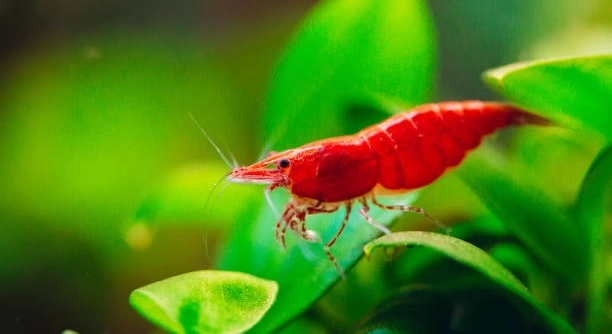
Have you ever noticed your cherry shrimp swimming together and wondered how they manage to coexist in such close quarters? These tiny creatures live in groups, moving gracefully through their aquatic environment without much fuss. Their interactions seem calm and steady, making it easy to enjoy watching them.
Cherry shrimp do not experience social fatigue in the way humans do. They are naturally solitary in behavior yet tolerant of companions, allowing multiple shrimp to share the same space without signs of stress or conflict under proper conditions.
Watching them interact can be surprisingly engaging, revealing subtle behaviors and patterns that are easy to miss at first glance. Their small, delicate world holds more complexity than it initially appears.
How Cherry Shrimp Interact
Cherry shrimp are fascinating to observe, especially in groups. They spend most of their time grazing on algae, tiny plants, and leftover food, moving carefully along surfaces. Each shrimp seems aware of the others, adjusting its path slightly to avoid collisions. When multiple shrimp are in the same area, their movements can appear synchronized, though there is no actual coordination. Females tend to be larger and more dominant in subtle ways, while males move more actively searching for food and potential mates. Despite living closely together, they rarely show aggression unless space becomes too limited or conditions are poor. Providing plants, hiding spots, and enough surface area helps keep stress low. Their behavior is gentle and predictable, which is why keeping them in a community tank is often enjoyable. Watching how they interact over days reveals small patterns in grazing and resting habits that make observing them calming and surprisingly satisfying.
Their peaceful coexistence makes them easy to maintain in small tanks, provided conditions are stable.
They also exhibit interesting social cues. Antennae are constantly moving, touching objects and each other, which helps them sense the environment. Shrimp may gather in certain areas temporarily when food is plentiful, then spread out again, showing flexible but non-confrontational behavior. Keeping water clean and maintaining proper temperature ensures these patterns continue without stress, making the tank a stable habitat.
Signs of Stress Among Cherry Shrimp
Stress in cherry shrimp is often subtle but noticeable to careful observers. Changes in color, hiding behavior, or sluggish movement can indicate that something is off.
Poor water quality, overcrowding, or lack of hiding places can lead to stress. Shrimp that feel threatened may retreat to plants or decorations and stop grazing openly. Some may molt less frequently, and sudden changes in activity are common warning signs. Monitoring their tank daily helps detect early problems before they escalate. Adjusting conditions gradually, adding more shelter, or reducing population density often restores normal behavior. Stress can also result from incompatible tank mates; avoiding aggressive fish or larger species ensures shrimp remain calm. Observing their eating habits and movement patterns provides insight into overall health, and keeping consistent lighting, temperature, and feeding routines further supports well-being. In a well-maintained environment, cherry shrimp usually return to their natural, gentle activity quickly, resuming grazing and interacting without tension. Over time, these adjustments create a stable, comfortable habitat where shrimp thrive without conflict.
Tank Setup and Space
Providing enough space is crucial for cherry shrimp. Overcrowding can lead to stress and competition, while a well-planned tank allows them to move freely and interact naturally without tension. Plants and hiding spots are essential for comfort and security.
A tank with sufficient space lets shrimp explore and graze comfortably. Dense planting offers cover, reducing stress and encouraging natural behavior. Open areas allow movement and social interaction without forcing them into constant contact. Decorations like driftwood or rocks add texture and surfaces for algae growth, giving shrimp more foraging opportunities. Proper water filtration and gentle flow maintain cleanliness without disturbing their environment. Monitoring population size ensures the tank does not become too crowded, which can otherwise lead to stress-related behaviors. A balanced tank setup promotes both physical health and a calm, stable environment.
Shrimp also respond well to varied surfaces and plants. Smooth gravel, moss, and fine-leaved plants provide grazing and hiding opportunities. The combination of space, plants, and decorations directly affects behavior, reducing stress and promoting natural social patterns. Careful arrangement encourages exploration while preventing territorial disputes.
Feeding Habits and Behavior
Cherry shrimp feed continuously throughout the day, picking at algae, biofilm, and leftover food. Small, frequent meals keep them active and healthy, supporting growth and molting.
Providing a varied diet encourages natural foraging behavior. Shrimp graze on biofilm, algae, and tiny food particles, moving methodically across surfaces. Leafy vegetables like spinach or zucchini can be added occasionally for extra nutrition. Overfeeding should be avoided, as uneaten food can degrade water quality and cause stress. Observing how shrimp gather around feeding areas shows their social tolerance and adaptability, with multiple shrimp sharing the same spot without aggression. Rotating foods and adding small treats supports healthy coloration and vitality while maintaining a calm and balanced tank environment.
Behavior during feeding also reflects overall health and comfort. Shrimp that feed openly and explore widely are typically unstressed, while those hiding or avoiding food may indicate issues. Watching their reactions to feeding times provides insight into social dynamics, activity levels, and environmental suitability. Maintaining proper water parameters alongside feeding routines ensures they remain active and engaged. Over time, consistent feeding practices promote a stable, healthy, and visually appealing shrimp population, reinforcing natural behavior patterns.
Molting and Growth
Molting is a natural process for cherry shrimp. It allows them to grow, replace damaged exoskeletons, and maintain overall health. Proper nutrition and water conditions support regular molting cycles.
During molting, shrimp may hide more than usual. They are vulnerable without their exoskeleton, so plants and decorations offer necessary cover. Observing molting frequency helps track health and growth patterns, ensuring shrimp remain comfortable in their environment.
Social Hierarchy
Cherry shrimp have subtle social structures. Larger females often dominate feeding areas, while smaller males navigate around them carefully.
Shrimp rarely fight but show gentle dominance through positioning and movement. This hierarchy is not aggressive but helps maintain order, reducing stress and allowing all shrimp to access food and resources.
Water Quality
Maintaining clean, stable water is essential for shrimp survival. Sudden changes in temperature or chemical levels can stress or harm them.
Breeding Behavior
Females carry eggs under their abdomens, which hatch after a few weeks. Males actively seek receptive females, showing increased movement during mating periods.
FAQ
Do cherry shrimp need companions?
Cherry shrimp are naturally social, so keeping multiple shrimp together is beneficial. They do not require constant interaction, but having others around encourages normal grazing and movement patterns. A small group can make the tank feel lively and provides a sense of stability in their environment.
Can cherry shrimp get stressed by each other?
Stress between shrimp is rare when tank conditions are proper. Overcrowding or limited hiding spots can cause tension, but under normal circumstances, they tolerate each other well. Observing sudden changes in color, activity, or feeding habits can help identify early signs of stress.
How many cherry shrimp should be in a tank?
A general guideline is one shrimp per gallon for smaller tanks. Larger tanks can support more, but careful monitoring is important. Adequate space, hiding areas, and consistent water quality help prevent competition and maintain calm behavior among the shrimp.
Do cherry shrimp fight over food?
Cherry shrimp usually share food without aggression. Larger females may edge into feeding areas first, but males and smaller shrimp adjust their position. Providing multiple feeding spots ensures all shrimp can access food without conflict.
How often should cherry shrimp be fed?
Small, frequent feedings are ideal. They constantly graze on algae and biofilm, so supplementing with tiny amounts of shrimp pellets or vegetables keeps them healthy. Overfeeding should be avoided to prevent water quality issues and stress.
Do cherry shrimp recognize each other?
While shrimp do not form bonds like mammals, they sense others through chemical and tactile signals. Their movement and antennae contact allow them to navigate around companions, maintain social spacing, and coexist peacefully in shared spaces.
What happens if a cherry shrimp molts in view of others?
Molting shrimp are vulnerable without their exoskeleton. Others generally ignore them, but providing hiding places ensures safety. Shrimp instinctively seek cover during this time, and adequate shelter reduces stress and supports healthy molting cycles.
Can cherry shrimp live with other species?
Yes, but tank mates should be non-aggressive and small. Large or predatory fish can harm shrimp. Peaceful snails, small fish, or other harmless invertebrates are compatible, as long as the tank offers space and hiding areas to reduce potential stress.
Do cherry shrimp get bored?
Shrimp do not experience boredom like humans. They respond to environmental stimuli, grazing and exploring constantly. A well-planted tank with varied surfaces keeps them active and encourages natural behavior, which is enough to maintain their mental and physical well-being.
How long do cherry shrimp live?
Cherry shrimp typically live one to two years, depending on water quality, diet, and overall tank conditions. Maintaining clean water, proper feeding, and stable temperature contributes to their longevity and healthy development.
Can cherry shrimp overcrowding affect reproduction?
Overcrowding can increase stress and reduce breeding success. Females may carry fewer eggs, and juveniles may struggle to find space. Adequate tank size and careful population management encourage successful reproduction and healthier offspring.
Do cherry shrimp communicate?
Shrimp communicate mainly through movement and antennae contact. These subtle signals help them avoid collisions, sense food sources, and maintain a calm social environment without direct confrontation. Observing these cues can provide insight into their behavior and comfort levels.
Are cherry shrimp territorial?
They are not truly territorial. Subtle dominance exists, mostly during feeding or in crowded areas, but they do not fight for space aggressively. Providing plenty of hiding spots and open areas ensures all shrimp coexist without conflict.
How do I know if my shrimp are happy?
Active grazing, regular molting, clear coloration, and normal movement indicate healthy, unstressed shrimp. They explore surfaces, interact subtly with each other, and respond to feeding without hiding excessively, showing they are comfortable in their environment.
Can water changes disturb shrimp interactions?
Sudden water changes or temperature swings can stress shrimp temporarily. Gradual, small water changes maintain stability and reduce disruption in social behavior. Observing shrimp before and after changes helps ensure they return to normal activity quickly.
Do cherry shrimp sleep?
Shrimp have periods of reduced activity but do not sleep like mammals. They may rest in plants or near the substrate, remaining alert to surroundings. These rest periods are important for energy conservation and healthy molting cycles.
Is it normal for shrimp to hide a lot?
Hiding is natural during molting, stress, or in a new environment. Consistent hiding outside these situations may indicate water quality issues or overcrowding. Observing patterns helps identify if changes in behavior require adjustments.
Do shrimp remember previous encounters with tank mates?
Shrimp do not form memories in the human sense. Their responses rely on instinct and chemical cues, allowing them to navigate social spaces effectively. They maintain spacing and grazing patterns without holding grudges or attachments.
Can cherry shrimp live alone?
A single shrimp can survive but may be less active and exhibit reduced natural behaviors. Small groups provide stimulation and encourage grazing, leading to healthier, more dynamic behavior in a tank setting.
Do shrimp need hiding places even if they are calm?
Yes, hiding spots are essential for security during molting and to reduce stress. Even calm shrimp benefit from plants, rocks, and decorations that provide cover, creating a stable and comfortable environment for all individuals.
Cherry shrimp are small, delicate creatures that bring quiet life to a tank. Observing them can be calming because their behavior is gentle and steady. They move carefully, grazing on algae, biofilm, and leftover food, often interacting with one another in subtle ways. Even though they live closely together, they rarely show aggression when the tank is properly set up. Each shrimp seems to know its own space, adjusting slightly to avoid collisions and giving each other room to explore. Providing enough space, clean water, and hiding spots is key to maintaining a healthy environment. Dense plants, smooth gravel, and decorations like driftwood or rocks give them places to graze and hide, which reduces stress and promotes natural behaviors. By paying attention to these simple details, a shrimp tank can become a stable and lively habitat where shrimp can thrive. Watching them over time shows small patterns in grazing, movement, and molting, which makes caring for them both satisfying and rewarding.
Shrimp behavior is largely shaped by the conditions of their environment. When the water quality is consistent, and food is provided in small, frequent amounts, they remain active and healthy. Overfeeding or overcrowding can lead to stress, but under normal circumstances, they coexist calmly. Females are often larger and dominate feeding areas subtly, while males move more actively around the tank. Their social hierarchy is gentle and non-aggressive, mainly helping to maintain order so all shrimp can access food and resources. Molting is another natural behavior, and during this time, shrimp are more vulnerable. Hiding spots and plants allow them to molt safely without interference from other shrimp. Observing molting patterns and feeding habits provides insight into their health and comfort, and consistent care helps maintain their well-being. When shrimp are unstressed, they display vibrant colors, active grazing, and smooth movement, reflecting a well-balanced and comfortable environment.
Even though cherry shrimp are simple creatures, their needs are specific and worth attention. They thrive in tanks with stable water, adequate space, and a variety of surfaces to explore. Social interaction is part of their natural behavior, but they do not experience fatigue or boredom like larger animals. Stress is usually caused by poor water conditions, overcrowding, or lack of hiding spaces, and it can be mitigated by careful monitoring and adjustments. Feeding small amounts regularly, keeping the tank clean, and providing consistent environmental conditions encourages healthy activity and breeding. Observing shrimp closely can be surprisingly informative, showing how subtle changes in the tank can affect behavior and overall health. By focusing on these aspects, shrimp owners can maintain a calm, healthy, and visually engaging tank. Cherry shrimp may be small, but their behavior and interactions demonstrate the complexity and balance of life in a properly maintained aquatic environment, making them both interesting and enjoyable to care for.

Hello,
If you enjoy the content that we create, please consider saying a "Thank You!" by leaving a tip.
Every little bit helps us continue crafting quality advice that supports the health, happiness, and well-being of pets around the world, for pets of all shapes, sizes, and species.
We really appreciate the kindness and support that you show us!