
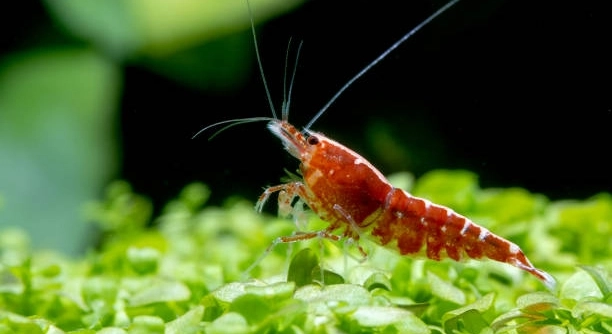
Are your cherry shrimp showing more activity than usual in certain areas of your tank? Many shrimp owners notice small changes in behavior when water conditions shift. These tiny creatures respond subtly to their environment and surroundings.
Cherry shrimp are indeed attracted to moving water. Flowing currents enhance oxygenation and distribute food particles more evenly, which naturally draws the shrimp toward these areas. This behavior supports their feeding efficiency and overall health within the aquarium.
Observing how your shrimp react to water movement can improve tank setup and create a more comfortable habitat for them.
How Water Flow Affects Cherry Shrimp Behavior
Cherry shrimp are small but very responsive to their environment, and water movement plays a key role in their daily activity. In a tank with gentle currents, shrimp tend to explore more areas, searching for food particles carried by the flow. They are naturally drawn to areas with higher oxygen levels, which are often found near filters or water inlets. When water movement is uneven, some parts of the tank can become stagnant, causing shrimp to congregate in more oxygenated spots. This behavior is not only about feeding but also about comfort. Constant flow helps prevent waste buildup and supports overall tank cleanliness. Observing your shrimp in different water conditions allows you to understand their preferences better and adjust the setup accordingly. Even minor changes in current speed can shift where shrimp spend most of their time. Proper water flow encourages natural behavior and contributes to healthier, more active shrimp.
Strong currents may intimidate shrimp, causing them to hide more often and reduce movement within the tank.
Maintaining a moderate water flow is essential for creating a stable habitat. Placement of filters and pumps should ensure gentle circulation throughout the tank. Overly strong currents can stress shrimp, while too little flow may reduce oxygen levels and encourage algae growth. Observing how your shrimp respond to changes can guide adjustments. Factors such as tank size, number of shrimp, and presence of plants influence ideal water movement. Even small tanks benefit from strategically placed flow sources to prevent dead spots. Balancing the current allows shrimp to feed efficiently without expending excessive energy. Ensuring consistent water quality alongside appropriate flow helps reduce disease risk and promotes breeding. Ultimately, paying attention to flow patterns improves shrimp activity and overall tank health, making it easier to manage and enjoy your aquatic environment.
Signs Your Shrimp Prefer Moving Water
Shrimp frequently gather near filter outlets or bubbler areas. Their constant movement around these zones indicates a preference for flowing water.
Shrimp clustering in high-flow areas is a clear indicator of attraction to water movement. They often feed more actively in these regions because small particles are continuously carried by currents. Stress can be minimized by ensuring there are quieter areas for resting. Observing their positioning and movement patterns provides insight into water flow effectiveness and tank setup. Adjusting equipment to balance circulation can improve shrimp well-being.
Consistent observation of shrimp behavior is the most effective way to evaluate their comfort in a tank. Noticing where they spend most of their time reveals their preferred conditions and highlights areas that may require adjustment. Flow patterns influence feeding efficiency, oxygen availability, and stress levels. By strategically placing plants and decorations, you can create zones with varying flow, allowing shrimp to choose between active and calm areas. Equipment like sponge filters, air stones, and powerheads can be fine-tuned to simulate natural conditions. Ensuring proper water flow encourages normal behavior, improves growth, and reduces the likelihood of disease. Paying attention to these subtle cues allows you to maintain a balanced, healthy aquarium tailored to your shrimp’s needs.
Adjusting Flow in a Shrimp Tank
Too strong a current can overwhelm cherry shrimp, making them hide more often and reducing overall activity. Proper adjustment ensures shrimp can move freely without stress.
Adjusting water flow involves more than just turning the filter up or down. It requires observing shrimp behavior and tank layout. Placing decorations, plants, and rocks strategically can redirect currents to areas where shrimp feel comfortable. Sponge filters or diffusers can soften strong flows, creating gentle circulation throughout the tank. Too much flow near feeding spots may cause food to drift away, making it harder for shrimp to eat efficiently. Small tweaks can significantly improve shrimp movement and overall well-being, allowing them to explore without feeling threatened.
Monitoring shrimp reaction over several days is important when making flow adjustments. They may initially avoid certain areas, but gradual changes allow them to adapt naturally. Fine-tuning ensures a balanced environment with zones of higher and lower currents. This method reduces stress, promotes feeding, and enhances overall health. Observing their behavior closely allows you to maintain a stable habitat while meeting their natural preferences.
Tools and Equipment for Managing Water Flow
Air stones, sponge filters, and adjustable pumps help control water flow effectively. Placement can create gentle or stronger currents depending on tank needs.
Selecting the right equipment allows precise control over water movement. Sponge filters provide aeration and soft currents, which are ideal for shrimp. Adjustable pumps let you fine-tune flow strength without disturbing tank structure. Air stones create small bubbles that generate gentle movement, improving oxygenation and circulation. Combining these tools ensures water moves evenly throughout the tank while maintaining calm zones. This setup benefits shrimp by reducing stress, supporting feeding, and preventing stagnant areas. Proper placement avoids dead spots, ensuring all shrimp have access to oxygen-rich water and distributed food.
Careful setup of flow-controlling equipment is essential for creating a healthy tank. Consider tank size, shrimp population, and plant density when deciding on pumps, filters, or air stones. Placement affects current patterns, influencing where shrimp feed, hide, and rest. Adjusting flow gradually allows shrimp to adapt comfortably. Using multiple tools together can balance strong and gentle currents, replicating natural environments more closely. Monitoring water parameters alongside flow ensures oxygen levels remain consistent. A well-planned flow system promotes activity, reduces stress, and supports breeding, ultimately creating a thriving habitat tailored to cherry shrimp needs.
Identifying Ideal Current Areas
Shrimp often gather near gentle flows created by filters or bubbler zones. These spots provide both food and oxygen efficiently.
Areas with moderate current allow shrimp to feed without stress. They can explore freely while still having calmer zones nearby for resting. Observing these preferences helps optimize tank layout.
Common Flow Mistakes
Placing pumps or filters too close to each other can create uneven currents. Stagnant areas may form, leading shrimp to avoid certain zones. Proper spacing and careful adjustment are necessary to maintain balanced flow.
Monitoring Shrimp Behavior
Watching shrimp reactions to changes in water movement shows their comfort level. Active shrimp in moderate currents indicate healthy and stress-free conditions.
Balancing Flow with Tank Decor
Plants and rocks can soften strong currents while creating sheltered areas. Proper decoration placement enhances natural flow patterns for shrimp.
Do cherry shrimp need moving water to survive?
Cherry shrimp do not require strong currents to survive, but gentle water movement benefits their health. Flow increases oxygen levels, disperses food, and prevents stagnant areas where waste can build up. While they can live in still water, shrimp are generally more active and feed more efficiently when slight currents are present. Even minimal movement around filter outlets or air stones is sufficient to support normal behavior and growth.
How much water flow is too much for cherry shrimp?
Excessive water flow can stress shrimp, causing them to hide frequently and avoid feeding. Strong currents may push them against tank surfaces or decorations, making movement difficult. Observing their behavior helps determine if flow is appropriate. Shrimp should be able to move comfortably and access food without struggling. Adjusting pumps or redirecting current with plants and rocks ensures gentle, consistent circulation. Proper flow encourages activity, feeding, and overall well-being while minimizing stress.
Can cherry shrimp thrive in tanks without a filter?
Yes, cherry shrimp can survive without a filter, but maintaining water quality becomes more challenging. Filters create circulation, remove debris, and improve oxygenation. In unfiltered tanks, regular water changes and careful monitoring of ammonia, nitrite, and nitrate levels are essential. Small tanks without filtration require more frequent maintenance to prevent harmful conditions. Introducing plants helps absorb excess nutrients and maintain balance. While filters are not mandatory, they simplify care and create a more stable, comfortable environment for shrimp.
Why do cherry shrimp gather near air stones or filter outlets?
Shrimp are naturally attracted to areas with gentle flow because these zones provide higher oxygen concentrations and better access to floating food particles. Moving water also carries microscopic detritus that shrimp can graze on, supporting feeding efficiency. Clustering near outlets or air stones is normal behavior and indicates shrimp are responding to environmental cues. Providing multiple gentle flow areas allows shrimp to explore while still having calm spots for rest and shelter.
Do baby cherry shrimp react differently to moving water than adults?
Juvenile shrimp are more sensitive to strong currents because of their smaller size and weaker swimming ability. They tend to stay in sheltered areas or near gentle flows. Adults are stronger swimmers and can handle moderate currents better, but they still prefer calm zones for resting. Creating a tank with varied flow areas accommodates all life stages, ensuring young shrimp grow safely and adults remain active. Observing their behavior helps fine-tune equipment placement and flow strength.
Can water flow affect cherry shrimp breeding?
Yes, water flow can influence breeding success. Gentle currents improve oxygenation and distribute food evenly, supporting healthy growth and reproductive activity. Excessive flow, however, can stress shrimp and reduce mating or egg-laying behavior. Providing areas with moderate current alongside sheltered zones creates optimal conditions for breeding. Observing shrimp during feeding and molting ensures currents are supportive rather than disruptive, allowing healthy reproduction and juvenile development.
How do decorations and plants impact water flow for shrimp?
Plants and rocks can redirect or soften strong currents, creating a balanced environment. Dense vegetation near filter outlets slows water movement, giving shrimp calm areas to rest while still maintaining circulation. Decorations also provide hiding spots, preventing stress from constant exposure to moving water. Strategic placement ensures shrimp can feed, explore, and stay safe while benefiting from oxygen-rich currents. Adjusting decor over time allows fine-tuning of flow patterns to match shrimp preferences.
Is it necessary to measure flow rate in a shrimp tank?
Measuring flow rate is not strictly required but can help maintain consistent conditions. Knowing how much water moves per hour ensures currents are neither too strong nor too weak. It allows precise adjustments when adding pumps, air stones, or filters. Regular observation of shrimp behavior combined with flow monitoring ensures a stable, comfortable environment that promotes feeding, activity, and overall health.
Can shrimp create their own currents?
Shrimp movement does generate minor water motion, but it is not enough to significantly affect tank conditions. Their tiny swimming activity may stir detritus slightly or create localized flow near plants and surfaces, but effective circulation still depends on pumps, filters, or air stones. Providing gentle currents enhances oxygen levels and food distribution, which shrimp cannot achieve alone.
How often should I adjust water flow in a shrimp tank?
Adjustments should be made gradually based on observation. Weekly checks of shrimp behavior, feeding patterns, and clustering locations help determine if current flow needs modification. Sudden changes can stress shrimp, so incremental adjustments with careful monitoring are best. Seasonal variations in temperature, plant growth, or tank population may also influence ideal flow, requiring occasional tweaks to maintain a balanced habitat.
Cherry shrimp are small, delicate creatures, but they are surprisingly responsive to their environment. One of the most important factors affecting their activity and health is water flow. Gentle currents help oxygenate the water and distribute food particles, which naturally attracts shrimp to certain areas of the tank. Without some movement, shrimp may become less active, feeding efficiency can decrease, and stagnant areas can develop, allowing waste to accumulate. Paying attention to water flow ensures that shrimp have access to oxygen-rich zones while still maintaining calm areas where they can rest safely. Observing their behavior in different parts of the tank can give clear insight into their preferences, showing which spots are ideal for feeding and which areas need adjustment. Even small tweaks to the placement of filters, air stones, or decorations can make a noticeable difference in shrimp comfort and activity levels.
Adjusting water flow is not just about making the tank look better; it directly affects shrimp behavior and overall health. Strong currents can be stressful, particularly for young or juvenile shrimp, who may struggle to swim in high flow areas. By contrast, areas with moderate flow allow shrimp to move freely, explore, and access food without expending too much energy. Decorations, plants, and rocks can also play a role by redirecting water and creating gentle zones for resting or hiding. Filters and air stones should be positioned carefully to avoid overly strong currents in sensitive areas, while still promoting circulation and oxygenation throughout the tank. Even the smallest details, such as the distance between a filter outlet and a clump of plants, can influence shrimp distribution and feeding patterns. Gradual adjustments over time, combined with close observation, help maintain a balanced environment that supports both adult and juvenile shrimp.
Creating the right flow in a shrimp tank is a matter of balance. The goal is to provide gentle movement that enhances oxygen levels and disperses food while avoiding stress or areas of stagnation. Observing shrimp reactions, clustering, and activity provides the best guidance for adjusting equipment or rearranging decorations. Combining proper water flow with consistent maintenance, such as water changes and monitoring water parameters, creates a stable and healthy habitat. Plants and decorations add both shelter and flow management, giving shrimp options for both exploration and rest. By taking time to fine-tune these elements, you support natural behaviors, promote feeding efficiency, and improve the overall well-being of your cherry shrimp. A well-planned setup ensures that shrimp remain active, healthy, and comfortable in their environment, making the tank easier to manage and more enjoyable to observe.

Hello,
If you enjoy the content that we create, please consider saying a "Thank You!" by leaving a tip.
Every little bit helps us continue crafting quality advice that supports the health, happiness, and well-being of pets around the world, for pets of all shapes, sizes, and species.
We really appreciate the kindness and support that you show us!