
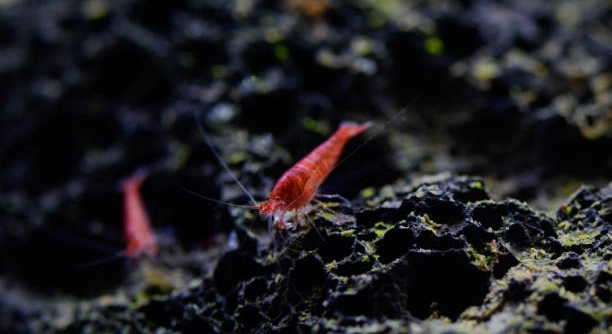
Have you ever watched your shrimp move around their tank in ways that seem odd or unpredictable, leaving you unsure about what those tiny behaviors really mean for their well-being in your daily care routine?
Shrimp often display behaviors that appear confusing because they react sensitively to changes in water quality, food availability, and social dynamics. These shifts influence their movement and interactions, creating actions that may seem unusual but are rooted in their instincts.
Their subtle habits reveal how environment and routine shape their life, offering insights that make each action easier to understand.
xxxxxxxxxxxxxxxxxxx
Some shrimp owners get surprised when their shrimp suddenly swim in fast bursts, hover in place, or cling to surfaces for long periods. These movements often reflect how they react to small changes in their tank. Even slight shifts in temperature or lighting can influence their actions, and over time, these patterns become easier to recognize. When I first learned to pay attention to these details, I realized how much shrimp express through movement alone. Their behaviors may look random, but they usually serve a purpose connected to comfort, safety, or adjustment. By observing them closely, you start noticing how each action tells a small part of their routine and rhythm, helping you support their needs with better confidence.
Shrimp may also behave this way when they are adapting to new conditions or reacting to minor disturbances in their environment, making it important to stay aware of these subtle signals.
Consistency in their surroundings helps them feel secure, allowing their habits to remain steady and easier to interpret over time.
xxxxxxxxxxxxxxxxxxx
Shrimp sometimes gather in one spot or move in repetitive patterns when they sense changes in food levels or shifts in water balance within the tank.
Learning to interpret these behaviors takes time, especially because shrimp tend to respond to environmental pressure in gentle yet noticeable ways. When food particles drift across the substrate, they often cluster in specific areas, signaling their instincts to search efficiently. In other situations, repeated back-and-forth movement may appear when they are adjusting to new water parameters after a change in filtration or cleaning. I used to think these movements meant something was wrong, but they often reflect normal adjustments. Still, subtle patterns can help you notice when something needs attention, such as debris buildup or a slight imbalance in water conditions. With steady observation, you gain clarity on what each behavior might indicate, allowing you to act calmly and at the right moment.
xxxxxxxxxxxxxxxxxxx
Some shrimp flick their tails more often when they feel unsettled or sense tiny changes around them. I noticed this happens most when the tank gets slightly disturbed or when something shifts in their usual routine.
This movement can also appear during mild stress, especially if the water balance changes or if they detect something unfamiliar floating nearby. When I saw this in my own tank, it helped me understand how closely shrimp monitor their surroundings. Their quick motions are their way of staying alert and ready to move if something feels off. Paying attention to how often this happens can guide you in spotting early issues before they grow into bigger problems.
These reactions often settle once the tank conditions are stable again, showing how sensitive shrimp are to even the smallest details. Over time, you start recognizing which tail flicks are normal and which ones signal that something might need attention.
xxxxxxxxxxxxxxxxxxx
Shrimp may climb higher surfaces when they want cleaner water flow or when the lower parts of the tank feel less comfortable. I noticed this more when the substrate needed a gentle cleaning or when the filter output shifted slightly.
They often choose elevated spots because these areas provide steadier movement in the water and make them feel more at ease. When they gather in higher places, it sometimes means the lower areas need maintenance or a small adjustment in circulation. Observing how often they climb can help you understand how well your tank supports them. Over time, their habits reveal what keeps them relaxed or what might need minor changes in their space.
xxxxxxxxxxxxxxxxxxx
Some shrimp hide more often when they sense small changes in their surroundings. I noticed this happens after water adjustments or when the tank feels slightly busier than usual.
They may also retreat when they are preparing to molt, choosing quiet areas where they feel safe while their new shell hardens.
xxxxxxxxxxxxxxxxxxx
Shrimp can start grazing nonstop when there is extra biofilm or leftover particles on the surfaces in the tank. I’ve seen this behavior become more active after adding fresh plants or decorations because new surfaces often collect more natural growth. Their steady picking helps keep the tank clean, but it also shows how quickly they react to new food sources. Watching how intensely they graze can hint at how balanced the tank’s natural film is. When the grazing slows, it usually means the surface levels have evened out again, bringing the tank back to a calmer rhythm.
xxxxxxxxxxxxxxxxxxx
Some shrimp shake their antennae more when they are studying changes in the water. I’ve noticed this helps them sense food, movement, or small shifts that matter for their comfort.
Why do my shrimp hide so much?
Shrimp often hide when they feel stressed or need a safe spot to molt. I noticed my shrimp would retreat more after water changes or when I added new decorations. Hiding helps them avoid unnecessary movement, conserve energy, and stay protected while adjusting to changes.
Is it normal for shrimp to flick their tails?
Yes, tail flicking is a common behavior. I’ve seen it when shrimp react to small disturbances in the tank or when they sense changes in water flow. This movement can also appear when they are startled or exploring quickly, acting as a way to stay alert and mobile.
Why are my shrimp climbing so high in the tank?
Shrimp sometimes climb higher surfaces for better water circulation or to find cleaner areas. I observed this behavior more when the substrate felt cluttered or after adjusting the filter. Elevated spots offer steady currents, which help them feel comfortable and avoid stagnant areas.
What does it mean when shrimp graze nonstop?
Continuous grazing usually indicates plenty of biofilm or leftover particles on surfaces. In my experience, shrimp increase grazing after adding fresh plants or decorations because new surfaces collect natural growth quickly. It’s their way of feeding and helping maintain cleanliness in the tank.
Why do shrimp shake their antennae?
Shrimp use antennae to sense food, movement, and environmental changes. I noticed shaking intensifies when they are exploring or detecting small changes in water quality. It’s a subtle way they gather information, helping them feel secure and aware of their surroundings.
Do shrimp interact with each other or the tank decorations?
Yes, shrimp often interact by clustering or lightly nudging each other while grazing. I also noticed them exploring decorations, climbing, or resting on surfaces. These interactions are natural and show their instincts to investigate, find food, and adjust to the space available in their environment.
Can shrimp show signs of stress without hiding or flicking tails?
Stress in shrimp can appear as slower movement, reduced grazing, or lingering in one area. I once observed shrimp stay still for hours after a water parameter shift, indicating discomfort without overt behaviors like tail flicking. Watching subtle changes is key to keeping them healthy.
How can I tell if shrimp behavior is normal or a warning sign?
Normal behavior includes grazing, gentle climbing, and occasional hiding. Warning signs show as sudden bursts of movement, long-term hiding, or excessive antenna shaking. I found that keeping a routine observation log helps identify patterns and notice when adjustments in water quality or tank setup are needed.
Why do shrimp sometimes gather in one spot for long periods?
Clustering often happens near food sources or areas with ideal water flow. I observed this when food particles drifted to one area or after filter adjustments. This behavior is mostly instinctive, reflecting comfort, feeding efficiency, or slight changes in their environment that encourage them to stay together.
Do shrimp recognize changes in water temperature or quality?
Yes, shrimp are highly sensitive to minor water fluctuations. I noticed increased hiding and tail flicking when temperature dropped slightly or when I added new water. Their reactions serve as early indicators of stress, making careful monitoring essential for keeping them stable and healthy.
Why do some shrimp molt more frequently than others?
Molting depends on age, diet, and tank conditions. Younger shrimp molt more often to grow, while adults molt less frequently. I observed that proper water quality and adequate nutrition help regulate molting cycles, reducing stress and preventing prolonged hiding periods that occur during this vulnerable phase.
Can shrimp behavior change after adding new tank mates?
Yes, new shrimp or other creatures can trigger more hiding, tail flicking, or cautious movement. I saw my shrimp become more reserved when I introduced a small group of new shrimp, indicating they were assessing social dynamics and adjusting to the presence of unfamiliar tank mates.
How long does it take to understand shrimp behavior?
It can take weeks to notice patterns, especially subtle ones. I started recognizing when tail flicking or climbing was normal versus a reaction to stress after consistent observation. Patience and attention to details like grazing, hiding, and antenna movement help interpret their signals accurately.
What is the best way to reduce confusing behaviors?
Stable water parameters, regular feeding, and minimal sudden changes help. I found that keeping a consistent routine and monitoring tank conditions reduced stress-induced behaviors. Over time, shrimp become calmer, and their movements become predictable, making it easier to interpret natural versus unusual behavior.
Are all shrimp behaviors influenced by stress?
Not all. Many actions, like grazing or climbing, are part of normal routines. I realized that only extreme changes in hiding, tail flicking, or antenna shaking often reflect stress. Recognizing the difference allows me to respond appropriately without overreacting to normal activity.
Can shrimp communicate with each other through behavior?
Yes, clustering, nudging, and synchronized movements indicate interaction. I noticed these behaviors often appear around feeding or in shared safe zones. While not as complex as other animals, shrimp use subtle cues to establish social order, find food, and maintain comfort in their environment.
How important is observation in keeping shrimp healthy?
Observation is essential. I learned more about shrimp needs through watching patterns and small details than any guidebook could offer. Noticing grazing intensity, hiding frequency, and climbing habits provides clues to water quality, comfort levels, and social dynamics, ensuring the tank supports their well-being consistently.
Do shrimp show personality differences?
Yes, some are bolder, more active, or more cautious. I’ve seen certain shrimp explore new areas first while others stay hidden longer. Recognizing these differences helps me cater to individual needs and understand that behavior variations are normal, not always a sign of stress or illness.
Why do shrimp sometimes appear inactive for long periods?
Periods of inactivity are often normal resting times, especially after molting or feeding. I noticed shrimp settle in quiet areas to conserve energy. However, prolonged inactivity outside these periods may indicate water issues or illness, so monitoring context and environment helps determine whether behavior is expected.
How do lighting and tank setup affect behavior?
Shrimp respond strongly to light intensity and structure. I observed more hiding during bright periods and increased grazing under moderate lighting. Plants, decorations, and hiding spots influence climbing, grazing, and social patterns. Proper arrangement balances activity and safety, making their movements easier to interpret.
Can behavior predict molting or health problems?
Yes, sudden increases in hiding, reduced grazing, or constant tail flicking often precede molting or indicate stress. I noticed anticipating these changes allows preparation with safe hiding spots and stable water, minimizing risk. Observing consistent deviations helps detect health problems early and maintain overall tank stability.
Observing shrimp can feel confusing at first, especially when they display behaviors that seem unpredictable or unusual. Over time, it becomes clear that most of these actions are rooted in instinct, environment, and the natural ways they interact with their surroundings. From hiding in quiet corners to flicking their tails or grazing nonstop, every movement has a reason. I learned that paying close attention to water quality, tank layout, and daily routine helps interpret these behaviors more accurately. Even small changes, like adjusting water flow or adding a new decoration, can cause noticeable shifts in how they act. By noticing patterns and keeping track of what triggers certain behaviors, you gain insight into their needs and comfort levels. Observing them carefully allows you to respond calmly and make adjustments before any small issue becomes a bigger concern.
Consistency and stability in a tank play a major role in how shrimp behave. When water parameters, feeding schedules, and the tank environment are steady, most shrimp show regular, predictable behaviors. They graze steadily, climb surfaces, explore decorations, and interact in familiar patterns. In my experience, when I maintain consistency, tail flicking, hiding, and antenna movements become easier to understand and less concerning. Conversely, sudden changes in lighting, temperature, or filtration often cause stress behaviors, which can be mistaken for illness or aggression. Recognizing the difference between normal instincts and stress reactions helps in keeping shrimp healthy and calm. Observing them over days and weeks provides a clear picture of what is natural for your shrimp and what might require attention. Small adjustments, such as adding extra hiding spots or gently improving water flow, often reduce unusual behaviors without much disruption to their routine.
Finally, understanding shrimp behaviors is a process that grows with experience and patience. Each shrimp has its own personality and reacts slightly differently to changes in the tank, but most actions are predictable once you know what to look for. Watching grazing patterns, tail flicks, climbing, and interactions gives clues about water conditions, social comfort, and feeding needs. In my own tank, noting these behaviors allowed me to create a calmer, healthier environment and anticipate natural cycles like molting or exploration. The key is consistent observation, gentle adjustments, and respect for their natural instincts. Shrimp may be small and delicate, but their behaviors offer a clear window into their well-being when you take the time to understand them fully. Over time, what once seemed confusing becomes meaningful, and caring for shrimp becomes more rewarding and less stressful.

Hello,
If you enjoy the content that we create, please consider saying a "Thank You!" by leaving a tip.
Every little bit helps us continue crafting quality advice that supports the health, happiness, and well-being of pets around the world, for pets of all shapes, sizes, and species.
We really appreciate the kindness and support that you show us!