
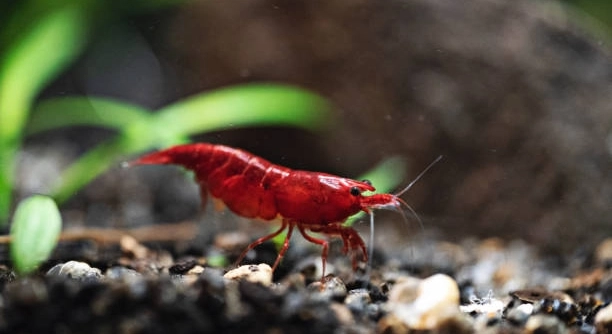
Many shrimp keepers notice their cherry shrimp shifting away from spots they once seemed to enjoy, creating moments of confusion and curiosity as they watch their tiny companions explore new areas within their tank environment.
Cherry shrimp may abandon familiar spots primarily due to shifts in water parameters, temperature changes, food availability, or stress from tank mates. These factors influence their comfort levels, guiding their patterns and prompting them to seek safer suitable new microhabitats.
Learning what causes these shifts helps you understand their behavior better, offering insight for creating a habitat that supports comfort.
Changes in Water Conditions
Cherry shrimp often react quickly to small shifts in their environment, and changes in water conditions are one of the most common reasons they move away from familiar areas. When parameters fluctuate, they respond by exploring different sections of the tank to find a place that feels stable and comfortable. You might notice them hiding under plants, drifting toward shaded corners, or settling near filters where the flow feels right. These movements are not random. They are signals that something in the tank may need attention. Sometimes it is a rise in nitrates, a drop in oxygen, or a temperature change that pushes them to adjust their routine. Other times it can be leftover food breaking down and affecting the balance of the water. Understanding these reactions helps you keep your tank steady, so your shrimp feel safe enough to stay where they feel most at ease each passing day.
Keeping water stable helps your shrimp stay comfortable and reduces the chances of them leaving their favorite spots. Regular testing, gentle maintenance, and mindful feeding support a healthier tank that encourages predictable behavior and fewer sudden shifts in their daily patterns. These simple habits make a noticeable difference over time.
Small adjustments in routine can help your shrimp feel more settled. When you understand how water conditions guide their movements, it becomes easier to respond with calm and simple changes. Cleaning slowly, avoiding sudden temperature swings, and removing excess food can shift the tank back into a space that feels safe for them. I always try to watch how they react after fixes because their behavior often reveals whether the tank feels balanced again. Over time these observations add up, giving you a clearer sense of what they prefer and helping them return to the places they enjoyed before.
Stress From Tank Mates
Cherry shrimp can shift their behavior quickly when they feel stressed by tank mates. Even peaceful species can create subtle pressure that changes where shrimp choose to settle. Watching their patterns helps you decide whether rearranging decor or adjusting stocking levels might support a calmer space for your shrimp overall.
Interactions within a tank can shape how cherry shrimp behave, especially when they share space with species that move quickly or explore aggressively. Even fish that are not harmful can create enough activity to encourage shrimp to search for areas where they feel less exposed. I have noticed that when shrimp sense too much movement around them, they start settling under thick plants or behind driftwood, choosing calmer pockets that offer steady shelter. Creating more hiding spots can make a big difference, giving them a chance to explore without feeling watched. Adding moss, leaf litter, or gentle structures helps soften the environment and gives shrimp a place to pause without stress. Sometimes reducing the number of fast moving fish brings noticeable improvement, since it lowers the amount of unpredictable motion in the tank. A well arranged layout supports your shrimp by breaking up open space and creating safe pathways they can travel through with confidence. As you observe them, you will see how much they rely on these quiet areas to stay comfortable. Over time these changes help them feel more secure, and they may return to the places they once enjoyed as their sense of safety grows each day.
xxxxxxxxxxxxxxxxxxx
Cherry shrimp often shift their location when food becomes limited in certain sections of the tank. If they sense fewer particles to graze on, they move to areas with more consistent resources, relying on instinct to guide them toward steady nourishment they can depend on.
Some areas of the tank naturally accumulate more biofilm, algae, and tiny food particles, and shrimp quickly learn where these spots are. When those resources drop, they wander off to search for new surfaces with better growth. I’ve noticed they respond strongly to feeding routines, especially when leftover food settles unevenly. Spreading food gently and offering small portions helps keep them from clustering in one area only to abandon it later. Maintaining a balanced tank with good lighting and surface variety supports steady biofilm production, giving them reliable spots they feel comfortable returning to without needing constant adjustment.
Shrimp also follow subtle scent cues that help them detect food rich areas. When these cues fade, they start exploring again, often traveling through plants, driftwood, and filters as they look for new grazing surfaces. I try to watch where biofilm naturally builds up, because these patterns shift with lighting and water flow. Adjusting these factors helps create stable feeding zones they enjoy. Keeping several textured surfaces in the tank encourages natural growth that lasts longer, giving shrimp more consistent options. When food availability stays steady, shrimp are less likely to abandon their usual areas and more likely to settle into predictable routines.
xxxxxxxxxxxxxxxxxxx
Cherry shrimp may also relocate when they sense changes in shelter availability. If plants thin out or hiding spots become crowded, they start seeking areas that feel safer, relying on dense spaces to help them stay calm during daily activity.
Dense plants, moss, and shaded areas offer comfort, and shrimp quickly learn where they feel less exposed. When these structures shift, they move on instinct, exploring the tank until they find a similar spot. I’ve seen them settle deeply into moss when open areas feel too bright or busy. Adding leaf litter, soft foliage, and layered decor helps rebuild the sense of safety they need. Rearranging decor slowly avoids startling them, while adding new textures encourages natural wandering. Over time, they adjust to these changes and settle back into places that offer the right mix of cover and calm, helping them feel secure enough to remain in familiar areas again.
xxxxxxxxxxxxxxxxxxx
Cherry shrimp often change their favorite spots when the tank’s lighting becomes too strong or too dim. They react quickly to brightness levels, choosing shaded areas when the light feels harsh and moving outward when the environment feels softer and more comfortable for daily activity.
Adjusting the lighting gradually helps them stay calm and avoid sudden shifts in behavior. I’ve noticed they respond best to gentle transitions, especially when plants provide natural shade. Keeping a consistent schedule gives them time to adapt, reducing the chances of them leaving areas they once enjoyed.
xxxxxxxxxxxxxxxxxxx
When water flow changes, shrimp start to explore new sections of the tank in search of a comfortable pace. Strong currents can push them away from spots they like, while very still areas may limit oxygen and movement. I try to balance the flow so it stays gentle without feeling stagnant. Adding plants or decor helps break up stronger currents and creates small pockets of calm water. Over time shrimp settle into areas where the flow supports their natural behavior, allowing them to graze, rest, and move comfortably without constant adjustment.
xxxxxxxxxxxxxxxxxxx
Temperature shifts can encourage shrimp to relocate quickly. Even small changes make them move toward areas that feel steady and safe, especially during seasonal adjustments or equipment fluctuations. Monitoring the tank closely helps them stay settled in spots they trust.
FAQ
Why do my cherry shrimp keep switching spots in the tank?
Cherry shrimp change locations when something in their surroundings feels different or less comfortable. They react quickly to shifts in water quality, lighting, flow, temperature, or food availability. When these conditions drift from what feels right, they move around to find a calmer, safer, or more suitable area. I often notice this behavior after water changes or when plants are trimmed, since even small changes can influence how secure they feel. Watching their patterns helps you understand what might need adjustment so they can return to their preferred spaces with more confidence.
Can cherry shrimp abandon a spot because of leftover waste or debris?
Yes, they can. Waste buildup can make an area feel less appealing, especially if it starts affecting water quality in small pockets of the tank. Shrimp rely heavily on micro conditions, not just the general water parameters. If debris settles in a certain corner or behind decor, they may leave that spot until things stabilize. Regular gentle cleaning helps keep these small zones healthy. I try to vacuum lightly around problem areas without disturbing too much because shrimp appreciate routines that stay predictable and calm.
Do they move away from areas with too much activity?
They often do. Excessive movement from tank mates or sudden motion near the glass can make them feel uneasy. Even peaceful fish can create enough activity to push shrimp toward hidden or quieter places. I have seen them quickly disappear into moss when the tank feels too busy. Adding more shelter and keeping stocking levels soft helps shrimp feel brave enough to stay in areas they once enjoyed. When the environment feels controlled and steady, they spread out more comfortably.
Why do cherry shrimp avoid bright areas of the tank?
Strong lighting can make them feel too exposed. They prefer softer or filtered light because it mimics the cover they rely on for grazing and resting. If your lighting is strong, they may move to plants, driftwood shadows, or tucked away corners. I find that giving them a mix of bright and shaded sections helps them decide where they feel most at ease. Gradual lighting schedules also keep them from making sudden shifts.
Is it normal for shrimp to roam after a water change?
Yes, this is completely normal. Water changes can cause slight temperature differences or disturb settled areas. Even tiny adjustments can make shrimp explore again until things feel stable. I always try to match the temperature closely and pour new water gently so the tank stays as calm as possible. Once conditions stabilize, they usually return to their routines.
Could changes in biofilm affect where they stay?
Definitely. Biofilm is one of their main food sources, and it does not grow evenly across the tank. When a surface they rely on becomes bare, they wander to find richer spots. Adding more textured surfaces like cholla wood, rocks, and plant leaves helps biofilm grow naturally. When food stays balanced, their patterns become more predictable.
Do cherry shrimp move when they sense changes in flow or oxygen?
Yes. They seek areas where water movement feels comfortable and breathable. Strong flow pushes them away, while still water can feel too low in oxygen. I try to keep the flow soft and spread out so they have options. Plants and decor help create natural pockets of calm water where they can rest without stress.
Can temperature changes cause sudden relocation?
Absolutely. Shrimp are sensitive to temperature, and even small shifts can make them search for stable spots. If the heater fluctuates or room temperature changes, they respond quickly. Keeping things steady helps them stay in familiar zones. I always monitor the tank closely during seasonal transitions.
Why do they sometimes leave a spot they loved for days or weeks?
Their environment is always shifting, even when we do not notice it. A slight change in light angle, food levels, flow direction, or activity can influence their patterns. Shrimp rely on small cues to decide where they feel safest. When you learn these cues, their movements start to make more sense.
Final Thoughts
Caring for cherry shrimp becomes much easier when you start paying attention to the tiny details that shape their behavior each day. They are gentle creatures that rely on subtle cues to feel secure, so even small adjustments can influence how comfortable they are in their surroundings. When I watch them move through the tank, I often notice how their choices shift depending on changes I barely noticed at first. A slight increase in brightness, a patch of plants getting thinner, or a small rise in flow can encourage them to search for a spot that feels calmer. With time, these patterns start to make more sense, and it becomes clearer why they sometimes abandon areas that once felt perfect to them. Learning to read these reactions helps you create a tank that stays steady and supportive, allowing them to settle into routines that feel natural and predictable.
It also helps to remember that their needs change as the tank changes. Plants grow and fade, food disperses differently, and the movement of water shifts as filters age or decor is rearranged. All of these things shape where shrimp choose to spend their time. I find comfort in knowing that these changes are normal, and that their wandering is not always a sign of stress. Sometimes they simply explore out of instinct, checking new surfaces or testing calmer spaces. Still, giving them plenty of hiding spots, textured surfaces, and soft lighting helps reduce how often they feel the need to move away from a familiar area. These simple details create the sense of safety they depend on, especially when the tank feels busy or overly bright. By keeping their environment gentle and well balanced, you guide them back toward the places they feel most at ease, letting them settle into patterns that feel steady.
As you continue caring for them, you will start noticing how much they communicate through movement alone. Their quiet behavior says a lot about the tank, often before test kits or equipment changes reveal anything. When they cluster in shaded spots, wander along the glass, or settle deep into plants, they are reacting to conditions that matter to them. These observations become valuable over time, helping you understand what they need without guessing. Creating a stable tank is not about perfection, but about staying aware of how small changes affect their comfort. With patience, gentle adjustments, and a calm approach, you build a space where they feel secure enough to remain in the places they love. And when they do roam, you learn to see it as a natural response rather than a sign of trouble, trusting that their instincts guide them toward what feels right.

Hello,
If you enjoy the content that we create, please consider saying a "Thank You!" by leaving a tip.
Every little bit helps us continue crafting quality advice that supports the health, happiness, and well-being of pets around the world, for pets of all shapes, sizes, and species.
We really appreciate the kindness and support that you show us!