
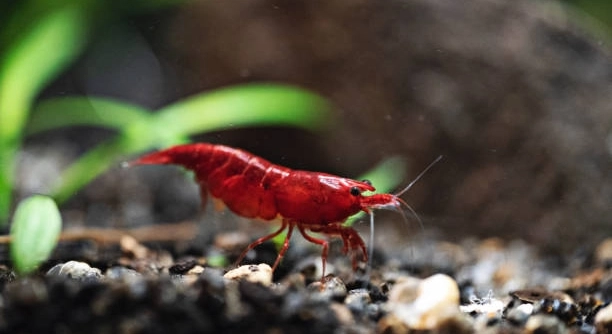
Have you ever watched your cherry shrimp molt and felt unsure about what comes next? This delicate process is essential for their growth, and observing the right signs afterward can ensure their health and safety in the tank.
After a cherry shrimp molts, it is crucial to monitor water quality, molting frequency, feeding behavior, shell hardening, interaction with tank mates, signs of stress, and potential injury. Proper observation helps prevent complications and promotes overall shrimp well-being.
Understanding these post-molt behaviors can make a significant difference in maintaining a healthy shrimp environment and preventing unnecessary stress or health issues.
Water Quality After Molting
Maintaining stable water conditions is essential for cherry shrimp after they molt. Their new exoskeleton is soft and vulnerable, making them highly sensitive to ammonia, nitrites, and nitrates. Even small fluctuations in pH or temperature can cause stress or hinder shell hardening. Regular testing of water parameters is recommended, along with partial water changes if levels are off. Avoid using harsh chemicals during this period, as shrimp absorb substances more easily through their soft exoskeleton. Filtration and gentle water flow should be maintained, but strong currents may harm recently molted shrimp. Observing how your shrimp behave can indicate if water conditions are adequate. Swimming patterns, hiding frequency, and feeding interest all reflect how comfortable they are in their environment. Ensuring water is stable and clean supports proper molting cycles and reduces the risk of bacterial or fungal infections, which are more likely during this vulnerable stage.
Monitoring water carefully after a molt prevents health issues and helps shrimp recover smoothly in their tank.
Stable water conditions after molting ensure shrimp safely harden their exoskeleton. This protection supports healthy growth and reduces stress. Proper filtration, testing, and gentle water flow help maintain an environment where shrimp can thrive without exposure to harmful substances.
Feeding and Nutrition Post-Molt
After molting, cherry shrimp may eat less at first as they recover and their new shells harden.
Providing nutrient-rich foods like algae, blanched vegetables, or specialized shrimp pellets can aid in strengthening the new exoskeleton. Protein is important but should be balanced to prevent water quality issues. Offering small amounts more frequently is better than overfeeding once. Observing what they eat and how they interact with food provides insight into their health. If they avoid food for too long, it could indicate stress, injury, or water issues. Supplements containing calcium or minerals can help with shell formation. Shrimp benefit from a consistent feeding schedule, as it reduces stress and encourages normal growth patterns. Avoid sudden diet changes, as these can lead to molting complications or delayed hardening of the shell. Monitoring feeding habits closely after a molt allows timely adjustments to their diet, supporting recovery and overall vitality. Regular observation ensures you catch any nutritional or health issues early.
Interaction with Tank Mates
Molted shrimp are vulnerable and may be targeted by more aggressive tank mates.
Separating aggressive fish or providing plenty of hiding spaces helps protect soft-shelled shrimp. Plants, moss, and small decorations allow them to retreat until their exoskeleton hardens. Stress from harassment can slow shell hardening and reduce feeding interest. Observing shrimp interactions ensures all species coexist safely. Even normally peaceful fish may nip at molted shrimp, so monitoring behavior during this period is essential to prevent injury or death. Creating a calm environment encourages faster recovery and maintains shrimp health.
Hiding places reduce stress and improve survival rates. Dense plants and structures give shrimp secure spots to recover.
Molted shrimp are more likely to hide and eat less when tank mates are present. Ensuring adequate shelter reduces stress and allows shrimp to regain strength quickly. Observing both shrimp and fish behavior helps identify potential threats. Removing or relocating aggressive species temporarily can prevent injuries. Monitoring molted shrimp during this period ensures they recover fully, maintain normal feeding patterns, and strengthen their new shells without interference. Maintaining this balance contributes to long-term tank harmony and shrimp well-being.
Shell Hardening and Growth
Soft shells are prone to damage immediately after molting.
Providing a calcium-rich diet and maintaining stable water hardness helps shrimp harden their new exoskeleton efficiently. Avoid sudden water changes or high currents that may damage delicate shells. Stress or poor nutrition can delay hardening, leaving shrimp vulnerable to infections or injuries. Observing shell development daily allows timely intervention if issues arise. Shell strength is critical for normal movement, feeding, and protection against predators. Ensuring a stable environment with proper minerals and low stress accelerates growth and improves overall shrimp resilience.
Careful observation ensures shells harden properly and reduces risk of injury.
Hardening takes several hours to a few days, depending on water conditions and diet. Shrimp with adequate calcium and stable parameters recover faster. Avoiding disturbances during this period supports normal behavior and prevents physical damage. Dense plant coverage or moss can provide temporary shelter for molted shrimp. Monitoring progress allows adjustments to water chemistry or diet if hardening is slow. Maintaining a stable environment ensures shrimp continue healthy growth cycles and reduces the likelihood of deformities or repeated molting problems. Proper care during this time is essential for long-term shrimp health.
Signs of Stress
Shrimp may hide excessively or stop eating if stressed after molting.
Unusual swimming patterns or lethargy can indicate environmental or dietary issues. Monitoring these behaviors helps identify problems early and prevent long-term health effects.
Injury and Damage
Molted shrimp are fragile and may injure themselves on sharp decorations or get nipped by tank mates. Cuts or missing limbs can slow recovery and affect feeding. Regularly inspecting shrimp and removing hazards reduces risks. Maintaining a calm tank environment and observing interactions supports safer recovery during this vulnerable stage.
Water Temperature Effects
Temperature fluctuations can delay molting recovery and slow shell hardening. Stable, appropriate water temperature ensures shrimp metabolism and shell formation proceed normally, reducing stress and promoting healthy growth.
Feeding Frequency
Increasing feeding frequency slightly after a molt supports recovery. Small, consistent meals help shrimp regain strength and provide essential nutrients for exoskeleton development.
FAQ
Why is my cherry shrimp hiding after molting?
Molted shrimp are vulnerable because their new exoskeleton is soft. Hiding is a natural response to protect themselves from potential threats. Providing dense plants, moss, or small decorations allows them to feel secure while their shells harden. Avoid disturbing their hiding spots.
How long does it take for a cherry shrimp’s shell to harden?
Typically, a cherry shrimp’s shell hardens within a few hours to a couple of days. Water temperature, calcium levels, and overall nutrition affect the speed of hardening. Stable tank conditions and a mineral-rich diet help ensure faster recovery and reduce the risk of injury.
Can tank mates harm freshly molted shrimp?
Yes, even normally peaceful fish or shrimp may nip at soft-shelled shrimp. Providing hiding spaces and monitoring interactions is crucial. If aggression occurs, separating the molted shrimp or adding more shelter reduces stress and prevents injuries during this sensitive period.
What foods are best for shrimp after molting?
Soft-shelled shrimp benefit from high-quality foods rich in protein and minerals. Blanched vegetables, algae, and specialized shrimp pellets provide essential nutrients. Small, frequent feedings encourage recovery without compromising water quality. Calcium-rich foods support exoskeleton strengthening during this vulnerable phase.
How often should I check water parameters post-molt?
Daily checks are recommended during the first 24–48 hours after molting. Monitor ammonia, nitrites, nitrates, pH, and temperature closely. Any fluctuations can stress shrimp and delay shell hardening. Maintaining consistent water quality is essential for their survival and health.
Why is my shrimp not eating after molting?
Shrimp may temporarily refuse food while their new exoskeleton hardens. Stress, poor water conditions, or insufficient nutrition can prolong this. Ensure hiding spots are available, water is stable, and nutrient-rich foods are offered. They usually resume feeding once they feel secure and comfortable.
Is it normal for shrimp to lose a limb during molting?
Yes, limb loss can occur, especially if the shrimp is weak, stressed, or in a crowded tank. Shrimp can regenerate lost limbs during subsequent molts, but minimizing stress and providing adequate nutrition helps reduce the risk. Observation and proper care are key.
Can I speed up the molting recovery process?
Recovery depends on stable water parameters, a balanced diet, and safe shelter. Avoid sudden water changes or handling shrimp directly. Providing a calm environment with proper minerals and regular feeding supports quicker shell hardening and overall health.
What signs indicate my shrimp is stressed post-molt?
Excessive hiding, erratic swimming, lethargy, or refusal to eat are common stress indicators. Stress can slow shell hardening and impact health. Adjusting water quality, ensuring proper nutrition, and providing sufficient shelter help reduce stress and improve recovery.
How do I prevent molting complications in the future?
Maintaining consistent water parameters, feeding a varied and mineral-rich diet, and creating plenty of hiding spaces reduces the risk of molting complications. Observing shrimp behavior regularly allows early detection of issues and ensures long-term health and successful growth cycles.
Can water hardness affect molting?
Yes, low water hardness can slow shell hardening and make shrimp more prone to injury. Maintaining moderate hardness levels and supplementing with calcium if needed supports proper exoskeleton formation and overall shrimp health.
Should I remove uneaten food after molting?
Yes, uneaten food can decompose and affect water quality, which is especially risky for soft-shelled shrimp. Remove leftovers promptly to prevent ammonia spikes and maintain a safe, stable environment during recovery.
How often do cherry shrimp molt?
Young shrimp molt more frequently, sometimes every few days, while adults molt less often, typically every few weeks. Observing molting patterns helps adjust feeding and tank care to support healthy growth and minimize stress during recovery.
Is it necessary to isolate molted shrimp?
Isolation is not always required if the tank is peaceful and offers plenty of hiding spots. However, separating shrimp temporarily may be helpful in tanks with aggressive fish or overcrowding, ensuring safety while their exoskeleton hardens.
Can stress from molting affect growth?
Yes, repeated stress during molting can slow growth and cause deformities. Maintaining calm tank conditions, proper nutrition, and stable water parameters supports healthy molts and prevents long-term issues in shrimp development.
What should I do if a shrimp dies after molting?
Check water parameters, diet, and tank conditions to identify potential causes. Remove the body promptly to prevent contamination. Adjusting care practices helps protect other shrimp and prevent repeat incidents in the future.
Are there signs of infection after molting?
Fungal growth, discoloration, or unusual spots on the new shell may indicate infection. Maintaining clean water and avoiding stressors reduces the risk. Prompt attention can prevent the condition from spreading or worsening.
Can I handle shrimp safely after molting?
Handling shrimp immediately after molting is not recommended. Their soft shells are fragile, and handling can cause injury or stress. Allow shrimp to recover in a safe environment until the exoskeleton is fully hardened.
How do I know when a shrimp is ready to molt again?
Shrimp may show signs like decreased appetite, hiding more frequently, or a slightly translucent exoskeleton before their next molt. Regular observation and stable care practices ensure they molt safely and continue healthy growth.
Can water temperature changes trigger molting issues?
Yes, rapid fluctuations in water temperature can stress shrimp and slow recovery. Keeping temperature stable within recommended ranges supports metabolism, shell hardening, and overall health during and after molting.
Monitoring cherry shrimp after molting is essential for their survival and well-being. The process of molting leaves them vulnerable, and careful observation ensures they can recover safely. Paying attention to water quality, feeding habits, shell hardening, and interactions with tank mates can prevent stress, injuries, and health issues. Providing hiding places like moss, plants, or small decorations gives molted shrimp a sense of security, allowing them to regain strength without fear of attack. Consistent care and attention during this sensitive period make a significant difference in their overall health and growth. Understanding the signs of stress, reduced appetite, or unusual behavior helps identify problems early, allowing for quick adjustments to tank conditions or diet. This proactive approach reduces the risk of complications and ensures that shrimp thrive in a safe and stable environment.
Maintaining stable water conditions is especially important after a molt. Fluctuations in pH, temperature, or ammonia levels can slow shell hardening and increase stress. Regular testing and gentle water changes support recovery and reduce the risk of infections or injury. Feeding small, nutrient-rich meals aids in exoskeleton strengthening and helps restore energy lost during molting. Calcium and mineral supplementation can accelerate shell hardening, ensuring shrimp develop a strong and healthy exoskeleton. Observing feeding behavior closely provides insight into overall health and allows timely intervention if a shrimp avoids food or hides excessively. Proper care during this phase sets the stage for future molts and promotes healthy growth, creating a thriving tank environment for all inhabitants.
Interactions with other tank mates should be monitored carefully after molting. Even peaceful fish or shrimp may nip at soft-shelled individuals, leading to injuries or delayed recovery. Providing adequate shelter, maintaining a calm environment, and observing shrimp behavior are crucial during this period. Injuries, missing limbs, or delayed shell hardening should be addressed immediately, and aggressive tank mates may need temporary separation. Recovery requires patience, consistent care, and a stable environment to ensure shrimp regain strength and continue normal feeding and movement patterns. By taking these steps, you can support healthy molts, reduce stress, and promote long-term health and vitality for your cherry shrimp, creating a balanced and safe tank ecosystem.

Hello,
If you enjoy the content that we create, please consider saying a "Thank You!" by leaving a tip.
Every little bit helps us continue crafting quality advice that supports the health, happiness, and well-being of pets around the world, for pets of all shapes, sizes, and species.
We really appreciate the kindness and support that you show us!