
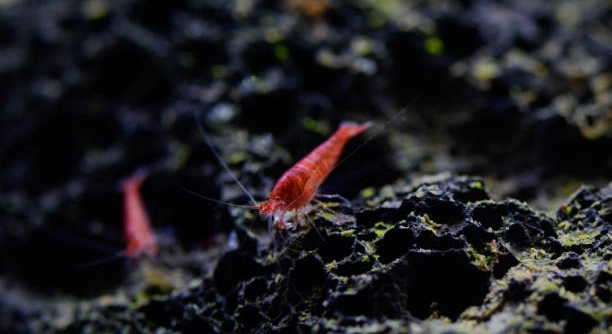
Breeding shrimp can be exciting for hobbyists, but it often does not go as planned. Many beginners face unexpected challenges that make successful reproduction unlikely, even when they carefully follow common care instructions at home.
Several factors contribute to the difficulty of shrimp breeding. Poor water quality, improper diet, stress from overcrowding, incorrect temperature, lack of hiding spaces, incompatible tank mates, and inadequate lighting can all prevent shrimp from reproducing successfully in captivity.
Learning about these obstacles early can save time and effort, helping shrimp keepers create a healthier environment for their aquatic pets.
Poor Water Quality
Shrimp are very sensitive to the environment they live in. Even slight changes in pH, ammonia, nitrite, or nitrate levels can stress them and reduce their chance to breed. Consistently clean water is key, and testing it regularly helps prevent unnoticed problems. Filtration and partial water changes are essential. Sudden fluctuations in temperature or chemical levels can also shock shrimp, causing them to stop eating and lose interest in mating. Young or newly introduced shrimp are especially vulnerable, and poor water can lead to disease outbreaks. While maintaining pristine water might seem tedious, it is the foundation of a healthy shrimp tank. Small tanks require more frequent attention since conditions change quickly. Using a reliable test kit and keeping a maintenance schedule makes it manageable. Observing shrimp behavior can also indicate water issues, as lethargy or hiding often signals stress. Even minor improvements in water quality can increase the likelihood of breeding, so it is worth staying consistent with care routines.
Regular monitoring and cleaning prevent chemical buildup that can harm shrimp. Consistency ensures they remain healthy and ready to breed.
Proper water management supports long-term shrimp survival, promoting natural mating behaviors. It also reduces disease risk and improves molting, allowing shrimp to thrive in a stable, safe environment.
Overcrowding
Shrimp need enough space to feel secure. When the tank is crowded, stress levels rise, and breeding rarely occurs.
Too many shrimp in a small tank can lead to aggression and competition for food, which directly affects reproductive success. Males may not be able to reach females easily, and females may hide constantly, preventing mating. Overcrowding can also cause rapid waste buildup, further degrading water quality and creating a cycle that discourages breeding. Shrimp prefer hiding spots and plants to feel safe, but when space is limited, even decorations cannot compensate. Balancing population size with tank volume is crucial. Observing behavior and adjusting numbers if necessary helps maintain a peaceful environment. Some species are more sensitive to crowding, so researching the specific type of shrimp is important before adding new individuals. Providing sufficient space allows natural interaction and improves health, both of which increase the likelihood of successful breeding. In short, avoiding overcrowding makes shrimp feel secure and encourages mating naturally.
Improper Diet
Shrimp need a balanced diet to stay healthy and reproduce. Poor nutrition weakens their immune system and reduces breeding activity, making it harder for females to develop eggs properly.
Shrimp require a mix of protein, vegetables, and specialized shrimp food. Feeding only one type of food, like flakes or pellets, limits essential nutrients and slows growth. Occasional treats like blanched vegetables or algae wafers help maintain energy levels. Overfeeding is also harmful, as uneaten food decomposes and pollutes the water, stressing the shrimp further. A consistent feeding routine encourages healthy molting and egg development, both critical for breeding success.
Ensuring shrimp receive all necessary nutrients supports fertility and overall vitality. A careful approach to diet can make a noticeable difference in their behavior and willingness to reproduce.
Lack of Hiding Spaces
Shrimp need hiding spots to feel safe, especially during molting. Without cover, they become stressed, which reduces breeding activity.
Plants, rocks, and driftwood create areas where shrimp can hide. Dense foliage or moss gives juveniles protection from adults and provides a secure place for females carrying eggs. Hiding spaces also reduce aggression and help maintain natural behaviors, which are essential for reproduction. Without sufficient cover, shrimp may spend most of their time in one corner, avoiding interaction and limiting mating opportunities. Setting up multiple shelters throughout the tank allows shrimp to move freely and feel secure, which encourages natural breeding. The layout should balance open swimming areas with dense hiding spots to support both activity and safety. Proper tank design directly affects shrimp comfort and reproductive success, making hiding spaces a critical consideration.
Incompatible Tank Mates
Some fish or larger invertebrates can stress shrimp, reducing their willingness to breed. Aggressive or predatory species can harm or scare shrimp, making the tank unsafe.
Even peaceful fish may compete for food or disturb shrimp during molting. Careful selection of tank mates is essential to maintain a calm environment.
Incorrect Temperature
Shrimp require stable temperatures for breeding. Sudden changes or extremes can prevent mating and affect egg development. Maintaining a consistent range suitable for the specific species supports reproductive health and encourages natural behavior. Temperature fluctuations can also weaken immune systems, making shrimp more prone to stress and disease.
Inadequate Lighting
Shrimp thrive with moderate, consistent lighting. Too bright or too dim conditions can stress them and disrupt natural activity patterns, which affects breeding success.
How long does it take for shrimp to breed?
Shrimp breeding times vary by species and environmental conditions. Some shrimp may carry eggs within a few weeks of reaching maturity, while others can take several months. Water quality, temperature, and nutrition play a large role in determining how quickly females develop eggs and mate. Maintaining stable conditions and proper diet accelerates healthy reproductive behavior. Observing females for changes in behavior or the appearance of a saddle—a cluster of developing eggs visible on their back—can help predict when breeding will occur.
Can I breed shrimp in a small tank?
Yes, but small tanks require careful attention. Limited space increases the risk of poor water quality, overcrowding, and stress, all of which can reduce breeding chances. Frequent water monitoring, partial water changes, and a well-planned layout with hiding spots are crucial. Choosing a small but stable tank with low bioload, compatible species, and proper filtration increases the likelihood of successful breeding. Dense plants and moss can also give shrimp a sense of security, encouraging natural mating behavior.
What is the best diet for breeding shrimp?
A balanced diet is essential for reproductive success. Females need protein for egg development, while all shrimp benefit from vegetables and algae for overall health. Commercial shrimp foods often provide a good nutritional base, but supplements like blanched spinach, zucchini, or spirulina can improve vitality. Overfeeding should be avoided because leftover food decomposes and harms water quality, stressing shrimp and reducing breeding activity. Feeding smaller portions multiple times a day encourages natural foraging behavior and supports molting, which is necessary for females to carry eggs safely.
How important is water quality for shrimp breeding?
Water quality is critical. High ammonia, nitrite, or nitrate levels, incorrect pH, or temperature fluctuations can stress shrimp and prevent them from breeding. Regular testing, proper filtration, and partial water changes help maintain stable conditions. Even minor improvements can encourage natural mating behavior and increase egg survival. Shrimp are sensitive to sudden changes, so gradual adjustments are preferable when correcting water chemistry. Monitoring behavior and molting patterns also indicates if water quality is suitable for reproduction. A clean, stable environment directly influences the health and longevity of both adult shrimp and their offspring.
Do shrimp need special lighting to breed?
Lighting affects activity levels but does not directly trigger breeding. Moderate, consistent lighting helps shrimp establish natural day-night rhythms and reduces stress. Overly bright or constantly changing light can cause hiding or lethargy, making mating less likely. A simple light cycle, such as 8–10 hours a day, paired with dense plants or moss, provides comfort while allowing shrimp to move and interact freely. Adjusting lighting gradually when changing bulbs or setups avoids shocking the shrimp and ensures they remain active and healthy for reproduction.
Can shrimp breed with different species?
Most freshwater shrimp species will only breed within their own kind. Crossbreeding is extremely rare and usually unsuccessful. Mixing species often leads to stress, competition for food, and incompatible behavior, which reduces the chance of breeding. Keeping a single species in a well-maintained, peaceful environment increases reproductive success and ensures the health of offspring. Even slight differences in water requirements between species can make hybrid breeding attempts unsuccessful or dangerous, so maintaining consistency is always safer.
How can I tell if my shrimp are ready to breed?
Females ready to breed develop a saddle, visible as a yellow or green cluster of eggs on their back. Males may become more active and swim more frequently in search of mates. Observing molting patterns also helps, as females can only carry eggs after shedding their old exoskeleton. Proper diet, stable water, and hiding spaces encourage this readiness. Tracking behavior over time provides insight into when mating is likely, allowing you to prepare the tank and ensure optimal conditions for egg survival.
What should I do if breeding fails repeatedly?
Repeated breeding failures often indicate environmental or care issues. Check water quality, tank layout, diet, and population density carefully. Small adjustments can make a significant difference. Patience is key, as shrimp may take time to adjust to changes. Observing shrimp behavior closely, addressing stress factors, and maintaining consistent care routines improves the likelihood of successful reproduction over time. Sometimes, separating males and females temporarily or adding more hiding spots encourages natural mating behaviors without causing additional stress.
Shrimp breeding can feel tricky, especially for those keeping freshwater species at home. Even when all care guidelines are followed, success is not guaranteed. Many factors influence whether shrimp will reproduce, including water quality, diet, tank layout, and population density. Each factor plays a role in keeping shrimp healthy and comfortable, which is essential for natural mating behavior. Observing shrimp regularly and adjusting care based on their behavior helps create the best environment. It’s easy to overlook small details, like subtle changes in water chemistry or minor shifts in temperature, but these can have a large impact on breeding outcomes. Maintaining a stable and balanced environment is more important than making frequent changes, even if those changes seem helpful. Over time, careful attention to these details increases the chances that females will carry eggs and that the eggs will develop successfully.
Diet and nutrition are equally important when trying to encourage breeding. Shrimp require a mix of protein, vegetables, and algae-based foods to stay healthy. A poor diet weakens their immune system, slows growth, and can prevent females from developing eggs properly. Feeding small amounts several times a day is better than overfeeding at once because uneaten food decomposes and pollutes the water. Offering variety, such as blanched vegetables or specialized shrimp foods, ensures shrimp receive the nutrients they need. Healthy shrimp are more likely to molt normally, move around actively, and interact with each other, all of which are necessary for successful breeding. Paying attention to how shrimp respond to different foods and adjusting the diet accordingly also helps improve overall vitality and reproductive readiness.
The physical environment of the tank also makes a big difference. Shrimp need hiding spots, plants, moss, and smooth surfaces to feel safe, especially during molting. Overcrowding or having incompatible tank mates creates stress that reduces breeding activity. Even lighting and temperature need to be consistent to support natural behavior. Small tanks require extra care to maintain stable conditions, while larger tanks offer more room but still need proper monitoring. While it may seem like a lot to manage, gradually improving one aspect at a time can have a meaningful impact on shrimp comfort and reproduction. Observing their behavior and responding to stress or health issues ensures they remain active and ready to breed. With consistent care, proper diet, and attention to water and tank conditions, the likelihood of successful shrimp breeding increases significantly, making the process more predictable and rewarding.

Hello,
If you enjoy the content that we create, please consider saying a "Thank You!" by leaving a tip.
Every little bit helps us continue crafting quality advice that supports the health, happiness, and well-being of pets around the world, for pets of all shapes, sizes, and species.
We really appreciate the kindness and support that you show us!