
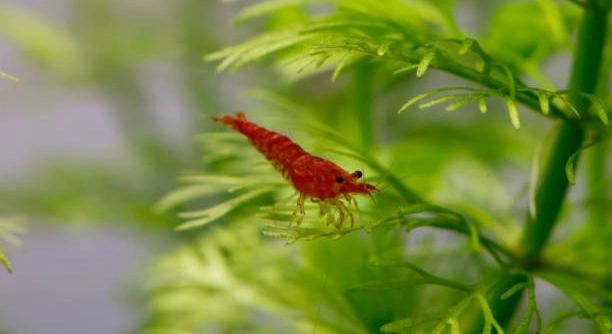
Do you ever notice your cherry shrimp quietly moving around their tank and wonder about their little routines? These tiny creatures have favorite spots, and watching them can be both calming and fascinating for any aquarium owner.
Cherry shrimp do tend to use the same hideouts repeatedly, especially if the location offers safety, food access, and comfort. Consistent hiding spots reduce stress and help them establish a familiar environment within the aquarium.
Observing their patterns can help you create a more comfortable and secure habitat for your shrimp, enhancing their overall well-being and activity.
Why Cherry Shrimp Choose Certain Hideouts
Cherry shrimp often return to the same spots because these areas feel safe and offer easy access to food. Moss, plants, and small crevices give them shelter from larger tankmates or sudden movements outside the aquarium. Over time, shrimp learn which hideouts are reliable and comfortable. I noticed in my tank that some shrimp always retreat under the same plant leaves during the day. These locations are usually near surfaces with algae or leftover food, which makes feeding easier without leaving their shelter. The texture of the hideout also matters; rough surfaces allow them to cling and feel secure, while smooth spaces are less appealing. Repetition in hiding behavior also helps reduce stress and encourages natural activity. Watching them stick to familiar areas can be calming. By observing these preferences, you can improve tank layout and offer spots that make shrimp feel protected while still allowing them to forage efficiently.
This behavior shows how instinct and comfort guide shrimp to repeat certain hiding spots.
Repeated hideout use can also impact how they interact with the rest of the tank. Shrimp that feel secure in their spots are more likely to explore slowly and feed effectively. Providing multiple safe areas encourages healthy movement and reduces competition, keeping stress levels low. Noticing which hideouts are preferred helps in planning tank decorations, ensuring everyone has room. Shrimp often return to the same location even after disturbances, proving the importance of familiar shelters.
Creating the Ideal Hiding Spots
Providing proper hideouts increases shrimp confidence and activity in the tank.
Ideal spots are small, safe, and near food sources. Plants, moss, and small caves allow shrimp to hide without feeling trapped. Overhanging leaves or low-light areas are also popular because they feel secure there. Multiple locations reduce conflict and let more shrimp feel comfortable simultaneously. Choosing materials that are non-toxic and easy to clean ensures their environment stays healthy. Regularly observing shrimp behavior can reveal which spots are most used, helping refine tank design. Hideouts don’t have to be complex; even simple moss balls or small ceramic tubes work well.
When setting up hideouts, balance is key. Too few spaces can create stress and aggressive behavior, while too many may scatter shrimp, making it harder to monitor activity or feeding. Place a mix of high and low areas to suit different shrimp personalities and sizes. Observing movement patterns over several days helps determine which spots are most comfortable. A thoughtful arrangement promotes natural behaviors, feeding, and overall health. Simple additions like moss mats or hollow decorations can make a noticeable difference. Ensuring that hideouts are spread throughout the tank encourages exploration without sacrificing security. By catering to their instinct to seek repeated shelters, you create an environment where shrimp thrive naturally and stress is minimized.
How Tank Layout Affects Hiding Patterns
Tank layout directly influences where shrimp feel safe. Open spaces with little cover make them hesitant to move, while areas with plants, rocks, and moss provide secure spots. I noticed that rearranging decorations changed which hideouts were favored.
The position of plants and decorations can create natural paths and preferred hideouts. Cherry shrimp tend to select spots near food sources or gentle currents, avoiding strong water flow. Dense moss patches or crevices become repeat shelters, while exposed areas see little activity. Observing my shrimp, I realized that even small shifts in layout changed their routines. Adding more vertical spaces or layering plants increased their activity and reduced stress, allowing them to forage confidently while feeling protected.
Lighting also plays a role in hideout use. Brighter areas make shrimp more cautious, often retreating to shaded spots under leaves or behind decorations. I adjusted light intensity slightly and noticed they became more comfortable exploring during feeding times. The combination of cover, accessible food, and gentle lighting encourages repeated use of certain hideouts and helps maintain a stable, low-stress environment in the tank.
Materials That Encourage Repeat Hiding
Natural textures tend to attract shrimp more than smooth, artificial surfaces. Rough surfaces allow them to cling and feel secure, increasing repeated use of those hideouts.
Wood, moss, and stones provide tactile feedback and small nooks for shrimp to rest. I found that ceramic tubes or hollow decorations also became favorite spots when placed near food sources or shaded areas. Shrimp repeatedly return to these materials because they feel safer and allow them to graze or molt without disturbance. Hiding spots made from soft moss or textured plants seem especially popular, giving both shelter and feeding opportunities. The combination of texture, safety, and accessibility encourages consistent use over time, making these materials key in tank design.
In my tank, I arranged moss-covered stones and small driftwood to create multiple options for hiding. Shrimp often rotate among these spots but show a clear preference for those that combine secure surfaces, cover, and proximity to feeding areas. Even minor changes, like adding a small rock or repositioning moss, shifted their patterns noticeably. Observing which materials are repeatedly chosen can guide future tank adjustments, ensuring that each shrimp has access to safe, comfortable hideouts that meet their instinctive needs. The right materials help maintain calm behavior and consistent activity throughout the day.
Shrimp Behavior Around Hideouts
Shrimp often return to the same hideouts after exploring. Familiar spots make them feel safe, especially during molting or when the tank is busy with activity. I noticed my shrimp rarely strayed far from their preferred shelters during the day.
They also use hideouts to monitor their surroundings. Staying partially hidden allows them to watch for potential threats while remaining protected. This cautious behavior explains why certain spots see repeated visits and consistent use over time.
Molting and Hideout Use
During molting, shrimp are most vulnerable and rely heavily on secure hideouts. I observed that they choose the same protected spaces repeatedly, reducing stress and risk of injury. Safe hideouts near food allow them to recover comfortably while still accessing nutrition without leaving shelter.
Group Dynamics
Shrimp sometimes share hideouts but often have preferred personal spaces. Observing my tank, I noticed some hideouts are claimed more frequently by certain individuals, indicating mild territorial behavior.
FAQ
Why do cherry shrimp keep returning to the same hideouts?
Cherry shrimp return to familiar hideouts because these areas provide safety, comfort, and access to food. I noticed in my own tank that shrimp are calmer and more active when they can rely on trusted spots. Repetition in hiding behavior reduces stress and supports natural routines, especially during molting or when the tank is busy. Familiar spaces also help them navigate confidently, allowing them to forage without feeling exposed.
Do all cherry shrimp prefer the same type of hideouts?
Not every shrimp has the same preference. Some favor moss-covered stones, while others prefer hollow ceramic tubes or dense plant clusters. I observed that individual personalities influence which hideouts are repeatedly used. Factors like size, age, and confidence affect their choices. Providing a variety of textures and shelters ensures that all shrimp feel comfortable and safe.
How important is lighting for hideout use?
Lighting affects where shrimp feel secure. Brighter areas can make them hesitant, while shaded or dim spots encourage repeated visits. I adjusted my tank lighting slightly and noticed shrimp explored more while still retreating to shaded hideouts when needed. A balance of light and shade helps shrimp feel confident moving between shelter and feeding areas.
Can hiding patterns change over time?
Yes, hiding patterns evolve with tank changes or shrimp growth. I moved a few plants, and certain hideouts suddenly became more popular. Molting cycles, breeding, or shifts in water flow also influence repeated hideout use. Observing these changes helps in adjusting the tank layout to maintain comfort and minimize stress.
Do cherry shrimp share hideouts with others?
Shrimp sometimes share hideouts but often stick to preferred personal spaces. In my tank, some hideouts were dominated by a single shrimp, while others were shared by multiple individuals. Overcrowding a favorite spot can lead to brief skirmishes or one shrimp retreating. Providing multiple hiding spots ensures everyone has access to safe areas without conflict.
How many hideouts should I provide?
Multiple hideouts reduce stress and encourage natural behavior. I made sure to include several moss patches, stones, and small tubes. This setup allows shy shrimp to feel safe while bolder ones explore. Having too few spots can create stress, while too many may spread shrimp thinly, making it harder to monitor activity and feeding. A balanced number works best.
Do hideouts affect feeding habits?
Hideouts near food sources encourage safe foraging. I noticed my shrimp often grazed close to their favorite shelters, reducing exposure to open areas. This setup helps maintain energy and reduces stress during meals. Shrimp that feel secure are more likely to feed consistently and remain healthy, showing the importance of combining safety with accessibility.
Should hideouts be cleaned regularly?
Yes, keeping hideouts clean prevents algae buildup and debris that could affect shrimp health. I gently rinsed moss and scrubbed ceramic tubes without using harsh chemicals. Clean hideouts maintain safety and comfort while supporting consistent use. Neglecting this can make previously preferred spots less attractive, disrupting their hiding patterns.
Do shrimp use hideouts differently during the day and night?
Shrimp behavior varies with the light cycle. During the day, they stay close to shaded hideouts or partially hidden areas. At night, they explore more but still return to trusted spots for rest. In my experience, having secure hideouts that are easily accessible at any time encourages consistent behavior and reduces stress throughout the day and night.
Can adding new hideouts disrupt existing patterns?
Introducing new hideouts may change shrimp routines temporarily. Some shrimp might investigate and adopt new spots, while others continue using familiar locations. I added a small moss ball, and a few shrimp immediately claimed it, while others stayed in their usual shelters. Gradual additions help shrimp adjust without causing significant stress or disorientation.
Do molting shrimp always choose the same hideout?
Molting shrimp tend to return to their most trusted hideouts. I observed that during molting, even the shyest shrimp selected a spot they used repeatedly. This ensures protection from potential threats and allows them to recover safely. Hideouts near food also support post-molt nutrition without exposing them to unnecessary risk.
Are some materials better than others for repeated use?
Yes, textures and surfaces matter. Rough stones, driftwood, and moss encourage cling and exploration, while smooth plastics or glass are less appealing. I noticed my shrimp consistently returned to moss-covered stones and textured ceramics. Using the right materials ensures repeated hideout use and supports natural behaviors, giving shrimp security and comfort in their environment.
Can stress affect hideout use?
Stress influences whether shrimp use their favorite hideouts consistently. Sudden movements, overcrowding, or water parameter changes can make them more cautious or cause them to hide excessively. In my tank, I found that stable conditions and predictable feeding reinforced repeated hideout use and reduced anxiety. Proper environment maintenance is key to supporting natural hiding behavior.
Do younger shrimp use hideouts differently than adults?
Younger shrimp often rely more on dense, protective hideouts, while adults may explore more but still return to familiar spots. In my experience, juvenile shrimp preferred thick moss or small crevices, using these areas repeatedly to avoid larger tankmates and reduce stress. Adults maintain their patterns but are slightly bolder in venturing out for food.
How does water flow affect hideout preference?
Water flow impacts which spots are chosen repeatedly. Strong currents push shrimp toward calmer, sheltered areas. I noticed that moving decorations to break currents encouraged shrimp to use multiple hideouts safely. Locations with gentle flow or still pockets became favorite recurring shelters, showing how tank physics interact with instinctive behavior.
Are repeated hideouts linked to shrimp hierarchy?
Some degree of informal hierarchy exists. Dominant shrimp often occupy preferred hideouts, while less confident individuals use secondary spots. I observed that established patterns rarely led to conflict if multiple options were available. Understanding these social dynamics helps in arranging hideouts to ensure all shrimp feel secure and can maintain natural behaviors.
Do hideouts influence shrimp health?
Safe, repeated hideouts support overall health by reducing stress, encouraging proper feeding, and providing secure molting areas. In my tank, shrimp with reliable shelters appeared more active, molted successfully, and had fewer injuries. Well-chosen hideouts contribute directly to the well-being and longevity of the shrimp population.
Can I track hideout use over time?
Yes, observing and noting shrimp behavior helps identify preferred spots. I kept a simple log to see which areas were most frequented. Tracking patterns can inform tank adjustments, improve habitat design, and ensure shrimp continue to use their shelters safely and consistently.
Is hideout repetition the same for all shrimp species?
Not exactly. While cherry shrimp often return to the same hideouts, other species may have different habits based on size, activity level, or temperament. In my experience, observing each species individually ensures their environment meets specific shelter needs and encourages repeated, safe use.
Do seasonal changes affect hideout use?
Changes in temperature or light duration can slightly alter hiding behavior. I noticed that longer daylight encouraged more daytime exploration, but favorite hideouts remained consistent. Seasonal adjustments in tank conditions should be gradual to maintain comfort and repeated use patterns.
How can I encourage shrimp to use new hideouts?
Placing new hideouts near food or shaded areas increases the likelihood of adoption. I added moss balls close to feeding zones, and shrimp gradually explored and repeated use. Gentle integration allows shrimp to feel secure while adjusting to additions, supporting repeated hideout use without stress.
Are repeated hideouts necessary for breeding shrimp?
Yes, consistent hideouts provide safe spaces for molting and egg development. In my tank, females repeatedly returned to the same protected areas during berried periods. Reliable hideouts reduce stress and improve reproductive success, highlighting the importance of offering stable, comfortable shelters for breeding shrimp.
Do shrimp ever completely abandon a favorite hideout?
Shrimp may abandon hideouts if conditions change, like water quality issues, overcrowding, or new dominant tankmates. In my experience, most abandonments were temporary until conditions stabilized. Observing behavior helps identify problems and adjust the tank to restore consistent, repeated hideout use.
Can hideout repetition be a sign of stress?
Not always. While excessive hiding can indicate stress, regular repeated use usually reflects comfort and security. I watched my shrimp use familiar hideouts daily, and they were active, feeding, and healthy. Understanding the difference between secure repetition and stress-driven hiding is key for proper tank management.
Does temperature affect hideout preferences?
Slight temperature shifts can influence where shrimp feel safe. Cooler areas may attract them during warm periods, while warmer spots may be preferred in cooler conditions. I adjusted my tank heater gradually and noticed shrimp maintained their favorite hideouts while occasionally exploring areas with optimal temperature.
Do shrimp need the same hideouts after relocating to a new tank?
When moving shrimp, familiar types of hideouts help them settle faster. I recreated similar moss-covered stones and shaded areas after transferring shrimp, and they quickly resumed repeated use. Providing trusted textures and cover reduces stress and encourages consistent hiding behavior in a new environment.
How often should I rearrange hideouts?
Frequent changes can disrupt repeated hiding patterns. I rearranged decorations occasionally to improve water flow or cleaning access but kept key hideouts consistent. Minor adjustments are fine, but large or constant changes may stress shrimp and reduce comfort with their preferred shelters.
Do repeated hideouts help prevent aggression?
Yes, multiple familiar spots reduce competition and aggression. I observed that shrimp with ample options were less likely to fight over territory. Providing distributed hideouts allows all individuals to feel secure, supporting calm social interactions and encouraging natural repeated use patterns.
Can I use artificial decorations for repeated hideouts?
Artificial items like ceramic tubes or plastic caves work if textured and safe. I added a few to my tank, and shrimp quickly returned to them repeatedly. They don’t need to be natural materials, but non-toxic, rough surfaces improve adoption and repeated use.
Do repeated hideouts affect shrimp activity levels?
Reliable shelters encourage exploration during feeding and play. I noticed shrimp were more active when they had familiar safe spots nearby, showing that repeated hideouts support both security and natural behaviors. Active shrimp also feed more efficiently and appear healthier.
How can I tell which hideouts are most used?
Observing shrimp over several days helps identify frequently visited spots. I watched which moss patches and tubes were repeatedly occupied and which were rarely touched. Tracking preferences allows tank optimization and ensures all shrimp have safe, appealing hideouts.
Does tank size influence repeated hideout use?
Smaller tanks concentrate shrimp activity, making favorite hideouts more obvious. Larger tanks require multiple shelters to achieve the same effect. I noticed in a 10-gallon tank that a few moss balls were enough, while my 20-gallon tank needed additional spots to encourage repeated, safe use across all shrimp.
Can repeated hideouts help with shy or new shrimp?
Yes, new or timid shrimp rely heavily on familiar hideouts. I introduced a few new shrimp and provided multiple secure shelters. They quickly began using the same spots repeatedly, showing that reliable hideouts ease adaptation and reduce stress in newcomers.
Do shrimp leave hideouts for food immediately or wait?
Shrimp often wait near the entrance of a hideout before moving toward food, balancing safety and nourishment. In my tank, they cautiously explored while keeping retreat options close. This pattern shows how repeated hideouts support feeding behavior and minimize exposure to perceived threats.
Can repeated hideout use indicate health issues?
Excessive hiding without activity may signal illness, while consistent repeated use with normal feeding usually indicates good health. I monitored shrimp behavior, and active shrimp consistently returning to the same hideouts showed they were healthy and secure. Observing patterns helps detect potential problems early.
Does repeated hideout use change with shrimp age?
Young shrimp tend to use denser, more secure hideouts, while adults explore more but still return to familiar spots. I noticed that as juveniles grew, they became bolder but maintained a few preferred shelters, showing that repeated hideout use adapts but remains an important aspect of behavior.
How do I balance exploration and repeated hideouts?
Providing multiple hideouts with pathways encourages exploration while maintaining security. I arranged moss patches and stones to create routes between shelters, allowing shrimp to forage and move freely without leaving safety behind. Balanced design supports natural behavior and repeated hideout use.
Do repeated hideouts improve molting success?
Reliable shelters reduce stress and risk during molting. I observed shrimp consistently using the same hideouts for molting, and they recovered smoothly without predation or injury. Safe, repeated hideouts support the physiological needs of shrimp, ensuring healthy growth and survival.
Can water parameters disrupt repeated hideout use?
Yes, poor water quality or sudden changes can make shrimp avoid favorite spots. I maintained stable pH, temperature, and cleanliness, and observed consistent repeated hideout use. Stability ensures shrimp feel safe and continue natural behaviors without interruption.
Do repeated hideouts affect shrimp breeding success?
Yes, secure and familiar shelters encourage females to remain calm and carry eggs safely. I noticed berried shrimp always returned to preferred hideouts, showing that repeated shelter use supports reproductive behavior and increases the likelihood of successful hatching.
Can adding new shrimp affect hideout patterns?
Introducing new shrimp may temporarily shift hiding behavior. Existing shrimp may defend favorite spots, while newcomers explore different areas. I added a few new individuals, and the group redistributed across multiple hideouts. Gradual introductions minimize stress and maintain repeated use patterns.
Do shrimp remember hideouts after a long absence?
Shrimp have strong spatial memory. Even after temporary disruptions, they often return to familiar hideouts. I temporarily moved decorations and later restored them, and shrimp quickly resumed repeated use, showing impressive familiarity with preferred shelters.
Can repeated hideout use indicate social bonds?
Yes, shrimp that repeatedly share or rotate hideouts often form subtle social connections. In my tank, certain pairs frequently used the same spots, suggesting comfort and reduced competition. These patterns help maintain harmony and encourage natural social behavior.
Does repeated hideout use vary between species colors?
Color morphs don’t significantly alter repeated hideout preferences. I observed red and lighter cherry shrimp using the same shelters repeatedly. Behavior is more influenced by individual temperament, size, and tank conditions than coloration.
Do repeated hideouts help shrimp cope with predators?
Reliable hideouts provide protection and reduce stress from predatory or aggressive tankmates. I noticed that shrimp immediately retreated to favorite shelters when larger fish swam nearby, illustrating the survival advantage of repeated use.
How long do shrimp typically use the same hideouts?
Shrimp often use preferred spots indefinitely if conditions remain stable. In my tank, some hideouts have been consistently used for months. Familiarity provides comfort, supports feeding, molting, and social behavior, and reduces stress.
Are repeated hideouts necessary in heavily planted tanks?
Even in planted tanks, repeated hideouts matter. Shrimp select specific areas repeatedly, such as moss clumps or dense root zones. I found that even abundant plants didn’t replace the need for preferred, secure spots that shrimp returned to day after day.
Can repeated hideouts prevent escape attempts?
Safe, familiar shelters reduce stress-driven climbing or escape attempts. I noticed that shrimp with secure hideouts rarely tried to climb tank edges or hide outside the tank. Consistent, reliable spots keep them calm and focused on normal activities.
Do repeated hideouts affect shrimp lifespan?
Indirectly, yes. Reduced stress, safe molting, and steady feeding from repeated hideout use contribute to overall health. In my tank, shrimp with reliable shelters showed fewer injuries and longer lifespans, highlighting the importance of repeated, secure hiding areas for long-term well-being.
How do I track repeated hideout use effectively?
Observing daily and taking notes over several weeks works best. I marked which hideouts were consistently used, which allowed me to adjust tank layout and ensure sufficient coverage for all shrimp. Tracking helps maintain optimal habitat and supports natural behaviors.
Do repeated hideouts influence shrimp mood or activity?
Yes, comfortable and familiar hideouts encourage exploration, feeding, and social interaction. I noticed my shrimp were more active and less skittish when trusted shelters were available. Repeated hideout use supports mental well-being, reduces stress, and promotes healthy, natural behavior patterns.
Can repeated hideouts help with shrimp acclimation?
New shrimp adapt faster when familiar types of hideouts are present. I provided multiple moss patches and tubes for newcomers, and they quickly began repeated use, settling in with minimal stress. Familiar shelters ease adaptation and encourage confident movement throughout the tank.
Do repeated hideouts influence shrimp hierarchy stability?
Yes, providing multiple preferred shelters reduces disputes and supports stable social hierarchy. I observed fewer skirmishes when all individuals had access to safe, repeated hideouts. This arrangement promotes calm interactions, allowing shrimp to establish routines without unnecessary conflict.
Are repeated hideouts important for stress reduction?
Absolutely. I noticed that shrimp consistently using familiar spots were calmer, molted successfully, and fed regularly. Reliable hideouts reduce exposure to threats and environmental changes, minimizing stress and improving overall health. Regular repeated use of shelters is a key factor in maintaining a peaceful tank environment.
Can repeated hideout use indicate tank health?
Indirectly, yes. Consistent hiding patterns suggest stable water parameters, adequate cover, and low stress levels. I noticed that when water conditions fluctuated, shrimp avoided favorite spots, signaling a need to check tank conditions. Observing repeated use provides insight into both shrimp behavior and tank stability.
Do repeated hideouts affect shrimp feeding hierarchy?
Yes, secure spots allow timid shrimp to feed safely near their hideouts, while bolder shrimp may explore further. I arranged multiple shelters near feeding zones, and all shrimp accessed food without conflict. Repeated hideout use ensures equitable feeding and reduces competition.
Are repeated hideouts essential for molting safety?
Yes, molting shrimp rely on familiar spots to reduce vulnerability. I observed that repeated use of secure hideouts prevented injuries and allowed smooth molts. Shelters that are repeatedly used provide reliable protection during critical molting periods.
Can repeated hideout use help with tank cleaning routines?
Yes, observing which spots shrimp prefer helps schedule cleaning without disturbing them. I gently cleaned less-used areas first, leaving favored hideouts untouched, maintaining repeated use patterns while keeping the tank healthy. Strategic cleaning supports shrimp comfort and consistency.
Do repeated hideouts encourage breeding behavior?
Yes, females repeatedly using secure spots during berried periods showed less stress and better care for eggs. I noticed that maintaining familiar hideouts contributed to successful reproduction, as shrimp relied on these spaces for safety and feeding while carrying eggs.
Can repeated hideouts reduce aggression among shrimp?
Yes, multiple safe, familiar spots allow shrimp to maintain personal space. In my tank, repeated hideout use minimized conflicts and allowed shy shrimp to coexist with bolder ones. Providing consistent shelters supports harmony and natural social behavior.
Do repeated hideouts require special placement?
Placing hideouts near feeding areas, gentle water flow, or shaded regions encourages use. I arranged moss, stones, and tubes with accessibility in mind, and shrimp consistently returned to these spots, showing
Final Thoughts
Cherry shrimp are small, delicate creatures, but they show clear preferences for certain areas in the tank. Watching them return to the same hideouts repeatedly reveals a lot about their needs and instincts. They are drawn to spots that provide safety, comfort, and access to food. These preferred areas allow them to feel secure while still being able to move around, feed, and interact with other shrimp. Over time, consistent use of these hideouts becomes a part of their daily routine. In my experience, even small adjustments to the tank layout or the placement of decorations can change which spots shrimp favor. Providing reliable shelters ensures that they have spaces they trust, which helps maintain a calm, low-stress environment. Repeated use of hideouts is not just a quirk—it is a sign that shrimp feel at home in their habitat. Observing these patterns gives a better understanding of their behavior and allows for small, meaningful improvements in tank design.
Materials and textures also play an important role in repeated hideout use. Cherry shrimp prefer surfaces they can cling to and explore comfortably, such as moss, driftwood, stones, or textured ceramic decorations. Smooth or slippery surfaces are less appealing, and shrimp may avoid them even if they are located in ideal areas. In my tank, I noticed that moss-covered stones and hollow tubes became favorite shelters that were visited again and again. The combination of texture, safety, and proximity to food encourages repeated visits, which is important for both stress reduction and natural behavior. Having a variety of hideouts also prevents overcrowding and allows each shrimp to feel secure. This variety is especially important during molting or for timid individuals, as it gives them a place to rest and recover. By paying attention to the materials used and how shrimp interact with them, it is possible to create an environment that encourages regular use of safe, comfortable hideouts.
Finally, repeated hideout use is closely tied to overall shrimp health and activity. Shrimp that have trusted shelters tend to be calmer, feed more consistently, and molt successfully. Secure hideouts also support social stability, reducing conflicts and allowing shy shrimp to coexist with more dominant individuals. Observing which spots are used most frequently can guide adjustments in tank design, helping ensure that all shrimp have access to safe, comfortable areas. Even small changes, like adding a moss ball or repositioning a stone, can influence behavior and make a noticeable difference in repeated hideout use. By understanding and supporting these habits, you create an aquarium environment that promotes natural behavior, reduces stress, and helps shrimp thrive. The repeated use of hideouts is more than a simple preference—it is a key part of their daily life and well-being, reflecting their instinctive need for security, comfort, and stability.

Hello,
If you enjoy the content that we create, please consider saying a "Thank You!" by leaving a tip.
Every little bit helps us continue crafting quality advice that supports the health, happiness, and well-being of pets around the world, for pets of all shapes, sizes, and species.
We really appreciate the kindness and support that you show us!