
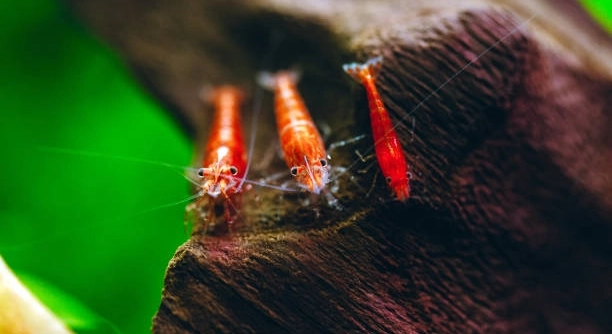
Cherry shrimp are small, bright freshwater creatures that add charm to aquariums. Many hobbyists enjoy observing their behavior, especially how they interact with their surroundings and respond to subtle changes in water.
Cherry shrimp are capable of sensing water flow through tiny hairs on their bodies called setae. These sensory structures allow them to detect currents, adjust their movements, and maintain position, ensuring safety and efficient foraging within their environment.
Learning how water movement affects these shrimp can improve tank setups and care routines. Their natural responses offer insight into maintaining a healthy, balanced aquatic habitat.
How Cherry Shrimp Sense Water Flow
Cherry shrimp have a natural ability to detect subtle changes in water movement. Their bodies are covered with tiny sensory hairs, called setae, which allow them to feel currents around them. These hairs help them navigate safely, avoid strong flows that could push them around, and locate areas rich in food. In a well-maintained aquarium, water flow is often gentle, yet even minor changes can be noticed by these small creatures. Observing them closely, you might see shrimp adjusting their position or holding onto plants and decorations when the current increases. This behavior is instinctive and essential for survival. Shrimp also use water flow to help distribute their scent and chemical signals, which plays a role in communication and mating. By understanding these natural reactions, caretakers can better design aquariums that support healthy, stress-free environments. This attention to flow creates a more stable setting for all aquatic life.
Their ability to sense water flow is crucial for avoiding hazards and finding food efficiently.
Water flow affects shrimp behavior more than many might realize. When currents are too strong, shrimp tend to stay near plants or decorations, using them as anchors. Gentle flow encourages movement, foraging, and interaction with the environment. Understanding the flow pattern in a tank helps prevent stress, as overly strong currents can exhaust or injure shrimp. Proper filtration and placement of decorations can create zones of calm and moderate flow. Shrimp also respond to sudden changes, quickly adjusting their position to maintain balance. Even minor turbulence influences how they feed and interact with other shrimp. By observing these patterns, aquarists can make practical adjustments to tank setups, improving shrimp health and longevity. Maintaining optimal water flow supports natural behaviors, reduces stress, and enhances feeding efficiency. Over time, shrimp become more active and display natural movements, creating a visually engaging and stable tank environment.
Signs That Shrimp Are Reacting to Flow
Shrimp often cling to surfaces or change direction when currents increase.
Noticing how cherry shrimp respond to water movement is essential for maintaining a balanced tank. If they cluster in sheltered areas, it may indicate strong flow in other regions. Adjusting filters, pumps, or decorations can help distribute water more evenly. Observing their reactions provides insight into environmental comfort and ensures they remain active, healthy, and stress-free.
Continuous observation of water flow effects on cherry shrimp reveals subtle patterns in behavior that might otherwise be missed. Over time, shrimp display consistent preferences for areas with moderate flow, using plants, rocks, or decorations to stabilize themselves when currents are stronger. This natural behavior is crucial for their health and helps prevent fatigue or injury. Aquarium setups that mimic gentle stream conditions allow shrimp to forage effectively, interact safely with tank mates, and maintain normal activity levels. Understanding these preferences enables caretakers to adjust water pumps and filtration systems, creating zones that balance movement and calm areas. Regular monitoring also helps identify changes in shrimp behavior that could signal water quality issues, stress, or illness. By aligning tank conditions with their natural responses, shrimp become more active, show brighter coloration, and engage in normal feeding and cleaning behaviors. Observing these patterns enhances overall tank management and supports a thriving aquatic environment.
Adjusting Tank Flow for Cherry Shrimp
Too strong a current can stress cherry shrimp, causing them to hide and eat less. Adjusting the flow ensures they can move freely without struggling, promoting healthier behavior and more natural activity.
Placement of filters and pumps affects water movement. Using sponge filters or redirecting output can create gentle currents. Plants, rocks, and decorations provide natural shelters and slow water in certain areas, giving shrimp safe spots to rest. Observing shrimp behavior over several days helps determine if adjustments are needed. When currents are balanced, shrimp explore more, forage actively, and interact normally. Maintaining stable flow reduces stress and encourages natural feeding and grooming patterns.
Even subtle changes in water flow can influence shrimp activity. Gradual adjustments help them acclimate without shock, while abrupt changes may cause hiding or lethargy. Monitoring water parameters alongside flow ensures shrimp remain healthy. Proper flow management supports molting, reproduction, and overall vitality. Consistent observation and gentle modifications allow shrimp to thrive while keeping the aquarium visually balanced and stable for all inhabitants.
Tools and Techniques to Measure Flow
Simple tools like flow meters help track water movement accurately. Visual observation of shrimp behavior can also indicate if currents are appropriate.
Flow meters provide measurable data, helping adjust pumps and filters to suit cherry shrimp. Additionally, placing lightweight objects or leaves in the water can show how currents move, revealing faster or stagnant zones. Sponge filters, spray bars, and adjustable pump heads allow fine-tuning, creating a more even flow across the tank. Watching shrimp reactions, such as clinging or drifting, offers practical feedback on flow strength. Combining tools and observation ensures shrimp experience a comfortable environment.
Adjusting water flow is a careful balance. Too strong a current stresses shrimp, while too little may reduce oxygen circulation. Fine-tuning equipment and arranging decorations strategically helps manage currents effectively. Regular monitoring ensures shrimp stay active, healthy, and display natural behaviors, enhancing overall tank stability. Using multiple techniques together provides a clear understanding of water dynamics, allowing caretakers to maintain optimal conditions. Over time, shrimp adapt to moderate currents, improving foraging efficiency, molting, and social interactions. By taking small, deliberate steps, aquarists can create a thriving habitat where cherry shrimp feel secure and exhibit vibrant, natural activity.
Observing Shrimp Movement
Shrimp often use plants and decorations to steady themselves when currents increase. Their reactions indicate how comfortable they are with the water flow.
Frequent drifting or clinging may signal that currents are too strong. Adjusting flow and monitoring behavior helps maintain a stress-free environment for cherry shrimp.
Impact of Flow on Feeding
Water movement directly affects how cherry shrimp forage. Strong currents can wash away food, making it harder for them to feed efficiently. Moderate flow ensures food remains accessible and evenly distributed, encouraging shrimp to explore and eat naturally. Observing feeding habits alongside flow adjustments improves both shrimp health and tank cleanliness. Proper water circulation also helps distribute nutrients, preventing localized waste buildup. Shrimp benefit from areas with gentle currents where they can graze comfortably, while slightly stronger zones can stimulate activity without causing fatigue. Maintaining a balanced flow supports consistent feeding behavior and overall well-being.
Flow Adjustment Tips
Positioning filters strategically reduces strong currents in active shrimp zones.
Using decorations and plants can slow water flow, creating calm areas. Adjust pump strength gradually to match shrimp tolerance, ensuring a stable, comfortable habitat.
FAQ
Do cherry shrimp prefer strong or gentle water flow?
Cherry shrimp thrive in gentle water flow. Strong currents can tire them out, making it difficult to forage or maintain position. Gentle flow allows them to move freely, feed naturally, and interact safely with their environment. Areas with mild currents also help distribute nutrients evenly, improving overall tank health.
How can I tell if my shrimp are stressed by water flow?
Shrimp that cling excessively to plants or decorations, hide frequently, or seem lethargic are likely stressed by water movement. Watching their patterns over time helps identify problem areas. Sudden changes in behavior after adjusting pumps or filters are also a clear sign that flow needs moderation.
Can cherry shrimp survive in tanks with strong currents?
Survival is possible, but shrimp may avoid feeding areas and become more prone to injury. Constant stress from strong currents can affect growth, molting, and reproduction. To ensure healthy activity and longevity, providing calm zones or slowing flow near feeding areas is strongly recommended.
What tools help measure and adjust water flow?
Flow meters give accurate readings of water movement, but simple observation can also be effective. Placing lightweight leaves or objects in the water reveals current strength and direction. Adjustable pumps, spray bars, and sponge filters allow precise control, ensuring flow is suitable for shrimp activity and well-being.
How does water flow affect feeding habits?
Food in strong currents can be swept away, making it harder for shrimp to reach it. Moderate flow keeps food accessible, encourages exploration, and allows shrimp to feed naturally. Observing feeding patterns in relation to water movement helps maintain a balanced environment and supports consistent nutrition.
Do all shrimp react the same way to water currents?
No, individual shrimp may respond differently based on size, age, or health. Younger shrimp are often more sensitive to strong currents, while adults may tolerate slightly stronger flow. Observing a variety of shrimp ensures tank adjustments cater to all individuals, promoting overall harmony.
Can decorations help manage water flow?
Yes, plants, rocks, and driftwood slow currents in specific areas. Creating calm zones gives shrimp safe spaces to rest, forage, and molt. Thoughtful placement of decorations ensures both movement and shelter, providing a more natural and comfortable habitat for shrimp.
How often should water flow be monitored?
Regular observation is important, especially after adjusting pumps or filters. Weekly checks ensure that shrimp remain comfortable, feeding is efficient, and currents haven’t become too strong due to equipment changes or debris buildup. Consistent monitoring prevents stress and supports healthy behavior.
Do shrimp use water flow for communication?
Indirectly, yes. Gentle currents help distribute chemical signals in the water, which can assist in mating or social interactions. Properly managed flow allows these natural behaviors to occur without the risk of washing away food or causing stress.
Is it necessary to adjust flow when adding new shrimp?
Yes, introducing new shrimp can temporarily alter behavior. New shrimp may be more sensitive to currents, so creating gentle zones and observing reactions helps them acclimate. Gradually adjusting flow as they settle ensures a smooth transition and reduces stress for the entire tank.
Can water flow affect molting?
Strong currents can make molting difficult or dangerous. Shrimp need calm areas to shed their exoskeleton safely. Providing gentle flow zones ensures successful molting, supports growth, and reduces the risk of injury during this vulnerable stage.
Are there signs of overadjusted flow?
Shrimp hiding constantly, failing to feed, or drifting uncontrollably indicates that water movement is too strong. Conversely, stagnant areas may lead to reduced oxygenation or waste buildup. Finding the right balance requires observing behavior and making gradual adjustments for optimal conditions.
Does flow affect breeding behavior?
Yes, moderate currents encourage natural exploration and mating activity. Areas with calm water allow shrimp to pair and deposit eggs safely, while excessive flow may interfere with these behaviors. Maintaining consistent, gentle water movement supports healthy reproduction and reduces stress-related issues.
How do shrimp respond to sudden changes in flow?
Abrupt increases often cause them to cling tightly to surfaces or hide. Sudden decreases may make them explore more cautiously. Gradual adjustments help shrimp acclimate without stress, supporting normal activity, feeding, and social interactions in the tank.
Can aquarium plants help regulate flow for shrimp?
Absolutely. Plants act as natural barriers, slowing currents and creating calm zones. They provide shelter, resting areas, and feeding spaces. Strategically placing plants ensures water movement is balanced, giving shrimp both active areas and protected spaces to thrive.
Is it important to consider flow in planted tanks differently?
Yes, planted tanks naturally alter currents. Dense plants slow water, creating pockets of calm, while open areas may have stronger flow. Observing how shrimp navigate these zones allows caretakers to make targeted adjustments, ensuring all shrimp remain comfortable and active.
How does tank size influence water flow for shrimp?
Smaller tanks may have more uniform currents, while larger tanks can create pockets of fast or slow flow. Adjusting pump strength and placing obstacles helps maintain gentle movement throughout, ensuring shrimp can access all areas without stress.
What’s the best way to introduce new flow patterns?
Gradual adjustments work best. Slightly increasing or redirecting currents over days allows shrimp to acclimate without stress. Sudden changes can lead to hiding, reduced feeding, or erratic swimming, so careful observation is key.
Can water flow affect shrimp coloration?
Indirectly, yes. Stress from overly strong currents may dull colors. Comfortable, balanced flow reduces stress and promotes natural behavior, which can enhance vibrancy and overall health.
How do I maintain long-term flow stability?
Regular equipment checks, periodic observation, and cleaning filters help keep water movement consistent. Adjusting for seasonal temperature changes or adding new decorations ensures that shrimp continue to thrive in a stable environment with suitable currents.
This FAQ section provides practical guidance for ensuring cherry shrimp remain healthy, active, and comfortable while maintaining appropriate water flow in an aquarium. Observing behavior, making gradual adjustments, and using simple tools together create a stable and thriving habitat.
Cherry shrimp are small but highly sensitive creatures that rely on their environment to feel safe and thrive. One of the most important aspects of their habitat is water flow. While it might seem like a minor detail, the movement of water affects almost every part of a shrimp’s life. Gentle currents allow them to move freely, find food, and interact naturally with their surroundings. Strong or uneven flow, on the other hand, can cause stress, hide shrimp in decorations, and make it harder for them to eat. By observing how your shrimp respond to water currents, you can make simple adjustments to filters, pumps, and decorations that improve their quality of life. Even small changes can create noticeable differences in behavior, feeding habits, and overall activity levels.
Properly managing water flow also supports essential behaviors such as molting, foraging, and reproduction. When shrimp have calm areas to rest and explore, they are less likely to become stressed or injured. Plants, rocks, and driftwood can help create these calm zones while still allowing for moderate circulation throughout the tank. Gradual adjustments to pumps and filters, rather than sudden changes, give shrimp time to adapt comfortably. Observing their reactions over time ensures that flow is neither too strong nor too stagnant. This approach supports their natural instincts and helps maintain a balanced, stable environment. With careful attention, shrimp can enjoy a habitat that encourages healthy growth, vibrant colors, and natural social interactions.
Water flow is just one part of keeping cherry shrimp healthy, but it plays a critical role in their daily life. A tank that accounts for gentle currents, safe resting spots, and consistent observation allows shrimp to behave as they would in nature. Paying attention to their behavior, from feeding patterns to movement around decorations, provides valuable insight into whether the flow is appropriate. When shrimp are comfortable, they are more active, feed efficiently, and display normal behaviors that are rewarding to watch. Ensuring proper water movement is not complicated, but it does require regular monitoring and small, thoughtful adjustments. Ultimately, maintaining balanced flow creates a healthier, happier environment for cherry shrimp, making it easier for caretakers to enjoy the vibrant and lively atmosphere these tiny creatures bring to an aquarium.

Hello,
If you enjoy the content that we create, please consider saying a "Thank You!" by leaving a tip.
Every little bit helps us continue crafting quality advice that supports the health, happiness, and well-being of pets around the world, for pets of all shapes, sizes, and species.
We really appreciate the kindness and support that you show us!