
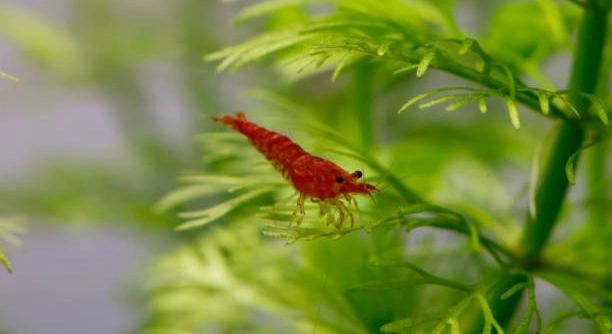
Do you ever notice your cherry shrimp moving in certain ways at the same time every day? Watching them quietly can reveal patterns in their behavior, showing how they interact with their environment and routines.
Cherry shrimp can respond to daily tank patterns through learned behaviors. Repeated environmental cues, such as feeding schedules, lighting changes, and water flow, allow shrimp to anticipate events, demonstrating a form of associative learning within their habitat.
Observing these patterns closely can improve tank management and shrimp care, providing insights into their natural habits and daily interactions.
Recognizing Daily Patterns in Your Tank
Spending time observing cherry shrimp reveals small but consistent behaviors tied to daily routines. They often move toward food at specific times, explore hiding spots when lights change, and interact differently with tankmates depending on water flow or temperature shifts. Noticing these behaviors can help you predict their needs more accurately. For instance, many shrimp become more active just before feeding, suggesting they are responding to learned cues rather than instinct alone. Even minor changes, like adjusting the placement of decorations or plants, can influence how they move and feed. By paying attention to these patterns, you can better design your tank layout and schedule maintenance tasks when shrimp are less active. Over time, these observations allow you to create a more stable, predictable environment that supports their natural behaviors and reduces stress, leading to healthier, more active shrimp. Consistency in daily care reinforces their ability to anticipate events.
Observing shrimp routines also makes it easier to detect changes in behavior that might indicate health issues. Small shifts can signal stress or illness early.
Regular observation of shrimp shows how they adapt to environmental patterns. Tracking light cycles, feeding times, and interactions helps maintain a calm tank. By keeping a consistent schedule and minimizing sudden changes, shrimp can learn and thrive. Adjustments in tank structure, plant placement, or filtration can be tested to see how shrimp respond, helping refine your setup for their comfort. Over time, you may notice shrimp anticipating feeding or moving differently during certain times, showing they are learning and remembering daily cues. These insights can guide both new and experienced keepers in creating an environment that balances stimulation and security, encouraging healthy activity without unnecessary stress. Observing patterns also enhances the care experience, making tank maintenance more predictable and rewarding. Understanding these behaviors supports long-term health and well-being, reinforcing the importance of routine in aquatic care.
How Environmental Cues Affect Learning
Cherry shrimp respond quickly to consistent stimuli in their tank environment. Lighting, feeding, and water flow all act as cues for predictable behavior.
These environmental cues provide a framework for shrimp to learn. Consistent feeding times, for example, allow shrimp to anticipate food, demonstrating memory and association. Lighting transitions signal day and night, affecting activity levels. Water currents guide movement, showing shrimp adjust to predictable changes. By carefully observing reactions to each cue, keepers can structure the tank to promote natural behaviors. Introducing small variations, like slightly changing feeding locations, helps gauge their adaptability and reinforces learning without causing stress. Properly timed cues can reduce aggression, support social interactions, and encourage exploration, enhancing overall tank dynamics. Monitoring and adjusting these cues ensures that shrimp develop routines that reflect both instinctive and learned responses, allowing them to thrive in a controlled yet enriching environment. Over time, these cues become part of the shrimp’s daily pattern, highlighting their capacity to respond and adapt.
Observing Feeding Responses
Cherry shrimp quickly learn when and where food appears in the tank. They move toward feeding spots consistently, showing recognition of routine cues and developing small habits around meal times.
Repeated feeding schedules allow shrimp to anticipate meals, demonstrating associative learning. They remember locations where food is usually placed and often gather there before feeding starts. This behavior indicates that shrimp are sensitive to timing and spatial cues, adjusting their activity levels accordingly. Noticing how they react to different feeding spots can help optimize placement for easy access and reduce competition. Feeding responses also highlight individual shrimp personalities, as some are bolder while others remain cautious, showing subtle differences in learning and adaptation.
Adjusting feeding patterns slightly can reinforce learning and reduce stress. Observing shrimp over time shows they adapt to predictable changes, improving overall tank harmony. By keeping meals consistent but varied in placement, shrimp remain active and engaged, demonstrating their ability to respond to environmental patterns effectively. This approach also ensures all shrimp get adequate nutrition while maintaining a calm and balanced habitat.
Impact of Light and Activity Cycles
Shrimp activity strongly correlates with light cycles. They are more active during low light periods and retreat to hiding spots during bright phases.
Lighting influences shrimp behavior by signaling day and night. Consistent transitions help them establish routines for movement, feeding, and resting. Sudden changes in light can stress shrimp, reducing activity and increasing hiding. Gradual changes, or dimming periods, support natural behavior and encourage exploration without fear. Observation shows shrimp anticipate light changes, moving to preferred areas before transitions.
By synchronizing light schedules with feeding times, shrimp activity can be optimized. Regular patterns allow shrimp to feel secure and learn tank routines. Adjusting light intensity or duration subtly can stimulate exploration and social interaction, enhancing environmental enrichment. Observing shrimp responses to lighting helps refine schedules, supporting natural behavior while minimizing stress. Maintaining consistent light cycles contributes to healthier shrimp and a more predictable, calm tank environment.
Social Interactions and Learning
Cherry shrimp often observe tankmates and adjust their behavior accordingly. They may follow bolder shrimp to food or hiding spots, showing a form of social learning.
Interactions also help shrimp learn safe areas in the tank. Shy shrimp gradually become more confident by mimicking others’ movements, highlighting adaptive behavior.
Recognizing Safe Zones
Shrimp quickly identify areas that feel secure. Plants, decorations, and shaded corners are preferred spots for resting or hiding.
Regular observation shows shrimp returning to these safe zones consistently. Over time, they anticipate where to go during feeding, cleaning, or light changes, demonstrating memory and learned patterns.
Tank Maintenance Impact
Shrimp respond to changes in tank conditions. Cleaning or rearranging decorations affects movement and hiding behavior, as they adjust to new layouts.
Regular, predictable maintenance helps shrimp adapt more easily. Sudden changes can cause stress, while gradual adjustments allow them to continue established routines without disruption.
How do cherry shrimp learn from daily tank patterns?
Cherry shrimp respond to repeated cues in their environment. Feeding schedules, light changes, and water flow create predictable events. Over time, shrimp begin to anticipate these events. They may move toward food before it is added or seek hiding spots as lights change. This shows associative learning, where shrimp link environmental cues with outcomes. Observing these patterns helps keepers understand how shrimp behave and adapt. Predictable routines reduce stress and support natural activity. Repetition is key—shrimp respond best when cues remain consistent. Changes should be gradual to avoid confusion. By paying attention to daily patterns, shrimp caretakers can create a stable, enriching environment.
Can shrimp remember feeding times?
Yes, cherry shrimp can anticipate feeding based on past experiences. They notice when food usually appears and adjust their activity levels accordingly. Shrimp often gather near feeding areas shortly before scheduled feedings. This behavior indicates memory and recognition of routine. It is helpful to maintain consistent feeding times to reinforce this learning. Gradually varying feeding location or method can encourage exploration and prevent food competition. Monitoring how shrimp respond helps ensure all individuals get access to food while maintaining a calm, predictable environment. Repetition over days or weeks strengthens their ability to anticipate meals reliably.
Do shrimp respond to light and dark cycles?
Cherry shrimp are sensitive to light levels, which influence activity patterns. They are usually more active in dim light and retreat during bright phases. Predictable light transitions allow shrimp to develop routines for feeding, resting, and exploration. Sudden changes can cause stress and hiding behavior. Gradual dimming or brightening supports natural adaptation. Combining light cycles with feeding schedules helps shrimp anticipate activities and respond effectively. Observing these responses gives insight into how shrimp interact with their environment and develop predictable behavior patterns. Consistency in light cycles supports both learning and well-being.
How do shrimp react to tank rearrangements?
Shrimp are cautious when decorations or plants are moved. They may hide or explore more slowly until familiar with the new layout. Gradual adjustments allow shrimp to adapt without significant stress. Predictable placement of plants, rocks, and hiding spots helps shrimp develop a sense of safe zones. Maintaining some consistency while introducing small changes supports learning and exploration. Observing how shrimp respond to modifications provides insight into their adaptability. Over time, shrimp recognize safe areas and adjust movement patterns to fit the updated environment.
Can shrimp observe and learn from other shrimp?
Yes, social observation plays a role in learning. Shy or inexperienced shrimp often follow bolder individuals to food or hiding spots. This behavior shows adaptive social learning, where shrimp benefit from observing tankmates. Over time, they gain confidence and knowledge of the tank layout. Encouraging gentle interactions without overcrowding allows shrimp to develop routines while minimizing stress. Monitoring these social behaviors helps understand individual personalities and learning tendencies. Using group observation can improve feeding strategies and tank organization, supporting both health and social stability.
How does water flow affect learning and activity?
Shrimp notice patterns in water movement and adjust behavior accordingly. Areas with stronger currents may be avoided during rest or feeding. Predictable flow allows shrimp to plan movement, hide, or forage effectively. Changes in current can trigger exploration or hiding behaviors, depending on shrimp familiarity with the environment. Gradual adjustments help shrimp learn and adapt without stress. Observing how shrimp respond to water flow informs decisions about filter placement and tank layout. Supporting predictable conditions improves routine learning and promotes consistent activity, helping shrimp thrive in their environment.
Are there signs that shrimp are stressed by disrupted routines?
Shrimp may show increased hiding, reduced feeding, or erratic swimming if routines are disrupted. Sudden changes in light, feeding, or decorations can trigger these responses. Monitoring behavior allows caretakers to identify stress early. Gradual adjustments and consistent schedules support adaptation and learning. Ensuring safe zones, predictable feeding, and stable environmental cues reduces stress. Observing shrimp closely helps maintain calm, healthy tanks and reinforces learned patterns effectively.
How long does it take for shrimp to adapt to new routines?
Adaptation varies but generally takes several days to a few weeks, depending on the individual shrimp and the type of routine. Consistency in feeding times, light cycles, and tank structure speeds learning. Gradual introductions of changes prevent confusion. Observing responses daily ensures shrimp are adjusting without stress. Patience and careful monitoring allow shrimp to form predictable habits and anticipate daily events. Reinforcing routines with small, consistent cues helps strengthen memory and learned behavior, ensuring shrimp remain active and confident in their tank environment.
Can environmental enrichment improve learning in shrimp?
Yes, adding plants, hiding spots, and varied feeding locations encourages exploration and strengthens learning. Enrichment creates opportunities for shrimp to interact with predictable patterns in new ways. Rotating minor decorations or providing new food sources stimulates adaptation. Observing responses helps determine effective strategies. Enrichment enhances activity, supports memory, and reduces stress, allowing shrimp to develop reliable routines while thriving in a stable yet engaging environment.
Cherry shrimp are fascinating creatures that respond to the routines and cues in their tank environment. Observing their behavior over time shows how they adapt to repeated events, such as feeding, lighting changes, and water flow patterns. These predictable occurrences allow shrimp to anticipate what will happen next, demonstrating a form of learning that is both subtle and effective. Even small details, like the placement of a plant or the timing of a feeding, can influence how shrimp move, interact, and behave. Consistency in these daily routines creates a stable environment, which helps reduce stress and supports healthy activity levels. When shrimp feel secure and understand the patterns around them, they become more confident and active. This makes it easier to care for them and ensures that they can thrive in the tank. Paying attention to these behaviors provides valuable insight into their needs and how best to structure the environment to support them.
Maintaining a predictable schedule is key to helping shrimp learn and feel comfortable. Feeding at roughly the same time every day allows shrimp to anticipate meals and develop habits around food. Similarly, regular light cycles guide their activity patterns, signaling times for exploration, feeding, and rest. Water flow and tank layout also play a role in shaping behavior, as shrimp learn where it is safe to move and where they can retreat if they feel threatened. Even subtle changes in these factors can affect their routines, so gradual adjustments are important to avoid causing stress. Observing how shrimp react to different cues can help refine tank care practices, making the habitat more predictable and supportive of natural behavior. Over time, consistent routines and thoughtful environmental management allow shrimp to display learned behaviors confidently, enhancing both their health and your ability to care for them effectively.
Understanding how cherry shrimp learn from daily tank patterns also highlights the importance of careful observation and adaptation as a caretaker. By noting how they respond to feeding, lighting, water flow, and social interactions, you can make informed choices that benefit their overall well-being. Providing a stable environment with gradual changes, predictable cues, and opportunities for natural exploration allows shrimp to thrive while reinforcing learned behaviors. Even small adjustments, like adding new hiding spots or slightly varying feeding locations, can encourage activity and help them adapt to their surroundings. Observing and supporting these behaviors improves tank management and strengthens the connection between routine care and shrimp health. Over time, it becomes clear that cherry shrimp are responsive, adaptable creatures capable of learning from their environment, and thoughtful observation can make a meaningful difference in ensuring they live active, healthy lives.

Hello,
If you enjoy the content that we create, please consider saying a "Thank You!" by leaving a tip.
Every little bit helps us continue crafting quality advice that supports the health, happiness, and well-being of pets around the world, for pets of all shapes, sizes, and species.
We really appreciate the kindness and support that you show us!