
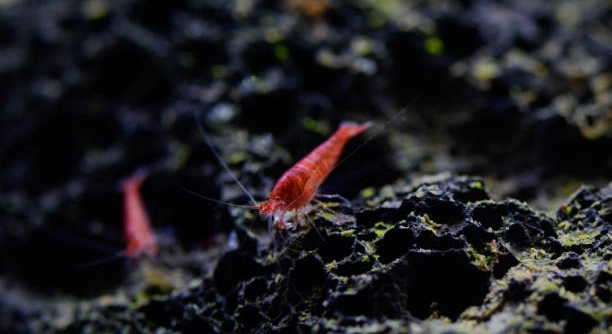
Cherry shrimp are small, colorful freshwater creatures that many aquarists love keeping. Watching their behaviors can be rewarding, especially when you notice subtle changes in their appearance or actions within the tank environment.
Cherry shrimp begin laying eggs when females develop a saddle, their abdomen becomes slightly swollen, and they exhibit calmer, more deliberate movements. Observing these physical and behavioral signs is crucial for timely breeding and proper care of the shrimp.
Recognizing these early signs helps you maintain a healthy shrimp tank and supports successful breeding efforts in your home aquarium.
Saddle Development
When a female cherry shrimp is ready to lay eggs, one of the first visible signs is the development of a saddle. This appears as a yellow or greenish patch behind her head, where the ovaries are located. The saddle becomes more noticeable as the eggs mature and the color deepens. Observing this can help you predict when the shrimp will start laying eggs. Not every female develops a saddle at the same pace, so monitoring them over several days is important. Factors like water quality, temperature, and nutrition can influence the visibility and timing of saddle development. Providing a balanced diet and stable conditions ensures females develop fully and remain healthy. A well-developed saddle is not only a sign of reproductive readiness but also indicates the shrimp is receiving adequate nutrients. It is a clear visual cue for anyone keeping cherry shrimp to anticipate egg-laying.
A visible saddle often signals eggs will appear within a week or two. Watching closely ensures proper care.
Saddle development is more than a cosmetic change. It reflects the shrimp’s internal reproductive cycle. Once the saddle is prominent, the female will gradually lay eggs under her tail, where they attach to the swimmerets. During this period, she may become less active and hide more often. Ensuring a calm tank environment and stable water parameters reduces stress, which can impact egg-laying. Feeding high-quality foods rich in protein and calcium supports both the female and her future eggs. Observing the saddle daily allows caretakers to prepare for the hatch, such as providing moss or fine-leaved plants for the young shrimp. Paying attention to these details increases survival rates and keeps the tank population healthy.
Tail Swelling
Tail swelling occurs as eggs move into position beneath the female’s abdomen. The area becomes slightly rounded and firm.
This swelling is directly connected to egg development and attachment. It indicates that the female is actively carrying fertilized eggs and preparing for the incubation phase. At this stage, she may remain in one area of the tank more often, moving carefully to avoid dislodging the eggs. A calm and stable environment is essential to prevent stress-related egg loss. Feeding small portions frequently ensures she receives enough nutrients without polluting the water. Monitoring tail swelling helps predict the exact timing of hatching, making it easier to provide suitable hiding spots for the young shrimp. Observing these subtle changes is part of responsible tank management. Recognizing this sign allows you to take practical steps to support the female and her developing eggs, promoting successful breeding outcomes and maintaining overall tank health.
Color Changes
Females often darken slightly as they prepare to lay eggs. This deepening of color signals reproductive readiness and is a normal part of their cycle.
The change in coloration happens gradually and can vary depending on the shrimp’s genetics and tank conditions. Some females show subtle differences, while others become noticeably darker. This visual cue coincides with other signs, like saddle development and tail swelling, giving a clearer picture of egg-laying timing. Paying attention to these changes can help you anticipate when the eggs will appear under her tail. Tank lighting, diet, and stress levels can also influence how vibrant or muted the color change is.
Color changes serve as both a reproductive indicator and a reflection of overall health. Females that maintain a healthy diet and stable environment often display more vivid coloration. Observing these patterns alongside tail swelling and saddle development allows for better preparation for the eggs. The female may spend more time hiding during this phase, which is normal behavior, as she protects the developing eggs. Providing fine-leaved plants or moss gives the eggs a safe place and reduces the risk of accidental damage.
Increased Hiding
Female cherry shrimp spend more time in sheltered areas when carrying eggs. Hiding reduces stress and protects the eggs from disturbance.
This behavior is instinctive. The female instinctively seeks secure spaces, often under moss, rocks, or decorations, to shield the eggs from movement and potential threats. Reduced activity is normal, as she prioritizes the safety of the developing eggs. Minimal disturbances from other tank inhabitants and careful handling during maintenance help maintain a stress-free environment. Observing this behavior in conjunction with tail swelling and color changes confirms that the shrimp is actively preparing for hatching. Providing additional hiding spots encourages calm behavior and reduces the risk of eggs being dropped.
Hiding also helps conserve energy for carrying the eggs. During this time, females move deliberately and feed less frequently but still require high-quality nutrition. Ensuring optimal water parameters, including stable temperature and clean water, supports both the female and her eggs. By creating a calm and safe environment, the female can complete the egg-laying process successfully, and the eggs have a higher chance of developing into healthy juveniles. Recognizing this hiding pattern is essential for any caretaker aiming to maximize survival rates and maintain a thriving tank population.
Clinging to Plants
Females often cling to plants or moss while carrying eggs. This position helps stabilize the eggs and keeps them safe from movement in the tank.
Clinging reduces the chance of eggs being dislodged. Females may remain in one spot for extended periods, using their legs to hold onto surfaces firmly.
Slow Movements
Carrying eggs makes females move more slowly and deliberately. Each movement is careful to avoid disturbing the eggs, reflecting a natural protective behavior during this critical stage.
Swimmeret Activity
Females frequently use their swimmerets to gently fan and clean the eggs. This keeps them aerated and prevents fungus or debris from affecting development.
Abdomen Arching
A slight arch in the female’s abdomen is noticeable while she carries eggs. This posture allows for better egg attachment and proper positioning under her tail.
How long does it take for cherry shrimp eggs to hatch?
Cherry shrimp eggs typically take about two to three weeks to hatch, depending on water temperature and quality. Warmer water speeds up development, while cooler water can slow it down. Consistent water parameters are important to ensure the eggs develop normally. Stress, poor nutrition, or sudden changes in water chemistry can cause delays or egg loss. Keeping the tank stable and feeding the female high-quality foods during this period increases the likelihood of healthy hatching. Observing the eggs closely allows you to estimate when tiny shrimp will begin to emerge, making it easier to prepare the tank for their needs.
Can I tell the difference between fertilized and unfertilized eggs?
Fertilized eggs are usually darker, often brownish or greenish, and develop visible eyes as they mature. Unfertilized eggs often remain pale or opaque and may eventually fall off the female or deteriorate. Fertilized eggs are attached firmly under the female’s tail, while unfertilized eggs can appear loose. Monitoring the eggs during the incubation period helps you identify which will likely hatch. Proper water conditions and a healthy male-to-female ratio improve fertilization rates, reducing the number of unfertilized eggs. Recognizing the difference allows you to maintain tank cleanliness and prevent mold or fungus from spreading.
Do female cherry shrimp lay eggs continuously?
Females can lay multiple batches of eggs throughout their adult life, often producing eggs every four to six weeks under ideal conditions. This depends on factors like temperature, diet, and overall health. Adequate hiding spots and clean water support repeated egg-laying, while stress or poor nutrition may delay cycles. Each batch contains fewer eggs than larger shrimp species, but steady care ensures a sustainable population. Tracking the timing of previous batches can help predict future egg-laying events. Providing a calm environment allows females to focus energy on reproductive health rather than coping with stress or environmental changes.
What is the best way to care for a female carrying eggs?
Keep water stable with proper temperature and filtration. Avoid disturbing the female, as stress may cause her to drop eggs. Feeding small portions of nutrient-rich food ensures she has energy without overloading the tank. Adding moss or fine-leaved plants gives eggs protection and surfaces to cling to. Monitor water parameters closely to prevent sudden changes, and maintain a calm tank environment. Gentle maintenance, like slow water changes and careful cleaning, supports the female’s health while minimizing risk to developing eggs. This care increases the chances of successful hatching and healthy juveniles.
How many eggs do cherry shrimp usually carry?
Females can carry between 20 and 40 eggs per batch, depending on their size, age, and health. Younger or smaller females may have fewer eggs, while larger, mature females often carry more. Proper diet and stable water conditions contribute to the number of eggs produced. Tracking the female’s health and egg batches helps anticipate tank population growth. Each egg requires careful attention during incubation, as tiny shifts in water quality or stress can affect survival. Observing egg count and development provides insight into breeding success and informs decisions for tank care and population management.
Can eggs survive if the female dies or drops them?
Eggs can survive for a short time if removed from the female carefully, but they are very delicate. Transferring them to a safe, well-aerated environment is necessary for survival. Eggs left unattended in a tank with active fish or shrimp are at risk of being eaten or developing fungus. Maintaining clean water and stable conditions increases the chances of survival. Observing eggs regularly allows you to act quickly if the female drops them. While not all eggs will survive outside the female, careful handling and protection can preserve a portion of the batch.
Do I need to separate males and females during egg-laying?
It is not strictly necessary, but separating aggressive or overly active males can reduce stress for the female. Stress may lead to dropped eggs or delayed hatching. Most males are harmless if the tank has sufficient hiding spots and plants. A balanced male-to-female ratio promotes successful fertilization while avoiding overcrowding. Observing interactions ensures the female remains safe and calm while carrying eggs. Providing adequate cover and maintaining gentle water flow helps reduce risks, creating a more secure environment for egg development and eventual hatching.
How can I tell when the eggs are about to hatch?
Eggs close to hatching usually darken and develop visible eyes, often moving slightly as the embryos grow. The female may become more active, cleaning the eggs with her swimmerets. Monitoring this behavior provides a clear sign that hatching is imminent. Preparing moss, fine-leaved plants, or shallow hiding areas ensures juveniles have immediate shelter. Maintaining stable water conditions and avoiding disturbances increases survival rates for newly hatched shrimp. Being attentive to these subtle changes helps you anticipate the hatching stage, making it easier to provide a safe environment for the tiny shrimp.
What do newly hatched shrimp need to thrive?
Newly hatched cherry shrimp need small hiding spaces and a safe environment. Fine-leaved plants, moss, or gentle substrate protect them from larger tank mates. Tiny amounts of high-quality food, like algae or powdered shrimp food, support their growth. Stable water parameters, including temperature, pH, and low ammonia, are essential. Avoid sudden changes in the tank and maintain calm conditions. Observing the juveniles closely helps track survival and growth. Proper care during these early days increases the chances of a healthy, thriving population, ensuring the eggs’ effort results in successful, robust shrimp.
Can stressed females affect egg development?
Stress in female shrimp can cause delayed egg-laying, dropped eggs, or even egg deterioration. Factors like sudden temperature changes, poor water quality, or aggressive tank mates increase stress. Providing a calm environment, stable water parameters, and proper nutrition helps prevent complications. Regular observation and gentle tank maintenance support reproductive health.
Is it normal for a female to carry eggs for too long?
Females may hold eggs slightly longer if water conditions are cooler or if stress occurs. While minor delays are normal, prolonged retention may indicate suboptimal tank conditions. Ensuring stable water parameters and minimizing disturbances promotes timely hatching and reduces risks of egg loss.
Can I remove eggs to breed separately?
Yes, eggs can be carefully removed for breeding in a separate tank. This requires gentle handling and a secure environment with proper water quality. Isolation reduces risk from predators or other shrimp. Careful monitoring ensures eggs remain aerated and clean for successful hatching.
Final Thoughts
Observing cherry shrimp in your tank can be a rewarding experience, especially when you notice subtle behaviors that indicate egg-laying. Female shrimp display small but clear signs, from the development of a saddle to tail swelling and darker coloration. Each of these signs tells you that the female is preparing to lay eggs and is investing energy in reproducing. Being able to recognize these changes allows you to provide the care and environment necessary for successful breeding. It also gives you a deeper understanding of how delicate these small creatures are and how much their well-being depends on stable, clean water and proper nutrition. Over time, paying attention to these details becomes second nature, and you begin to notice even minor differences in behavior or appearance that signal reproductive readiness.
Maintaining a calm and stable tank is key during this time. Females carrying eggs tend to move slowly and hide more often, and disturbing them can result in dropped or damaged eggs. Providing plenty of moss, fine-leaved plants, or other hiding spots helps them feel secure and reduces stress. Small, frequent feedings of high-quality food supply the nutrients needed to support both the female and the developing eggs. Monitoring water parameters, including temperature, pH, and ammonia levels, ensures the eggs remain in a safe and healthy environment. Even small fluctuations in water conditions can impact the female’s comfort and the survival of the eggs. Paying careful attention to these factors increases the likelihood of successful hatching and helps maintain a thriving tank population.
Understanding the early signs of egg-laying also allows you to plan for the care of the young shrimp once they hatch. Newly hatched shrimp are extremely tiny and vulnerable, requiring gentle water conditions, small hiding spaces, and appropriate food. Observing the female’s behavior, from clinging to plants to fanning the eggs with her swimmerets, prepares you to support the next stage of life in your tank. Each stage, from the first appearance of the saddle to the moment the eggs hatch, is an opportunity to learn more about these fascinating creatures. Taking the time to notice and respond to these signs helps ensure healthy shrimp, a balanced tank, and a more rewarding experience as a caretaker. Consistency, patience, and careful observation are the most effective tools for fostering a successful environment for cherry shrimp and their young.

Hello,
If you enjoy the content that we create, please consider saying a "Thank You!" by leaving a tip.
Every little bit helps us continue crafting quality advice that supports the health, happiness, and well-being of pets around the world, for pets of all shapes, sizes, and species.
We really appreciate the kindness and support that you show us!