
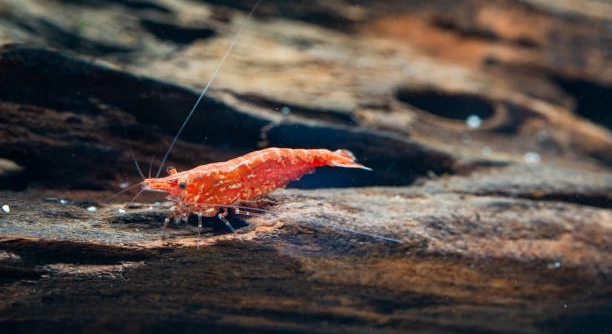
Cherry shrimp are small, colorful freshwater creatures often kept in home aquariums. Many hobbyists enjoy watching them interact, grow, and thrive in their tanks. Their calm nature makes them popular among both beginners and experienced keepers.
Cherry shrimp breed quite frequently under optimal conditions. Females can carry eggs every four to six weeks, depending on water temperature, diet, and tank environment. Regular feeding and stable water parameters encourage consistent reproduction.
Knowing the timing and conditions of their breeding can help you maintain a balanced and healthy shrimp population. This knowledge is useful for both new and seasoned aquarium enthusiasts.
Understanding Cherry Shrimp Reproduction
Cherry shrimp reproduce through a straightforward process that relies heavily on stable tank conditions. Females carry eggs under their abdomen for about 30 days, during which they require clean water and steady temperatures between 72 and 78°F. Males swim actively in search of females ready to mate, and they can detect females by pheromones released into the water. A well-planted tank with hiding spaces is ideal, as it provides safety for both adults and young shrimp. Good nutrition also plays a major role; a varied diet including algae, blanched vegetables, and commercial shrimp food ensures that females are healthy enough to produce viable eggs. Overcrowding or frequent water changes can stress shrimp, slowing down breeding or causing females to drop eggs. Maintaining stability in the tank is crucial, as even minor changes in pH or temperature can impact reproduction. Observing these details makes breeding predictable and manageable.
Breeding frequency depends on tank conditions and the overall health of the shrimp.
Keeping a stable tank environment encourages regular breeding, but overfeeding or fluctuating water parameters can create problems. Shrimp that are stressed or unhealthy may skip reproductive cycles entirely. Consistent monitoring and maintenance help avoid these issues.
Signs Your Cherry Shrimp Are Ready to Breed
Females ready to breed usually display a darker, more vivid coloration along their back and abdomen.
Male shrimp often become more active and swim around in search of females, signaling that breeding may occur soon.
Other signs include females holding their eggs under the abdomen in a translucent sac, often referred to as being “berried.” Eggs should be a bright yellow or green color, indicating they are viable. Observing shrimp behavior daily allows you to identify when breeding is likely and helps you make any necessary adjustments to the tank. Plants and moss provide ideal places for females to hide and feel secure during this time. Clear water and proper filtration prevent eggs from being damaged or lost. Even the smallest stress, like sudden changes in water temperature, can affect egg development. Maintaining a calm, consistent environment ensures that shrimp remain healthy and ready to reproduce, supporting a stable population in the tank.
Water Conditions for Breeding
Stable water conditions are critical for cherry shrimp reproduction. They thrive in pH between 6.5 and 7.5, temperature around 72–78°F, and low ammonia or nitrite levels. Consistency is more important than perfection, as frequent changes can stress them.
Maintaining water quality involves regular testing and partial water changes. Using a sponge filter prevents strong currents that could harm shrimp or dislodge eggs. Soft water with moderate mineral content supports molting and egg development. Avoid chemical treatments unless necessary, as many can harm shrimp. Monitoring temperature, pH, and hardness consistently ensures the environment remains suitable for frequent breeding and healthy growth of both adults and juveniles.
Plants, moss, and hiding spots contribute to water stability and overall shrimp health. These additions not only provide shelter but also encourage natural behavior and safer conditions for eggs. Observing shrimp regularly helps identify issues early, such as stress or molting problems, allowing timely intervention. Proper water care is a simple yet essential step in successful breeding.
Feeding and Nutrition
A balanced diet directly influences breeding frequency and egg viability.
Providing a mix of algae, blanched vegetables, and high-quality shrimp pellets ensures that shrimp receive necessary nutrients. Females with sufficient calcium and protein are more likely to carry healthy eggs. Feeding small amounts regularly prevents overfeeding and water quality issues.
Introducing biofilm, either from plants or commercially available supplements, supports growth of juvenile shrimp. Protein-rich foods during molting periods strengthen the exoskeleton and prepare females for egg production. Observing how shrimp consume food can indicate their health and readiness to breed. Avoid sudden changes in diet, as this can cause stress and reduce reproductive success. Consistency in feeding habits helps maintain a stable population.
Tank Setup and Space
Cherry shrimp need enough space to swim and hide. A minimum of 5 gallons is recommended for a small group, with plants and moss for cover. Overcrowding can stress shrimp and reduce breeding activity.
Open swimming areas combined with dense plant growth create a balanced environment. Hiding spots help females feel secure while carrying eggs, and juveniles find shelter from adults. A mix of open and covered areas encourages natural behavior and supports regular reproduction. Proper tank layout directly affects shrimp health and successful breeding cycles.
Molting and Growth
Molting is essential for shrimp growth and reproduction. Shrimp shed their exoskeleton regularly to grow, and females cannot carry eggs properly if molting is delayed or irregular. Providing minerals and stable water conditions ensures smooth molting cycles and healthy development.
Breeding Frequency Factors
Breeding frequency varies based on water temperature, diet, and stress levels. Warmer, stable water encourages faster reproduction, while poor nutrition or sudden environmental changes can slow breeding.
Monitoring these factors closely allows you to adjust tank conditions for more consistent reproduction. Small improvements in water quality, diet, and habitat can significantly increase the number of successful breeding cycles in your tank.
FAQ
How long does it take for cherry shrimp eggs to hatch?
Eggs usually hatch in about 2 to 3 weeks, depending on water temperature. Warmer water speeds up development, while cooler water can slow it down. It is important to maintain stable conditions during this period to ensure healthy hatching.
How can I tell if a female is carrying eggs?
A female carrying eggs, also called “berried,” will have a cluster of small, round eggs visible under her abdomen. The eggs may appear yellow, green, or brown depending on the stage of development. She will move carefully and hide more often than usual.
Do cherry shrimp breed all year round?
Under stable conditions, cherry shrimp can reproduce throughout the year. Consistent water quality, regular feeding, and proper tank setup encourage continuous breeding. Seasonal changes have little effect if the tank environment remains consistent.
How many eggs does a female usually carry?
A female typically carries between 20 and 30 eggs per batch, though this number can vary depending on her age, health, and diet. Younger females may carry fewer eggs, while older, well-fed females tend to carry more.
Can shrimp breed in small tanks?
Yes, shrimp can reproduce in small tanks of 5 gallons or more, but overcrowding should be avoided. Limited space can increase stress and reduce the number of viable eggs. Proper hiding spots and plants help improve breeding success.
What should I feed breeding shrimp?
Feeding a balanced diet including algae, blanched vegetables, and high-quality shrimp pellets supports reproduction. Supplementing with biofilm or mineral sources helps strengthen exoskeletons and ensures females produce healthy eggs. Avoid overfeeding to maintain water quality.
Do water changes affect breeding?
Regular, small water changes help maintain water quality and support breeding. Large or sudden changes can stress shrimp and disrupt egg development. Consistency in temperature, pH, and mineral content is key for successful reproduction.
How can I protect baby shrimp after hatching?
Adding dense plants, moss, and hiding spots helps juvenile shrimp survive. Avoid introducing aggressive tankmates that may eat them. Gentle filtration and calm water flow also reduce stress and increase survival rates.
Do males need special care for breeding?
Males do not require special care beyond a healthy diet and stable water conditions. Active, healthy males will seek females automatically, but poor water quality or stress can reduce mating activity.
Can I speed up breeding?
Breeding can be encouraged by maintaining optimal water parameters, a nutritious diet, and a stress-free environment. Slightly warmer water within the safe range can increase egg-laying frequency, but abrupt changes may harm shrimp.
How often should I check my breeding shrimp?
Daily observation helps identify berried females, molting issues, or stress. Monitoring behavior and egg development ensures you can adjust feeding, tank conditions, or hiding spots promptly, improving reproductive success.
What happens if eggs don’t hatch?
Unhatched eggs are often caused by poor water quality, stress, or insufficient nutrition. Removing unviable eggs prevents water contamination, and maintaining consistent conditions supports future successful batches.
Can shrimp breed with other shrimp types?
Cherry shrimp breed best with their own type. Crossbreeding with other shrimp species may produce hybrids, but these may have reduced survival or health issues. Keeping a single type ensures predictable reproduction.
Do adult shrimp eat baby shrimp?
Adults may occasionally eat very young shrimp, especially in crowded tanks. Providing plenty of hiding spots and plants reduces predation and increases juvenile survival. Careful tank management helps maintain a stable population.
How quickly do baby shrimp grow?
Baby shrimp grow gradually, molting multiple times before reaching maturity at about 4 to 6 months. Adequate food, stable water, and hiding spaces are essential for proper development and healthy adults.
Are there signs of reproductive problems?
Females failing to carry eggs, frequent egg loss, or slow molting may indicate water quality issues, poor nutrition, or stress. Addressing these factors can restore normal breeding behavior.
Do temperature fluctuations matter?
Yes, stable temperatures are crucial. Sudden drops or spikes can stress shrimp, reduce mating activity, and even kill eggs. Keeping water within the recommended range ensures consistent breeding and healthy shrimp development.
Can I increase the number of shrimp in my tank?
Yes, by maintaining proper water quality, feeding well, and ensuring enough hiding spaces, populations can grow steadily. Avoid overcrowding, which can lead to stress, disease, and reduced reproduction.
How can I tell if a shrimp is healthy for breeding?
Healthy shrimp are active, brightly colored, and regularly molt. Females with a full, round abdomen are more likely to carry viable eggs. Poor color, lethargy, or irregular molting may indicate stress or poor health affecting reproduction.
Is tank cleanliness important for breeding?
Absolutely. Clean tanks reduce stress, prevent disease, and support egg development. Gentle filtration, regular water testing, and avoiding chemicals harmful to shrimp are essential for maintaining a breeding-friendly environment.
What is the best way to introduce new shrimp?
Acclimate new shrimp slowly to avoid shock. Gradual adjustment to water parameters and careful monitoring reduces stress, ensuring they integrate smoothly and maintain healthy breeding patterns in the tank.
Do I need a separate tank for breeding?
A separate tank is not always necessary, but it can protect eggs and juveniles from predation. If using a main tank, ensure plenty of plants and moss to give young shrimp hiding spaces.
Can stress prevent breeding?
Yes, stress from overcrowding, poor water quality, sudden changes, or aggressive tankmates can halt reproduction. Reducing stress factors improves the likelihood of regular egg-laying and hatching.
How do I know when babies are independent?
Baby shrimp start feeding on biofilm and fine foods shortly after hatching. Once they are swimming actively and hiding in plants, they can survive independently without direct care from adults.
What should I do if eggs fall off?
If eggs detach, they usually cannot survive. Prevent this by maintaining stable water conditions, avoiding sudden disturbances, and providing females with safe, calm spaces to carry their eggs.
Can lighting affect breeding?
Lighting affects algae growth, which provides food for shrimp, indirectly supporting breeding. Avoid excessive lighting that stresses shrimp, and maintain a regular light schedule to promote natural behavior and health.
How long between breeding cycles?
Females can carry eggs every 4 to 6 weeks if conditions are ideal. Temperature, diet, and stress levels influence the timing. Healthy females in stable environments often follow predictable breeding intervals.
What are common mistakes in breeding cherry shrimp?
Common mistakes include overfeeding, poor water quality, overcrowding, sudden changes in temperature, and introducing aggressive tankmates. Addressing these issues prevents stress, supports molting, and ensures eggs develop successfully.
Do I need to remove uneaten food?
Yes, leftover food can pollute water and stress shrimp. Removing uneaten food promptly maintains water quality, prevents disease, and supports healthy breeding cycles.
Can I breed cherry shrimp in community tanks?
Yes, but avoid aggressive fish that may eat shrimp or eggs. Dense plants and hiding spots help shrimp reproduce safely, even in mixed-species tanks. Monitoring water quality and minimizing stress ensures successful breeding.
Is genetics important in breeding?
Yes, selectively breeding healthy, vibrant shrimp helps maintain strong populations. Avoid repeated inbreeding to reduce health problems and ensure consistent coloration and vitality across generations.
How do I prevent disease in breeding shrimp?
Maintain clean water, avoid overfeeding, and quarantine new shrimp. Healthy conditions reduce stress and the risk of disease, supporting successful reproduction and strong offspring.
Can breeding shrimp survive poor water conditions?
Poor water conditions stress shrimp and reduce egg viability. While adults may survive short-term issues, reproduction often stops, and juvenile survival declines. Stable, clean water is essential for consistent breeding success.
Are there signs eggs are unhealthy?
Unhealthy eggs may turn dark, cloudy, or shrivel. Healthy eggs are usually firm, round, and bright in color. Promptly removing unhealthy eggs prevents water contamination and supports the rest of the clutch.
Do all females carry eggs at the same time?
No, females have individual breeding cycles. Some may be berried while others are not. Providing optimal conditions ensures a steady production of eggs across the population.
Can water hardness affect breeding?
Yes, soft to moderately hard water supports molting and egg development. Extremely soft or hard water can slow reproduction or cause egg loss, so maintaining moderate hardness is ideal.
How can I increase juvenile survival?
Provide dense plants, moss, gentle filtration, and avoid aggressive tankmates. Stable water, proper feeding, and hiding spaces significantly improve the survival rate of newly hatched shrimp.
Do shrimp need special care during molting?
Yes, ensure water has enough minerals and stress is minimized. Molting is critical for growth and reproduction, and disturbances during this time can affect future egg production.
Can breeding shrimp tolerate tankmates?
Yes, but only peaceful species. Aggressive fish may eat eggs or juveniles, so careful selection of tankmates is necessary to maintain a safe environment for reproduction.
What is the typical lifespan of breeding cherry shrimp?
Cherry shrimp usually live 1.5 to 2 years. Healthy individuals can reproduce for most of their adult life if tank conditions remain stable and stress is minimized.
How do I track breeding cycles?
Observe berried females, molting patterns, and juvenile growth. Keeping notes on water parameters, feeding, and egg development helps predict future breeding cycles and maintain a stable population.
Are there ways to encourage more frequent breeding?
Yes, maintain stable water, a nutritious diet, sufficient hiding spots, and slightly warmer temperatures within safe limits. Avoid sudden changes and stress to promote regular egg-laying.
Do I need to remove adults from juveniles?
Not always. Adults may occasionally eat babies, but providing dense plants and hiding spots reduces predation. Careful tank management allows juveniles to survive alongside adults.
Can temperature swings cause egg loss?
Yes, sudden drops or spikes can cause females to drop eggs or halt development. Stable temperatures are crucial for healthy breeding and egg survival.
How often should I feed baby shrimp?
Feed small amounts daily. Baby shrimp primarily eat biofilm, fine algae, and powdered shrimp foods. Proper feeding ensures healthy growth and supports future reproduction.
Are there specific tank decorations that help breeding?
Live plants, moss, and hiding places create safe areas for females and juveniles. These additions reduce stress, improve water quality, and increase breeding success.
Can lighting schedules affect egg development?
Indirectly, yes. Regular light supports algae growth for feeding but avoid excessive or irregular lighting. Consistency helps maintain a calm environment and promotes reproductive activity.
Do females need extra care when berried?
Yes, provide stable water, hiding spaces, and minimal disturbances. Stress during this time can cause egg loss or impact hatching success.
Can shrimp breed in planted tanks only?
Yes, heavily planted tanks are ideal. Plants provide shelter, food sources, and surfaces for biofilm growth, all of which support successful breeding and juvenile survival.
How long should I wait between introducing new shrimp?
Allow at least a week to acclimate new shrimp. Gradual adjustment to water parameters minimizes stress and ensures successful integration into the breeding population.
Do shrimp prefer certain substrates for breeding?
Fine gravel or sand works well, especially when combined with plants or moss. A safe substrate allows eggs to develop without risk of being dislodged or damaged.
Can I increase breeding with supplements?
Mineral and calcium supplements can support molting and egg development. Use them carefully to avoid water imbalance, ensuring they help rather than harm reproduction.
Are there common mistakes with feeding breeding shrimp?
Overfeeding can pollute water and stress shrimp, while underfeeding reduces egg production. Balanced, consistent feeding promotes healthy adults and viable eggs.
How soon after hatching can juveniles reproduce?
Juveniles typically reach maturity around 4 to 6 months. Proper food, water stability, and hiding spots ensure healthy growth and prepare them for future breeding.
Can stress from handling affect breeding?
Yes, excessive handling can delay molting and reduce egg production. Minimizing disturbance helps maintain regular reproduction and healthy shrimp behavior.
Do shrimp need high oxygen levels to breed?
Moderate oxygen levels are sufficient. Gentle filtration and aeration support health and egg development without stressing shrimp with strong currents.
Can tank size limit breeding success?
Smaller tanks may limit population growth if overcrowded. Adequate space, plants, and hiding spots reduce stress and support consistent reproduction.
Do females breed more than once?
Yes, healthy females can carry multiple batches of eggs throughout their adult life if conditions remain optimal.
How can I prevent egg fungus?
Maintaining clean water, proper filtration, and stable parameters prevents fungal growth. Removing dead or unhatched eggs promptly also helps protect healthy eggs.
Do I need to adjust feeding for berried females?
Slightly increasing high-quality food supports egg development. Avoid overfeeding, as this can harm water quality and stress the shrimp.
Can stress from tankmates affect egg carrying?
Yes, aggressive or curious tankmates can disturb berried females, causing them to drop eggs. Providing plants and hiding spots reduces this risk.
How do I know when juveniles are independent?
Once they are swimming actively and feeding on biofilm or fine foods, juveniles can survive without adult care, typically a few days after hatching.
Can breeding shrimp tolerate slight pH fluctuations?
Minor fluctuations are usually tolerated, but large or sudden changes can stress shrimp, disrupt molting, and reduce egg viability. Stability is key for consistent breeding.
Do shrimp breed better in heavily planted tanks?
Yes, plants offer shelter, surfaces for biofilm, and hiding places for juveniles. A well-planted tank encourages natural behavior and supports frequent reproduction.
How do I manage population growth?
Regular observation, sufficient space, and careful feeding prevent overcrowding. Adjust tank conditions to balance population growth with water quality and shrimp health.
What are signs of overpopulation?
Increased competition for food, slower growth, stress behaviors, and frequent egg loss indicate overcrowding. Adding more tank space or removing some shrimp can restore balance.
Can breeding be affected by light intensity?
Excessive light can stress shrimp, while moderate, consistent lighting promotes algae growth and natural activity, supporting healthy reproduction.
Do shrimp need hiding spaces during molting?
Yes, hiding spots protect them from stress and accidental injury. Safe spaces improve molting success and future reproductive cycles.
Can sudden diet changes stop breeding?
Yes, abrupt changes can stress shrimp and reduce egg production. Gradual introduction of new foods supports health and reproduction.
Is it better to feed live or prepared foods?
A combination works best. Live foods and biofilm supplement nutrition, while high-quality pellets ensure consistent feeding and support egg production.
How often should I clean a breeding tank?
Regular, gentle maintenance prevents waste buildup without disturbing shrimp. Small water changes and careful substrate cleaning maintain a healthy breeding environment.
Do all eggs hatch successfully?
Not always. Some eggs may fail due to stress, poor water conditions, or inadequate nutrition. Removing unviable eggs prevents contamination and helps remaining eggs thrive.
Can I predict breeding cycles?
Observation of berried females, molting patterns, and environmental consistency allows rough predictions of breeding cycles. Maintaining stable conditions supports regular reproduction.
What is the ideal temperature for breeding?
72–78°F provides optimal conditions. Slightly warmer water can encourage faster breeding, but avoid sudden changes that could stress shrimp or damage eggs.
How do I prevent adult shrimp from eating eggs?
Provide dense plants, moss, and hiding spaces. Minimizing disturbance and maintaining adequate food also reduces the likelihood of adults preying on eggs.
Can water hardness affect molting and reproduction?
Yes, moderate hardness supports proper molting and egg development. Extremely soft or hard water may slow reproduction or cause egg loss.
Are there signs of healthy eggs?
Healthy eggs are firm, round, and brightly colored. They remain attached under the female’s abdomen and develop steadily until hatching.
Do stress and poor diet affect juvenile survival?
Yes, juveniles are more sensitive than adults. Stress, poor water quality, or insufficient nutrition can reduce survival rates and future reproduction.
How do I acclimate new shrimp for breeding?
Gradual adjustment to tank water parameters reduces stress. Slow acclimation supports health and increases the likelihood of successful integration into the breeding population.
Can breeding shrimp tolerate different tankmates?
Peaceful species are fine, but aggressive or predatory tankmates may eat eggs or juveniles. Careful selection maintains a safe breeding environment.
Do I need special equipment for breeding?
No specialized equipment is necessary beyond a reliable filter, stable heater, and water testing tools. Proper habitat, plants, and diet are more important for consistent breeding.
How long can berried females carry eggs?
Typically 2–3 weeks. Stable conditions, proper diet, and minimal stress ensure eggs develop fully before hatching.
Can I separate berried females?
It can help protect eggs from disturbance or predation. Ensure the separate area has plants, stable water, and hiding spots to reduce stress.
Does water flow affect breeding?
Strong currents can dislodge eggs or stress shrimp. Gentle flow supports filtration without disturbing adults or juveniles, promoting successful reproduction.
How soon after molting can a female breed?
Females are most receptive to mating shortly after molting. Providing minerals and stable water ensures a smooth molting cycle and readiness for reproduction.
Are there signs a male is ready to mate?
Males become more active, swim more, and follow females. Healthy, vibrant males in stable water are more likely to engage in frequent mating.
Can poor filtration impact breeding?
Yes, inadequate filtration can reduce water quality, increase stress, and harm eggs. Gentle, effective filtration maintains a clean, stable environment for reproduction.
Do I need to feed adults differently from juveniles?
Yes, adults need protein-rich foods to support egg production, while juveniles require fine foods or biofilm for proper growth. Balanced feeding ensures healthy populations.
Can seasonal changes affect breeding?
In a stable tank, seasonal changes have minimal effect. Maintaining consistent temperature, light, and water quality allows year-round reproduction.
How do I prevent mold on eggs?
Stable, clean water and proper aeration prevent fungal growth. Remove unviable eggs promptly to protect healthy ones.
What happens if water parameters fluctuate too often?
Frequent fluctuations cause stress, reduce egg viability, and can halt breeding. Consistency is more important than absolute perfection in parameters.
Can adding plants improve breeding success?
Yes, plants provide
Cherry shrimp are fascinating and rewarding creatures to keep in a home aquarium. Their small size, bright colors, and peaceful behavior make them a popular choice for many hobbyists. Understanding how often they breed and the conditions that support reproduction is important if you want a healthy, thriving population in your tank. Stable water conditions, a balanced diet, and a proper tank setup are the most critical factors in ensuring that shrimp breed regularly. By paying attention to these details, you can help maintain a steady flow of new shrimp while keeping adult shrimp healthy and active. Observing their natural behavior, such as swimming patterns, hiding habits, and molting cycles, also provides valuable insight into their overall well-being and readiness to reproduce.
Providing a suitable environment for cherry shrimp goes beyond just basic tank maintenance. Plants, moss, and hiding spaces are essential, as they allow females to carry eggs safely and juveniles to avoid being stressed or eaten. A consistent light schedule, moderate temperature, and gentle water flow all contribute to a calm environment where shrimp feel secure and can focus on breeding. Feeding a variety of foods, including algae, blanched vegetables, and high-quality shrimp pellets, ensures that shrimp receive proper nutrition for both growth and reproduction. Biofilm and mineral supplements can further support molting and egg development, improving the chances of successful hatching. Paying attention to these small but important details can make a noticeable difference in how often your shrimp breed and how many juveniles survive to adulthood.
Monitoring your tank regularly is key to long-term success. Checking water parameters, observing berried females, and maintaining proper feeding habits help prevent problems that can reduce breeding frequency or harm eggs. Even minor stressors, such as sudden temperature changes or overcrowding, can affect reproduction, so maintaining stability is essential. While breeding cherry shrimp may seem complicated at first, it becomes manageable when you focus on consistent care and creating a comfortable environment. Over time, you will notice patterns in breeding cycles and be able to make adjustments to support a stable, healthy shrimp population. With patience, attention to detail, and proper care, your cherry shrimp can thrive, producing regular batches of healthy offspring while maintaining vibrant colors and active behavior in your tank.

Hello,
If you enjoy the content that we create, please consider saying a "Thank You!" by leaving a tip.
Every little bit helps us continue crafting quality advice that supports the health, happiness, and well-being of pets around the world, for pets of all shapes, sizes, and species.
We really appreciate the kindness and support that you show us!