
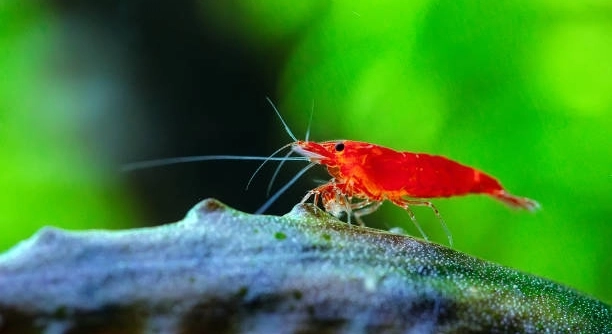
Cherry shrimp are lively little creatures that enjoy exploring their surroundings. Watching them climb and interact with objects in their tank can be both entertaining and rewarding for aquarium enthusiasts. Their climbing habits reveal natural instincts.
Cherry shrimp often climb on small objects such as plants, driftwood, rocks, moss, decorations, and tank accessories. These structures provide surfaces for grazing, hiding, and exercising natural behaviors, supporting their overall health and promoting active, stimulated lifestyles in captivity.
Observing their climbing patterns can help you create a more engaging and healthy environment. The following guide highlights objects that encourage natural shrimp behavior.
Driftwood
Driftwood is a favorite climbing surface for cherry shrimp. Its textured surface allows them to grip easily, providing both exercise and a place to explore. Shrimp often graze on biofilm that naturally forms on driftwood, giving them a source of nutrition. Placing driftwood in a tank also creates hiding spots, reducing stress and encouraging natural behavior. Over time, the wood may release tannins, slightly coloring the water, which is safe and can mimic a shrimp’s natural environment. Different shapes of driftwood allow for varied climbing paths, keeping shrimp active and engaged. Regular cleaning helps maintain water quality while preserving the benefits of this natural decor. Driftwood can complement plants and other structures, creating a balanced and stimulating environment. Observing shrimp interact with driftwood can provide insight into their habits and preferences, helping you adjust tank design to meet their needs.
Driftwood supports both climbing and feeding, making it an essential component of a healthy shrimp habitat.
Choosing the right piece of driftwood requires considering size, texture, and tank compatibility. Smooth wood may not offer enough grip, while overly rough pieces could trap debris. Curved or branched driftwood creates vertical spaces that encourage exploration, while flat pieces provide resting surfaces. Combining multiple pieces can create tunnels and shaded areas, mimicking natural habitats. Soaking new driftwood before placing it in the tank prevents excess tannins from discoloring water too quickly. Shrimp benefit from consistent placement, as familiar surfaces promote climbing confidence and reduce stress. Monitoring how shrimp interact with each piece allows you to rotate or adjust structures, ensuring they remain active and stimulated. Driftwood also provides a substrate for beneficial microorganisms, further supporting shrimp nutrition. By thoughtfully selecting and arranging driftwood, tank owners can maintain both aesthetic appeal and functional enrichment for their cherry shrimp.
Aquarium Plants
Plants are more than decoration; they serve as climbing and grazing spots for cherry shrimp. Mosses, ferns, and small-leaved plants are especially appealing because shrimp can cling easily while searching for biofilm.
Plants help improve water quality, oxygen levels, and create a natural environment that reduces stress. Cherry shrimp often hide among leaves and stems, which encourages natural behaviors and provides safety during molting. Some fast-growing plants can help manage excess nutrients, while others develop dense foliage for extended climbing opportunities. Floating plants offer vertical surfaces and shade, promoting exploration and comfort. Careful selection of plant types and placement ensures shrimp have a balance of climbing options, hiding areas, and grazing surfaces. Rooted plants also anchor substrates, preventing disturbance while shrimp move around. Observing shrimp behavior with different plants can inform future additions or adjustments. The right plant combination supports both physical activity and overall health. A planted tank creates a visually pleasing environment while meeting the practical needs of cherry shrimp.
Rocks
Rocks provide stable surfaces for cherry shrimp to climb and rest. Smooth or textured rocks allow shrimp to explore safely while grazing on biofilm that develops over time. Placing rocks in clusters encourages vertical movement and creates natural hiding spaces.
Arranging rocks in small stacks or formations can mimic natural habitats, giving shrimp both climbing challenges and sheltered areas. Different shapes and sizes create varying heights, which encourages exercise and exploration. Rocks also influence water flow around them, helping distribute nutrients and supporting plant growth. Choosing non-toxic, aquarium-safe stones ensures water quality remains stable. Observing shrimp on rocks can reveal preferences for certain surfaces or heights, allowing you to adjust placement to enhance activity and comfort. Regular cleaning prevents algae buildup that could hinder climbing while maintaining the tank’s aesthetic. Rocks serve both functional and decorative purposes, benefiting shrimp behavior and tank design.
Shrimp use rocks not just for climbing, but as resting and feeding stations. Biofilm accumulation on surfaces provides nutrition while supporting natural instincts and activity levels.
Aquarium Decorations
Small decorations such as caves, tunnels, and ceramic ornaments offer climbing surfaces and hiding spots. They add structure while maintaining open swimming areas for shrimp to move freely.
Decorations with varied textures and shapes encourage exploration and provide surfaces for biofilm growth, which is essential for feeding. Strategically placing items creates vertical and horizontal paths, promoting climbing and interaction. Some decorations are hollow or have crevices, giving shrimp secure spaces during molting, which reduces stress and protects vulnerable shrimp. Materials should be aquarium-safe to prevent chemical leaching and water contamination. Rotating or rearranging decorations periodically keeps the environment stimulating while allowing shrimp to develop familiarity with certain climbing routes. Combining decorations with plants and rocks creates a layered habitat that supports both active and resting behaviors. Observing shrimp preferences can help fine-tune decoration placement for optimal engagement and comfort.
Moss Balls
Moss balls provide a soft and textured surface for cherry shrimp to climb and graze. Their round shape encourages shrimp to move around them, exploring different angles while feeding on the biofilm that naturally develops.
Moss balls also help maintain water quality by absorbing excess nutrients. Shrimp enjoy the gentle curves, which allow them to rest without sharp edges. Regular rolling or repositioning of moss balls can keep surfaces clean and accessible while encouraging natural activity. They are low-maintenance and add visual appeal, creating a small climbing challenge that promotes exercise and engagement.
Branches
Branches offer vertical climbing opportunities that mimic natural environments. Shrimp use them to explore height, graze on biofilm, and find secure resting spots while remaining partially hidden from open water. Branches can be arranged in different directions, giving shrimp varied paths for movement and activity.
Pebbles
Small pebbles serve as stable, textured surfaces for climbing and grazing. They allow shrimp to navigate the substrate easily while providing spots for feeding and rest.
FAQ
What makes cherry shrimp climb certain objects?
Cherry shrimp climb objects that provide grip, safety, and access to food. Textured surfaces such as driftwood, rocks, and plants allow them to hold on without slipping. They are naturally drawn to surfaces covered in biofilm, which provides nutrition. Objects that offer vertical and horizontal surfaces encourage activity and exploration, while also giving hiding spots that reduce stress. Shrimp are small and delicate, so stability is important; wobbly or sharp surfaces are avoided. By offering a variety of objects, you can support their natural behaviors and overall well-being.
Are all plants safe for cherry shrimp to climb?
Not all plants are suitable. Slow-growing and soft-leaved plants such as Java moss, Anubias, and ferns are ideal because they are easy for shrimp to grip and do not damage their delicate bodies. Avoid plants with sharp or rigid leaves that could injure shrimp. Fast-growing plants can help manage water quality but should still have smooth surfaces. Floating plants can offer shade and climbing options while maintaining water flow. Observing shrimp preferences helps determine which plants they enjoy most. Safe plants encourage grazing, climbing, and natural activity.
How do decorations affect shrimp behavior?
Decorations such as ceramic caves, tunnels, and ornaments provide climbing surfaces and hiding spots. Shrimp use them to rest, explore, and feel secure, especially during molting. Decorations with crevices or hollow areas reduce stress by offering protection, while textured surfaces promote biofilm growth for feeding. Arranging decorations in layers allows vertical and horizontal movement, keeping shrimp active. Rotating or repositioning items maintains novelty and encourages continuous exploration. Carefully chosen decorations contribute to a balanced tank that supports physical activity, mental stimulation, and natural behaviors. They also add aesthetic appeal without compromising shrimp safety.
Do cherry shrimp prefer natural or artificial objects?
Cherry shrimp generally prefer natural objects like driftwood, rocks, and moss, which resemble their natural habitat. These surfaces often accumulate biofilm, providing both food and climbing interest. Artificial objects can be used if they are textured, smooth enough to prevent injury, and safe for aquarium use. Combining natural and artificial items can create a varied environment, giving shrimp multiple climbing and hiding options. Observation is key; shrimp may favor certain materials or shapes, so adjusting the layout based on their behavior ensures active engagement. A mix of objects supports health and encourages natural habits.
How often should objects in the tank be cleaned?
Objects should be cleaned regularly to prevent excessive algae, detritus, or debris buildup that could hinder climbing or affect water quality. Light cleaning with tank water preserves biofilm and beneficial microorganisms. Avoid harsh chemicals that could harm shrimp. Rocks, driftwood, and decorations can be gently scrubbed or soaked to remove excess dirt. Moss balls and plants should be rinsed or lightly pruned as needed. Observing shrimp behavior can indicate when objects need cleaning; if surfaces become slippery or biofilm is excessively thick, maintenance is necessary. Proper cleaning balances hygiene with natural feeding opportunities.
Can climbing objects improve shrimp health?
Yes, climbing objects promote exercise, reduce stress, and provide grazing opportunities. Vertical and textured surfaces encourage movement, which supports muscle development and prevents lethargy. Hiding spaces reduce aggression and vulnerability during molting, improving overall survival. Biofilm-covered surfaces provide supplemental nutrition, supporting digestion and growth. By offering a range of climbing structures, shrimp remain physically active and mentally engaged. A well-structured tank with varied objects contributes to longer lifespans, healthier molting cycles, and a more dynamic, visually appealing environment for the shrimp.
Are there risks to using too many objects?
Overcrowding a tank with objects can reduce swimming space, limit water flow, and make maintenance more difficult. Shrimp need open areas for movement and exploration alongside climbing surfaces. Dense arrangements may trap debris, impacting water quality and increasing stress. Objects should be spaced to allow vertical and horizontal climbing paths, hiding spots, and feeding areas. Choosing appropriate sizes, shapes, and materials ensures safety and functionality. Regular observation can help identify which objects are being used and which may be unnecessary, allowing for adjustments that optimize activity and health without cluttering the tank.
How can I encourage shy shrimp to climb more?
Shy shrimp may need gradual exposure to climbing surfaces. Start by placing a few textured objects near hiding spots. Ensure surfaces are stable, safe, and covered with biofilm. Providing gentle light and minimal disturbances can increase confidence. Over time, they may explore more freely. Combining soft plants, moss, and small decorations encourages natural behavior. Observing interactions and adjusting placement gradually helps shrimp feel secure while promoting climbing and grazing. Patience is key; shy individuals may take days or weeks to fully utilize the available structures. Consistent care supports their comfort and activity levels.
Can shrimp climb above the water line?
Cherry shrimp rarely leave the water, but they may climb surfaces that extend close to the waterline. Objects should remain fully submerged for safety, as shrimp can dry out quickly. Ensuring all climbing surfaces are underwater prevents accidental escapes and stress. Tall decorations or vertical plants should be placed with this in mind, allowing exploration without risk. Submerged climbing options provide height variation, grazing opportunities, and hiding spaces. Maintaining a fully aquatic environment while offering vertical surfaces supports natural instincts and keeps shrimp safe and healthy.
How do I know if climbing objects are working well?
Observation is the most effective method. Active shrimp that regularly explore, climb, and graze indicate objects are suitable. Look for consistent use of surfaces, resting in crevices, and interaction with multiple items. Signs of stress, avoidance, or lack of activity suggest adjustments are needed. Rotating or changing objects can increase engagement. Monitoring shrimp health, molting frequency, and behavior provides feedback on tank design effectiveness. Well-placed objects should support natural climbing, feeding, and hiding without overcrowding, promoting a balanced and stimulating habitat that meets both physical and behavioral needs.
Final Thoughts
Cherry shrimp are small but active creatures that benefit greatly from a well-structured environment. Providing climbing surfaces such as driftwood, plants, rocks, moss balls, branches, and decorations allows them to express natural behaviors. These surfaces give shrimp places to rest, hide, and explore, which reduces stress and supports overall well-being. Climbing encourages movement, grazing, and interaction with their habitat, keeping shrimp physically active and mentally stimulated. Even small additions to a tank can make a significant difference in shrimp activity and health. Observing which objects your shrimp use most can guide future adjustments to their environment.
When selecting objects for climbing, it is important to consider both safety and functionality. Smooth or textured surfaces help shrimp grip without risking injury, while stable arrangements prevent tipping or trapping. Natural items like driftwood and rocks offer biofilm growth, which provides an additional food source. Soft plants and moss create gentle surfaces that are easy for shrimp to climb, while artificial decorations can supplement climbing opportunities if they are aquarium-safe and properly positioned. Rotating, cleaning, or rearranging objects helps maintain interest and promotes exploration. A balance between open swimming areas and climbing surfaces ensures shrimp have space to move freely without feeling crowded, supporting healthy behavior patterns.
Maintaining the tank environment alongside climbing structures is equally important. Regular cleaning, monitoring water quality, and observing shrimp behavior ensures that objects continue to provide benefits without creating hazards. Overcrowding with too many objects can restrict swimming space, while neglecting to clean surfaces can reduce biofilm or accumulate debris. Paying attention to the specific needs of your shrimp, including preferences for certain plants or textures, allows for a more customized and engaging habitat. Thoughtful planning and consistent maintenance help shrimp thrive, creating a lively, dynamic aquarium that supports natural climbing, feeding, and resting behaviors. By carefully combining safe objects and monitoring shrimp activity, tank owners can create an environment that encourages both health and activity, enhancing the overall experience of keeping cherry shrimp.

Hello,
If you enjoy the content that we create, please consider saying a "Thank You!" by leaving a tip.
Every little bit helps us continue crafting quality advice that supports the health, happiness, and well-being of pets around the world, for pets of all shapes, sizes, and species.
We really appreciate the kindness and support that you show us!