
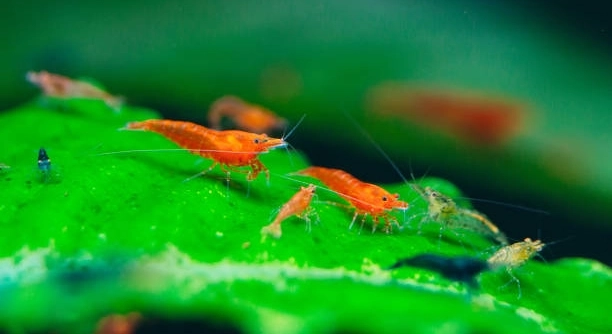
Are your cherry shrimp staying in one spot for hours, seemingly without reason? Many shrimp owners notice this behavior and worry about their pets’ health, especially when the shrimp appear completely motionless in their tanks.
Cherry shrimp may remain still for extended periods due to stress, water quality fluctuations, molting cycles, or natural resting behaviors. Ensuring stable conditions, proper diet, and low-stress environments supports their health and reduces prolonged inactivity.
Understanding these patterns helps you maintain a healthier aquarium environment and better interpret your shrimp’s behaviors, ensuring they thrive and remain active in their habitat.
Common Reasons Cherry Shrimp Stay Still
Cherry shrimp often remain motionless for hours due to a few simple, understandable factors. One main reason is molting. During this process, shrimp shed their exoskeleton to grow, leaving them vulnerable. Staying still reduces stress and prevents injury. Another factor is water quality. Sudden changes in temperature, pH, or ammonia levels can make shrimp retreat to a safe spot. Lack of food or improper nutrition may also cause inactivity, as shrimp conserve energy when they do not have enough resources. Environmental stressors, such as strong currents, bright lights, or overcrowding, contribute to prolonged stillness. Even healthy shrimp sometimes remain still simply to rest or explore their surroundings slowly. Observing your shrimp carefully and noting changes in behavior can provide insight into whether their stillness is normal or signals a potential problem. Proper care, consistent tank maintenance, and attention to their habits are key to keeping shrimp healthy and active in the long term.
Molting and water stress are the most frequent reasons for stillness, and these are usually temporary.
It’s important to note that not all stillness is dangerous. Some shrimp enjoy resting among plants, hiding under decorations, or clinging to surfaces. Providing plenty of hiding spots allows them to feel secure. Regular observation helps you distinguish between normal resting behavior and signs of illness or stress. By maintaining consistent water conditions, avoiding overcrowding, and feeding a balanced diet, you can support their natural behavior while reducing long periods of inactivity. Healthy shrimp will return to activity once their environment feels stable. Watching them gradually explore and interact shows that they are adapting well.
How to Encourage Activity
Maintaining stable water parameters and a stress-free environment is essential.
To encourage activity, first ensure the tank is clean and water conditions are consistent. Feeding them small amounts multiple times a day keeps them engaged. Adding live plants or moss gives them surfaces to explore and graze, which promotes movement. Avoid sudden changes in lighting or water temperature, as these can startle shrimp into hiding. Introducing gentle filtration helps maintain circulation without creating strong currents that stress them. Observing their behavior daily allows you to notice small improvements or signs of distress early. Sometimes, rearranging decorations or adding natural hiding spots can stimulate curiosity. Over time, these small adjustments create a more active and confident shrimp population. Combining proper nutrition, environmental stability, and visual enrichment leads to healthier, more active shrimp that interact naturally with their habitat. Regular attention ensures any issues are caught early, allowing you to respond quickly and maintain a thriving tank.
Observing Molting Behavior
Molting is a natural process where cherry shrimp shed their exoskeleton to grow. During this time, they may stay still for several hours, often hiding in plants or decorations. Stillness is normal and helps them avoid injury while their new shell hardens.
Molting can occur every few weeks depending on age, diet, and water quality. Younger shrimp molt more frequently, while older ones slow down. Providing a mineral-rich diet and stable water conditions supports healthy molting. Removing molted shells quickly prevents water contamination. Observing shrimp during this period can reassure you that stillness is a natural part of their life cycle rather than a sign of illness or stress.
After molting, shrimp may remain inactive for several hours while their new exoskeleton hardens. This rest period is essential for their protection. Avoid disturbing them or handling the tank during this time. Once their shell is firm, they will resume normal activity, grazing and exploring the tank. Creating a secure environment ensures they can molt safely without fear or stress.
Water Quality and Environmental Factors
Poor water quality or sudden changes in temperature, pH, or ammonia levels can make shrimp stay still. Stable water conditions are crucial for their activity and overall health.
Cherry shrimp are sensitive to water changes. Even minor fluctuations can cause stress, making them hide or remain motionless. Regular testing of ammonia, nitrites, nitrates, and pH is essential. Performing partial water changes gradually rather than all at once prevents shocks. Maintaining a stable temperature and avoiding harsh lighting also reduce stress. Tanks with proper filtration, aeration, and gentle currents help shrimp feel secure. Observing them daily ensures you can respond to any issues quickly.
Stress from environmental factors can also include overcrowding, strong currents, or lack of hiding spots. Shrimp may feel unsafe if there are too many tankmates or limited plant cover. Providing sufficient decorations, moss, and caves encourages natural behavior and activity. Gentle filtration reduces the risk of shrimp being swept around, while maintaining clean water prevents illness. Even small adjustments, like moving plants or adding a shaded area, can significantly improve comfort. Healthy shrimp in a stable environment are more likely to remain active and display normal behaviors consistently.
Diet and Nutrition
A poor diet can lead to inactivity in cherry shrimp. Lack of essential nutrients makes them conserve energy, often causing them to stay still for long periods.
Feeding a varied diet that includes algae wafers, blanched vegetables, and occasional protein supplements keeps shrimp healthy. Proper nutrition encourages movement, growth, and molting, reducing long periods of inactivity.
Stress and Tankmates
Aggressive or overly active tankmates can make shrimp hide or remain motionless. Providing peaceful companions and plenty of hiding spaces reduces stress. Maintaining a calm environment helps shrimp feel secure and encourages natural behaviors, including regular grazing and exploration.
Lighting Conditions
Excessive or sudden bright lighting can cause shrimp to stay still. Soft, consistent lighting prevents stress and supports normal activity.
Observation Tips
Watching shrimp carefully helps identify normal resting behavior versus signs of illness. Noting changes in movement, feeding, or appearance is essential for timely care.
FAQ
Why does my cherry shrimp stay in one spot for hours?
Cherry shrimp often stay still due to natural behaviors like resting, molting, or grazing slowly. Environmental factors such as water quality, temperature, lighting, and stress from tankmates also influence activity. Observing their patterns over time helps determine whether stillness is normal or a warning sign.
Is it normal for cherry shrimp to hide all day?
Yes, hiding is a common behavior, especially during molting or when they feel unsafe. Providing plants, moss, and decorations gives them secure spots. As long as they feed and molt normally, prolonged hiding is usually not a concern.
Could poor water quality cause inactivity?
Absolutely. Ammonia, nitrites, nitrates, pH swings, and sudden temperature changes can stress shrimp. Regular testing, gentle water changes, and stable conditions help prevent inactivity and keep shrimp healthy and active.
How often do cherry shrimp molt?
Frequency depends on age, diet, and water conditions. Younger shrimp molt every few days or weeks, while adults molt less often. Molting is essential for growth and can cause temporary stillness as they harden their new exoskeleton.
Do cherry shrimp sleep?
Cherry shrimp don’t sleep like humans, but they have periods of reduced activity. They may remain motionless for rest or conserve energy, often during nighttime or after feeding. These periods are natural and necessary for their health.
Can diet affect shrimp activity?
Yes. A diet lacking essential nutrients may lead to energy conservation and prolonged stillness. Feeding a mix of algae, blanched vegetables, and occasional protein ensures healthy growth and encourages regular movement.
How do I tell if my shrimp is stressed?
Stress signs include constant hiding, lethargy, loss of color, rapid gill movement, or erratic swimming. Causes include poor water quality, aggressive tankmates, strong currents, or sudden environmental changes. Addressing these factors usually restores normal behavior.
Are tankmates causing my shrimp to stay still?
Potentially. Aggressive or fast-moving fish can intimidate shrimp, prompting them to hide or stay motionless. Peaceful tankmates and ample hiding spaces reduce stress and encourage natural movement.
Does lighting affect their activity?
Yes. Sudden bright lights or prolonged exposure to intense lighting can make shrimp retreat and stay still. Soft, consistent lighting helps maintain normal activity and reduces stress.
When should I worry about inactivity?
If shrimp show no interest in food, lose color, or remain motionless for days, it may indicate illness, poor water quality, or environmental stress. Testing water and observing other behaviors can help determine if intervention is needed.
Can molting issues cause prolonged stillness?
Yes. Shrimp remain motionless during molting to protect themselves. Complications like stuck exoskeletons or nutrient deficiencies can extend inactivity and may require careful monitoring or dietary adjustments.
How can I encourage my shrimp to move more?
Maintain stable water parameters, provide a nutrient-rich diet, add live plants and moss, reduce stressors, and ensure gentle currents. Gradual adjustments to lighting and tank setup also encourage exploration and grazing behaviors.
Is it normal for a shrimp to be inactive after molting?
Yes, after molting, shrimp need time to harden their exoskeleton. Avoid disturbing them, and they will gradually resume normal activity once fully recovered.
Do seasonal changes affect shrimp activity?
Slightly. Temperature fluctuations and natural light cycles may influence activity, but stable indoor conditions minimize these effects. Maintaining consistent temperature and lighting helps shrimp stay active year-round.
Can water additives impact shrimp behavior?
Some additives may temporarily stress shrimp if dosed incorrectly. Always follow guidelines and monitor behavior after treatment. Properly balanced water chemistry is essential for normal activity and long-term health.
How do I differentiate resting from illness?
Resting shrimp remain hidden but respond to gentle stimuli or food. Illness often involves color loss, abnormal swimming, or lack of reaction. Regular observation and water checks help identify genuine health concerns.
What role does tank layout play in activity?
Complex layouts with plants, moss, and decorations provide exploration and hiding opportunities. Shrimp in bare tanks may hide less but can also appear inactive due to lack of stimulation. A balanced environment encourages natural behavior and reduces stress.
Can overcrowding cause shrimp to stay still?
Yes. Overcrowded tanks increase stress, competition for food, and hiding, which may lead to prolonged stillness. Maintaining appropriate shrimp density and adequate resources promotes healthier activity levels.
Is inactivity ever permanent?
Prolonged inactivity can indicate serious health issues if accompanied by other symptoms. Otherwise, temporary stillness due to molting, rest, or environmental adjustments is normal. Careful observation ensures shrimp remain healthy and active over time.
Final Thoughts
Cherry shrimp are delicate creatures, and their behavior can seem confusing at first. Staying still for hours is often a normal part of their life. Molting, resting, and slow grazing are natural behaviors that require periods of stillness. These moments allow shrimp to conserve energy, grow, and feel secure. Providing a stable environment with proper water conditions, a balanced diet, and gentle lighting supports these natural behaviors. Observing them regularly helps you distinguish between normal stillness and potential signs of stress or illness. By paying attention to patterns, you gain insight into their health and well-being, ensuring they thrive in your aquarium.
Environmental factors play a significant role in shrimp activity. Sudden changes in water temperature, pH, or ammonia levels can stress them and cause prolonged inactivity. Tankmates also affect behavior; aggressive or fast-moving fish may make shrimp hide or stay still for longer periods. The layout of the tank, presence of plants, moss, and hiding spots provides comfort and encourages exploration. Lighting conditions can further influence their movement. Bright or inconsistent lighting often causes them to retreat, while soft, consistent light helps maintain normal activity. Understanding these factors allows you to create an environment that meets their needs and reduces stress.
Diet and nutrition are equally important for maintaining activity. A lack of essential nutrients may lead to energy conservation, making shrimp appear inactive. Feeding a variety of foods, including algae wafers, blanched vegetables, and occasional protein supplements, ensures they receive necessary nutrients. Healthy shrimp will molt properly, regain color, and return to their usual activity patterns. By combining consistent care, proper nutrition, and attention to environmental conditions, you provide the best chance for your cherry shrimp to remain active and healthy. Over time, regular observation and small adjustments help you maintain a thriving aquarium and a better understanding of your shrimp’s natural behaviors.

Hello,
If you enjoy the content that we create, please consider saying a "Thank You!" by leaving a tip.
Every little bit helps us continue crafting quality advice that supports the health, happiness, and well-being of pets around the world, for pets of all shapes, sizes, and species.
We really appreciate the kindness and support that you show us!