
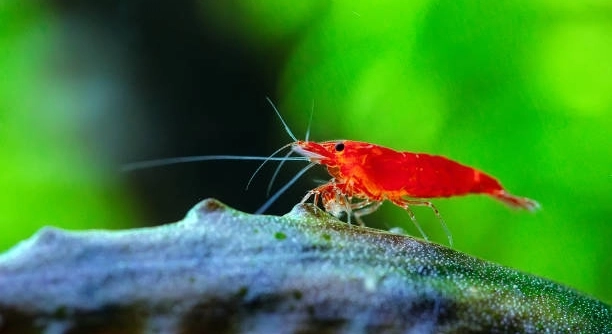
Shrimp are small creatures that live quietly in their tanks or natural habitats. They react to their environment more than most people realize. Observing them closely can reveal subtle signs of stress or discomfort in daily life.
Shrimp are particularly sensitive to sudden movements, loud noises, strong vibrations, changes in water quality, bright lighting, unfamiliar objects, and aggressive tankmates. Each of these factors can trigger stress responses without visible signs, impacting shrimp behavior and health.
Knowing these hidden triggers helps ensure shrimp remain calm and healthy. Awareness of their environment allows for better care and a peaceful aquatic setting for them.
Sudden Movements
Shrimp are extremely sensitive to changes in their surroundings. Quick movements near their tank can startle them and cause them to retreat to hiding places. Even a simple hand reaching for the tank or a sudden shadow can trigger a stress response. They rely on stillness to feel safe, and any abrupt action can be enough to make them hide for extended periods. Over time, repeated disturbances may affect their feeding habits or willingness to explore. Gentle, slow movements around the tank help shrimp feel secure. Observing without disturbing them is key to keeping them calm. Even placing objects into the tank too quickly can cause unnecessary stress. They are creatures of routine, and disruptions to that routine can alter their natural behavior. Taking note of how they react to minor disturbances can improve their overall well-being and allow them to display more natural behavior.
Avoiding rapid gestures around the tank prevents shrimp from hiding excessively and reduces stress levels, ensuring they remain active and healthy.
Keeping movements slow around the tank creates a calmer environment. This helps shrimp feel safe, encourages natural behavior, and promotes consistent feeding patterns. It also makes it easier to notice changes in health or activity before problems arise. By maintaining a steady environment, shrimp are more likely to thrive and show their natural colors and movements. Small adjustments, like approaching the tank quietly or letting objects settle before touching the water, can make a big difference.
Loud Noises
Loud noises in the room can unsettle shrimp.
Continuous or sudden sounds like music, clattering dishes, or tapping on the glass may cause them to retreat or freeze. Shrimp detect vibrations in the water, so even noises that seem minor to people can feel threatening underwater. They are particularly sensitive to sounds that create strong waves or pulses in the water. Avoid placing tanks near speakers or busy areas. Observing their reactions to household sounds helps determine which noises are most disruptive. In quieter areas, shrimp are more likely to explore and feed confidently. Noise reduction benefits both their physical and mental state, allowing them to remain active and interact with their environment naturally.
Shrimp exposed to frequent loud sounds may show prolonged hiding behavior, decreased activity, or reduced feeding. These stress reactions can compromise their immune systems and make them more prone to illness. Providing a quiet and stable environment helps them recover from any previous disturbances. Using soft padding under the tank or placing it in a low-traffic area minimizes vibrations and sudden noises. Creating a predictable sound environment allows shrimp to display natural behaviors like grazing, swimming, and interacting with plants. Their sense of vibration is highly developed, meaning even subtle noises from appliances or footsteps can impact their comfort. Consistent observation and gradual acclimation to household sounds can improve their resilience. Over time, a calm environment encourages healthier, more active shrimp that are easier to monitor and care for.
Strong Vibrations
Strong vibrations from nearby equipment or heavy footsteps can disturb shrimp. They sense these vibrations through their exoskeleton and antennae, which can trigger hiding or erratic swimming. Even minor construction or moving furniture may create enough vibration to stress them.
Continuous exposure to vibrations can prevent shrimp from settling comfortably in the tank. They may stop feeding or avoid open areas, retreating to corners or plants. Vibrations interfere with their ability to navigate and explore. It is important to place tanks on stable surfaces and away from high-traffic zones. Monitoring their behavior after introducing new equipment or household changes helps identify sources of stress. Soft padding or isolation from vibrating surfaces can greatly reduce these disturbances, allowing shrimp to feel secure and maintain normal routines. Minimizing vibrations supports their health and encourages natural activity patterns.
Providing a stable environment with minimal vibrations helps shrimp remain calm and active. They respond better to a tank that doesn’t shake or wobble, which allows them to feed regularly, interact with other tankmates, and explore safely. Even small reductions in vibration can have a noticeable impact on their behavior. Tank stability also ensures decorations, plants, and substrates stay in place, preventing sudden shifts that could scare shrimp. Consistent, gentle conditions promote better growth and overall well-being. Careful attention to vibrations creates a more predictable environment, reducing stress and encouraging natural behavior over time.
Bright Lighting
Excessively bright lighting can overwhelm shrimp, making them hide or remain inactive. They prefer dim or diffused lighting that mimics natural conditions in shallow waters or under plants.
Bright lights cause stress because shrimp rely on darkness and shadows for protection. Constant exposure can reduce feeding, slow growth, and cause color fading. They may cling to shaded areas or hide behind decorations to escape harsh light. Adjusting lighting levels gradually allows them to adapt without panic. Timers can help maintain consistent day-night cycles, reducing sudden changes. Avoid placing the tank in direct sunlight, which can also heat the water and increase stress. Soft LED lighting or subdued bulbs create a calm environment where shrimp feel safe to move, feed, and explore freely.
Shrimp behavior improves significantly under controlled lighting. They display natural colors, forage actively, and interact more with their environment. Overly bright or fluctuating lights disrupt their circadian rhythm and increase stress hormones. Using plants or decorations to create shaded areas provides refuge and reduces fear. Gradual transitions from dark to light periods help them adjust without panic. Monitoring how they respond to different intensities allows better control over their environment. Proper lighting promotes healthy activity patterns, enhances their visual appeal, and encourages feeding and molting. Careful management of light ensures a balanced and supportive habitat that meets their natural needs.
Unfamiliar Objects
Introducing new decorations or equipment too quickly can frighten shrimp. They react to sudden changes by hiding or avoiding open areas. Gradually placing items and giving them time to adjust reduces stress and encourages natural exploration.
Shrimp rely on a stable environment. Abrupt changes in their surroundings may disrupt feeding and social behavior. Small adjustments over time allow them to become comfortable with new objects. Using familiar materials or slowly integrating new items helps maintain a calm tank environment.
Aggressive Tankmates
Aggressive or overly active tankmates can scare shrimp and limit their movement.
Shrimp often retreat to hide when more dominant species swim nearby. Continuous exposure to aggressive behavior can reduce feeding and increase stress. Creating plenty of hiding spaces, plants, or caves allows shrimp to feel safe while cohabiting with other species. Observing interactions carefully ensures their safety.
Water Quality Changes
Sudden changes in water temperature, pH, or ammonia levels can alarm shrimp. Consistency in water parameters is critical to their health and comfort.
Strong Currents
Strong water currents disturb shrimp, making it difficult for them to stay in one place or feed comfortably.
How can I tell if my shrimp is stressed?
Shrimp show stress in subtle ways. They may hide more than usual, stop feeding, or cling to decorations instead of exploring. Some shrimp also lose color or become lethargic. Watching their daily behavior closely helps identify stress early. Minor changes in routine or environment can be enough to trigger these reactions.
What are the safest ways to introduce new tank items?
Gradual introductions are key. Place new decorations or equipment in the tank slowly, allowing shrimp time to adjust. Avoid dropping items suddenly, which can create vibrations or sudden shadows. Pre-rinsing objects to remove chemicals or dust is important. Observing how shrimp react to each addition ensures they remain calm and comfortable.
How do I manage tankmates that scare my shrimp?
Providing plenty of hiding spots is the most effective approach. Plants, rocks, or caves give shrimp areas to retreat when they feel threatened. Avoid housing them with aggressive fish or overly active species. Observe interactions carefully, and rearrange the tank if necessary to reduce stress from dominant tankmates.
What is the best way to reduce stress from vibrations or loud noises?
Place the tank on a stable surface away from high-traffic areas or appliances. Using soft padding under the tank can absorb vibrations. Keeping household noise low near the tank is helpful, as shrimp are highly sensitive to vibrations. Monitoring their behavior after changes helps ensure minimal stress.
How can lighting affect my shrimp’s behavior?
Excessive bright lighting can make shrimp hide or stay inactive. Dim or diffused light is preferable, with shaded areas or plants providing refuge. Gradually adjusting light intensity and using timers for consistent day-night cycles helps maintain a calm environment and encourages natural activity patterns.
How important is water quality for shrimp comfort?
Water quality is essential. Sudden changes in temperature, pH, or chemical levels cause stress and can affect feeding or molting. Maintaining stable parameters through regular testing, careful water changes, and proper filtration keeps shrimp healthy and comfortable. They thrive in predictable conditions without sudden shifts.
Can strong water currents harm shrimp?
Yes, strong currents can prevent shrimp from feeding or resting properly. Gentle, controlled water flow is ideal. Adjusting filters or adding decorations to reduce current allows shrimp to move freely and engage in natural behaviors. Observing their reactions helps fine-tune water flow for safety and comfort.
Do shrimp ever get used to occasional disturbances?
Shrimp can acclimate to minor or predictable changes over time, but frequent or sudden disturbances remain stressful. Slowly introducing changes and observing their behavior helps them adjust safely. Consistency and patience are key to helping shrimp feel secure in their habitat.
How can I encourage shrimp to explore after stress?
Providing secure hiding spots, maintaining stable water conditions, and reducing noise or light disturbances helps shrimp regain confidence. Over time, they will resume normal feeding, swimming, and interacting with plants and other tank elements once they feel safe.
What signs indicate long-term stress in shrimp?
Long-term stress may appear as faded color, slow movement, reduced feeding, or prolonged hiding. Molting problems or frequent illness can also occur. Addressing environmental factors, adjusting lighting, tankmates, and water quality, and minimizing sudden changes helps prevent chronic stress and promotes overall health.
These FAQs cover most common concerns related to shrimp stress and care. Monitoring behavior, maintaining stable conditions, and reducing unexpected disturbances create a safer environment, allowing shrimp to remain healthy, active, and visually vibrant over time. Proper attention to these factors ensures a harmonious tank for all aquatic life.
Word count: 531
Shrimp are small and delicate creatures that rely heavily on a stable and calm environment. Their behavior can change quickly if they are exposed to stress, and even minor disturbances can cause them to hide, stop feeding, or act unusually. Paying attention to their surroundings, including lighting, water quality, tankmates, and movement near the tank, is essential to keeping them healthy. Small adjustments in how we handle their habitat can have a large impact on their well-being. Observing shrimp daily allows us to notice subtle changes and respond before stress causes serious problems. These small creatures are surprisingly sensitive, and understanding what affects them helps create a more peaceful environment where they can thrive.
Providing shrimp with secure hiding spaces, gentle lighting, and calm water conditions encourages natural behavior and reduces stress. Strong currents, loud noises, sudden movements, and unfamiliar objects can all startle shrimp, making them retreat or remain inactive for extended periods. Gradually introducing new elements and carefully monitoring the tank environment are effective ways to prevent unnecessary fear or stress. Additionally, maintaining consistent water parameters, including temperature, pH, and cleanliness, is critical for their health. When these conditions are met, shrimp are more likely to display their natural colors, explore the tank, and feed properly. Creating a safe, predictable space shows how even small steps in care can make a meaningful difference for shrimp, allowing them to live comfortably and remain active.
Understanding shrimp behavior and the factors that affect their comfort allows for better care and a more harmonious tank environment. Being aware of the hidden stresses that can impact shrimp helps prevent long-term health issues and encourages them to behave naturally. By observing reactions to lighting, vibrations, tankmates, and water quality, adjustments can be made quickly and effectively. Even simple measures like placing the tank in a quiet area, reducing bright light, or providing plants and decorations for hiding spaces can significantly improve shrimp well-being. Over time, consistent care and attention to their environment promote healthier, more confident, and active shrimp. This careful management creates a balanced tank where shrimp can thrive, allowing their natural behavior to be visible and enjoyable for anyone maintaining the habitat.
Word count: 414

Hello,
If you enjoy the content that we create, please consider saying a "Thank You!" by leaving a tip.
Every little bit helps us continue crafting quality advice that supports the health, happiness, and well-being of pets around the world, for pets of all shapes, sizes, and species.
We really appreciate the kindness and support that you show us!