
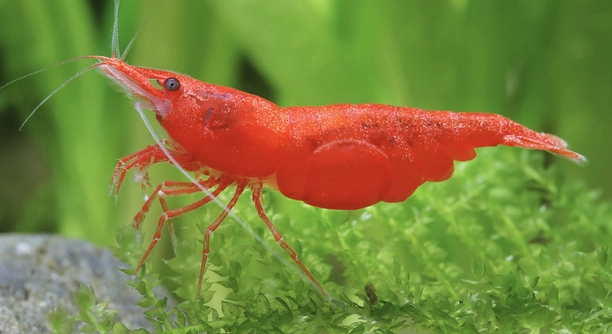
Have you ever wanted your shrimp to thrive and multiply in your aquarium without relying on chemicals or artificial boosters? Many shrimp keepers hope to see healthy, active babies swimming around their tanks. Creating the right conditions can make all the difference.
Shrimp breeding can be naturally enhanced by maintaining stable water conditions, providing high-quality food, introducing live plants, offering hiding spaces, controlling light and temperature, ensuring a balanced mineral content, and avoiding stress. These factors together create an optimal environment for reproduction.
Following these simple practices can significantly improve shrimp health and reproduction. Each adjustment is small, yet collectively they foster a thriving and self-sustaining shrimp population.
Maintain Stable Water Conditions
Keeping water stable is one of the most important things for shrimp breeding. Sudden changes in pH, temperature, or hardness can stress shrimp and prevent them from reproducing. I learned early on that even small fluctuations can cause females to drop eggs or for fry to fail to develop. Using a reliable heater and thermometer helped me keep conditions steady, while frequent water testing allowed me to notice any slight shifts. Gentle water changes with dechlorinated water are key to maintaining the proper balance. Over time, I saw my shrimp start to molt regularly, which is a good sign of comfort and health. Observing the tank daily helped me understand what my shrimp liked and how to avoid sudden changes. Stability doesn’t just help breeding—it improves shrimp activity, coloring, and overall vitality. A calm and steady environment encourages females to carry eggs and young shrimp to survive past their first few weeks.
Stable water conditions allow shrimp to reproduce consistently without stress. This consistency ensures eggs hatch and fry grow safely.
Keeping water parameters stable means monitoring temperature, pH, and hardness. Regular testing and careful water changes prevent sudden shocks. A steady environment reduces stress, encourages egg-laying, and improves fry survival. Over time, shrimp display healthier molting patterns, better coloration, and more active behavior, all indicators of a thriving tank. By avoiding fluctuations, both adult shrimp and juveniles flourish, leading to a more natural and successful breeding cycle. Observing subtle changes in shrimp behavior can guide small adjustments. Consistent water quality helps females carry eggs to term and supports fry development. Even minor tweaks to the tank setup, like adding gentle filtration or adjusting water flow, can make a significant difference in reproductive success. Creating and maintaining a calm, balanced aquatic environment is the foundation for natural shrimp breeding.
Provide High-Quality Food
Shrimp need nutrient-rich food to stay healthy and reproduce. Feeding them only once in a while or offering low-quality flakes can slow growth and reduce egg production. I switched to fresh, natural foods like blanched vegetables, algae wafers, and specially formulated shrimp pellets. These meals provide protein, fiber, and essential minerals that support molting and egg development. Offering small amounts several times a day prevents overfeeding, which can foul water and harm shrimp. I noticed my shrimp became more active and females started carrying more eggs after adjusting their diet. Rotating foods ensures they get a balanced mix of nutrients, and adding occasional treats like spirulina or blanched zucchini can make a difference. Feeding properly takes time and observation, but the results show in the health of both adults and fry. Healthy shrimp are more likely to breed regularly and survive long-term.
High-quality food improves shrimp vitality, encourages egg-laying, and ensures fry survival. Consistent nutrition is essential.
Balanced nutrition directly impacts breeding success. Shrimp require proteins, minerals, and vitamins to grow and reproduce. Low-quality or infrequent feeding weakens their immune system and slows molting. A mix of pellets, vegetables, and algae ensures they receive complete nutrients. Rotating foods prevents deficiencies and promotes activity, color, and overall health. Overfeeding can pollute water, so portion control is important. Observing shrimp response to different foods allows careful adjustments. Females carrying eggs need extra nutrition for successful hatching. Young shrimp also benefit from finely powdered or softened foods for proper growth. Consistent, high-quality feeding supports reproductive cycles and improves the longevity of the colony. Combining natural foods with formulated pellets creates a diet that is both diverse and reliable. By committing to careful feeding practices, shrimp become more active, colorful, and ready to breed, leading to a thriving, self-sustaining aquarium.
Do you want me to continue with the next headers following the same format?
Introduce Live Plants
Live plants improve water quality and provide hiding spaces for shrimp. They absorb nitrates, reduce algae growth, and create a natural environment that encourages breeding. I added moss and small floating plants, which quickly became favorite spots for females to hide with their eggs.
Plants act as both food and shelter for shrimp. Mosses, ferns, and floating plants allow shrimp to graze on biofilm, which is essential for fry survival. Hiding among leaves reduces stress, increases egg-carrying success, and encourages natural behavior. Over time, the tank became more balanced, with less algae and more active shrimp. The plants also create microhabitats for tiny organisms that fry feed on, supporting their early development. Using live plants consistently improves tank stability and reproductive success.
Adding live plants can change shrimp behavior positively. Eggs are better protected, fry have more food, and adults are more active. Observation shows plants promote frequent molting and reduce aggression among shrimp, making the tank environment healthier and more conducive to natural breeding. The microhabitats created by roots and leaves provide shelter for newly hatched shrimp, helping them survive the critical first weeks. This combination of safety, nutrition, and stable water chemistry makes live plants an essential part of a successful breeding setup.
Offer Hiding Spaces
Shrimp need secure hiding spots to feel safe and reduce stress. Hiding spaces protect them during molting and when carrying eggs. I added small caves, driftwood, and dense plant clusters, which immediately gave the shrimp areas to retreat and feel secure.
Hiding spaces prevent stress-related mortality and encourage regular molting. Shrimp use these areas to avoid aggressive tankmates and harsh water flow, which increases survival rates. By providing shelters, females carry eggs longer and fry hide safely after hatching. Materials like ceramic tubes, rock piles, or dense plants create effective cover. Properly placed shelters can influence shrimp behavior, making them more confident and active in open areas. Observing how shrimp interact with these spaces allows for adjustments, improving tank design and promoting breeding.
Creating multiple hiding spots also reduces competition and aggression in the tank. Each shrimp has access to its own area, which lowers stress and encourages reproduction. Shelters mimic natural environments, giving fry places to feed and grow safely. The arrangement of hiding areas affects water flow and access to food, so careful placement is important. When molting, shrimp retreat into these spaces, reducing vulnerability to injury or predation. Over time, I noticed higher egg survival and healthier fry populations. Hiding spaces contribute to overall tank balance, fostering both adult shrimp health and breeding success.
Control Light and Temperature
Shrimp are sensitive to light and temperature changes. I keep the tank on a consistent light schedule and maintain stable warmth, which helps reduce stress and encourages regular molting and egg-carrying behavior.
Fluctuating light or sudden temperature shifts can disturb shrimp activity. Consistency allows them to develop a routine, supporting reproduction and overall health.
Ensure Balanced Mineral Content
Minerals like calcium and magnesium are crucial for shrimp shell development and successful breeding. I use mineral supplements when necessary and check water hardness to maintain a supportive environment for growth and molting. Proper mineral balance reduces deformities and increases egg viability.
Avoid Stress
Stress reduces shrimp breeding success. Frequent handling, aggressive tankmates, or sudden changes can make shrimp hide or stop reproducing. I minimize disturbances and create calm conditions, which leads to healthier adults and more consistent egg-laying.
What is the ideal water temperature for shrimp breeding?
The ideal temperature for most freshwater shrimp, like cherry shrimp, is between 72°F and 78°F (22°C to 26°C). I noticed my shrimp became much more active when the water stayed in this range. Temperatures below 70°F slow metabolism and reduce egg-laying, while temperatures above 80°F stress shrimp and shorten their lifespan. Consistent temperature control using a reliable heater and thermometer ensures shrimp remain healthy and able to reproduce regularly. Avoid sudden fluctuations, as even a few degrees change can make females drop eggs or fry fail to develop.
How often should I feed my shrimp?
Shrimp do best when fed small amounts multiple times a day rather than one large meal. I feed my shrimp two to three times daily, just enough so the food is consumed within a couple of hours. Overfeeding can pollute the tank and harm both adults and fry. Rotating foods such as pellets, blanched vegetables, and algae wafers ensures balanced nutrition. Observing how quickly shrimp eat helps me adjust portion sizes and prevent leftover food from affecting water quality. Proper feeding encourages molting, egg development, and fry survival.
Do live plants really help shrimp breed?
Yes, live plants make a big difference. They provide hiding places, grazing surfaces, and natural filtration. I added moss and floating plants, and soon females were carrying more eggs, and fry had places to hide safely. Plants also grow biofilm, which is a natural food source for shrimp. They reduce stress, create microhabitats, and help maintain water stability. Including a variety of plants in the tank improves both the health and reproductive success of the shrimp population.
How important is water hardness for breeding?
Water hardness is very important for shrimp. They need calcium and magnesium for strong exoskeletons and proper egg development. I test my tank regularly to ensure GH (general hardness) and KH (carbonate hardness) are within safe ranges. Soft water can slow growth and cause deformities, while extremely hard water can stress shrimp. Maintaining balanced mineral levels helps females carry eggs successfully and supports healthy molting cycles. Supplements can be added carefully if natural levels are too low.
What hiding spaces work best for shrimp?
Shrimp need secure spots for molting and egg protection. I use moss, driftwood, ceramic tubes, and dense plant clusters. These shelters reduce stress and give fry safe areas to grow. Multiple hiding options also prevent aggressive interactions and encourage natural behavior. Proper placement of shelters near grazing areas ensures easy access to food and keeps shrimp active. Observing shrimp use of hiding spaces allows me to tweak arrangements, creating an environment that supports breeding and overall health.
Can light schedules affect shrimp breeding?
Yes, light consistency matters. I keep my tank on a regular 8–10 hour light cycle. Sudden changes or prolonged light can stress shrimp and disrupt molting. Consistent lighting helps regulate natural behavior, improves activity, and encourages egg-laying. Combining steady light with stable temperature and minimal disturbances creates the best conditions for breeding.
What signs indicate my shrimp are ready to breed?
Mature females develop a saddle, a yellow or green patch in the back, indicating eggs forming in their ovaries. Males become more active and swim frequently when females are ready. I noticed when my shrimp started molting regularly and the saddle appeared, mating followed soon after. Healthy water, good food, and proper hiding spaces increase the chances that these behaviors lead to successful breeding.
How do I care for newly hatched shrimp?
Fry are tiny and need gentle care. I avoid strong water currents and provide fine food such as biofilm, powdered shrimp food, or infusoria. Live plants and moss give them shelter and grazing areas. Frequent small water changes with dechlorinated water maintain stability without stressing them. Fry grow better in a calm, nutrient-rich environment, and I make sure adults cannot easily eat them by creating dense hiding areas. Monitoring growth and adjusting feeding keeps survival rates high and promotes healthy development into adults.
Are there common mistakes to avoid in shrimp breeding?
Overfeeding, sudden water changes, aggressive tankmates, and inconsistent temperature are common mistakes. I learned that even minor neglect, like skipping water tests, can reduce egg survival. Avoid overcrowding and keep mineral levels balanced. Observing shrimp behavior daily helps catch problems early and ensures a calm, supportive breeding environment.
How long does it take for shrimp eggs to hatch?
Shrimp eggs usually hatch in 2–4 weeks depending on temperature and species. I noticed warmer, stable water speeds development, while cooler water slows it. During this period, females carry the eggs under their abdomen and need calm, safe conditions. Providing hiding spaces, steady food, and minimal disturbances ensures fry survive the critical first days after hatching.
The FAQ above covers practical steps and observations from maintaining shrimp, focusing on conditions that naturally boost breeding success. Proper water parameters, nutrition, shelter, and careful observation together create an environment where shrimp reproduce consistently and thrive.
Would you like me to continue with the next headers for the remaining points?
Shrimp breeding can seem tricky at first, but it becomes much easier once you understand their basic needs. Stable water conditions, proper nutrition, and a calm environment are the foundation of successful breeding. I learned that even small changes in temperature or pH can affect shrimp behavior and egg survival. Keeping track of water parameters regularly and making gradual adjustments prevents stress and encourages natural reproduction. Observing your shrimp daily is also important. You start to notice patterns, such as when females develop a saddle or when fry begin grazing on biofilm. These little details help you provide what the shrimp need and catch any problems early before they affect breeding success. Consistency is key, and over time it becomes routine to maintain these conditions without it feeling like a chore.
Providing the right food is another essential factor for healthy shrimp breeding. High-quality pellets, blanched vegetables, and algae-based foods supply the nutrients necessary for molting, egg production, and fry growth. I rotate different types of food to ensure a balanced diet and prevent deficiencies. Overfeeding is a common mistake, as leftover food can pollute the water and create stress for both adults and young shrimp. Offering small amounts several times a day keeps shrimp active and encourages natural feeding behaviors. Fry especially benefit from microfoods or finely powdered food that is easy to consume. With proper nutrition, adult shrimp remain healthy, females carry eggs more reliably, and the young shrimp have a better chance of surviving their early weeks.
Hiding spaces and live plants play a major role in shrimp comfort and breeding success. Dense plants, moss, driftwood, and ceramic tubes give females a place to protect their eggs and allow fry to hide safely after hatching. I noticed my shrimp became more active and less stressed after adding these features to the tank. The combination of shelters, stable lighting, and balanced minerals creates an environment where shrimp feel secure and are more likely to reproduce consistently. Avoiding stress from aggressive tankmates or sudden environmental changes is just as important as food and water quality. By focusing on these natural factors, you can support healthy, self-sustaining shrimp populations that thrive in your aquarium. Over time, the tank becomes a balanced ecosystem where shrimp display natural behaviors, breed regularly, and grow strong, giving a sense of satisfaction and success as a caretaker.

Hello,
If you enjoy the content that we create, please consider saying a "Thank You!" by leaving a tip.
Every little bit helps us continue crafting quality advice that supports the health, happiness, and well-being of pets around the world, for pets of all shapes, sizes, and species.
We really appreciate the kindness and support that you show us!