
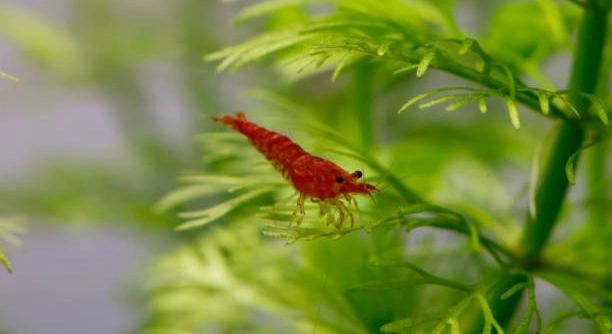
Many aquarium keepers enjoy adding vibrant cherry shrimp to peaceful tanks, yet some companions cause hidden stress. This introduction highlights common interactions that often go unnoticed, offering clarity for anyone hoping to support shrimp behavior.
Cherry shrimp secretly dislike certain tank mates because of predatory instincts or constant disturbance. These stressors reduce feeding opportunities, limit movement, and heighten vulnerability. Understanding these conflicts helps aquarists create environments that promote calm, reduce harm and maintain shrimp well-being.
Learning about unsuitable companions offers guidance for shaping safer tanks, helping you understand patterns that influence shrimp comfort and harmony.
Aggressive Fish That Stress Cherry Shrimp
Cherry shrimp may look confident as they explore plants and driftwood, but some fish create an atmosphere that feels overwhelming. Species with bold personalities often rush toward movement, poke around hiding spots, or claim sections of the tank where shrimp usually feed. This behavior leaves shrimp feeling pressured, limiting how often they graze on biofilm or venture out into open areas. Even though shrimp handle gentle activity well, persistent chasing or nudging disrupts their rhythm in subtle ways. Over time these patterns shape their daily habits, making them more cautious and less active. When I watch my own shrimp retreat quickly, it becomes clear how easily they can feel unsettled when placed with the wrong companions. Choosing tank mates that behave calmly allows shrimp to maintain their natural routine, move freely, and display the bright colors that make them so charming. A peaceful setup always brings out their best behavior.
Fish with assertive tendencies make shrimp withdraw from essential areas, lowering their activity and feeding time. These interactions slowly influence shrimp confidence and overall comfort, highlighting the need for calm companions that respect boundaries and move gently around shared spaces in the tank environment each day they navigate routine tasks.
Shrimp thrive when surrounded by steady movement, predictable patterns, and tank mates that avoid sudden dashes. Creating this atmosphere begins with thoughtful stocking. Calm fish such as small rasboras or peaceful snails help shape a space where shrimp can graze without tension. When shrimp feel secure, they show richer coloration, explore every corner, and maintain healthy feeding cycles. I’ve noticed that their behavior becomes more expressive when nothing startles them, allowing their natural routines to flourish. Keeping the focus on stability benefits the entire setup, making the tank easier to observe and enjoy while supporting strong shrimp activity each day.
Fast Swimmers That Outcompete Shrimp
Some species move quickly across every layer of the tank, creating constant motion that leaves shrimp struggling to reach food. Their rapid pace shifts the rhythm of the environment, making delicate scavengers hesitant to explore and reducing opportunities for balanced feeding throughout the day in busy conditions that persist daily.
Fast moving tank mates often change the atmosphere of a community setup in ways that shrimp cannot ignore. Their quick bursts across plants, rocks, and open water place shrimp at a constant disadvantage, especially during feeding periods. While shrimp rely on slow and steady foraging, fast swimmers sweep through food sources before shrimp have time to react. This imbalance influences growth, energy, and willingness to explore. I’ve watched shrimp pause mid movement when a rapid fish streaks past, clearly adjusting their behavior to avoid getting caught in heavy activity. Over time these interruptions shape how they use space, keeping them closer to shaded areas and reducing natural grazing. When widespread movement fills the tank, shrimp often choose caution over confidence, shifting their routine into short bursts rather than relaxed patterns. Maintaining a supportive environment means selecting tank mates that move predictably and avoid competitive feeding habits. Slower, calmer species allow shrimp to follow their usual rhythm, building a balanced setup where each creature has room to thrive. By keeping activity levels moderate, you support healthier shrimp behavior and create an aquarium that feels gentle, steady, and more comfortable for delicate invertebrates living in shared spaces each day without constant stress.
Large Bottom Dwellers
Large bottom dwellers often crowd the substrate where cherry shrimp search for food. Their size and constant movement force shrimp to retreat, limiting access to grazing areas and increasing stress levels. Over time, shrimp may stop exploring open spaces entirely.
These fish dominate the lower regions of the tank, leaving little room for shrimp to forage comfortably. They often dig through sand or gravel, scattering detritus and disrupting plants that provide hiding spaces. I’ve seen shrimp pause for long periods when a large catfish moves nearby, avoiding normal feeding patterns. The constant activity at the bottom creates a sense of threat, even without aggression. For shrimp to feel secure, these areas need calm inhabitants that do not interfere with their daily routines.
Shrimp rely on gentle, consistent activity around the substrate. Large fish disrupt the microhabitat, making it difficult for shrimp to maintain normal behavior. They retreat into decorations or cling to plants, which reduces foraging efficiency. This stress can affect molting, feeding, and color expression. Observing shrimp in a tank with heavy bottom dwellers reveals their hesitation and slower movements. Choosing smaller or less intrusive species helps maintain balance, allowing shrimp to move freely and access food without constant interruptions. Providing multiple hiding spots mitigates stress, letting them resume normal patterns while coexisting safely.
Aggressive Snails
Aggressive snail species sometimes compete with cherry shrimp for biofilm and algae. Their persistent grazing discourages shrimp from feeding in the same areas, reducing energy intake and overall comfort.
These snails often monopolize surfaces and corners where shrimp graze, pushing them to less ideal spots. I’ve noticed that shrimp will cling to vertical surfaces or plant leaves when aggressive snails patrol the tank. Over time, shrimp become hesitant to leave safe zones, slowing their normal exploration and feeding behaviors. The imbalance affects growth and coloration, especially in younger shrimp. Keeping calmer snail species ensures shrimp can access food without competition, supporting healthy activity and balanced tank dynamics.
Shrimp in tanks with competitive snails adjust by avoiding shared surfaces and concentrating in quieter areas. The constant presence of aggressive snails reduces feeding opportunities, forcing shrimp to change daily routines. Over time, this behavior impacts overall health, as less grazing and movement create stress. I’ve observed that shrimp become less vibrant and more reclusive when snails dominate surfaces. Choosing slow, peaceful snail species allows shrimp to graze naturally, maintain proper nutrition, and exhibit bright colors. Multiple feeding zones and hiding spaces further reduce competition, supporting a stable, calm environment for all tank inhabitants.
Boisterous Fish
Boisterous fish create constant motion in the tank, startling cherry shrimp and interrupting feeding. Their sudden darting and quick movements leave shrimp hiding more often, which reduces natural grazing and limits overall activity in the aquarium environment.
Even mild but active fish can cause stress when their energy levels are high. Shrimp may cling to plants or decorations, avoiding areas where these fish swim. Over time, this reduces confidence and feeding efficiency. Observing my own shrimp, I notice hesitation whenever a particularly active fish passes by, showing how even non-aggressive movement can influence shrimp behavior.
Large Shrimp
Large shrimp species dominate shared spaces and compete for food, often forcing smaller cherry shrimp into corners or hiding spots. Their presence alters feeding patterns and reduces access to preferred grazing surfaces. Shrimp respond by staying in safer areas, slowing normal activity and exploration.
Territorial Fish
Territorial fish claim areas of the tank, limiting space for cherry shrimp to forage. Shrimp avoid these zones to prevent conflicts, which reduces movement and increases stress.
Overcrowded Tanks
Overcrowding increases competition and stress among all tank inhabitants. Cherry shrimp struggle to find sufficient food and safe hiding spots, which affects molting and growth.
FAQ
Which fish are safest to keep with cherry shrimp?
Calm, small fish that avoid aggressive behavior are best. Species like small rasboras, neon tetras, and otocinclus catfish generally coexist well. They do not chase shrimp or compete aggressively for food, allowing shrimp to explore and feed without stress. Observing interactions in your tank is key, as individual temperaments can vary.
Can large shrimp coexist with cherry shrimp?
Large shrimp may dominate shared spaces and food sources. While they are not aggressive, their size can intimidate smaller cherry shrimp. If combined, ensure plenty of hiding spots and multiple feeding areas so smaller shrimp have safe access to food and shelter.
Do snails affect cherry shrimp behavior?
Peaceful snails are fine, but aggressive or fast-grazing snails can outcompete shrimp for algae and biofilm. Shrimp may retreat to less ideal areas when snails monopolize surfaces. Choosing calm snail species and adding extra feeding zones reduces competition and stress.
How do I prevent stress in cherry shrimp?
Maintain a stable, calm environment. Avoid aggressive fish, overcrowding, and rapid changes in tank conditions. Provide ample plants, driftwood, and decorations for hiding. Regularly observe shrimp behavior; if they appear reclusive or avoid feeding areas, adjustments may be needed. Stress reduction is essential for healthy molting and color expression.
Is tank size important for shrimp comfort?
Yes, space affects activity and stress levels. Smaller tanks with many active or aggressive tank mates limit hiding spots and grazing areas. Larger tanks allow shrimp to escape dominant or fast-moving species and explore freely. Even in larger setups, maintaining calm companions and balanced population density is essential.
Can shrimp recover from stressful tank mates?
Shrimp can regain normal behavior if removed from stressful conditions. Introducing them to calmer tanks with sufficient hiding spots and gentle tank mates allows them to resume grazing, exploring, and displaying bright coloration. Patience is needed, as recovery may take several days to weeks depending on prior stress exposure.
Do cherry shrimp need hiding spaces?
Yes, hiding spots are crucial. Plants, rocks, and driftwood give shrimp security and prevent stress from boisterous or territorial tank mates. Dense vegetation also supports natural grazing on biofilm, keeping shrimp active and healthy. Shrimp without hiding spaces are more likely to avoid feeding and show muted colors.
How often should I check shrimp behavior?
Daily observation is helpful. Watch for sudden retreats, prolonged hiding, or avoidance of feeding areas. These signs indicate stress from tank mates or environmental factors. Regular checks allow early intervention, ensuring shrimp remain healthy and their behavior stays natural.
Can feeding adjustments help stressed shrimp?
Yes, spreading food in multiple areas reduces competition with fast-moving fish or aggressive shrimp. Using sinking pellets or placing food near hiding spots ensures shy shrimp get proper nutrition. Feeding small amounts multiple times per day supports calm grazing and minimizes stress.
Are there warning signs of incompatible tank mates?
Yes, constant chasing, reduced activity, retreating to corners, and faded coloration indicate stress. If shrimp appear hesitant to leave shelters or skip feeding opportunities, tank mate behavior may be the cause. Acting quickly by rearranging the tank or adjusting inhabitants helps restore balance and shrimp well-being.
Do shrimp interact differently in planted tanks?
Plants create hiding spaces and reduce conflict with fast or territorial tank mates. Dense planting allows shrimp to explore safely, encourages natural grazing, and promotes comfort. Shrimp in bare tanks show more stress responses when confronted with boisterous fish, aggressive snails, or large bottom dwellers.
Is water quality linked to stress from tank mates?
Indirectly, yes. Poor water conditions combined with aggressive or fast-moving tank mates amplify stress. Maintaining stable temperature, pH, and filtration ensures shrimp cope better with interactions. Stress from both environmental and social factors affects molting, feeding, and coloration.
Can juvenile shrimp tolerate more active tank mates?
Juvenile shrimp are more vulnerable to stress and may hide excessively around active species. They need gentle companions, ample cover, and careful feeding to grow and survive. Tank selection is critical for early development, as repeated stress can affect growth and overall health.
How do I introduce new tank mates safely?
Add calm, slow-moving species gradually and observe interactions. Quarantine new additions to prevent disease and reduce sudden behavioral changes. Introducing one species at a time allows shrimp to adjust and reduces risk of stress or territorial disputes.
What is the ideal number of tank mates for cherry shrimp?
Keep populations balanced to avoid overcrowding. Too many fish or large shrimp increase competition for food and space. Smaller numbers in well-planted tanks create a stable environment where shrimp can graze, explore, and maintain natural behaviors without constant threat from neighbors.
Final Thoughts
Cherry shrimp are delicate, social creatures that thrive in calm, balanced environments. Their behavior and well-being are heavily influenced by the species they share a tank with. Aggressive fish, fast swimmers, large bottom dwellers, or competitive snails can all limit their access to food, hiding spots, and preferred areas of the tank. Over time, these interactions may cause stress, which affects feeding habits, molting, color expression, and overall activity. Observing shrimp in their environment helps identify patterns of discomfort or avoidance. For instance, shrimp that frequently retreat to corners, cling to plants, or show muted coloration are often reacting to disturbances caused by tank mates. Providing sufficient space, multiple feeding zones, and dense vegetation can mitigate these issues and allow shrimp to display natural behaviors more consistently. I’ve found that even small adjustments, such as rearranging decorations or selecting slower-moving species, make a noticeable difference in shrimp activity and comfort levels.
Maintaining water quality and stable tank conditions is equally important. Sudden changes in temperature, pH, or filtration can amplify stress caused by incompatible tank mates. Cherry shrimp respond best to predictable, calm environments where they can explore without fear of harassment or competition. Tanks with dense plant coverage, driftwood, and hiding spaces offer both security and grazing surfaces. This setup encourages shrimp to move freely, feed regularly, and molt successfully. Overcrowding should be avoided, as it increases competition and elevates stress. Even small populations benefit from thoughtful planning, as too many fish or large invertebrates can dominate shared spaces and alter shrimp behavior. Observing shrimp daily allows for early detection of stress, making it easier to adjust the tank environment before issues become severe. I’ve noticed that shrimp in well-planned tanks are more vibrant, active, and less prone to hiding than those in crowded or unbalanced setups.
Careful selection of tank mates is crucial for long-term success. Choosing peaceful, slow-moving fish, calm snail species, and compatible invertebrates allows cherry shrimp to flourish. Large or aggressive species should be avoided, as they often disrupt feeding routines and limit exploration. Providing multiple feeding areas ensures all inhabitants receive proper nutrition, while hiding spots give shrimp refuge from unexpected movements. Gradual introductions, observation, and attention to behavior are key to maintaining harmony. Shrimp benefit most from an environment that balances activity levels, space, and security. When the tank is thoughtfully arranged and companions are chosen carefully, cherry shrimp display their natural charm, vibrant colors, and healthy activity patterns, creating a calm and enjoyable aquarium environment.

Hello,
If you enjoy the content that we create, please consider saying a "Thank You!" by leaving a tip.
Every little bit helps us continue crafting quality advice that supports the health, happiness, and well-being of pets around the world, for pets of all shapes, sizes, and species.
We really appreciate the kindness and support that you show us!