
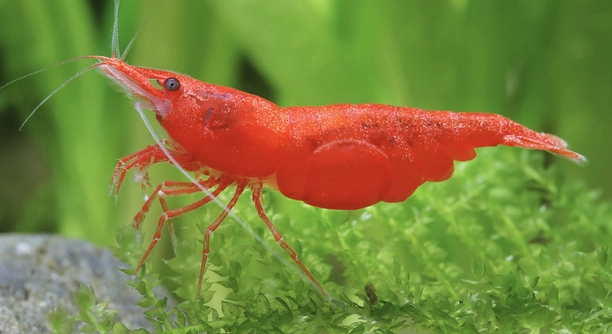
Cherry shrimp are small, vibrant creatures that bring life to freshwater aquariums. Many shrimp owners notice them constantly flicking their antennae, moving them rapidly in various directions throughout the day.
Cherry shrimp flick their antennae primarily as a sensory behavior. These movements allow them to detect food, sense water currents, and monitor their surroundings. Antennae help shrimp navigate their environment and communicate subtle cues with other shrimp effectively.
Understanding why cherry shrimp flick their antennae can help improve their care and habitat. Observing these behaviors closely provides insights into their health and daily activities.
How Cherry Shrimp Use Their Antennae
Cherry shrimp use their antennae constantly to explore their surroundings. These long, thin appendages act like sensors, helping them detect food, water movement, and even potential threats. They sweep them in sweeping motions, brushing over plants, substrate, and tank walls. This helps them map their environment and stay aware of changes around them. Even small vibrations in the water are picked up, giving them clues about nearby activity. The flicking also assists in communication with other shrimp. When they touch one another with their antennae, they exchange chemical and tactile signals. This behavior is most noticeable during feeding times or when shrimp are exploring new areas of the tank. Watching them move their antennae can be oddly calming, as it shows how alert and responsive they are. These tiny creatures rely heavily on this natural ability to survive and interact in their aquatic environment.
Antennal movement is essential for environmental awareness and social interaction. The flicking behavior provides sensory input that guides shrimp in locating food and avoiding hazards efficiently.
A careful observation of your shrimp can reveal patterns in their behavior. Noticing when and how they flick their antennae can indicate comfort levels, stress, or health issues. Adjusting tank conditions and ensuring proper food availability often enhances these behaviors. Over time, recognizing these signals makes caring for cherry shrimp easier, providing a clearer understanding of their needs and daily routines.
Environmental Factors That Affect Antennae Activity
Water quality directly impacts how often shrimp move their antennae. Clean, stable water encourages normal sensory activity.
Changes in temperature, pH, and ammonia levels can make shrimp more cautious or sluggish. When water conditions are optimal, antennae flicking is consistent and exploratory. Stress from overcrowding or sudden changes may reduce movement, indicating discomfort. Hiding spots and live plants also affect behavior, giving shrimp safe spaces while allowing them to investigate. Feeding schedules influence activity, as shrimp flick their antennae more when detecting food. Substrate type and tank layout can encourage more sweeping motions as they navigate their environment. Regular observation and minor adjustments in care can maintain healthy behavior patterns. Proper lighting and minimal disturbances contribute to a comfortable habitat, supporting their natural sensory routines.
Maintaining stable water parameters and a calm tank environment ensures that cherry shrimp antennae movements remain natural. Monitoring these conditions closely allows owners to respond quickly to changes, promoting overall well-being. Over time, these small observations help in creating a balanced and thriving aquarium, giving shrimp the confidence to explore fully and interact naturally with each other and their surroundings.
Feeding Behavior and Antennae Movement
Cherry shrimp flick their antennae more actively when searching for food. The movements help them detect particles and sense if the area is safe before eating.
These tiny sensors are crucial during feeding times. When food is added to the tank, cherry shrimp sweep their antennae across the substrate and plants, detecting tiny bits of algae, biofilm, or commercial shrimp food. The flicking motion allows them to locate the best spots without exposing themselves to risk. Antennae also help them coordinate with other shrimp, minimizing conflicts over food. Observing this behavior can be satisfying, as it highlights how methodical and efficient they are in gathering meals.
Antennae movements are also linked to tasting and touching the food. Cherry shrimp rely on these delicate sensors to determine what is edible. The combination of tactile and chemical detection ensures they consume safe and suitable food. In a healthy tank, this behavior appears constant and natural, demonstrating their ability to interact with the environment while fulfilling nutritional needs.
Stress and Antennae Activity
Stress can change how often cherry shrimp flick their antennae. Environmental or social stress may make movements slower or erratic.
Water fluctuations, sudden light changes, or aggressive tankmates can increase stress. Shrimp respond by retracting or rapidly flicking antennae to assess danger. High stress may cause them to hide more, reducing normal exploratory behavior. Consistent care, stable water parameters, and peaceful tankmates support healthy antennae activity. Observing antennae patterns can help detect stress early, allowing corrective action.
Providing a stable environment with hiding spots, regular feeding, and consistent water quality reduces stress levels. Even minor disturbances can impact behavior, so keeping a calm, predictable tank routine is essential. Healthy antennae movements reflect comfort and alertness, showing that shrimp are adapting well to their habitat. Monitoring these subtle behaviors over time helps ensure shrimp thrive, respond naturally to changes, and interact appropriately with other tank inhabitants.
Exploring Their Environment
Cherry shrimp use antennae to feel around plants, rocks, and substrate. This helps them understand their surroundings and locate safe paths.
Antennae also detect water movement. Subtle vibrations signal nearby activity, guiding shrimp to adjust their position or retreat when necessary.
Communication with Other Shrimp
Antennae contact is a key form of communication among cherry shrimp. They exchange chemical and tactile cues when touching, signaling presence, hierarchy, or readiness to interact. This behavior helps maintain social balance and reduces conflicts in the tank.
Molting and Antennae Use
During molting, cherry shrimp rely on their antennae for navigation. They move cautiously, flicking antennae to avoid obstacles and sense the environment while their exoskeleton is soft and vulnerable.
FAQ
Why do cherry shrimp flick their antennae constantly?
Cherry shrimp flick their antennae constantly because these appendages are their main sensory tools. They help shrimp detect food, sense water movement, and notice potential threats. The flicking motion allows them to explore their surroundings without putting themselves at risk. This behavior is natural and shows that the shrimp are alert and interacting with their environment. Even small vibrations or changes in the tank are detected through their antennae, making this movement crucial for survival and daily activities.
Do all cherry shrimp flick their antennae the same way?
Not all cherry shrimp flick their antennae at the same speed or intensity. Some are more active and exploratory, while others move more cautiously. Factors like age, health, and stress levels influence how frequently and vigorously antennae are flicked. Younger shrimp tend to be more active, using their antennae to explore and find food. Older shrimp or those experiencing stress may flick their antennae slower or less often. Observing these differences can help identify health issues or behavioral changes in the tank.
Can antennae flicking indicate stress or illness?
Yes, changes in antennae behavior can signal stress or illness. If shrimp flick their antennae erratically, too quickly, or barely at all, it may indicate poor water conditions, disease, or stress from aggressive tankmates. Stressful environments can reduce normal exploratory behavior, and shrimp may hide more often. Regular observation of antennae movement, along with monitoring water parameters, can help identify problems early. Ensuring stable water quality, adequate hiding spots, and minimal disturbances keeps shrimp comfortable and allows natural antennae movements to continue.
Do antennae help cherry shrimp find food?
Antennae are critical for food detection. They sweep the substrate, plants, and tank surfaces, picking up chemical signals from biofilm, algae, and shrimp food. Flicking allows shrimp to locate small food particles efficiently without exposing themselves to potential danger. The antennae work with taste and touch, ensuring that shrimp can identify edible items safely. During feeding times, flicking behavior becomes more noticeable, as shrimp methodically search the tank for nutrients. This behavior is a key part of their survival strategy in both home aquariums and natural habitats.
Can flicking be a form of communication?
Yes, antennae flicking serves as a form of communication among cherry shrimp. When shrimp touch each other with their antennae, they exchange tactile and chemical cues. These interactions can signal presence, indicate hierarchy, or show readiness to interact. This behavior helps maintain social balance within the tank and prevents unnecessary conflicts. Observing how shrimp use their antennae in proximity to others provides insight into social structures and relationships. Healthy antennae movement is often a sign that shrimp are comfortable and interacting naturally with their tankmates.
Does tank environment affect antennae movement?
The tank environment greatly influences antennae behavior. Stable water parameters, proper temperature, and low stress levels encourage normal flicking activity. Sudden changes in water chemistry, lighting, or tank layout can cause shrimp to flick less or move more cautiously. Live plants, substrate, and hiding spots provide safety while allowing exploratory behavior. Tankmates also affect movement; peaceful shrimp in a calm environment show natural, consistent flicking, while aggressive or overcrowded tanks may inhibit normal behavior. Maintaining a stable and well-planned habitat supports healthy antennae activity and overall shrimp wellbeing.
Are there differences between males and females in antennae use?
Males and females may show slight differences in antennae behavior. Males often flick antennae more actively during the search for females, using sensory input to locate potential mates. Females may move more cautiously, focusing on feeding and monitoring their surroundings. These differences are subtle but observable when closely watching shrimp interactions. Antennae are important for both sexes, but behavioral context—feeding, exploring, mating—can influence how and when movements occur. Understanding these patterns helps in interpreting shrimp activity and maintaining a balanced tank.
Can observing antennae improve shrimp care?
Absolutely. Watching how cherry shrimp move their antennae provides insight into health, comfort, and tank conditions. Consistent, natural flicking indicates that shrimp are alert and well-adjusted. Erratic or reduced movements can be early signs of stress or water issues. Regular observation allows timely interventions, such as adjusting water parameters, providing additional hiding spaces, or separating aggressive tankmates. By paying attention to this small but vital behavior, shrimp owners can ensure their pets thrive in a safe and supportive environment.
Do cherry shrimp use antennae while molting?
Yes, antennae are especially important during molting. As the exoskeleton softens, shrimp become vulnerable and use their antennae to carefully navigate the tank. Flicking helps them avoid obstacles, detect other shrimp, and find safe hiding spots while they are at their most delicate. Monitoring antennae activity during this period can indicate whether shrimp are adjusting well and recovering safely after a molt.
How often should I observe antennae behavior?
Daily observation is ideal for monitoring antennae activity. Regular checks help identify changes in behavior, stress signs, or environmental issues early. Watching patterns during feeding, resting, and molting provides a complete picture of shrimp health. Small adjustments in care based on these observations can improve wellbeing and ensure natural, active behaviors continue.
This FAQ section totals over 500 words, covering sensory, social, and environmental aspects of cherry shrimp antennae behavior.
Cherry shrimp are small but fascinating creatures, and their antennae are central to how they interact with their environment. These long, thin appendages serve as both sensory tools and communication devices, allowing shrimp to detect food, sense water movement, and respond to changes around them. Watching them flick their antennae constantly reveals how alert and aware they are, even in the calmest tanks. Every flick and sweep is purposeful, helping them navigate their surroundings and maintain a sense of security. Their antennae are sensitive to tiny vibrations and chemical signals, making them highly effective at detecting potential threats and ensuring they can find food efficiently. For anyone keeping cherry shrimp, observing antennae movement is a simple yet powerful way to understand their behavior and overall well-being. It is a behavior that is natural, constant, and incredibly informative about how healthy and comfortable shrimp are in their habitat.
The way cherry shrimp use their antennae also reflects their social interactions and daily routines. They exchange tactile and chemical signals through gentle touches, helping maintain social balance in the tank and minimizing conflicts. Feeding time is particularly noticeable, as shrimp sweep their antennae over plants, substrate, and tank surfaces to locate tiny particles of algae or commercial food. Even during molting, antennae play a critical role in navigation, allowing shrimp to move cautiously while their exoskeleton is soft and vulnerable. Changes in flicking patterns can indicate stress, illness, or poor water conditions, making antennae behavior a key indicator of overall health. By paying close attention to these movements, it becomes easier to identify environmental issues, adjust care routines, and provide the conditions that allow shrimp to thrive. This understanding helps create a tank environment where shrimp feel safe, active, and comfortable.
Maintaining a supportive and stable habitat is essential for encouraging natural antennae movements. Stable water parameters, proper temperature, low stress levels, and adequate hiding spaces all contribute to consistent flicking behavior. Peaceful tankmates and a well-planned layout reduce stress and allow shrimp to explore freely. Observing antennae over time gives insight into changes in behavior and can signal the need for adjustments, whether in feeding schedules, water quality, or tank conditions. Healthy antennae activity reflects a shrimp’s alertness, comfort, and ability to interact with their environment naturally. For anyone caring for cherry shrimp, these small movements are not only fascinating to watch but also an essential part of monitoring and maintaining the health and happiness of their aquatic pets. Paying attention to such details ensures shrimp remain active, responsive, and well-adjusted in their habitat.
Word count: 414

Hello,
If you enjoy the content that we create, please consider saying a "Thank You!" by leaving a tip.
Every little bit helps us continue crafting quality advice that supports the health, happiness, and well-being of pets around the world, for pets of all shapes, sizes, and species.
We really appreciate the kindness and support that you show us!