
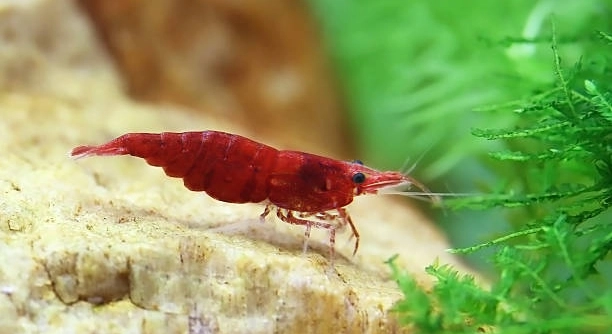
Do you ever find yourself watching your cherry shrimp glide through the tank, wondering how to keep them active and stimulated? These small aquatic pets need more than just water and food to thrive happily.
Providing entertainment for cherry shrimp can involve a variety of strategies, including adding live plants, moss, hiding spaces, and stimulating objects. These measures promote natural behavior, reduce stress, and contribute to overall health and longevity in captivity.
Keeping cherry shrimp engaged enhances their environment, encouraging movement, exploration, and interaction. Simple additions can transform a basic tank into a lively, stimulating habitat.
Adding Live Plants
Live plants are a great way to keep cherry shrimp active. They provide hiding spots, surfaces to graze on, and areas for exploration. Mosses, java ferns, and floating plants create natural textures that shrimp enjoy moving through. Shrimp often pick at plant surfaces, feeding on biofilm, which promotes their health. Plants also improve water quality by absorbing excess nutrients and producing oxygen. By placing plants of different heights and densities, you create layers in the tank that encourage shrimp to explore every corner. Hiding spots reduce stress and make shrimp feel secure. The combination of food, shelter, and structure creates a more stimulating environment. Shrimp are naturally curious and benefit from constant visual and tactile changes in their habitat. Over time, plants grow and change, subtly altering the tank layout. These changes keep shrimp interested and active as they interact with their surroundings. Regular trimming maintains the health of plants and ensures the tank remains engaging.
Adding live plants encourages natural behaviors and keeps shrimp active, improving both their health and tank aesthetics.
Plants not only provide grazing surfaces but also create a dynamic, ever-changing environment. Shrimp explore leaves, stems, and moss, feeding on biofilm. This interaction enhances activity and reduces stress. The natural hiding spaces allow them to feel secure, while layered plant growth encourages constant exploration. By incorporating plants of different types and heights, the tank remains visually stimulating. Trimming and maintenance keep plants healthy and prevent overcrowding, which could limit movement. Seasonal growth variations offer new surfaces and textures, keeping shrimp interested over time. In combination with other enrichment methods, plants are a central feature in maintaining a lively and healthy shrimp habitat, ensuring both their physical and mental well-being.
Adding Small Hiding Spots
Small hiding spots provide shrimp with safe areas to retreat when they feel threatened. They prefer caves, tubes, or ceramic decorations that mimic natural crevices. These spots reduce stress and promote exploration.
Creating hiding spaces allows shrimp to explore at their own pace, balancing activity and security.
By adding a variety of small shelters, you give each shrimp a personal area within the tank. These spots help reduce aggression and stress, especially in tanks with multiple shrimp. Materials such as ceramic tubes, small driftwood pieces, and rock formations work well, offering different textures for interaction. Hiding spots also encourage natural behaviors like molting and resting, as shrimp feel safe shedding exoskeletons in private spaces. Proper placement of these shelters throughout the tank encourages movement, as shrimp travel from one spot to another. It is important to leave open swimming areas between hiding spots so shrimp can remain active and explore freely. Regular cleaning of shelters ensures they do not accumulate harmful debris or algae, maintaining a healthy environment. By combining these elements with plants and other enrichment tools, you create a balanced, engaging habitat that promotes both physical health and behavioral stimulation.
Floating Food and Treats
Floating foods attract shrimp to the surface and encourage natural foraging behavior. They can include algae wafers, blanched vegetables, or specialized shrimp pellets. Small, slow-sinking pieces work best to prevent overeating.
Floating treats provide mental stimulation by prompting shrimp to explore different tank levels. When shrimp reach for floating food, they use climbing and swimming skills, which enhances their activity. Alternating types of treats prevents boredom and introduces variety. Blanched vegetables like zucchini or spinach also offer nutritional benefits. Observing shrimp gather around floating food can be rewarding, as it reflects their natural grazing instincts. Maintaining a clean tank ensures leftover food does not pollute the water, keeping the environment safe and healthy. Using floating food occasionally can supplement their regular diet while keeping them engaged in movement and foraging behavior.
Floating foods are ideal for combining feeding with stimulation. They encourage movement across tank surfaces and provide variety in both diet and activity patterns.
Tank Decorations and Terrain
Decorations like rocks, driftwood, and small ornaments create terrain for shrimp to explore and climb. Varied surfaces offer grazing opportunities for biofilm and algae.
By carefully arranging decorations, you create pathways, climbing challenges, and sheltered areas that engage shrimp physically and mentally. Rocks and driftwood serve as grazing surfaces, while small ornaments can double as hiding spots. The layout should balance open swimming spaces with intricate areas to explore, preventing stagnation. Different textures and heights promote interaction, with shrimp frequently investigating new surfaces. Decorations also contribute to tank aesthetics while supporting natural behaviors, encouraging molting, resting, and feeding in secure areas. Regular repositioning of decorations adds novelty, keeping shrimp curious and active. Maintaining clean surfaces prevents harmful algae or debris buildup, ensuring long-term health. Thoughtful terrain design helps sustain an enriching environment that supports shrimp activity and well-being consistently.
Driftwood and Rocks
Driftwood and rocks provide climbing surfaces and grazing areas for biofilm. They create natural textures and small nooks that encourage shrimp to explore different parts of the tank.
These additions mimic natural habitats, giving shrimp both security and stimulation. They can hide, climb, and forage around them, increasing activity and promoting healthy behavior.
Gentle Water Currents
Introducing gentle water currents encourages shrimp to swim and explore. Low-flow filters or small pumps create movement without stressing them. Swimming against mild currents provides exercise and mental stimulation, keeping shrimp active and engaged throughout the tank.
Leaf Litter
Adding dried leaves, such as Indian almond leaves, creates natural grazing surfaces. Shrimp feed on the biofilm and microorganisms growing on the leaves, promoting natural foraging behavior. Leaf litter also offers hiding spots, helping shrimp feel secure while exploring their environment.
How often should I provide treats for cherry shrimp?
Treats should be offered sparingly, about once or twice a week. Too many treats can lead to water quality issues and overeating. Use small portions that shrimp can consume within a few hours. Blanched vegetables or specialized shrimp pellets work well as occasional enrichment while maintaining a balanced diet.
Can cherry shrimp interact safely with other tank inhabitants?
Cherry shrimp can coexist with small, peaceful fish or snails, but avoid aggressive or larger species that may view them as food. Even compatible tank mates can stress shrimp if the environment becomes overcrowded. Ensure plenty of hiding spaces and visual barriers to minimize stress and encourage natural behavior.
Do shrimp need exercise outside of feeding and exploring decorations?
Exercise comes naturally through swimming, climbing, and foraging. By providing plants, moss, rocks, and gentle currents, shrimp move regularly while interacting with their habitat. Intentional exercise outside of these activities is unnecessary; enrichment within the tank encourages consistent movement and promotes healthy growth.
Is it necessary to rotate tank decorations or enrichment items?
Yes, occasionally rearranging decorations or introducing new enrichment items keeps the environment stimulating. Shrimp are curious and respond positively to changes. Rotation prevents boredom, encourages exploration, and mimics natural variations in their habitat. Always ensure rearrangements are gradual to avoid sudden stress.
How do I know if shrimp are enjoying their environment?
Active, foraging, and exploring shrimp indicate a healthy, engaging habitat. Look for climbing, grazing on biofilm, and moving through different tank areas. Stress or lethargy may signal that enrichment or water conditions need adjustment. A combination of hiding spots, plants, and gentle currents usually encourages positive activity.
Can leaf litter or natural debris harm shrimp?
Properly prepared leaf litter is safe and beneficial. Indian almond leaves, oak, and beech provide grazing surfaces and hiding spots. Avoid untreated or chemically treated leaves, which can introduce harmful substances. Decomposing leaves should be monitored and replaced as needed to prevent excessive water fouling.
Do shrimp prefer live plants over artificial ones?
Live plants provide more grazing surfaces and biofilm than artificial decorations. They also improve water quality and oxygen levels. While artificial plants can offer hiding spaces, they lack nutritional and interactive benefits. A mix of live plants with occasional artificial elements can balance aesthetics and enrichment.
How important is water quality for shrimp activity?
Water quality directly affects shrimp behavior and well-being. Poor water conditions cause stress, lethargy, and reduced activity. Regular monitoring of temperature, pH, ammonia, nitrites, and nitrates ensures a safe environment. Clean, stable water allows shrimp to explore, forage, and interact with enrichment consistently.
Are floating foods better than sinking foods for engagement?
Floating foods encourage surface exploration and climbing, while sinking foods promote bottom foraging. Both types provide stimulation and exercise. Offering a mix keeps shrimp engaged at different tank levels, supporting natural behaviors and preventing repetitive activity patterns.
How do I introduce enrichment without stressing shrimp?
Introduce new items gradually, allowing shrimp to adjust. Start with one or two small additions, observing their response before adding more. Sudden changes can stress shrimp, while gradual introduction encourages curiosity and safe interaction with new surfaces or hiding spots.
What is the best way to combine multiple enrichment strategies?
Combining plants, hiding spots, driftwood, rocks, leaf litter, and gentle currents creates a layered, stimulating environment. Space items to allow both open swimming areas and detailed exploration zones. Rotate or adjust elements occasionally to maintain interest. This approach promotes physical activity, mental stimulation, and overall shrimp well-being consistently.
How do I maintain enrichment items to prevent water issues?
Regular cleaning and maintenance of decorations, driftwood, and leaf litter prevent algae buildup and debris accumulation. Remove decomposing matter promptly and rinse surfaces as needed. Maintaining hygiene ensures shrimp continue to benefit from enrichment without compromising water quality or health.
Can cherry shrimp become bored without proper enrichment?
Yes, a barren tank limits natural behaviors, causing lethargy and stress. Lack of stimulation reduces grazing, climbing, and exploration. Providing varied enrichment, including plants, hiding spots, and gentle currents, ensures shrimp remain active, engaged, and healthy in their habitat.
How often should enrichment items be replaced or rotated?
Evaluate items every few weeks to maintain novelty and functionality. Replace decaying leaves, trim overgrown plants, and reposition decorations gradually. Rotation keeps shrimp engaged and encourages exploration of different surfaces while preserving a safe and clean tank environment.
What is the easiest enrichment strategy for beginners?
Start with live plants, a few hiding spots, and occasional floating or sinking treats. These basic elements provide multiple stimulation methods with minimal effort. Observing shrimp behavior allows adjustments, adding complexity over time as experience and confidence in tank management grow.
Can shrimp enrichment affect breeding behavior?
Yes, a stimulating environment encourages healthy activity and reduces stress, which can positively influence breeding. Hiding spots, plants, and varied surfaces allow safe molting and mating behavior. Well-maintained water conditions and consistent enrichment create optimal conditions for successful shrimp reproduction.
Keeping cherry shrimp entertained is an important part of maintaining a healthy and thriving tank. These small creatures benefit greatly from a stimulating environment that encourages natural behaviors such as foraging, climbing, and exploring. Adding live plants, moss, driftwood, and rocks provides not only shelter but also surfaces for grazing and interacting with the surroundings. Small hiding spots and leaf litter give them security and reduce stress, allowing shrimp to molt safely and rest when needed. Even gentle water currents or floating food can encourage movement and mental engagement. When enrichment is combined thoughtfully, it helps shrimp remain active, healthy, and curious throughout the tank, reducing the risk of lethargy or stress-related health issues.
It is important to maintain a balance between activity and safety. Overcrowding the tank or introducing too many items at once can stress shrimp, so gradual additions are best. Observing shrimp behavior regularly helps identify which enrichment strategies are most effective. Rotating decorations, cleaning leaf litter, and trimming plants keep the environment fresh and engaging without causing harm. Proper water quality is also essential, as poor conditions can reduce activity levels regardless of the enrichment provided. A well-planned tank environment encourages shrimp to explore all levels of the tank, utilize hiding spots, and interact with food and surfaces naturally. By creating a structured yet dynamic habitat, you promote long-term health and ensure shrimp remain active and stress-free.
Overall, entertaining cherry shrimp requires thoughtful planning and consistent care. Providing a mix of live plants, hiding spots, drifting wood, leaf litter, and occasional floating or sinking food creates a rich, stimulating environment. Maintaining clean water, monitoring behavior, and adjusting the layout as necessary ensures the tank remains engaging without overwhelming the shrimp. These small additions and changes encourage natural behavior, improve mental and physical activity, and contribute to overall health. By paying attention to their needs and creating a varied habitat, shrimp will thrive and display lively, curious behaviors. A well-maintained and thoughtfully arranged tank not only supports the shrimp’s well-being but also enhances the enjoyment of observing them as they explore, forage, and interact with their surroundings.

Hello,
If you enjoy the content that we create, please consider saying a "Thank You!" by leaving a tip.
Every little bit helps us continue crafting quality advice that supports the health, happiness, and well-being of pets around the world, for pets of all shapes, sizes, and species.
We really appreciate the kindness and support that you show us!