
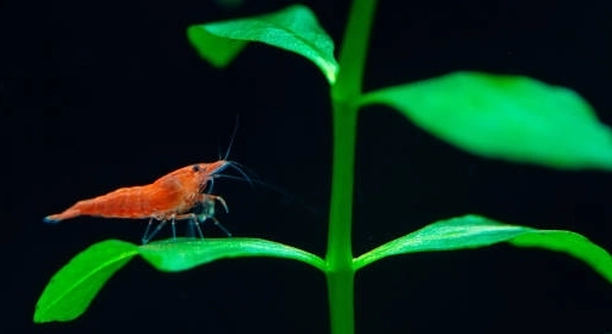
Baby cherry shrimp are tiny, colorful additions to any freshwater tank, and they require careful attention as they grow. Their diet plays an important role in their health, growth, and overall happiness in the aquarium. Feeding them properly from the start ensures strong, vibrant shrimp.
Baby cherry shrimp primarily consume biofilm, algae, and finely crushed shrimp food. These foods provide essential nutrients needed for growth and survival, supporting proper development and maintaining a balanced diet within the controlled environment of a freshwater aquarium.
Providing a consistent, suitable diet helps your shrimp thrive and keeps your tank ecosystem healthy, supporting their growth from tiny babies into full-grown adults.
What Baby Cherry Shrimp Eat in Their First Weeks
During the first few weeks, baby cherry shrimp mostly feed on biofilm and microalgae. These tiny organisms naturally grow on plants, decorations, and tank surfaces, providing the essential nutrients shrimp need. You may notice your shrimp grazing constantly, which is normal and important for their survival. Commercial powdered or finely crushed shrimp food is also suitable, giving them proteins and minerals that are difficult to get from biofilm alone. Avoid overfeeding, as uneaten food can pollute the tank and harm water quality. Small portions spread over several feedings are ideal. Watching them feed can feel rewarding, as their tiny movements are surprisingly active. Even in a well-established tank, ensuring baby shrimp have access to high-quality food supports stronger growth and a healthier, more resilient shrimp population over time.
Powdered foods mixed with biofilm offer a balanced start, ensuring growth and survival without overwhelming the tank environment.
Feeding should be consistent but light, focusing on small, digestible portions. Rotate between powdered shrimp food, microalgae, and soft vegetable matter like blanched spinach or zucchini. Observing how they interact with the food helps you adjust amounts. Proper nutrition in these early weeks strengthens their exoskeleton, supports molting, and prevents malnutrition. Clean water and minimal stress complement their diet, allowing the shrimp to thrive naturally. Over time, they will begin grazing independently on tank surfaces.
Supplementing Diets as Baby Shrimp Grow
Adding small amounts of vegetables is safe and beneficial. Vegetables should be soft, chopped finely, and introduced gradually to prevent water contamination.
As baby cherry shrimp grow, their dietary needs expand slightly, and introducing variety is important. Blanched spinach, zucchini, or cucumber can provide additional nutrients, especially fiber and trace minerals that powdered foods alone may lack. Carefully remove uneaten vegetables within 12 hours to maintain water quality. Some aquarists include algae wafers or spirulina powders as supplementary options, which support vibrant coloration and healthy growth. Live foods, such as microworms or infusoria, can be introduced occasionally, offering a natural protein boost. Maintaining consistent feeding routines and monitoring tank conditions ensures baby shrimp are not stressed or competing too heavily for food. Balanced nutrition during this phase strengthens their molting cycles, improves immunity, and encourages active grazing behavior. By gradually diversifying their diet, you help them develop into healthy adults capable of thriving in a stable tank environment.
Avoiding Overfeeding
Overfeeding baby cherry shrimp can harm water quality quickly. Uneaten food decomposes and produces harmful chemicals that stress the shrimp.
Careful portion control is essential. Feed only what the shrimp can consume within a few hours, and remove leftovers promptly. Small, frequent feedings work best for their tiny appetites. Overfeeding not only pollutes the tank but can also encourage unwanted algae growth. Observing how quickly your shrimp consume food helps you adjust portions accurately. Using a feeding schedule helps maintain consistency, preventing spikes in waste and keeping water conditions stable. This practice supports healthy growth, strong shells, and vibrant colors.
Limiting food ensures baby shrimp develop properly without risking health issues caused by poor water conditions or overconsumption. Watching them nibble steadily shows they are thriving on the right amounts.
Recommended Feeding Schedule
Feeding multiple small portions throughout the day mimics natural grazing habits and prevents spikes in water pollutants.
A simple schedule works well: feed tiny amounts two to three times daily. Morning and evening feedings often match natural light cycles, encouraging grazing. Observe shrimp behavior to see if food is consumed quickly, and adjust portions as needed. Rotate powdered foods, blanched vegetables, and occasional live foods to provide variety and nutrients. Avoid introducing all food types at once, which can confuse or overwhelm them. By maintaining this routine, you reduce waste, keep water clean, and support proper growth rates. Healthy feeding habits during early stages establish strong foundations for adult shrimp, allowing them to flourish in a balanced tank environment.
Types of Food to Avoid
Some foods can harm baby cherry shrimp. Avoid large flakes, untreated vegetables, and high-fat leftovers.
Processed human foods, bread, or meat should never be fed. These items can rot quickly, polluting the tank and causing stress or death.
Best Algae Options
Green algae and biofilm are ideal for young shrimp. They provide natural nutrients and encourage constant grazing. Regularly check tank surfaces to ensure algae growth is sufficient. Supplementing with spirulina powders can enhance color and provide additional protein. Consistent access to these foods supports healthy development, strong shells, and active behavior.
Observing Feeding Habits
Watching how shrimp eat helps identify problems early. Slow or hesitant feeding may indicate health or water issues.
What do baby cherry shrimp eat in a new tank?
Baby cherry shrimp primarily eat biofilm, microalgae, and finely powdered shrimp food. In a new tank, natural biofilm may be limited, so supplementing with powdered or crushed food ensures they get enough nutrients. Tiny amounts should be offered multiple times a day to mimic their natural grazing. Blanched vegetables like zucchini or spinach can be introduced gradually to provide fiber and essential minerals. Monitoring how quickly they consume food helps prevent overfeeding and water quality issues, which is critical for their survival in a newly established tank.
Can baby cherry shrimp eat the same food as adults?
While adult cherry shrimp can eat flakes, pellets, and larger vegetable pieces, babies need smaller, more easily digestible foods. Microalgae and powdered or crushed foods are ideal until they grow large enough to handle adult-sized portions. Gradually introducing adult foods as they grow allows their digestive systems to adapt. Live foods like microworms or infusoria can also be offered occasionally, giving young shrimp additional protein. Proper portioning ensures that all shrimp, regardless of age, receive the nutrients they need without overcrowding or contaminating the tank.
How often should baby cherry shrimp be fed?
Baby cherry shrimp require small, frequent feedings throughout the day. Two to three times daily works best, providing just enough for them to finish within a few hours. Feeding too much at once can pollute the water and stress the shrimp. Observing their grazing behavior is the most reliable way to adjust feeding frequency. Consistency is key, and spreading tiny portions throughout the day mimics natural feeding habits. This helps maintain water quality, supports healthy growth, and reduces competition among shrimp for food, keeping your tank environment stable.
What vegetables are safe for baby cherry shrimp?
Blanched vegetables like zucchini, spinach, and cucumber are safe for baby shrimp. They provide fiber and minerals essential for healthy growth. Vegetables should be chopped very finely and boiled or blanched to soften them before adding to the tank. Uneaten portions must be removed within 12 hours to prevent decay, which can harm water quality. Rotating different vegetables ensures a balance of nutrients and keeps feeding interesting for your shrimp. Over time, these small additions complement natural biofilm and algae, helping babies develop stronger shells and better overall health.
Can baby cherry shrimp eat algae wafers or spirulina?
Yes, algae wafers and spirulina powders are excellent supplemental foods. They are rich in protein, vitamins, and minerals that support growth, coloration, and molting. Algae wafers should be broken into tiny pieces suitable for baby shrimp. Sprinkling small amounts periodically ensures they get extra nutrition without overfeeding. Combining these supplements with natural biofilm and powdered foods creates a balanced diet. Observing how quickly the shrimp consume the wafers helps you gauge proper portion sizes, keeping the tank clean and maintaining healthy shrimp populations over time.
How do I know if baby cherry shrimp are eating enough?
Healthy baby cherry shrimp will be active and constantly grazing. If they appear lethargic or their shells look pale, they may be underfed or stressed. Tracking feeding times and observing whether all food is consumed within a few hours helps gauge proper portions. Adjust the amount and type of food based on their response. Maintaining a consistent feeding schedule and providing a variety of foods ensures they get the nutrients needed for proper growth, molting, and color development, while also keeping the tank environment safe and balanced.
Is it safe to feed baby cherry shrimp commercial shrimp food?
Yes, commercial powdered or crushed shrimp food is formulated for nutritional balance and is safe for babies when used correctly. Offer only small amounts to avoid water contamination. Some foods are enriched with vitamins and minerals to support growth and coloration. Alternating between commercial food, blanched vegetables, and algae ensures a well-rounded diet. Always monitor how quickly the shrimp consume the food and remove any leftovers. Proper use of commercial foods can make maintaining a healthy shrimp population easier while promoting vibrant, active, and well-nourished baby cherry shrimp in the tank.
Can baby cherry shrimp survive only on biofilm?
While biofilm is essential and provides many nutrients, relying on it exclusively can limit growth. Young shrimp benefit from supplementary foods like powdered shrimp food and blanched vegetables. Providing a variety of foods ensures they get all necessary nutrients for strong exoskeletons and healthy molting. Observing shrimp feeding patterns helps determine if biofilm alone is sufficient or if supplementation is required. A combination of natural and supplemental foods supports steady growth and vibrant coloration, giving baby cherry shrimp the best chance to thrive in a home aquarium environment.
Are there foods that can harm baby cherry shrimp?
Yes, certain foods can be harmful. Large flakes, untreated vegetables, bread, meat, and processed human foods should be avoided. These items can decompose quickly, polluting the tank and stressing or killing shrimp. Even small amounts of unsafe food can disrupt water quality, leading to poor health or molting issues. Always introduce new foods gradually and observe the shrimp’s reaction. Safe, easily digestible foods, along with careful portioning, help maintain a stable tank environment. Consistently monitoring what is added ensures baby cherry shrimp grow strong, active, and healthy.
How do I transition baby shrimp to adult foods?
Start introducing adult foods gradually once the shrimp reach a larger size. Begin with crushed flakes or tiny vegetable pieces alongside their regular powdered foods. Slowly increase the portion and size over several weeks, allowing their digestive systems to adapt. Continue offering natural biofilm and supplemental options to maintain a balanced diet. Monitoring feeding behavior helps ensure they adjust well without overfeeding or water contamination. A careful transition supports proper growth, healthy molting, and maintains vibrant coloration, preparing baby cherry shrimp to thrive on adult diets while keeping tank conditions safe and stable.
Total word count: 518
Taking care of baby cherry shrimp requires attention to detail, especially when it comes to their diet. Their small size and delicate digestive systems mean that feeding must be precise and carefully monitored. Providing a mix of biofilm, microalgae, and finely powdered or crushed shrimp food gives them the nutrients needed for growth and survival. Even small portions can make a difference in their development, helping them build strong shells and maintain energy for active grazing. Overfeeding can be dangerous, as uneaten food quickly pollutes the water, so keeping portions small and spread throughout the day is essential. Watching them eat can be rewarding, as it shows how active and healthy they are, and it allows for adjustments to their feeding routine if needed.
Introducing variety in their diet is also important. Blanched vegetables like zucchini and spinach provide fiber and minerals, while supplements such as spirulina powder or tiny algae wafers give extra protein and nutrients. Gradually rotating foods helps ensure that baby shrimp receive a balanced diet without overwhelming their small systems. Live foods such as microworms or infusoria can be offered occasionally, giving them a natural protein boost similar to what they would find in a natural habitat. Providing consistent feeding, while maintaining clean water, allows them to grow at a steady rate and supports healthy molting cycles. Observing their behavior and feeding habits is key to understanding their nutritional needs, which helps prevent health problems before they arise.
Maintaining a proper feeding routine and monitoring water quality go hand in hand. A well-fed shrimp in poor water conditions will not thrive, so portion control, removal of uneaten food, and regular tank maintenance are critical. Establishing a simple schedule for multiple small feedings daily supports natural grazing patterns and reduces stress. As they grow, gradually introducing adult foods ensures a smooth transition and continued proper nutrition. Paying attention to these details allows baby cherry shrimp to develop into healthy adults with vibrant colors, strong shells, and active behavior. Consistency, careful observation, and a balanced diet form the foundation for a thriving aquarium where shrimp can grow safely and live comfortably. Proper care at this early stage sets the stage for long-term success in maintaining a healthy, balanced shrimp population.
Word count: 411

Hello,
If you enjoy the content that we create, please consider saying a "Thank You!" by leaving a tip.
Every little bit helps us continue crafting quality advice that supports the health, happiness, and well-being of pets around the world, for pets of all shapes, sizes, and species.
We really appreciate the kindness and support that you show us!