
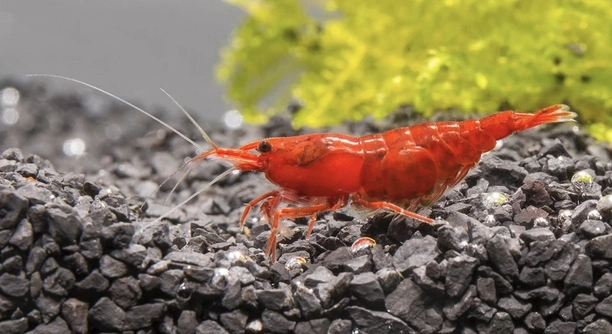
Cherry shrimp are small, colorful freshwater creatures often kept in home aquariums. Many hobbyists enjoy watching them move and interact, creating a peaceful and engaging atmosphere. Their tiny movements can be surprisingly entertaining over time.
Cherry shrimp do not have ears like humans, but they can sense vibrations in the water. Tapping on the glass creates vibrations that travel through the tank, which the shrimp detect with their sensory hairs and bodies, responding to sudden changes.
Learning how shrimp respond to their environment can improve care and tank management. Understanding their sensitivity helps maintain a calm, healthy aquarium.
How Cherry Shrimp Sense Vibrations
Cherry shrimp rely on their exoskeleton and fine sensory hairs to detect changes in their surroundings. When the glass of their tank is tapped, vibrations travel through the water, alerting the shrimp. These signals trigger a cautious response, often causing them to freeze or quickly move to a safer area. While they cannot “hear” in the traditional sense, their ability to detect vibrations is highly developed, allowing them to react to potential disturbances in their environment. Understanding this behavior helps aquarium owners provide a stable and low-stress habitat, reducing unnecessary agitation and supporting shrimp health. Even minor disturbances, like sudden tapping, can temporarily startle them, emphasizing the importance of gentle interaction and minimal external noise around the tank. Their sensitivity also explains why some shrimp may appear skittish during feeding or maintenance, as they are constantly monitoring their surroundings for changes that could indicate danger. Observing these responses can be both fascinating and informative.
Their sensitivity to vibrations makes them highly responsive to movement outside the tank.
By maintaining a calm environment and minimizing abrupt disturbances, shrimp display more natural, relaxed behaviors. Observing them over time shows that even small changes, like placing a hand on the tank or nearby objects creating vibrations, can influence their activity. Providing hiding spots and gentle water flow allows them to feel secure, reducing stress-related behaviors. Regularly monitoring water quality and ensuring a stable temperature further supports their well-being. Careful handling and awareness of their sensitivity improve their overall comfort, leading to healthier shrimp that interact more naturally with their environment. Understanding these details allows owners to anticipate responses and adjust tank placement, lighting, and nearby noise levels to minimize unnecessary stress. Over time, a thoughtful setup encourages shrimp to explore freely while feeling protected, creating a balanced aquarium ecosystem that promotes longevity and reduces sudden behavioral changes.
Common Misunderstandings About Shrimp Behavior
Many people assume that shrimp react to sound like pets with ears.
Cherry shrimp are often misinterpreted as being “noisy” or “shy” based on visible movements, but their responses are purely mechanical. Vibrations from tapping or nearby activity can trigger sudden bursts of motion or hiding, which some observers mistake for fear or aggression. They do not process sound waves like humans, yet their tactile sensitivity is crucial for survival in natural habitats. Understanding the distinction between hearing and sensing vibrations is key to interpreting their behavior accurately. Tank placement, water flow, and nearby human activity all play roles in how they respond.
By observing their behavior carefully, it becomes clear that most sudden movements or apparent reactions are linked to water disturbances rather than any auditory perception. For example, when lights are turned on or someone leans over the tank, shrimp may briefly scatter or retreat to hiding areas. Providing consistent environmental conditions, such as stable temperatures and minimal abrupt water movement, reduces stress and encourages predictable activity. Feeding routines also affect their behavior, as they learn to anticipate gentle water changes or food drops, responding more confidently when vibrations are familiar. Over time, owners can notice patterns and subtle cues in shrimp responses, helping them create a calm and engaging tank environment. This understanding fosters better care and reduces misinterpretations of normal shrimp activity, ensuring their health and comfort in the aquarium.
Minimizing Stress in Cherry Shrimp
Cherry shrimp are sensitive to sudden vibrations, which can cause stress. Gentle handling and limiting tapping on the glass help maintain a calm environment, allowing them to behave naturally and remain healthy.
Providing hiding spots such as plants, rocks, or decorations gives shrimp areas to retreat when startled. Consistent water flow and stable temperatures reduce sudden environmental changes that can trigger stress responses. Observing them quietly without tapping or shaking the tank encourages more relaxed behavior. Over time, shrimp become more confident in exploring their surroundings, feeding, and interacting with each other. Awareness of their sensitivity helps maintain a peaceful aquarium.
Routine tank maintenance should be done carefully to avoid creating vibrations that disturb shrimp. Even gentle cleaning can be stressful if done abruptly. Using soft movements and gradually introducing changes to the tank environment ensures shrimp feel safe. Adjusting decorations slowly and maintaining a consistent feeding schedule also reduces sudden surprises. Over time, these practices support natural behaviors and overall well-being, allowing shrimp to thrive while minimizing unnecessary stress.
Feeding and Vibrations
Cherry shrimp respond to vibrations from food placement or nearby activity. Careful handling ensures feeding times do not startle them or disrupt their routine.
Dropping food gently into the tank prevents sudden disturbances. Using a consistent feeding spot helps shrimp learn where to find food without reacting to abrupt changes. Observing their behavior during feeding can reveal signs of stress or excitement. Avoid tapping the tank to encourage movement, as vibrations can create anxiety rather than prompt feeding. Small, frequent meals are preferable to large portions, reducing competition and stress. Over time, shrimp become more confident and maintain a healthy feeding rhythm with minimal disruption from external vibrations.
Common Reactions to Glass Tapping
Cherry shrimp often freeze or quickly move when the tank glass is tapped. These reactions are caused by vibrations traveling through the water, triggering their natural defense instincts.
Some shrimp may hide among plants or decorations, while others slowly resume activity after a short pause. Their sensitivity varies depending on the individual and their environment.
Observing Natural Behavior
Providing a stable, low-vibration environment allows shrimp to exhibit natural behaviors such as grazing, exploring, and interacting with other shrimp. Sudden disturbances can mask these behaviors, making it harder to monitor their health and activity levels. Consistent conditions help them feel secure.
Tips for a Calm Aquarium
Avoid tapping or knocking on the tank. Gentle interaction and careful maintenance promote a stress-free environment for shrimp.
FAQ
Can cherry shrimp hear tapping on the glass?
Cherry shrimp do not hear like humans, but they are highly sensitive to vibrations. Tapping on the glass creates waves in the water that they detect with their sensory hairs. These vibrations trigger natural reactions, such as freezing, moving quickly, or hiding. Their responses are protective rather than auditory.
Why do my shrimp scatter when I tap the tank?
Scattering is a normal response to vibrations. Shrimp perceive sudden movements as potential threats. Even gentle taps can startle them, causing them to seek cover. Observing this behavior over time shows their awareness of changes in the environment and their instinct to protect themselves.
Do all shrimp react the same way to vibrations?
Not all shrimp react identically. Some are more skittish, while others are bolder. Individual temperament, age, and prior exposure to disturbances influence reactions. A consistent, calm environment helps shrimp become more confident, reducing exaggerated responses to minor vibrations.
How can I reduce stress in my shrimp tank?
Minimizing sudden movements and limiting tapping on the glass are key. Providing hiding spots like plants, rocks, or decorations gives shrimp secure areas to retreat. Maintaining stable water temperature, gentle flow, and predictable feeding schedules further reduces stress and supports natural behaviors.
Is it harmful to tap on the glass occasionally?
Occasional tapping is unlikely to cause lasting harm, but frequent disturbances can lead to chronic stress. Continuous stress may reduce activity, feeding, and even reproductive behavior. Being mindful of tank vibrations ensures a healthier and more comfortable environment for shrimp.
Do vibrations from nearby activities affect shrimp?
Yes, vibrations from walking, furniture movement, or nearby appliances can travel through floors and walls into the tank. Shrimp detect these disturbances and may hide or freeze in response. Ensuring the tank is on a stable, vibration-free surface helps minimize unnecessary stress.
Can shrimp get used to tapping or vibrations?
Over time, some shrimp may become less reactive if vibrations are gentle and predictable. However, sudden or strong disturbances will always trigger instinctive responses. Gradual exposure helps them adapt without compromising their well-being. Consistency in the tank environment is essential for this adjustment.
Why do shrimp hide even without tapping?
Shrimp hide for multiple reasons, including molting, resting, or feeling exposed. Even minor vibrations or changes in lighting can prompt hiding. Hiding is a normal behavior and does not necessarily indicate poor health. A well-structured tank with secure spaces encourages natural activity while providing safe retreat areas.
How should I interact with shrimp to avoid stressing them?
Avoid tapping the glass, making sudden movements, or shaking decorations. Approach the tank slowly, feed gently, and maintain consistent water conditions. Observing them quietly allows shrimp to explore and behave naturally, reducing stress and supporting their long-term health.
Can tapping affect breeding shrimp?
Yes, frequent or strong vibrations can disrupt breeding behavior. Stress may delay mating or reduce the number of eggs produced. Providing a calm, stable environment with minimal disturbances encourages natural reproductive cycles and protects delicate offspring.
Are some shrimp species more sensitive than others?
Different species vary in sensitivity to vibrations. Cherry shrimp are moderately sensitive, while other dwarf shrimp or wild types may react more strongly. Researching species-specific behavior helps provide appropriate care and reduces unnecessary stress in mixed-species tanks.
What signs indicate shrimp are stressed from vibrations?
Common signs include excessive hiding, erratic swimming, reduced feeding, and molting difficulties. Consistent observation helps identify patterns, allowing adjustments in tank placement, maintenance, or nearby activity to improve their comfort and well-being.
Can I tap to get shrimp to move for observation?
While tapping may cause movement, it also creates stress. It is better to use natural triggers, like adding food, to encourage movement. Observing shrimp without tapping ensures their behavior is genuine and not influenced by fear or agitation.
How important is tank stability for shrimp?
Tank stability is crucial. Consistent water temperature, minimal vibration, predictable feeding, and gentle water flow all support shrimp health. Instability leads to stress, reduced activity, and potential long-term health issues. A well-maintained, calm environment is key for thriving shrimp.
Can aquarium equipment cause vibrations?
Yes, filters, pumps, and air stones create vibrations that shrimp can detect. Ensuring equipment is properly installed, with minimal contact with glass or substrate, reduces unnecessary disturbance while maintaining essential functions for the tank ecosystem.
How do I monitor shrimp sensitivity without stressing them?
Observe their normal behavior quietly. Note responses to natural activities like feeding or water flow. Avoid tapping or sudden movements. Gradually learning their patterns allows for better care and minimal stress while understanding their reactions.
Does tapping affect shrimp differently at night?
Shrimp are generally more active at night. Vibrations during these periods can interrupt feeding and exploration. Minimizing nighttime disturbances helps maintain natural rhythms and reduces stress caused by sudden environmental changes.
Are shrimp more sensitive during molting?
Yes, molting shrimp are vulnerable and easily stressed. Sudden vibrations can cause injury or prolonged hiding. Providing secure hiding spots and limiting disturbances during molting periods ensures safe development and reduces stress-related complications.
Can I train shrimp to ignore gentle taps?
Some adaptation is possible if taps are gentle, predictable, and infrequent. Over time, shrimp may become less reactive, but strong or sudden taps will always elicit a response. Consistent, calm interactions support confidence and reduce unnecessary stress.
Do tank decorations affect how vibrations travel?
Yes, plants, rocks, and substrate can absorb or amplify vibrations. Dense decorations help dampen sudden disturbances, while sparse setups may transmit vibrations more directly. Thoughtful tank arrangement supports shrimp comfort and reduces stress reactions.
How can I balance observation and shrimp comfort?
Use slow, gentle movements, feed gradually, and minimize tapping. Observing behavior naturally, without creating vibrations, allows shrimp to remain comfortable while still letting you enjoy their activity. A stable, calm environment promotes both natural behavior and stress-free viewing.
Cherry shrimp are small but surprisingly sensitive creatures. While they do not hear in the way humans do, they are very aware of vibrations in the water. Tapping on the glass or creating sudden movements can startle them, leading to hiding, freezing, or quick movements. Understanding this behavior is important for anyone who keeps shrimp in an aquarium. Their reactions are not signs of fear in the emotional sense but are natural responses to environmental changes. By learning how they sense vibrations, you can better interpret their behavior and ensure they remain healthy and comfortable in the tank.
Maintaining a calm environment is one of the most important aspects of caring for cherry shrimp. Minimizing sudden disturbances, such as tapping on the glass, moving decorations abruptly, or creating loud vibrations nearby, helps them feel secure. Providing plenty of hiding spots with plants, rocks, or other decorations allows shrimp to retreat when they sense movement. Gentle water flow and consistent temperature also play a role in reducing stress. When shrimp feel safe, they display more natural behaviors like grazing, exploring, and interacting with other shrimp. Observing these behaviors over time can give valuable insight into their health and comfort level. A stable, predictable tank environment supports both physical well-being and natural activity.
Even small details, like how you feed or maintain the tank, can influence shrimp behavior. Dropping food gently rather than stirring up the water prevents unnecessary stress, and performing maintenance carefully ensures vibrations are minimal. Over time, shrimp can adapt to gentle, predictable movements, but sudden or frequent disturbances should be avoided. Monitoring their reactions and adjusting the environment accordingly allows them to thrive. By respecting their sensitivity, providing secure spaces, and keeping the tank consistent, you can enjoy observing cherry shrimp while ensuring their long-term health. These measures not only promote calm and natural behavior but also make the aquarium a more enjoyable and sustainable habitat for these delicate, fascinating creatures.

Hello,
If you enjoy the content that we create, please consider saying a "Thank You!" by leaving a tip.
Every little bit helps us continue crafting quality advice that supports the health, happiness, and well-being of pets around the world, for pets of all shapes, sizes, and species.
We really appreciate the kindness and support that you show us!