
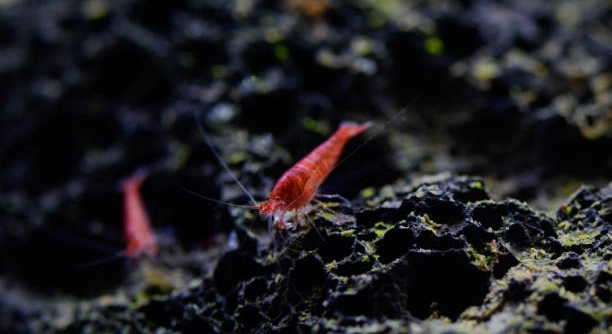
Cherry shrimp are small, colorful freshwater creatures that brighten up any aquarium. Their delicate nature makes them sensitive to changes in their environment. Understanding what stresses them out can help keep them healthy and active.
Cherry shrimp experience stress from sudden water parameter changes, poor water quality, overcrowding, inadequate hiding spaces, aggressive tank mates, inappropriate diet, and improper lighting. Managing these factors is essential for maintaining their health and ensuring a stable, thriving aquarium environment.
Knowing what triggers stress in cherry shrimp can help you create a calmer, safer home. Each small adjustment can make a big difference in their well-being.
Sudden Water Changes
Cherry shrimp are very sensitive to sudden shifts in water conditions. Even a small change in temperature, pH, or hardness can make them uneasy. I remember once adjusting the filter too quickly, and almost all my shrimp hid for days. They need a consistent environment to feel safe. Slowly adjusting water parameters when performing water changes is key. Using a separate container to mix new water with old water can help prevent shocks. Over time, shrimp will acclimate better if changes are gradual. Rapid adjustments can weaken their immune system, making them more prone to disease. Monitoring with a reliable test kit helps avoid surprises. Observing shrimp behavior after any water change gives insight into their comfort level. Keeping parameters stable ensures they remain active and vibrant. Avoid over-cleaning the tank at once; gentle maintenance is better. Shrimp prefer calm, stable water over sudden changes, and respecting this can keep them stress-free and healthy.
Gradually adjusting water parameters helps prevent stress in cherry shrimp and ensures they remain active and healthy in their aquarium environment.
Even small, careful changes to water can make a huge difference. Consistency keeps shrimp calm, and watching their behavior helps identify if adjustments are needed.
Overcrowding
Overcrowding creates competition for food and space. In a densely stocked tank, cherry shrimp may become stressed and hide constantly. They need room to swim and explore without feeling threatened. A small tank with too many shrimp can quickly lead to poor water quality. Each shrimp produces waste, which can increase ammonia and nitrite levels if filtration isn’t sufficient. Observing your shrimp’s behavior is important; constant hiding, lethargy, or molting issues often indicate overcrowding. It’s better to maintain a moderate population with proper tank size. Providing plenty of plants and hiding spots reduces stress, as shrimp feel safer when they can retreat if needed. Even a few extra inches per shrimp makes a difference in their activity and comfort. Adequate space also reduces aggression and allows each shrimp to feed properly. Overcrowding can appear harmless at first, but over time, it affects their health, coloration, and overall well-being.
Managing tank population carefully ensures shrimp remain healthy, active, and less prone to stress.
Poor Water Quality
Poor water quality can make cherry shrimp weak and stressed. High ammonia, nitrite, or nitrate levels affect their health quickly. Regular testing and maintenance are essential to prevent long-term damage.
When water isn’t clean, shrimp may stop eating, hide constantly, or show faded colors. Uneaten food and plant debris can increase toxins if not removed regularly. Filters help, but they aren’t a substitute for water changes. I once neglected a small tank, and a few shrimp became sick before I realized the issue. Monitoring water parameters like pH, hardness, and temperature along with ammonia and nitrite levels is vital. Even minor imbalances can accumulate stress over time. A steady routine of testing, partial water changes, and careful feeding helps shrimp thrive.
Keeping water quality high also supports their immune system, allowing them to molt successfully and resist disease. Avoiding overcrowding and removing waste promptly reduces harmful buildup. Plants can help absorb excess nutrients and provide hiding spots. A healthy tank creates a calm environment where shrimp remain active, colorful, and less prone to stress.
Aggressive Tank Mates
Aggressive tank mates can frighten cherry shrimp and cause hiding or injury. Avoid keeping them with fish that nip or chase constantly.
I learned the hard way when I added a few guppies to my shrimp tank. Even small fish sometimes chased shrimp, causing them to hide and eat less. Peaceful species like snails or small tetras work better. Aggression stresses shrimp and can lead to molting problems or death. Shrimp feel safest when they can explore without fear.
Providing plenty of plants and hiding spots reduces stress from tank mates. Dense vegetation and moss allow shrimp to retreat and feed safely. Observing interactions helps identify if certain species are too aggressive. Some fish appear calm but may still disturb shrimp during feeding or movement. Choosing compatible tank mates ensures shrimp remain active and healthy while maintaining a balanced tank ecosystem. Proper planning of tank composition prevents unnecessary stress and supports their long-term well-being.
Inadequate Hiding Spaces
Cherry shrimp need places to hide, especially when they molt or feel threatened. Without enough cover, they stay stressed and may stop eating.
Adding plants, moss, and small decorations creates safe spots. I noticed my shrimp became more active once I provided plenty of hiding areas.
Improper Diet
Feeding shrimp the wrong foods or inconsistent amounts can stress them. They require a balanced diet of algae, biofilm, and specialized shrimp pellets. Avoid overfeeding, as leftover food pollutes the water. I once fed too much, and my shrimp hid for days while the water became cloudy. Proper nutrition keeps them active, healthy, and able to molt successfully. Watching them feed ensures each shrimp gets enough, and rotating foods prevents deficiencies. A varied diet strengthens their immune system and enhances their colors, making them more resilient to stress factors in the tank.
Bright or Inconsistent Lighting
Excessive or flickering light can stress shrimp, causing them to hide or become inactive. Keep lighting steady and moderate for their comfort.
FAQ
How often should I change the water for cherry shrimp?
I usually do partial water changes of about 20-30% every week. This helps keep ammonia and nitrite low and maintains stable water parameters. Sudden large changes can stress shrimp, so smaller, frequent adjustments work best. Observing shrimp behavior after a water change shows if they’re comfortable.
What plants are best for hiding spaces?
Mosses like Java moss or Christmas moss, as well as dense stem plants, work great. I’ve seen my shrimp thrive in tanks filled with moss, where they can molt safely and explore without fear. Floating plants also create shaded areas that make shrimp feel secure.
Can cherry shrimp live with fish?
Yes, but only peaceful species. Small tetras, snails, and some rasboras are fine. I once added guppies, and my shrimp hid constantly. Aggressive or nippy fish cause stress, reduce feeding, and may injure shrimp. Observation and careful tank planning are key.
How do I know if my shrimp are stressed?
Signs include hiding constantly, faded color, reduced activity, or refusal to eat. I noticed stress when my tank parameters shifted slightly; shrimp immediately became less active. Molting problems or sudden deaths can also indicate prolonged stress.
What should I feed cherry shrimp?
A balanced diet includes algae, biofilm, and specialized shrimp pellets. I also give them blanched vegetables occasionally. Overfeeding creates waste, polluting the water. Rotating foods prevents deficiencies, keeps shrimp healthy, and enhances coloration.
Is lighting important for shrimp stress?
Yes, bright or inconsistent lighting can stress them. I keep my lights on a timer for about 8-10 hours daily. Flickering or very intense light makes shrimp hide, reducing feeding and activity. Moderate, stable lighting mimics natural conditions.
How many shrimp should I keep in one tank?
Avoid overcrowding. I keep about 10-15 shrimp per 10 gallons. Too many shrimp increase competition for food and stress. Adequate space allows natural behaviors, reduces aggression, and ensures water quality remains stable. Adding plants and hiding spots helps manage population density.
Can water temperature affect shrimp stress?
Absolutely. Cherry shrimp prefer 72-78°F (22-26°C). Sudden shifts can shock them, leading to hiding or illness. I use a reliable heater and thermometer to maintain stability. Gradual adjustments during seasonal changes prevent stress and support healthy molting.
Do cherry shrimp need a special filter?
Not necessarily, but a gentle filter is best. Strong currents can stress them, especially tiny babies. I use sponge filters in my tank, which clean water without harming shrimp and also provide surface area for biofilm growth, a natural food source.
How do I acclimate new shrimp?
Slow acclimation prevents shock. I float the bag in the tank for 15-20 minutes, then gradually add small amounts of tank water over an hour. I once rushed this process, and several shrimp became inactive. Patience ensures they adjust safely to new water conditions.
Can stress affect shrimp reproduction?
Yes, stressed shrimp may stop breeding. I noticed that after a period of poor water quality, my berried females disappeared. Stable water, proper diet, and plenty of hiding spaces support healthy reproduction and successful molting cycles.
How do I reduce stress during molting?
Provide hiding spots and stable water. I make sure no fish or aggressive tank mates can reach shrimp while they molt. Stress during molting can cause injury or death. A calm, well-planted environment encourages safe and successful shedding.
What is the best pH for cherry shrimp?
I maintain my tank around pH 6.5-7.5. Sudden swings outside this range stress shrimp, affecting molting and feeding. Using buffered water and testing regularly prevents harmful fluctuations. Consistency is more important than hitting an exact number.
Can decorations stress shrimp?
Sharp or rough decorations can injure them. I use smooth rocks, driftwood, and live plants. Shrimp enjoy climbing surfaces, but anything jagged can tear delicate exoskeletons, adding unnecessary stress. Observation ensures decorations are safe for all life stages.
Do cherry shrimp need a specific substrate?
Not strictly, but fine gravel or sand works well. I prefer substrates that support plants and biofilm growth. They help shrimp forage naturally. Certain substrates can also buffer pH, providing a more stable environment and reducing stress from sudden water chemistry changes.
How can I prevent stress in a new tank setup?
Cycle the tank first. I always test ammonia, nitrite, and nitrate before adding shrimp. Introducing them too early exposes them to unstable conditions. Patience during setup ensures a safe, stress-free environment where shrimp can thrive immediately.
Can seasonal changes affect shrimp?
Yes, temperature fluctuations or sunlight exposure can impact water parameters. I make adjustments gradually to prevent shock. Monitoring water quality and providing stable conditions throughout the year keeps shrimp calm and healthy.
How often should I monitor water parameters?
Weekly testing works for me, but more frequent checks may be needed for new tanks or high-density setups. Ammonia, nitrite, nitrate, pH, and temperature should be monitored. Consistent observation allows early intervention before stress affects shrimp health.
Is tank cleaning stressful for shrimp?
It can be if done aggressively. I do partial water changes and gentle substrate cleaning. Avoid disturbing shrimp too much. Quick, careful maintenance keeps water quality high without causing unnecessary hiding or activity reduction.
Can overcrowding plants stress shrimp?
Too dense vegetation can limit swimming space. I balance hiding spots with open areas for movement. Shrimp feel safer with cover but also need room to explore and feed. Proper plant arrangement reduces stress while supporting natural behaviors.
How do I identify water-related stress quickly?
Shrimp suddenly hiding, refusing food, or showing color loss are clear signs. I keep a close eye after water changes or new additions. Quick response, like testing water and adjusting parameters, helps prevent long-term stress and maintains shrimp health.
Can sudden noise or vibrations affect shrimp?
Yes, frequent tapping on the glass or loud noises can cause them to hide or freeze. I learned to place the tank in a quieter area. Minimizing disturbances creates a calm environment where shrimp feel safe and active.
Do shrimp prefer certain tank mates over others?
Peaceful invertebrates and small, calm fish are ideal. Aggressive species or fast-moving fish increase stress. I arrange tank mates carefully, observing interactions. Balanced, compatible species help shrimp remain active, feed properly, and reduce stress-related health issues.
How do I encourage natural behavior?
Provide plants, moss, and hiding areas while keeping water stable. I also feed varied foods and avoid overcrowding. Natural behavior, like foraging and climbing, indicates comfort and low stress. A well-structured environment promotes healthy activity and longevity.
Can temperature swings at night stress shrimp?
Yes, sudden drops at night can be harmful. I use heaters and insulated tanks to maintain steady temperatures. Even a few degrees difference affects activity, feeding, and molting. Stable conditions ensure shrimp remain comfortable around the clock.
How do I tell if shrimp are adjusting to a new tank?
Active movement, regular feeding, and bright colors indicate adaptation. I watch for hiding behavior decreasing over several days. Gradual acclimation and stable water make the transition smooth, reducing stress and promoting healthy behavior.
What’s the impact of poor diet long-term?
Shrimp may become weak, fail to molt, or lose color. I make sure to provide varied, balanced foods. Long-term nutritional stress reduces immune function, making them more susceptible to disease. Proper diet is essential for health, reproduction, and stress resilience.
How can I prevent stress from tank mates while feeding?
Distribute food in multiple spots and use hiding plants. I notice shrimp eat better when they can reach food without being chased. This reduces competition stress and ensures all shrimp get proper nutrition.
Does tank size affect stress?
Yes, smaller tanks with many shrimp increase competition and water quality issues. I maintain moderate stocking levels in larger tanks, providing ample space and hiding areas. Proper tank size supports comfort, natural behavior, and long-term health.
Can sudden introduction of decorations stress shrimp?
Yes, adding new items without acclimation may cause hiding. I introduce decorations gradually, monitoring behavior. This helps shrimp adjust without excessive stress while still enhancing their habitat.
How do I handle stress from molting problems?
Ensure water quality is stable, provide calcium-rich foods, and sufficient hiding spaces. I monitor shrimp carefully during molting. Stress during this time can be fatal, so a calm environment is essential for safe, successful molts.
Are there signs of chronic stress in shrimp?
Yes, constant hiding, faded colors, slowed movement, or reduced reproduction indicate ongoing stress. I address water quality, diet, and tank conditions immediately to restore comfort and prevent health decline. Chronic stress impacts overall shrimp longevity.
What steps reduce overall stress in shrimp?
Maintain stable water, proper diet, suitable tank mates, hiding spaces, moderate lighting, and avoid sudden changes. I combine all these practices, and my shrimp remain active, colorful, and healthy. A calm, predictable environment is key to stress-free shrimp care.
Can algae overgrowth cause stress?
Yes, excessive algae can reduce oxygen levels and create poor conditions. I trim algae and balance nutrients. Some algae are beneficial for feeding, but overgrowth impacts water quality and comfort, indirectly stressing shrimp.
Is quarantine necessary for new shrimp?
Quarantining prevents disease and sudden stress. I use a separate tank for observation before adding shrimp to the main tank. This reduces the risk of introducing infections or aggressive behaviors that could stress established shrimp.
Do shrimp react to human presence?
They notice movement but generally aren’t stressed unless tapping or sudden activity occurs. I learned to move slowly near the tank. Gentle observation allows interaction without causing hiding or fear responses.
How do I manage stress during breeding?
Provide optimal water conditions, hiding spaces, and balanced food. I separate berried females if necessary to reduce disturbance. Calm, stable environments ensure successful reproduction and healthy offspring.
Can sudden water chemistry changes from additives stress shrimp?
Yes, abrupt use of chemicals or treatments can cause hiding or lethargy. I dose slowly and carefully monitor water parameters. Gradual adjustments are safer and minimize stress while maintaining shrimp health.
Does temperature affect molting frequency?
Warmer water increases molting rates slightly, but sudden changes stress shrimp. I keep a steady temperature to balance growth and comfort. Consistent conditions reduce molting complications and support healthy development.
Can shrimp adapt to less-than-ideal conditions?
They may survive, but chronic stress affects health, color, and reproduction. I focus on stable, appropriate conditions to keep shrimp thriving rather than just surviving. Comfortable environments promote longevity and reduce disease risks.
How do I safely add new shrimp to an established tank?
Acclimate slowly, provide hiding spaces, and monitor interactions. I gradually mix tank water with the bag and observe for aggression or hiding. This approach reduces stress and helps shrimp settle safely.
Are there signs of stress from insufficient calcium?
Yes, molting issues and weak exoskeletons occur. I provide calcium-rich foods or supplements. Proper mineral balance supports healthy growth, successful molts, and reduces stress-related complications.
Can changing the tank location stress shrimp?
Yes, moving a tank suddenly can shock shrimp and disturb water parameters. I plan placement carefully and move gradually if needed. Consistency in location helps maintain calm, stable conditions for shrimp comfort.
Does feeding frequency affect stress?
Yes, irregular feeding or overfeeding causes stress. I feed small amounts daily or every other day. Balanced, consistent feeding prevents competition, reduces leftover waste, and maintains water quality, ensuring a calmer environment.
How do I handle sudden deaths in shrimp?
Check water parameters, diet, and tank mates. I assess possible stress factors immediately. Understanding the cause prevents further losses and helps restore a safe, healthy environment for remaining shrimp.
Can over-filtering cause stress?
Strong currents can overwhelm shrimp. I use gentle sponge filters to clean water without disturbing shrimp. Proper filtration balances water quality and comfort, minimizing stress and protecting delicate individuals.
Do shrimp respond to seasonal light changes?
Yes, longer or brighter light can affect behavior. I maintain consistent artificial lighting to prevent stress. Stable light periods support normal activity, feeding, and molting cycles.
How important is tank maintenance for stress prevention?
Regular, gentle maintenance keeps water quality high and reduces hidden stress factors. I vacuum the substrate lightly, remove debris, and check equipment. Consistent care ensures a calm, thriving environment for all shrimp.
Can sudden crowding stress shrimp?
Yes, adding too many individuals at once increases competition and hiding behavior. I introduce shrimp gradually, allowing adjustment to the population density. This prevents stress, promotes natural behavior, and maintains tank balance.
Does water hardness affect stress levels?
Cherry shrimp prefer soft to moderately hard water. I monitor general and carbonate hardness, as sudden shifts can impact molting and feeding. Stable hardness supports comfort and reduces stress-related health issues.
Can too many decorations stress shrimp?
Excess clutter limits swimming space. I balance hiding spots with open areas to allow natural activity. Proper arrangement reduces stress while providing safety and exploration opportunities.
How do I know if tank mates are causing stress?
Shrimp hiding, refusing food, or molting poorly may indicate aggressive companions. I observe interactions closely. Removing or replacing problematic species restores calm and promotes active, healthy shrimp behavior.
Can high nitrate levels stress shrimp?
Yes, even moderate nitrate accumulation reduces activity and color. I perform regular partial water changes and monitor levels to prevent stress and maintain optimal health.
Does temperature fluctuation affect reproduction?
Yes, sudden changes can cause berried females to drop eggs or stop breeding. I maintain steady temperature and water parameters to support successful reproduction and reduce stress.
Can low oxygen levels stress shrimp?
Yes, low oxygen makes shrimp lethargic and reduces feeding. I ensure good water circulation, moderate aeration, and healthy plant growth to maintain oxygen and reduce stress.
How do I manage stress when using medications?
Dose slowly, monitor water parameters, and remove shrimp from harsh chemicals if needed. I treat carefully to avoid harming sensitive individuals while resolving health issues.
Can insufficient space between hiding spots cause stress?
Yes, too few refuges make shrimp feel exposed. I add plants, moss, and decorations with gaps for movement. Proper spacing reduces stress, supports natural behavior, and improves overall comfort.
Do shrimp prefer dim areas?
Yes, shaded areas help them feel safe. I provide moss, floating plants, and decorations that create low-light zones. These spots reduce stress and encourage feeding, molting, and exploration.
Can sudden tank vibrations stress shrimp?
Yes, shaking, tapping, or loud noises cause hiding and inactivity. I place my tank on a stable surface away from disturbances. Minimizing vibrations maintains calm behavior and supports health.
How do I reduce stress during tank cleaning?
Gentle, partial cleaning works best. I avoid moving shrimp or plants roughly. Removing debris and performing water changes slowly maintains water quality without frightening or harming shrimp.
Does overfeeding algae wafers stress shrimp?
Yes, excess food pollutes water and increases competition. I feed in moderation and remove uneaten portions. Balanced feeding prevents stress while supporting healthy growth and vibrant coloration.
How do I prevent stress from temperature drops at night?
I use a heater or insulation to maintain stable nighttime temperature. Sudden drops affect activity, feeding, and molting. Gradual, consistent conditions keep shrimp comfortable and reduce stress-related issues.
Can frequent rearranging decorations stress shrimp?
Yes, constantly moving plants or ornaments disrupts hiding spaces and territory. I plan layout carefully and avoid frequent changes. Consistent environments help shrimp feel safe and reduce stress behaviors.
Do shrimp prefer certain water flow levels?
Gentle flow is ideal. Strong currents stress shrimp, especially young or molting individuals. I adjust filters to low settings and provide calm areas for resting, feeding, and exploring without fear.
Can high light intensity stress shrimp?
Yes, very bright light encourages hiding and inactivity. I use moderate lighting with a timer to maintain steady conditions. Balanced illumination supports normal behavior, feeding, and overall well-being.
How do I know if stress is temporary or chronic?
Temporary stress resolves after changes like water adjustments or hiding spots. Chronic stress shows ongoing hiding, faded color, poor molting, or reduced reproduction. I monitor behavior and address causes immediately to prevent long-term health issues.
Can shrimp sense chemical residues?
Yes, chlorine, heavy metals, or detergents can stress them. I always treat tap water and rinse new decorations. Clean water ensures safety, prevents stress, and supports active, healthy shrimp behavior.
Does low plant density increase stress?
Yes, fewer hiding spots leave shrimp exposed and anxious. I add moss, ferns, and dense stem plants. Adequate coverage supports natural behavior, molting safety, and reduces stress in the tank environment.
Can sudden introduction of tank mates cause stress?
Yes, immediate addition of fish or shrimp may trigger hiding and reduced feeding. I acclimate newcomers slowly and monitor behavior. Gradual introduction ensures comfort and minimizes stress for both new and established inhabitants.
How do I monitor stress effectively?
Observe behavior, feeding, coloration, and molting. I keep notes on any changes after water adjustments, feeding, or tank modifications. Early detection allows quick intervention and maintains a stable, stress-free environment.
Can strong water current affect shrimp behavior?
Yes, it may prevent normal swimming and foraging. I adjust filter output and provide calm areas. Proper flow reduces stress while supporting oxygenation and natural activity.
Does frequent handling stress shrimp?
Yes, even gentle netting can cause hiding or molting issues. I avoid unnecessary handling, using careful observation instead. Minimal disturbance supports comfort, safety, and long-term health.
Can adding fertilizers stress shrimp?
Yes, high concentrations of chemicals can shock them. I dose slowly, monitor water, and provide hiding areas. Balanced fertilization maintains plant health without harming shrimp.
How important is consistent feeding for stress prevention?
Daily or every-other-day feeding with measured portions reduces competition and maintains water quality. I’ve found consistent feeding keeps shrimp active, colorful, and comfortable.
Can overcrowding plants stress shrimp?
Yes, overly dense vegetation limits swimming space. I trim plants selectively and leave open areas. Balanced planting supports hiding and activity, reducing stress while enhancing habitat quality.
Does substrate type affect stress?
Yes, sharp or rough substrate can injure shrimp. I prefer fine gravel or sand to support natural foraging and provide safe molting surfaces. Safe substrate reduces injury risk and overall stress.
Can temperature swings during water changes stress shrimp?
Yes, large differences shock them. I match new water temperature to the tank before adding. Gradual mixing prevents stress, maintains behavior, and protects shrimp health
Cherry shrimp are small but sensitive creatures that need stable, comfortable conditions to thrive. They can be easily stressed by changes in water, overcrowding, aggressive tank mates, or even sudden lighting shifts. Observing their behavior closely is important because signs of stress are often subtle, like hiding more than usual, eating less, or showing faded colors. Creating a calm environment with stable water parameters, gentle filtration, and consistent feeding routines helps shrimp remain healthy and active. Even small adjustments, like adding more moss or adjusting the light schedule, can make a noticeable difference in their comfort. Over time, understanding what triggers stress for your shrimp allows you to maintain a tank that supports both their well-being and natural behaviors.
Water quality is one of the most critical factors in reducing stress. Ammonia, nitrite, and nitrate levels should always be monitored, and partial water changes should be done carefully to avoid sudden shocks. Temperature and pH should remain steady within the ranges suitable for cherry shrimp. Providing a balanced diet with algae, biofilm, and shrimp-specific pellets supports growth, molting, and immune function. Dense vegetation and decorations not only make the tank visually appealing but also give shrimp safe hiding spaces, which are essential for their sense of security. Overcrowding should be avoided, as it increases competition for food and space, leading to higher stress levels. By combining proper nutrition, stable water conditions, and adequate space, shrimp can live longer, more vibrant lives.
Tank mates and overall habitat setup also play a significant role in shrimp health. Peaceful companions, such as snails or small tetras, can coexist with shrimp without causing fear or aggression. Avoid placing them with nippy or fast-moving fish, as this will lead to hiding and reduced feeding. Maintaining gentle water flow, moderate lighting, and clean substrate helps them feel safe while allowing natural behaviors like climbing, foraging, and molting. Small changes, like rearranging decorations gradually or introducing new shrimp slowly, prevent unnecessary stress. Paying attention to these details ensures a calm environment where cherry shrimp can grow, reproduce, and display their vibrant colors. A little patience and care go a long way in supporting their long-term health, creating a tank that is both enjoyable to watch and safe for the shrimp.

Hello,
If you enjoy the content that we create, please consider saying a "Thank You!" by leaving a tip.
Every little bit helps us continue crafting quality advice that supports the health, happiness, and well-being of pets around the world, for pets of all shapes, sizes, and species.
We really appreciate the kindness and support that you show us!