
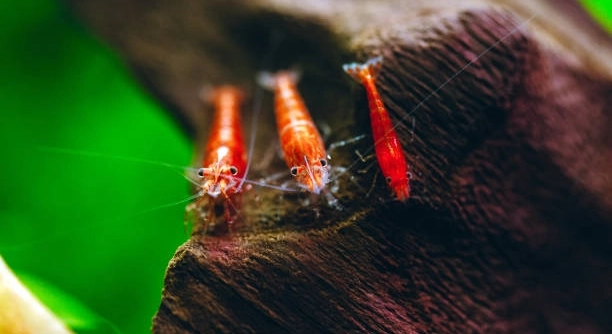
Do cherry shrimp are tiny, colorful additions to freshwater aquariums that bring life and movement to tanks. Watching them swim and interact can be calming, yet their small size sometimes makes it hard to notice their behavior.
Cherry shrimp do hide to sleep, often retreating to plants, moss, or tank decorations. This behavior provides safety and reduces stress, allowing them to rest without exposure to predators or disturbances in their environment.
Observing their hiding patterns can help aquarists understand their needs and create a comfortable, secure space for their shrimp to thrive.
Why Cherry Shrimp Hide
Cherry shrimp often hide due to instinctive behavior. In the wild, small shrimp are prey for larger fish, so they naturally seek shelter in plants, rocks, or crevices. Even in a safe aquarium, this instinct remains strong. Hiding provides a sense of security and reduces stress, especially when the tank is new or when shrimp are molting. Juvenile shrimp tend to hide more frequently, as they are smaller and more vulnerable. Observing them during the day often shows them tucked under leaves or in moss, appearing still and quiet. They are more active at night or in dim lighting, which mimics their natural environment. Providing hiding spaces is essential not only for their comfort but also for healthy growth and behavior. Lack of proper hiding spots can lead to constant stress, slower molting, and even reduced lifespan. Creating a balanced environment helps maintain their natural routines.
Even in a small tank, adding moss or hiding spots helps shrimp feel safe and reduces stress immediately.
Proper placement of plants and decorations encourages natural hiding and exploration, allowing shrimp to exhibit their normal behaviors without constant disturbance.
Signs That Your Shrimp Is Sleeping
Shrimp often remain very still and tucked away during sleep periods. Their movements slow, and they may cling lightly to plants or surfaces.
A resting shrimp shows minimal antenna movement and may appear almost invisible among foliage. Sleep behavior is subtle but consistent. They usually return to active swimming once lighting changes or the tank becomes quieter. Observing these signs helps aquarists understand normal behavior and ensures that shrimp are healthy and unstressed. If a shrimp spends too much time hiding or remains inactive during active hours, it could indicate water quality issues or illness. Creating a stable tank environment with proper temperature, filtration, and regular feeding encourages natural sleep patterns. By watching their routines closely, you can provide the right balance of hiding spots, open swimming areas, and gentle lighting. This attention helps shrimp maintain natural cycles and reduces unnecessary stress. Small details like gentle water flow, plant density, and soft substrate can make a significant difference in promoting calm, restful periods for all shrimp in the tank.
Creating Safe Hiding Spots
Providing adequate hiding spots keeps shrimp calm and encourages natural behavior. Moss, plants, and small decorations create spaces where they can retreat, rest, and molt safely.
Using live plants like Java moss or small ferns offers both cover and grazing surfaces. Rocks, driftwood, and small PVC tubes add additional shelters. Ensure spaces are accessible yet snug enough to make shrimp feel protected. Avoid overcrowding, as shrimp still need open swimming areas. Rotation of hiding spots or rearranging decorations occasionally helps shrimp explore without feeling exposed. Balanced tank design supports both security and activity, making shrimp more confident and visible during active periods.
Strategic placement of hiding spots encourages shrimp to explore their environment while still feeling safe, promoting healthy behavior.
Providing a mix of natural and artificial shelters allows shrimp to choose spots that match their comfort levels, improving overall tank dynamics and reducing stress.
Monitoring Sleep Patterns
Shrimp sleep is subtle, usually observed through stillness and minimal antenna movement. They remain hidden during these periods, often under plants or decorations.
Tracking these patterns helps identify normal versus abnormal behavior. A healthy shrimp will sleep consistently and become active during dim lighting or nighttime. Irregular sleep or excessive hiding may signal stress, poor water quality, or illness. Maintaining stable temperature, clean water, and gentle filtration supports natural sleep cycles. Observing shrimp over several days provides insight into individual habits, molting times, and overall health. Adjusting tank conditions, including light schedules, can further enhance restfulness and activity balance.
Regular observation helps detect early signs of stress or health issues, ensuring shrimp remain active, comfortable, and safe in their environment.
Lighting and Shrimp Activity
Shrimp are sensitive to bright light and often hide when the tank is illuminated. Soft or dim lighting encourages natural behavior and reduces stress.
Nighttime or subdued lighting promotes activity. Observing shrimp under gentle light shows more movement and grazing, mimicking their natural routine.
Feeding and Hiding
Shrimp may retreat when food is scarce or when larger tank mates dominate feeding areas. Providing small, frequent feedings helps them feel secure. Adequate nutrition reduces competition and encourages shrimp to venture out, balancing hiding with normal activity.
Water Conditions
Stable water parameters are critical for shrimp comfort. Sudden changes in temperature, pH, or ammonia levels can cause hiding, stress, or illness. Maintaining consistent conditions ensures shrimp remain active and healthy.
Molting and Privacy
During molting, shrimp seek private, sheltered areas to protect their soft exoskeleton. They may stay hidden for several hours until fully hardened.
FAQ
Why do cherry shrimp hide all the time?
Cherry shrimp hide frequently because it is a natural defense mechanism. Even in a safe aquarium, their instinct to avoid predators remains strong. They often hide during the day, when activity is higher, or when molting. Providing plants, moss, or decorations creates safe spaces and encourages normal behavior. Excessive hiding may also indicate stress from water quality issues or aggressive tank mates. Observing their patterns helps determine if hiding is normal or a sign of discomfort.
Do cherry shrimp sleep at night?
Yes, cherry shrimp follow a natural day-night cycle, becoming less active at night. They usually remain hidden, resting among plants, moss, or decorations. Sleep is subtle, with minimal movement of their antennae or legs. Proper lighting schedules and quiet tank conditions encourage healthy sleep patterns. Disruption in lighting, temperature, or water conditions can affect sleep, causing stress or irregular behavior. Monitoring their nighttime activity provides insight into overall health.
How can I tell if my shrimp is stressed?
Signs of stress include excessive hiding, loss of color, erratic swimming, and refusal to eat. Stress can result from poor water quality, aggressive tank mates, overcrowding, or sudden environmental changes. Ensuring stable water parameters, providing sufficient hiding spots, and maintaining gentle filtration can reduce stress. Observing behavior daily allows early detection, preventing illness or mortality. Healthy shrimp are active, show bright coloration, and move confidently among plants and decorations.
Is it normal for shrimp to hide during feeding?
Yes, hiding during feeding can occur, especially in tanks with more dominant inhabitants. Smaller or shy shrimp may wait for others to finish before coming out. Offering multiple feeding spots, small portions, and sinking foods ensures all shrimp access nutrition. This approach reduces competition and stress, allowing timid individuals to feed safely. Observing feeding behavior helps adjust portions and placement to match shrimp activity patterns and minimize hiding during meals.
Do cherry shrimp need a lot of hiding spots?
Providing a variety of hiding spots is essential. Moss, plants, rocks, and small decorations give shrimp safe areas to rest, molt, and escape perceived threats. Adequate shelter reduces stress, supports natural behavior, and encourages growth. Too few hiding areas can lead to constant hiding, slowed molting, and health issues. Arranging spaces thoughtfully allows shrimp to explore while maintaining security, promoting balance between activity and rest in the tank.
Can hiding indicate illness?
Persistent hiding combined with lethargy, discoloration, or unusual swimming may indicate illness. Common issues include bacterial infections, poor water quality, or parasites. Regular water testing, proper feeding, and quarantine of new shrimp help prevent disease. Promptly addressing illness improves survival and encourages a return to normal hiding and activity patterns. Observing shrimp closely is key to distinguishing normal hiding from illness-related behavior.
How long do cherry shrimp stay hidden when molting?
During molting, shrimp can remain hidden for several hours. They seek private, sheltered areas to protect their soft exoskeleton from predators and stress. Providing moss, dense plants, or small caves ensures safety. Once fully hardened, shrimp resume normal swimming and feeding behavior. Frequent observation confirms successful molting and overall health.
Does tank size affect hiding behavior?
Tank size influences shrimp comfort and activity. Smaller tanks with fewer hiding spots may cause more visible hiding or stress. Larger tanks with ample plants, decorations, and gentle water flow allow shrimp to choose between exploration and retreat. Providing balanced spaces in any tank size supports natural routines, reducing constant hiding while promoting confident movement and feeding.
How do lighting conditions impact hiding?
Bright light can cause shrimp to seek shelter, while dim or subdued lighting encourages activity. Mimicking natural day-night cycles helps regulate behavior, feeding, and sleep. Adjusting light intensity and duration promotes visible activity without compromising their instinctive need for security. Observing how shrimp respond to light changes ensures proper tank setup and reduces stress-induced hiding.
Are cherry shrimp more active at night?
Cherry shrimp are generally crepuscular, showing more movement during low-light periods or nighttime. They may feed, explore, and interact with the environment while remaining hidden during bright daylight. Observing nocturnal behavior helps aquarists provide adequate shelter and adjust lighting schedules to support natural activity and healthy routines.
Can aggressive tank mates cause hiding?
Yes, aggressive or larger tank mates can increase hiding behavior. Shrimp feel vulnerable and retreat to secure spaces to avoid harassment. Separating shrimp from aggressive fish or providing dense vegetation and hiding areas minimizes stress and encourages balanced activity. Careful tank selection and arrangement ensure shrimp can feed and move safely.
Does water quality affect hiding?
Poor water quality can lead to prolonged hiding, stress, and illness. High ammonia, nitrite, or sudden pH changes make shrimp seek shelter. Maintaining stable water parameters, regular testing, and gentle filtration reduces stress and encourages normal activity. Observing shrimp behavior alongside water conditions allows timely adjustments.
How often should I check on hiding behavior?
Daily observation helps track normal hiding, feeding, and sleep patterns. Consistent monitoring allows detection of unusual behavior, illness, or environmental stress. Adjustments to lighting, feeding, tank setup, or water quality can be made promptly, ensuring shrimp remain healthy, active, and comfortable in their environment.
What is the ideal number of shrimp for hiding comfort?
A moderate population ensures social interaction without overcrowding. Too many shrimp can increase competition for hiding spots and food, while too few may limit social comfort. Balancing numbers with adequate shelter ensures shrimp feel safe and active, supporting growth and natural behavior throughout the tank.
Cherry shrimp are small, delicate creatures that bring life and movement to any aquarium. Their behavior can seem mysterious at first, especially when they hide or remain very still for hours. Hiding is a natural and essential part of their routine. It provides safety, reduces stress, and allows them to rest or molt without being disturbed. Even in a well-maintained tank with no predators, these instincts remain strong, reflecting their natural survival strategies. Understanding why cherry shrimp hide helps aquarists provide an environment that meets their needs and encourages healthy behavior. Watching them move freely when they feel safe can be a rewarding experience, giving insight into their daily routines and habits.
Creating a comfortable space for shrimp involves more than just placing them in water. Proper tank setup is key to their well-being. This includes adding plants, moss, and small decorations to serve as hiding spots and resting areas. Live plants like Java moss, ferns, and dense foliage provide both cover and surfaces for grazing. Rocks, driftwood, and small tubes offer additional sheltered areas that feel secure. Lighting and water conditions also play important roles. Gentle lighting encourages normal activity, while stable temperature and clean water reduce stress. Providing a balanced environment allows shrimp to choose when to explore and when to retreat, supporting both activity and rest. Careful observation of their behavior over time helps identify normal hiding patterns and signals when adjustments might be needed, such as changes in water quality or tank layout.
Hiding behavior in cherry shrimp is not a cause for concern when observed in moderation. It reflects natural instincts and supports their health, especially during molting or periods of rest. Excessive hiding, coupled with changes in color, appetite, or movement, may indicate stress or health problems, prompting closer attention to water parameters, feeding routines, and tank mates. Regular observation, combined with thoughtful tank design, ensures shrimp remain active, comfortable, and safe. Over time, aquarists can learn to recognize individual shrimp routines, noticing when they feel secure and when adjustments are necessary. Creating a stable, well-structured habitat encourages shrimp to display natural behavior, making them more visible and interactive while still allowing them to feel protected. Overall, understanding and accommodating their hiding instincts leads to a healthier, more balanced aquarium environment, benefiting both the shrimp and the overall tank ecosystem.

Hello,
If you enjoy the content that we create, please consider saying a "Thank You!" by leaving a tip.
Every little bit helps us continue crafting quality advice that supports the health, happiness, and well-being of pets around the world, for pets of all shapes, sizes, and species.
We really appreciate the kindness and support that you show us!