
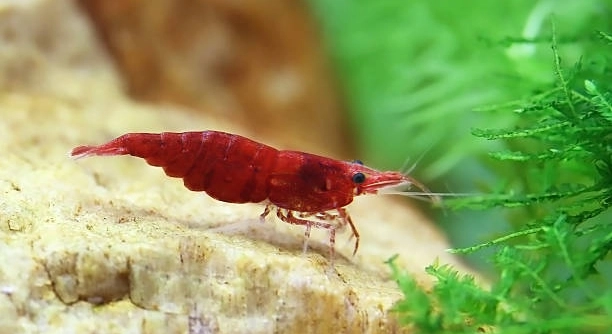
Cherry shrimp are small, colorful creatures that add charm to any freshwater aquarium. Sometimes they float in the middle of the water instead of staying on plants or substrate, which can surprise even experienced hobbyists.
Cherry shrimp hovering mid-water is usually caused by stress, water quality issues, or molting. Sudden changes in temperature, high ammonia levels, or inadequate hiding spaces can trigger this behavior, indicating that the shrimp may need immediate attention to stay healthy.
Observing this behavior carefully can reveal important clues about their environment and well-being. Keeping track helps ensure your shrimp remain active and thriving.
Common Causes of Mid-Water Hovering
Many times, cherry shrimp hover mid-water because their tank environment isn’t ideal. Water temperature that fluctuates too much can confuse their sense of safety, making them pause in the middle of the tank. Ammonia or nitrite spikes are especially harmful, causing stress that makes shrimp stop exploring and float instead. Lack of hiding spaces also contributes. Shrimp need plants, moss, or decorations to feel secure. When they cannot find a safe spot, they remain suspended in water, waiting. Overcrowding is another factor. When the tank has too many shrimp or fish, it limits free space and triggers unusual behaviors. Feeding habits can also play a role. Uneaten food decays, affecting water quality and causing stress. Even changes in lighting schedules can disrupt their normal activity patterns. Paying attention to these environmental factors often explains why your shrimp spend time mid-water rather than on surfaces or plants.
Stress, poor water conditions, and inadequate hiding spots are primary reasons shrimp hover mid-water, often signaling immediate care is needed.
Monitoring your tank closely helps prevent hovering behavior. Regular water tests, gradual temperature changes, and adding moss or plants create a secure environment. By adjusting these factors, shrimp feel safer and behave naturally, reducing mid-water pauses.
Molting and Its Effects
Molting is a delicate process for cherry shrimp, and it can make them appear to float mid-water.
During molting, shrimp shed their old exoskeleton to grow. This is a vulnerable time because their new shell is soft. They may remain in open water to avoid being trapped under substrate or attacked by other shrimp. Proper minerals in the water, like calcium and magnesium, are essential for a smooth molt. If water conditions are poor, molting can become stressful, causing shrimp to hover longer than usual. Observing shrimp during this stage helps ensure they recover safely. It’s also important to avoid handling them or making sudden tank changes during molting. By understanding how molting affects behavior, you can provide a safer, more supportive environment. Adjusting diet, maintaining clean water, and offering hiding spots encourages healthy growth and reduces floating in mid-water, letting shrimp molt comfortably and safely.
Water Quality Issues
Poor water quality can make cherry shrimp hover mid-water. High ammonia, nitrite, or nitrate levels stress them. Even slight changes in pH or temperature can cause this behavior, signaling that the tank environment needs attention.
Regular water testing and partial water changes are essential for healthy shrimp. Shrimp are very sensitive to chemicals and waste in the tank. If ammonia or nitrite levels rise, even briefly, they may float in the water column instead of staying on surfaces. Maintaining stable pH and temperature, removing uneaten food, and cleaning the substrate regularly prevents stress. Using a reliable water filter and avoiding overfeeding also helps maintain a safe habitat, reducing mid-water hovering incidents. Monitoring water quality closely ensures shrimp stay active, healthy, and confident in exploring their tank without unusual pauses.
Adding live plants and moss can improve water quality naturally. These provide surfaces for biofilm growth, which cherry shrimp eat, and help stabilize chemical levels in the water. Dense planting gives shrimp shelter while reducing stress from poor water conditions. Plants also oxygenate the water and compete with algae for nutrients, keeping the tank cleaner. A balanced combination of regular water maintenance and natural plant support creates a healthy environment, letting shrimp behave normally and minimizing mid-water hovering caused by water issues.
Diet and Feeding Habits
Uneven or poor feeding can influence mid-water hovering. Cherry shrimp may float if they lack essential nutrients or if food decays in the tank, affecting water quality.
Feeding a balanced diet is key. Shrimp need algae, biofilm, vegetables, and occasional protein sources. Overfeeding leads to leftover food decomposing and releasing harmful compounds. If shrimp do not get enough nutrients, they may exhibit odd behavior, including hovering mid-water, as they search for edible surfaces. Rotating food types, ensuring small portions, and removing uneaten food prevents water contamination and supports overall health. Monitoring feeding habits closely helps shrimp maintain energy and normal activity.
Some foods promote healthy molting and coloration. Vegetables like zucchini, spinach, or cucumber supply fiber and vitamins, while biofilm and algae support digestive health. Occasional protein treats, such as tiny pieces of shrimp pellets, boost growth and resilience. By controlling portion sizes, feeding frequency, and variety, you reduce water issues caused by leftover food and improve shrimp behavior. A structured feeding routine keeps shrimp active, reduces stress, and prevents mid-water hovering linked to poor nutrition.
Stress and Tankmates
Stress from aggressive or fast-moving tankmates can cause cherry shrimp to hover mid-water. Constant chasing or harassment makes them feel unsafe, leading to unusual swimming patterns and avoidance of the substrate.
Even subtle disturbances, like sudden movements near the tank or loud noises, can stress shrimp. Providing peaceful tankmates and gentle handling reduces mid-water hovering and encourages natural behavior.
Lack of Hiding Spots
Without enough plants, moss, or decorations, shrimp may feel exposed and hover mid-water. They rely on hiding spots to feel secure during molting and rest periods.
Adding dense plants and small caves gives shrimp places to retreat, which lowers stress and encourages normal movement.
Temperature Fluctuations
Cherry shrimp are sensitive to rapid changes in water temperature. Sudden drops or spikes can trigger hovering behavior as they try to stabilize themselves in the water column.
FAQ
Why are my cherry shrimp hovering mid-water suddenly?
Sudden mid-water hovering often points to stress or changes in the tank. It could be caused by fluctuations in temperature, a spike in ammonia or nitrite, or overcrowding. Even minor disturbances, like new decorations or tankmates, can make shrimp feel unsafe. Monitoring water parameters and providing hiding spots usually resolves this behavior.
Is hovering mid-water harmful to my shrimp?
Hovering itself isn’t directly harmful, but it signals potential stress or poor conditions. Prolonged stress can weaken their immune system, making them more prone to disease or molting problems. Observing water quality and tank setup is crucial to prevent long-term health issues.
How can I improve water quality for cherry shrimp?
Regular water testing and partial water changes are essential. Keep ammonia and nitrite at zero, and maintain nitrates below 20 ppm. Removing uneaten food and cleaning substrate helps reduce waste buildup. Adding live plants can also naturally filter the water and provide safer surfaces for shrimp.
Do tankmates affect hovering behavior?
Yes. Fast, aggressive, or large fish can stress shrimp, causing them to hover in the water column. Peaceful species like small tetras, snails, or other non-aggressive shrimp are better companions. Providing dense plants or moss gives shrimp places to hide and feel secure.
Can diet cause mid-water hovering?
Poor nutrition or decaying food can indirectly cause hovering. Uneaten food pollutes the water, stressing shrimp. Feeding a balanced diet of vegetables, biofilm, algae, and occasional protein treats supports healthy behavior. Remove leftovers promptly and feed small portions regularly.
Does molting make shrimp hover more?
Yes. During molting, shrimp are vulnerable and may stay suspended in mid-water to avoid predators or hazards on the substrate. Ensuring proper minerals like calcium in the water and providing hiding spots helps shrimp molt safely and reduces hovering duration.
Will temperature changes make them float?
Rapid temperature swings can trigger hovering. Cherry shrimp thrive in stable conditions, usually between 72–78°F (22–26°C). Sudden drops or spikes stress them and may cause unusual swimming. Using a reliable heater and thermometer ensures consistent temperature.
How can I tell if my hovering shrimp are stressed or sick?
Stress-related hovering is often paired with other signs: fading color, clamped legs, sluggish movement, or hiding excessively. Sick shrimp may also refuse food or show unusual swimming patterns. Regular observation helps distinguish between temporary stress and illness, allowing timely corrective action.
Will adding more plants help reduce mid-water hovering?
Yes. Plants, moss, and decorations provide shelter and surfaces for grazing. Shrimp feel safer when they can hide or cling to surfaces. A planted tank stabilizes water quality, reduces stress, and encourages natural behaviors, lowering the frequency of mid-water hovering.
Is hovering a normal behavior sometimes?
Occasionally, hovering is normal, especially during brief exploration or molting preparation. Persistent or sudden hovering, however, usually signals stress, poor water quality, or environmental changes. Observing patterns over time helps identify whether it’s harmless or a sign of a problem.
How long will shrimp hover mid-water before returning to normal?
The duration varies depending on the cause. If water quality and stress factors are addressed, hovering may last a few hours to a couple of days. During molting, it could last until the shrimp completes the process. Consistent care speeds up recovery and restores normal behavior.
Can I prevent hovering in the future?
Yes. Maintaining stable water conditions, providing hiding spots, feeding a balanced diet, and choosing peaceful tankmates reduce stress. Regular observation and small adjustments help prevent mid-water hovering and support healthy, active shrimp.
Final Thoughts
Cherry shrimp hovering mid-water can seem unusual, but it is often a natural response to their environment. Stress, water quality, diet, or molting can all play a role. Paying attention to these factors helps explain why shrimp sometimes behave differently. Observing their patterns over time provides insight into what might be causing the hovering. It is not always a sign of something seriously wrong, but repeated or prolonged mid-water floating usually indicates a need for action. Simple changes like adjusting water parameters, adding plants, or providing hiding spots can make a noticeable difference in their behavior. Being aware of these needs allows shrimp to feel safer and behave more naturally.
Maintaining a healthy tank is essential to prevent mid-water hovering. Regular water testing ensures that ammonia, nitrite, and nitrate levels are safe. Temperature stability is important, as shrimp are sensitive to sudden changes. A balanced diet supports growth, molting, and overall well-being. Overfeeding and leftover food can pollute the water, so removing uneaten food and feeding small amounts helps prevent stress. Live plants and moss not only provide hiding spots but also help keep the water cleaner and more stable. By creating a secure and consistent environment, shrimp are more likely to stay active and explore the tank normally. These small adjustments make a big difference in maintaining healthy shrimp behavior.
Understanding shrimp behavior is about observation and response. Watching for signs of stress or unusual activity allows you to make timely improvements in their care. Providing the right environment, nutrition, and companions encourages natural movement and reduces mid-water hovering. Each shrimp may have slight differences in behavior, so patience is key. By keeping the tank clean, stable, and enriched, you support the shrimp’s health and comfort. Over time, these efforts result in more confident, active, and thriving shrimp. Attending to these details helps ensure that your shrimp not only survive but also enjoy a comfortable and safe habitat.

Hello,
If you enjoy the content that we create, please consider saying a "Thank You!" by leaving a tip.
Every little bit helps us continue crafting quality advice that supports the health, happiness, and well-being of pets around the world, for pets of all shapes, sizes, and species.
We really appreciate the kindness and support that you show us!