
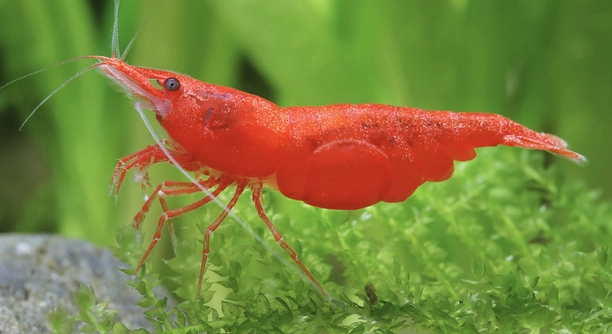
Cherry shrimp are small, colorful freshwater creatures that thrive in well-maintained aquariums. They are drawn to environments that offer safety, variety, and places to explore while foraging for food. Their behavior reflects their natural instincts and needs.
Cherry shrimp are most attracted to water features that provide gentle flow, hiding spots, and surface coverage. They prefer moss, small plants, smooth rocks, driftwood, and shallow areas, which support feeding, molting, and social interaction within the tank environment.
Choosing the right water features can enhance their activity, comfort, and overall well-being, making your aquarium a more vibrant and balanced habitat.
Moss and Live Plants
Moss and live plants create a natural and safe environment for cherry shrimp. Moss provides tiny hiding places, which help shrimp feel secure, especially during molting periods. It also harbors microfauna, giving shrimp a constant source of food. Live plants improve water quality by absorbing excess nutrients and producing oxygen. Small plants like Java fern or Anubias offer sturdy leaves that shrimp can graze on. Floating plants can soften light, creating a calmer environment, which reduces stress. Plants also encourage shrimp to explore and forage, keeping them active and healthy. In a planted tank, shrimp can establish territories and avoid overcrowding, which helps maintain social balance. They use plants for climbing and resting, which supports natural behaviors. Incorporating a mix of dense moss and low-maintenance plants enhances the aesthetic of the tank while directly contributing to shrimp well-being. Proper lighting and minimal chemical use help these plants thrive, indirectly supporting the shrimp’s health.
Moss and plants offer both protection and nutrition, encouraging natural behaviors and keeping cherry shrimp active and healthy in their habitat.
Dense moss clusters, along with small leafed plants, create microhabitats. These spaces allow shrimp to hide, feed, and molt safely, reducing stress and encouraging natural movement patterns.
Driftwood and Smooth Rocks
Cherry shrimp are drawn to driftwood and smooth rocks because they mimic elements of their natural freshwater environments. Driftwood offers surfaces for biofilm growth, a primary food source for shrimp. Its irregular shapes create small caves and crevices, allowing shrimp to explore and hide. Smooth rocks prevent injury while providing additional grazing surfaces. Both features can alter water chemistry slightly, softening water and releasing beneficial tannins that promote shrimp health. Positioning rocks and driftwood to create layers or small tunnels helps shrimp feel secure while moving around the tank. These materials also add visual interest, creating a more dynamic and natural-looking setup. Maintaining cleanliness is essential, as biofilm and algae buildup should be balanced to prevent water quality issues. By combining driftwood with carefully placed rocks, you can simulate a natural riverbed, supporting the shrimp’s instinctive behaviors and improving their overall vitality.
Using driftwood and smooth rocks helps maintain a balanced tank while providing food, shelter, and natural enrichment for cherry shrimp.
Positioning driftwood alongside rocks offers tunnels and grazing surfaces. Shrimp utilize these structures for hiding, feeding, and climbing, enhancing activity levels and safety within the aquarium.
Shallow Water Areas
Shallow water areas give cherry shrimp easier access to the surface while allowing them to explore without stress. These zones reduce predation risks and make feeding more accessible. Shrimp tend to gather here when grazing or resting.
Shallow areas are ideal for grazing and surface feeding. Cherry shrimp often use these spots to reach biofilm and tiny food particles that accumulate near the water surface. The reduced water depth minimizes energy expenditure, which is especially important for newly molted shrimp. It also provides a safe space for juveniles to move freely while avoiding stronger currents in deeper zones. Shallow zones can be created using flat rocks, wide leaves, or terraced tank setups. Regular maintenance ensures these areas remain clean and safe. Shrimp activity increases in shallow regions as they interact with plants, driftwood, and rocks. These zones also help you monitor shrimp behavior more easily and notice any health issues early.
Shallow water sections promote natural foraging and social behaviors. They act as resting spaces, feeding areas, and safe zones for shrimp of all ages.
Filtered Flow Zones
Filtered flow zones encourage shrimp to exercise and explore without facing strong currents that could be stressful. Gentle water movement keeps the tank oxygenated and supports healthy biofilm growth for grazing.
These zones are created using sponge filters or adjustable filter outputs that produce slow, steady currents. Cherry shrimp use them to practice swimming and navigate their environment safely. The gentle flow helps distribute nutrients and prevent stagnant areas, reducing algae overgrowth and waste accumulation. Shrimp can cling to plants, rocks, or driftwood while feeling the water movement, which keeps them active but not overwhelmed. Careful positioning of these zones ensures shrimp of all sizes can access food and shelter without struggling against the current. Monitoring flow strength allows you to maintain balance between stimulation and comfort, which is vital for overall health. Properly designed filtered flow zones increase feeding efficiency and encourage natural exploration.
Filtered flow areas improve water quality, support grazing surfaces, and allow shrimp to engage with their surroundings safely and actively.
Leaf Litter
Leaf litter provides natural hiding spots and grazing surfaces for cherry shrimp. Decomposing leaves release beneficial tannins that improve water quality and create a more comfortable environment for shrimp.
Shrimp use leaf litter to forage for biofilm and detritus. It also serves as a soft surface for molting, reducing stress and injury.
Small Caves and Hiding Spots
Cherry shrimp are naturally cautious and use small caves or artificial hiding spots to feel secure. These spaces prevent stress during molting and protect juveniles from more active tank inhabitants. Creating multiple hiding spots ensures all shrimp can access safe areas simultaneously.
Gentle Water Flow
Gentle water flow supports oxygen circulation and prevents stagnation in the tank. Cherry shrimp can navigate currents without struggling, maintaining natural activity levels while staying comfortable.
FAQ
What water temperature do cherry shrimp prefer?
Cherry shrimp thrive in water temperatures between 72°F and 78°F. Consistent temperatures within this range support healthy metabolism, feeding, and molting. Sudden changes can stress shrimp and increase susceptibility to disease. Using a reliable aquarium heater and thermometer helps maintain stable conditions.
How often should I clean the tank?
Partial water changes of 10–20% once a week help maintain water quality without stressing shrimp. Cleaning the substrate and removing debris prevents harmful waste buildup. Avoid over-cleaning plants and decorations, as biofilm and algae are important food sources.
Can cherry shrimp live with other fish?
They can coexist with small, non-aggressive fish like neon tetras or rasboras. Avoid larger or predatory species, as they may eat shrimp. Providing hiding spots and dense vegetation reduces stress and increases survival rates in community tanks.
What do cherry shrimp eat?
They feed on algae, biofilm, and detritus in the tank. Supplementing with shrimp pellets, blanched vegetables, or specialized foods ensures balanced nutrition. Overfeeding can harm water quality, so offer small amounts two to three times per week.
How do I know if my shrimp are molting correctly?
Signs of successful molting include a translucent, intact exoskeleton left behind and active shrimp afterward. Stress, poor water quality, or insufficient calcium can lead to molting issues. Providing hiding spots during molting reduces vulnerability and ensures safer growth.
Why are my shrimp hiding?
Shrimp may hide due to stress, water changes, or molting. High activity of tank mates or sudden environmental changes can also trigger hiding behavior. Ensuring gentle flow, proper plant coverage, and safe zones encourages normal activity.
How can I encourage breeding?
Stable water parameters, good nutrition, and plentiful hiding spots encourage breeding. Females carry eggs under their tails, and juveniles benefit from dense moss or leaf litter for protection. Maintaining calm conditions and consistent care improves reproductive success.
Do cherry shrimp need special lighting?
Moderate lighting supports plant growth and algae development, which are natural food sources. Too much light can cause algae overgrowth, while too little may reduce food availability. A balanced light schedule of 8–10 hours per day works well.
How long do cherry shrimp typically live?
With proper care, cherry shrimp usually live 1.5 to 2 years. Water quality, diet, and stress levels influence lifespan. Regular monitoring and gentle handling help maintain health and longevity.
What signs indicate poor water quality?
Shrimp showing lethargy, color fading, or unusual swimming behavior may indicate poor water quality. Testing ammonia, nitrite, nitrate, and pH levels regularly ensures a safe environment. Prompt adjustments and partial water changes can prevent long-term health issues.
Can I keep different shrimp colors together?
Yes, different color varieties can coexist without issues. Maintaining clean water and proper nutrition ensures all shrimp thrive. Avoid aggressive selection or frequent mixing if you want to preserve specific color lines.
How important is calcium for cherry shrimp?
Calcium supports healthy exoskeleton development and successful molting. Adding calcium-rich foods or supplements helps prevent molting problems and maintains vibrant coloration. Monitoring water hardness ensures an adequate mineral balance.
What should I do if a shrimp dies?
Remove dead shrimp promptly to prevent water contamination. Check water parameters and observe the remaining shrimp for stress or illness. Regular maintenance reduces the risk of additional deaths and maintains a healthy tank environment.
Can cherry shrimp survive in planted tanks only?
Planted tanks provide food, hiding spaces, and oxygen, making them ideal. Minimal decorations are needed if plants and moss cover most surfaces. Regular water monitoring and occasional supplementation ensure shrimp remain healthy and active.
Is it necessary to cycle a tank before adding shrimp?
Yes, cycling establishes beneficial bacteria that break down waste and prevent toxic ammonia and nitrite spikes. Fully cycled tanks reduce stress and improve survival rates for cherry shrimp. Patience during this phase ensures long-term health and stability.
How do I prevent algae overgrowth?
Balancing lighting, nutrient levels, and plant coverage helps control algae. Introducing algae-eating shrimp or snails can assist, but overfeeding should be avoided. Regular water changes maintain stability and prevent excessive algae buildup, keeping the tank healthy for shrimp.
Can cherry shrimp tolerate different pH levels?
They prefer a slightly acidic to neutral range (6.5–7.5). Sudden pH changes can cause stress and molting problems. Regular testing and gentle adjustments help maintain optimal conditions for feeding, growth, and reproduction.
Do cherry shrimp need aeration?
While not strictly required, gentle aeration improves oxygen distribution, especially in densely planted tanks. Proper circulation enhances biofilm growth and prevents stagnant areas, supporting shrimp activity and overall health.
How can I tell the difference between male and female shrimp?
Females are larger, more colorful, and have a curved underbelly for carrying eggs. Males are smaller, slender, and less vibrant. Observing these differences helps track breeding progress and population balance.
What is the best way to introduce new shrimp?
Acclimate new shrimp slowly using a drip method or gradual water mixing. Sudden changes in temperature, pH, or hardness can cause shock. Providing hiding spots reduces stress and ensures a smooth integration into the existing tank.
How do I maintain water hardness for shrimp?
Monitoring GH and KH ensures the water contains enough minerals for molting and health. Adjust hardness using mineral supplements or suitable substrate. Stable hardness levels reduce stress and improve longevity and reproduction.
Are shrimp sensitive to chemicals?
Yes, copper, chlorine, and other chemicals are toxic to cherry shrimp. Using water conditioners and avoiding contaminated decorations or plants is essential. Always verify that additives are safe for invertebrates before use.
Can I keep shrimp in a small tank?
Yes, small tanks can work if water quality is maintained and stocking density is low. Dense hiding spots, regular water changes, and careful monitoring help ensure a stable and healthy environment for shrimp.
Do cherry shrimp eat fish food?
They may nibble on sinking pellets or flakes, but these should only supplement their diet. Relying solely on fish food can lead to poor nutrition. Biofilm, algae, and shrimp-specific foods remain essential for health and growth.
How do I prevent shrimp from escaping?
Ensure a tightly fitted lid, as cherry shrimp can climb glass and decorations. Avoid strong currents near the tank edges and cover openings around filters. Proper precautions protect shrimp and maintain a stable tank environment.
Can shrimp live in tap water?
Tap water must be conditioned to remove chlorine and heavy metals. Testing pH, hardness, and ammonia levels before adding shrimp ensures safe conditions. Proper preparation prevents stress and supports long-term health.
How do I encourage shrimp to explore the tank?
Providing a mix of plants, moss, rocks, and gentle flow creates stimulating areas. Shrimp are more active when they have safe spaces to forage, climb, and interact, maintaining natural behaviors and overall vitality.
What is the best feeding schedule for cherry shrimp?
Feed small portions two to three times per week, ensuring food is consumed within a few hours. Overfeeding can harm water quality and increase stress, while consistent feeding supports growth, molting, and reproduction.
Can cherry shrimp tolerate colder temperatures?
They can survive slightly cooler water but become less active and eat less. Prolonged cold may stress them and slow growth. Maintaining a stable, moderate temperature ensures optimal health and longevity.
How do I handle shrimp safely?
Use a soft net or container when moving shrimp to minimize stress. Avoid squeezing or touching them directly, as their delicate exoskeletons are easily damaged. Gentle handling supports health and survival.
Do cherry shrimp need a specific substrate?
Substrates that support biofilm growth, like fine gravel or sand, are ideal. They provide surfaces for grazing and contribute to overall tank stability. Some substrates also help maintain appropriate water hardness and pH.
How often should I check water parameters?
Testing at least once a week ensures ammonia, nitrite, nitrate, pH, and hardness remain stable. Prompt adjustments prevent stress and maintain a healthy, thriving environment for cherry shrimp.
Can I keep other invertebrates with cherry shrimp?
Snails and some small, peaceful shrimp species are compatible. Avoid aggressive or larger invertebrates that may harm or outcompete cherry shrimp. Providing enough hiding spots and food reduces conflict.
Are cherry shrimp suitable for beginners?
Yes, they are hardy and adaptable, but consistent care, stable water parameters, and proper tank setup are essential. With attention to water quality and feeding, they thrive and reproduce successfully in home aquariums.
What are common signs of disease?
Shrimp showing lethargy, discoloration, or unusual swimming patterns may be sick. Early detection, water quality checks, and quarantine for new shrimp help prevent disease spread and maintain tank health.
How can I increase survival rates for baby shrimp?
Dense moss, leaf litter, and hiding spots protect juveniles from being eaten. Gentle water flow and steady feeding encourage growth. Monitoring water quality and minimizing disturbances improves survival and development.
Do cherry shrimp need water conditioners?
Yes, especially to remove chlorine, chloramine, and heavy metals from tap water. Conditioned water ensures a safe environment and reduces stress, supporting healthy feeding, molting, and reproduction.
Can I breed different shrimp colors together?
Yes, but offspring may display mixed colors. Maintaining separate tanks preserves specific color lines. If mixing, ensure adequate food, hiding spots, and water quality to support all shrimp equally.
How important is tank size for breeding?
Larger tanks reduce stress, provide more hiding spots, and allow population expansion. Smaller tanks require careful monitoring of water quality and density to prevent overcrowding and maintain healthy reproduction.
Do cherry shrimp need supplements?
Calcium and trace mineral supplements support molting, growth, and coloration. Providing small amounts of mineral-rich food or water additives ensures healthy development and reduces molting complications.
What is the ideal pH range?
A slightly acidic to neutral pH of 6.5–7.5 supports overall health, molting, and reproduction. Sudden fluctuations can stress shrimp, making regular monitoring and gentle adjustments essential.
Can cherry shrimp live without plants?
They can survive, but plants provide food, shelter, and safe molting areas. A planted tank reduces stress and promotes natural behavior, improving health and reproduction.
How do I prevent shrimp stress during tank maintenance?
Perform partial water changes slowly, avoid sudden temperature shifts, and maintain gentle flow. Keep hiding spots intact and limit handling to reduce stress and support overall well-being.
Do shrimp need a diet high in protein?
Protein is important, but overfeeding can harm water quality. A balanced diet including biofilm, algae, vegetables, and occasional protein-rich foods supports growth and molting without causing stress.
What is the best way to quarantine new shrimp?
Use a separate container or tank with similar water conditions for 1–2 weeks. Observe for illness or stress before adding them to the main tank. Quarantine reduces disease risk and improves survival.
Can cherry shrimp tolerate tap water pH swings?
Sudden pH swings are harmful and can stress shrimp. Gradual acclimation and testing help maintain safe levels. Stable conditions improve feeding, molting, and reproduction.
How do I remove uneaten food safely?
Use a small net or siphon to remove leftovers. Prompt removal prevents water contamination and maintains a healthy environment, reducing stress and promoting shrimp activity.
Are cherry shrimp sensitive to light cycles?
They adapt to moderate, consistent lighting schedules. Sudden changes can cause stress. Regular light periods encourage natural grazing and activity while supporting plant and algae growth for food.
Can I use tap water directly for shrimp?
No, it must be treated to remove chlorine, chloramine, and heavy metals. Proper conditioning ensures safe water for feeding, molting, and reproduction, preventing stress and illness.
Do cherry shrimp need live food?
Live food is optional. Biofilm, algae, and prepared shrimp foods provide adequate nutrition. Occasional live foods like micro worms can supplement diet and encourage natural foraging.
How do I prevent shrimp from molting issues?
Maintain stable water parameters, adequate calcium, and safe hiding spots. Stress, poor diet, or sudden environmental changes can cause molting problems. Monitoring behavior and water quality supports healthy exoskeleton development and reduces complications.
Can cherry shrimp survive low oxygen levels?
Low oxygen slows metabolism and increases stress. Gentle aeration, moderate flow, and plants improve oxygen availability, supporting activity, feeding, and molting. Proper care prevents health problems related to low oxygen.
How often should I feed shrimp vegetables?
Vegetables like zucchini or spinach can be offered once or twice a week in small portions. Blanched vegetables are easier to consume and provide vitamins and fiber. Avoid overfeeding to prevent water quality issues.
Do shrimp need special water hardness?
Yes, moderate GH and KH support molting and overall health. Using mineral-rich substrates or supplements maintains proper hardness levels, ensuring growth, reproduction, and exoskeleton strength.
Can cherry shrimp survive alongside snails?
Yes, peaceful snails like nerite or mystery snails coexist well. They do not compete aggressively and help clean surfaces. Adequate hiding spots and food distribution prevent stress and support both species.
How do I know if shrimp are stressed?
Signs include hiding, reduced movement, color fading, or irregular molting. Stress can result from poor water quality, aggressive tank mates, or sudden changes. Adjusting conditions and providing shelter reduces stress and promotes natural behavior.
Is it necessary to use a heater?
Heaters maintain stable temperatures, especially in cooler environments. Stable warmth supports feeding, molting, and reproduction. In consistently warm climates, heaters may be optional but are still recommended for stability.
Can cherry shrimp tolerate fluctuating temperatures?
Frequent changes cause stress and increase mortality. Gradual acclimation and temperature stability ensure feeding, molting, and reproduction occur normally. Consistency is key to maintaining a healthy tank environment.
How do I acclimate shrimp to a new tank?
Use a drip method or gradual water mixing over 1–2 hours. Slowly introducing shrimp to new water conditions reduces shock and stress. Providing hiding spots helps them adjust comfortably.
What is the best way to monitor shrimp health?
Observe activity, coloration, molting success, and feeding behavior. Regular water tests for ammonia, nitrite, nitrate, and pH help detect problems early. Prompt adjustments maintain a thriving population.
Can cherry shrimp survive in unfiltered tanks?
Yes, if water is changed frequently and oxygen is sufficient. Filtration improves stability and reduces maintenance. Careful monitoring of water quality ensures shrimp remain healthy and active.
Do cherry shrimp need hiding spots at all times?
Yes, especially during molting. Hiding spots reduce stress and protect vulnerable shrimp. Multiple shelters ensure all individuals can access safe areas simultaneously.
How do I prevent shrimp from eating each other?
Provide sufficient hiding spots and avoid overcrowding. Cannibalism is rare but may occur during molting or stress. Stable water conditions and adequate food reduce risk.
Can cherry shrimp live in hard water?
They tolerate moderately hard water, but very hard conditions can affect molting and reproduction. Monitoring GH and KH ensures balanced mineral levels for health and growth.
How important is tank maintenance?
Regular partial water changes, substrate cleaning, and monitoring prevent stress, disease, and poor growth. Consistent care supports shrimp activity, reproduction, and overall tank balance.
Do shrimp need plants to breed?
Plants are highly beneficial. Moss, leaf litter, and small plants provide protection for eggs and juveniles, increasing survival rates and encouraging natural behavior.
Can cherry shrimp survive with fast-flowing water?
Strong currents can stress and injure shrimp. Gentle, filtered flow allows swimming and exploration without fatigue or harm, promoting health and activity.
How do I prevent sudden shrimp deaths?
Maintain stable water parameters, proper feeding, and safe tank mates. Regular observation and prompt action during changes prevent stress-related mortality and ensure population stability.
Are cherry shrimp sensitive to ammonia?
Yes, even small amounts are toxic. Regular testing, partial water changes, and maintaining a cycled tank prevent ammonia buildup, keeping shrimp healthy and active.
What is the best way to introduce plants for shrimp?
Rinse and inspect plants before adding them. Ensure they are free of pesticides or contaminants. Placing plants gradually allows shrimp to explore and graze safely.
Do cherry shrimp need decorations besides plants?
Decorations like rocks and driftwood provide additional hiding spots and grazing surfaces. They enrich the environment without replacing the benefits of live plants.
Can cherry shrimp survive winter without a heater?
In cooler climates, prolonged cold slows metabolism and can be fatal. A stable, moderate temperature is necessary to maintain activity, feeding, and molting.
How do I encourage natural foraging?
Provide moss, leaf litter, biofilm, and small feeding areas. Shrimp remain active and healthy when able to graze naturally, mimicking their behavior in freshwater habitats.
Are cherry shrimp suitable for small tanks?
Yes, they adapt well if water quality, hiding spots, and stocking density are managed. Small tanks require careful observation but support healthy populations.
Do shrimp need a dark period?
A consistent light-dark cycle encourages normal activity and grazing. Overnight darkness allows rest and reduces stress. Balancing light duration with plants promotes biofilm growth and overall tank health.
How do I prevent shrimp from escaping during water changes?
Use nets or containers carefully. Avoid splashing and maintain stable water levels to keep shrimp safely inside the tank. Slow water changes reduce stress and risk of escape.
Can cherry shrimp survive with goldfish?
No, goldfish may eat shrimp. Avoid keeping them together. Safer tank mates include small, peaceful fish or other invertebrates. Proper selection reduces stress and mortality.
Do shrimp need a specific tank shape?
No, but long or wide tanks provide more surface area for grazing and exploration. Vertical height is less important than hiding spots and horizontal space.
Can cherry shrimp live in aquaponic setups?
Yes, if water quality and flow are controlled. Plants provide grazing areas and hiding spots, but monitoring ammonia and nitrate levels is essential to maintain shrimp health.
Are cherry shrimp sensitive to medications?
Yes, many fish medications, especially copper-based, are toxic. Always check compatibility before adding treatments to a shrimp tank to prevent accidental deaths.
How do I prevent shrimp from molting complications?
Maintain stable water, provide calcium, and ensure safe hiding areas. Stress, sudden changes, or poor diet can cause molting issues, impacting growth and survival.
Do cherry shrimp require filtration?
Filtration is recommended to maintain water quality and reduce maintenance. Gentle filters ensure safe water flow while supporting oxygenation and
Cherry shrimp are small but fascinating creatures that bring life and color to any freshwater aquarium. Their behavior is simple yet engaging, and they respond strongly to their environment. Providing the right water features, such as moss, live plants, driftwood, smooth rocks, and shallow zones, directly influences their activity, feeding, and overall health. These elements create spaces for hiding, foraging, and molting, which are essential for maintaining stress-free and active shrimp. Gentle water flow and well-maintained water quality are equally important, as they ensure oxygen circulation, biofilm growth, and stable conditions for both adults and juveniles. Observing their natural behaviors in a thoughtfully arranged tank can be both calming and rewarding, allowing owners to connect with their shrimp while supporting their well-being.
Maintaining a balanced aquarium setup requires attention to detail and consistency. Monitoring water temperature, pH, and hardness, along with regular partial water changes, prevents common problems that could harm shrimp. Feeding should focus on natural sources such as algae and biofilm, supplemented occasionally with shrimp-specific foods or blanched vegetables to ensure proper nutrition. Hiding spots, caves, and moss not only reduce stress but also help young shrimp survive, which is crucial for sustaining a healthy population. Proper lighting encourages plant growth and biofilm development, giving shrimp reliable grazing surfaces. Even small adjustments, like positioning driftwood or creating shallow zones, can make a noticeable difference in their comfort and activity levels. Careful observation and consistent care help identify issues early and prevent health problems from becoming serious, ensuring shrimp thrive in a controlled environment.
Creating an ideal habitat for cherry shrimp is not overly complicated but requires thoughtful planning. The combination of natural elements, gentle flow, and proper nutrition supports their basic needs while allowing them to display natural behaviors. Attention to water quality and environmental stability ensures that shrimp remain active, healthy, and able to reproduce successfully. Incorporating plants, moss, and soft substrates not only enhances the visual appeal of the aquarium but also contributes directly to shrimp well-being. By maintaining stable conditions and providing adequate food, hiding spaces, and grazing surfaces, owners can enjoy a vibrant, thriving tank that meets the physical and behavioral needs of cherry shrimp. The overall experience is both practical and rewarding, as a well-maintained aquarium promotes long-term health and longevity for these delicate invertebrates.

Hello,
If you enjoy the content that we create, please consider saying a "Thank You!" by leaving a tip.
Every little bit helps us continue crafting quality advice that supports the health, happiness, and well-being of pets around the world, for pets of all shapes, sizes, and species.
We really appreciate the kindness and support that you show us!