
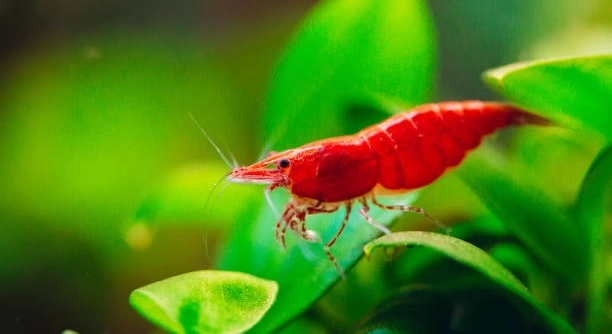
Cherry shrimp are small, colorful creatures that live in freshwater aquariums. They spend most of their time exploring plants, rocks, and substrate. Despite their tiny size, these shrimp have unique ways of interacting with each other every day.
Cherry shrimp communicate through body movements, color changes, and antennae signals. They use these subtle cues to establish territory, signal readiness to mate, or warn of danger. Observing these behaviors reveals a complex system of nonverbal communication.
Learning how to interpret these behaviors can make caring for your shrimp more rewarding. Small gestures often carry big meanings in their underwater world.
Antennae Movements
Cherry shrimp use their antennae for more than just sensing food or obstacles. They wave and flick them to send messages to other shrimp nearby. Gentle movements often signal curiosity, while rapid or stiff twitches can indicate stress or alertness. Watching how shrimp position their antennae can tell you a lot about their mood. When two shrimp meet, they often touch antennae briefly. This interaction helps them recognize each other and communicate territorial boundaries. Antennae contact can also indicate social hierarchy, especially in crowded tanks. Young shrimp learn these signals early, mimicking older shrimp. Changes in water conditions or tank setup can make antennae movements more frequent, signaling discomfort. Even subtle twitches may indicate a need for cleaner water or more hiding spots. Observing these details strengthens understanding of shrimp behavior.
Antennae gestures are their main way of nonverbal communication. Observing them provides insight into shrimp relationships and tank dynamics.
Understanding antennae communication allows you to respond appropriately, ensuring shrimp remain calm, safe, and socially balanced in their environment. Subtle cues help prevent conflict and stress.
Color Changes
Cherry shrimp often change color depending on mood, health, or breeding status. A vibrant red can indicate good health and readiness to mate, while dull or faded coloring might signal stress, illness, or poor water conditions. Color intensity also reflects hierarchy within the group. Dominant shrimp often display brighter colors to assert their position, while submissive shrimp may appear paler to avoid confrontation. Breeding females may darken or develop distinct markings, signaling fertility. Environmental factors like lighting, substrate, and nutrition can affect pigmentation. Regular observation of color changes can help identify problems early. Stress from overcrowding, sudden temperature shifts, or incompatible tank mates often shows in altered coloring. Adjusting conditions promptly can improve shrimp health and restore natural hues. Noticing these shifts is essential for maintaining a thriving aquarium, as color communicates both physical state and social dynamics among shrimp.
Color shifts act as clear signals in shrimp communication, letting you monitor their wellbeing. Tracking these changes ensures the tank remains harmonious and supportive for all inhabitants.
Tail Flicks
Tail flicks are a quick way cherry shrimp express irritation or alertness. A sudden flick usually warns other shrimp to keep distance or signals discomfort from nearby disturbances. This movement can prevent conflicts before they escalate.
Tail flicking is often a response to perceived threats or changes in the tank. When a shrimp flicks its tail repeatedly, it may be reacting to a sudden movement in the water, an aggressive tank mate, or poor water conditions. Observing these flicks helps identify stress triggers and adjust the environment accordingly. In some cases, tail flicks occur during mating interactions, helping females avoid unwanted attention or assert dominance. Even minor flicks convey meaningful messages that maintain social order.
These tail movements are subtle but significant signals. They reflect both immediate reactions and ongoing social interactions. Paying attention ensures you can respond quickly to their needs and maintain a balanced tank environment.
Hiding Behavior
Shrimp often retreat to plants, rocks, or decorations when feeling stressed or unsafe. This behavior helps them avoid conflicts and potential threats.
Hiding is not only a defense mechanism but also a way to communicate indirectly. A shrimp that remains in hiding for long periods may signal illness, low confidence, or submission within the group. Younger shrimp hide more frequently, learning when and where it is safe to emerge. Tank layout and density of hiding spots influence this behavior. Limited hiding areas can lead to increased stress and aggression, whereas abundant cover allows shrimp to signal discomfort without direct confrontation. Hiding can also indicate environmental issues, such as unsuitable water temperature or high ammonia levels. Monitoring which shrimp hide and when can help you address these problems early.
Hiding is an essential form of nonverbal communication that reveals mood, health, and social status. Recognizing these patterns ensures shrimp remain comfortable and reduces potential stress-related conflicts.
Antennae Touch
Antennae touching is a gentle way cherry shrimp communicate curiosity or recognition. When two shrimp meet, they often tap antennae briefly, exchanging information about identity and intentions.
Repeated antennae contact can indicate social bonding or establish dominance. It helps shrimp navigate interactions without aggression, maintaining harmony in the tank.
Feeding Signals
Cherry shrimp use subtle movements to indicate interest in food. They may hover near a feeding spot or move rapidly toward new particles. These gestures let others know where food is available and who arrived first, reducing competition and preventing disputes during feeding time.
Grooming Displays
Grooming, such as cleaning antennae or legs, shows health and alertness. Regular self-cleaning signals that a shrimp is strong, socially aware, and ready to interact safely with others.
Tail Curling
Tail curling is a quick signal of stress or defensive readiness. A shrimp curling its tail tightly usually wants space or is preparing to escape from potential danger.
Why do cherry shrimp wave their antennae at each other?
Cherry shrimp wave their antennae to send messages to other shrimp nearby. Slow, gentle movements often indicate curiosity, while fast or stiff movements show stress or alertness. This behavior helps them communicate intentions without fighting. Antennae contact can also help shrimp recognize each other and establish territory.
Can color changes in cherry shrimp indicate their mood?
Yes, color changes are a key form of nonverbal communication. Bright red usually signals good health or readiness to mate, while paler colors can indicate stress, illness, or submission. Dominant shrimp often appear more vibrant to assert their status. Environmental factors like water quality, lighting, and diet also affect color intensity. Observing these changes can help identify potential problems early.
What does tail flicking mean in cherry shrimp?
Tail flicking is a quick response to stress or perceived threats. A sudden flick warns other shrimp to stay back. Repeated flicks can occur during mating or in response to aggressive tank mates. Tail flicking prevents conflicts by signaling discomfort before any direct confrontation happens.
Why do cherry shrimp hide frequently?
Hiding is a defensive and social behavior. Shrimp retreat to plants, rocks, or decorations when stressed, sick, or submissive. Young shrimp hide more often as they learn to avoid danger. Limited hiding spaces can increase stress and aggression, while plenty of cover allows shrimp to communicate discomfort safely. Observing which shrimp hide helps detect health or environmental issues.
Do cherry shrimp groom themselves for communication purposes?
Grooming is mostly for health, but it also signals alertness and social readiness. Shrimp that regularly clean their antennae and legs show they are strong and aware. This behavior reassures others that they are fit to interact safely. Grooming can also indicate the shrimp’s overall comfort in the tank.
How do cherry shrimp signal feeding spots?
Shrimp often hover near food or move quickly toward it to signal its location. These movements alert other shrimp and reduce competition, letting everyone find food without conflict. This subtle communication ensures smoother feeding and helps maintain harmony in the tank.
Can cherry shrimp communicate stress without moving much?
Yes, subtle cues like fading color, staying in one spot, or curling the tail tightly indicate stress. Even minor changes in posture or antennae position can signal discomfort. Recognizing these signs early allows you to adjust water conditions, tank setup, or group dynamics to reduce stress.
Do cherry shrimp interact differently based on social hierarchy?
Yes, shrimp display dominance or submission through color, antennae contact, tail flicks, and hiding behavior. Dominant shrimp show brighter colors and approach more confidently, while submissive shrimp are paler and retreat more often. These nonverbal cues help maintain social balance and prevent aggression in the tank.
How can I tell if my shrimp are communicating effectively?
Effective communication is visible through smooth social interactions and minimal conflict. Look for antennae touching, color variations, coordinated feeding behaviors, and occasional tail flicks. Shrimp that signal stress appropriately and use hiding spaces when needed are successfully communicating their needs and maintaining harmony.
Are breeding behaviors part of shrimp communication?
Absolutely. Breeding females display darker or more vibrant colors to signal readiness. Males detect these changes and approach carefully, using antennae contact and gentle movements. Nonverbal cues during breeding reduce unnecessary aggression and help ensure successful reproduction while keeping the group balanced.
How does tank environment affect communication?
Water quality, temperature, lighting, and decorations directly influence shrimp behavior. Poor conditions can increase stress signals like tail flicking or excessive hiding. Adequate hiding spaces and a stable environment support natural communication patterns, allowing shrimp to interact safely, express hierarchy, and maintain health.
Can observing shrimp improve their care?
Yes, watching antennae gestures, tail flicks, color shifts, and hiding behavior gives insights into health and mood. Regular observation helps detect stress, disease, or environmental problems early. Understanding these subtle cues allows you to create a balanced, comfortable habitat and maintain a peaceful shrimp colony.
Do shrimp communicate when alone?
Even when alone, shrimp use body posture, tail movements, and grooming to manage their comfort and react to environmental changes. These behaviors are less about social interaction and more about self-regulation and signaling readiness to interact once other shrimp are present.
How long does it take to learn their signals?
With consistent observation, most people start recognizing basic antennae movements, tail flicks, and color changes within a few weeks. Subtle cues take longer, but patience helps interpret moods, stress, and social dynamics accurately, making shrimp care more intuitive and rewarding.
Cherry shrimp are fascinating little creatures, and their ways of communicating without words are more complex than they first seem. From waving their antennae to flicking their tails, every small movement carries meaning. Watching these behaviors carefully allows you to understand their mood, health, and social interactions. Even subtle changes in color or posture can indicate stress, comfort, or readiness to mate. By learning to interpret these signals, you gain a deeper appreciation for their intelligence and adaptability. Observing their communication can also help prevent unnecessary stress or conflicts in the tank. It becomes easier to create an environment that supports their natural behavior when you understand what each gesture means.
Creating a suitable habitat is an essential part of encouraging clear communication among cherry shrimp. They rely on plants, rocks, and decorations for hiding, social signaling, and exploring their surroundings. A tank that provides adequate hiding spaces helps shrimp express their moods safely and prevents aggressive encounters. Water quality and lighting also play a significant role. Poor conditions can make shrimp exhibit stress signals like dull colors or frequent tail flicks. In contrast, a stable, clean environment encourages vibrant colors, smooth social interactions, and healthy feeding behaviors. Watching how they move, hide, and interact with one another gives you feedback on whether the tank setup meets their needs. Paying attention to these details allows you to support a healthy, balanced shrimp community.
Understanding cherry shrimp communication is not only practical but also rewarding. It builds a stronger connection between you and your tank, even if it is nonverbal. Every tail flick, antennae wave, or subtle color change tells a story about their experiences, health, and feelings. Recognizing these messages early can prevent stress, illness, or conflict among the shrimp. Over time, observing and responding to these cues can make shrimp care more intuitive and satisfying. You start noticing patterns in behavior, understanding social hierarchies, and ensuring each shrimp thrives in its space. By appreciating how these tiny creatures communicate, you can maintain a peaceful, healthy tank and enjoy a more meaningful interaction with them each day.

Hello,
If you enjoy the content that we create, please consider saying a "Thank You!" by leaving a tip.
Every little bit helps us continue crafting quality advice that supports the health, happiness, and well-being of pets around the world, for pets of all shapes, sizes, and species.
We really appreciate the kindness and support that you show us!