
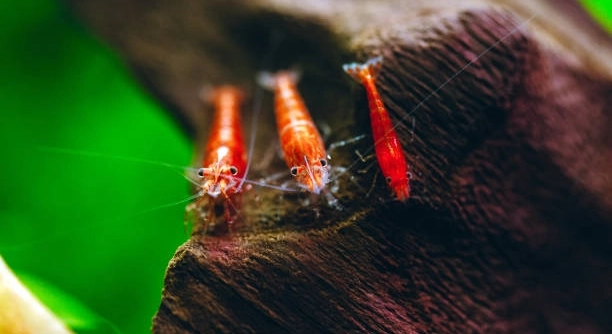
Are your cherry shrimp living in a small tank or a large community? Observing their movements and interactions can reveal surprising behaviors that might change how you care for these tiny freshwater creatures.
Cherry shrimp exhibit more active and coordinated behaviors when kept in groups. Group settings enhance their foraging efficiency, social interactions, and environmental awareness, indicating that their cognitive responses are stimulated by the presence of multiple individuals in the same habitat.
Understanding these social dynamics can improve tank management and ensure your shrimp thrive in a healthier, more engaging environment.
How Group Size Affects Behavior
Cherry shrimp in larger groups tend to explore more actively and use the tank space more efficiently. They are more likely to graze on algae and biofilm evenly across the tank rather than crowding a single spot. When kept alone, shrimp may hide more often and display slower movements. Observing them in clusters reveals patterns of social interaction, such as following one another and responding to each other’s activity. Group living also seems to reduce stress, as individuals appear less skittish and more confident when swimming or climbing on decorations. Even their feeding habits change; multiple shrimp feeding together often move with purpose, and food is shared more naturally, preventing any single shrimp from being left out. Group dynamics encourage the shrimp to respond to stimuli more quickly, which may be linked to instinctive protective behavior in larger numbers, improving their overall activity levels and alertness in the tank.
Social behavior is heightened when shrimp are in groups, making their movements livelier and more coordinated.
Keeping shrimp in a group helps maintain natural behaviors, reduces stress, and encourages more consistent activity. Observing how they interact offers insight into their instincts, feeding patterns, and responses to environmental changes. In larger groups, they establish subtle social hierarchies, avoid overcrowding, and explore more effectively. Solo shrimp often spend more time hiding, while those in groups are bolder and engage in cleaning and foraging together. These behaviors are not just for survival—they help maintain a balanced tank ecosystem. Shrimp communicate through movement, touch, and chemical cues, so a group environment enhances their sensory interactions. This leads to better foraging efficiency and increased awareness of tank conditions. Group dynamics also allow shrimp to develop natural patterns of movement and interaction, which can be rewarding to observe and beneficial for their health. Overall, providing a community setting replicates a more natural environment, improving shrimp well-being and behavior consistency.
Feeding and Activity Patterns
Shrimp in groups eat more steadily and explore their surroundings during feeding.
Feeding in a group encourages shrimp to move around the tank, stimulating natural grazing behavior. Individual shrimp may be slower or more hesitant, but groups tend to maintain constant activity. When food is introduced, they spread out, picking at algae, biofilm, and added flakes evenly. Observing this behavior can inform feeding schedules and portion sizes, ensuring all shrimp have access to nutrition. Group interactions create a sense of security, reducing hiding and increasing visible activity. This social feeding pattern supports tank hygiene, as shrimp naturally clean surfaces while foraging. Over time, you can notice patterns of coordination, like multiple shrimp grazing together on the same area and then dispersing. These behaviors show how group settings encourage both physical activity and social stimulation.
Feeding in a group not only supports nutrition but also reinforces natural movement and interaction.
In larger communities, cherry shrimp display synchronized grazing and consistent tank exploration, which benefits both the shrimp and the overall environment. By observing group feeding, you can see how they balance space usage, interact with each other, and maintain health. Larger groups allow for better coverage of algae and biofilm, preventing buildup on decorations and substrate. Social interactions during feeding stimulate mental engagement, keeping shrimp alert and active. Over time, this leads to predictable patterns in activity and rest, which can help in monitoring tank conditions. Additionally, feeding together reduces stress by providing a sense of safety, encouraging shy individuals to join in. Group dynamics also foster subtle learning behaviors, where younger or less experienced shrimp follow more active individuals. These patterns reflect instinctive strategies for foraging and social cohesion. Maintaining adequate group sizes ensures shrimp thrive, remain active, and display natural behaviors consistently, benefiting both their welfare and the overall tank environment.
Environmental Stimulation
Groups of cherry shrimp respond more actively to changes in their tank. They investigate new decorations, plants, or hiding spots faster than solitary shrimp. Interaction with each other seems to encourage curiosity and exploration.
Environmental enrichment boosts natural behaviors in shrimp, especially when kept in groups. Plants, moss, and small hiding areas create opportunities for climbing, grazing, and resting. Shrimp move between different tank zones more often when multiple individuals are present. Social cues prompt hesitant shrimp to explore areas they might otherwise avoid, improving overall tank activity. Group living increases responsiveness to light, water flow, and substrate changes. Shrimp in communities tend to investigate food sources, plant surfaces, and decorations more consistently, maintaining a cleaner tank environment and exhibiting natural instincts that are often muted in isolation.
Interaction with their surroundings becomes more consistent in groups, enhancing mental and physical stimulation. Observing shrimp explore together shows how social dynamics encourage engagement with both the tank and each other. In a well-planted or decorated tank, shrimp in groups climb, forage, and hide in rotation, mimicking natural behavior patterns. Solitary shrimp may remain stationary or spend long periods hidden, missing opportunities to graze efficiently. Group settings also reduce timid behavior, as shrimp appear less startled by changes or sudden movements. The presence of multiple shrimp encourages continual movement, feeding, and interaction, making the environment more dynamic. These behaviors support healthy development, reduce stress, and promote natural activity levels in the tank.
Breeding Behavior and Group Influence
Breeding tends to increase in shrimp kept in groups due to social interaction and reduced stress levels.
Social environment directly impacts reproductive activity in cherry shrimp. When kept in groups, shrimp exhibit more frequent molting, courtship, and egg-laying behavior. Males display more active searching for females, while females in community settings show readiness to mate and protect their eggs. Group living also allows juveniles to interact with adults, observing natural behaviors that improve their survival instincts. A diverse group size promotes competition without aggression, stimulating reproductive activity. Social signals, such as tactile and chemical cues, encourage mating cycles and ensure eggs are distributed safely across hiding spots. By providing multiple shrimp in a single tank, the natural breeding process is reinforced, resulting in healthier populations and higher survival rates.
Group presence not only encourages more mating but also improves overall offspring survival. Multiple shrimp in a community support each other indirectly, maintaining cleanliness, removing excess food, and reducing stress. Adult shrimp model natural behaviors that juveniles adopt, enhancing their ability to forage and navigate the tank safely. Group dynamics allow for safer hiding and more efficient use of resources, which reduces competition for food. Breeding success is higher because females have more opportunities to lay eggs without harassment, while males can follow natural mating instincts. Over time, observing a well-sized group demonstrates how social interactions maintain reproductive health, stimulate natural behaviors, and contribute to a balanced, thriving tank environment.
Stress Reduction in Groups
Shrimp in groups appear calmer and more confident. They spend less time hiding and more time grazing or exploring, which indicates lower stress levels and increased comfort in their environment.
The presence of other shrimp provides reassurance. Solitary shrimp often startle easily and remain hidden, but a group setting encourages movement and natural behavior.
Learning From Each Other
Cherry shrimp observe and mimic behaviors of their tank mates. Younger or less experienced shrimp follow more active individuals during grazing or climbing, which helps them adapt faster to their environment.
Maintaining Water Quality
Groups of shrimp indirectly support tank cleanliness. Constant movement prevents algae buildup and helps distribute food evenly, reducing waste accumulation and improving water conditions naturally.
Interaction With Tank Decorations
Shrimp in groups explore decorations together, climbing and grazing across plants, moss, and rocks. Group activity keeps them engaged and encourages natural movement patterns.
How many cherry shrimp should I keep together?
Cherry shrimp thrive in groups rather than alone. A minimum of six is usually recommended, but larger groups of 10 to 20 allow for more natural social behaviors. Small tanks can support fewer shrimp, but maintaining a healthy ratio of shrimp to tank size ensures they have space to explore, graze, and hide. In groups, shrimp distribute themselves evenly, which reduces stress and prevents any single shrimp from dominating food sources or territory. Observing them in a larger group shows more coordinated movement and natural interactions that are less noticeable in solitary shrimp.
Do cherry shrimp communicate with each other?
Yes, they use subtle cues to interact. Chemical signals, movement patterns, and tactile contact are primary methods. Shrimp can sense the presence of others nearby, which influences feeding, hiding, and mating behaviors. In groups, these signals help shrimp coordinate grazing, avoid collisions, and maintain social balance within the tank. Younger or less experienced shrimp often follow more active individuals, learning where to find food and which areas are safe to explore. These interactions are crucial for group cohesion and help reduce stress.
Will shrimp be more active in larger groups?
Activity generally increases in larger groups. Multiple shrimp grazing together encourage movement across the tank, promoting natural foraging and exploration. Solitary shrimp often remain in hiding, moving only when food is introduced. Group activity stimulates physical and mental engagement, as shrimp respond to each other’s movements. Watching a group move together demonstrates a coordinated behavior pattern where individuals follow others between feeding areas, climb decorations, and explore plants. This natural activity contributes to healthier shrimp and a cleaner tank.
Do cherry shrimp breed more in groups?
Yes, social environments stimulate reproduction. Males actively search for females, and females in groups appear more confident in laying eggs. Group settings also improve juvenile survival, as they can observe adult behaviors. A well-sized group encourages natural breeding cycles while minimizing stress or competition. Multiple hiding spots in a tank allow eggs to be safely dispersed, and adults can continue normal activities without disrupting reproductive processes. Observing a community of shrimp shows how social interaction directly influences mating, molting, and egg-laying behavior.
Can shrimp learn from each other?
Cherry shrimp do show simple learning behaviors. Younger or less active shrimp mimic the movement and grazing patterns of more experienced shrimp. This helps them find food efficiently and navigate decorations safely. Group dynamics also provide social cues for avoiding hazards or responding to environmental changes, improving survival skills. Over time, observing shrimp in a community shows how they adapt faster compared to isolated individuals, indicating that social living reinforces instinctive learning behaviors in their natural or tank environment.
Does group living reduce stress in shrimp?
Yes, shrimp in groups appear calmer and more confident. Solitary shrimp are more likely to hide and react to sudden movements. In contrast, group settings offer reassurance through social presence, encouraging natural activity. Stress reduction leads to increased grazing, exploration, and overall healthier behavior. A tank with multiple shrimp shows more lively movement and consistent feeding patterns, which indicates comfort and security. This social environment also supports molting and reproductive activity, as shrimp feel safer performing natural behaviors without the constant threat of isolation.
How do groups affect feeding behavior?
Feeding is more efficient in groups. Shrimp distribute themselves evenly when food is added, preventing overcrowding in one area. Active shrimp encourage others to join, promoting grazing across the entire tank. Group feeding reduces competition, ensures access for all individuals, and stimulates natural foraging behavior. Observing shrimp together shows coordinated movements where they spread out, clean surfaces, and maintain even grazing. This not only benefits individual health but also improves overall tank hygiene, as food is consumed more thoroughly and waste accumulation is minimized.
Do shrimp interact with decorations differently in groups?
Yes, they explore more actively when others are present. Groups climb plants, moss, and rocks together, grazing on algae and biofilm. Social presence encourages individuals to investigate areas they might avoid alone. Interaction with tank decorations becomes a natural part of their activity, supporting exercise, mental stimulation, and healthy behavior patterns. Group exploration helps maintain cleaner surfaces, promotes grazing consistency, and reduces boredom or inactivity. Watching a group of shrimp move through the tank shows coordinated movement and curiosity that solitary shrimp often lack.
Can small groups survive as well as larger groups?
Smaller groups can survive but may not display the full range of natural behaviors. Activity, exploration, and social learning are reduced compared to larger communities. Maintaining a small group requires attention to tank enrichment, hiding spaces, and consistent feeding to reduce stress and encourage interaction. While survival is possible, behavioral stimulation and natural instincts are more evident in larger, well-populated groups where shrimp benefit from social cues and group dynamics.
How does water quality interact with group behavior?
Groups help maintain water quality indirectly. Active shrimp movement spreads food and prevents buildup of algae or waste in one area. Grazing behavior across multiple surfaces supports cleaner tank conditions. Proper filtration and regular water changes remain essential, but group activity complements these efforts, creating a balanced environment. Observing shrimp in a group highlights how social behavior contributes to overall tank maintenance while supporting healthier, more active shrimp.
Keeping cherry shrimp in groups has clear benefits for their health, behavior, and overall activity. When shrimp are housed together, they display more natural behaviors such as grazing, climbing, and exploring their environment. Group living encourages social interaction, which can reduce stress and improve confidence in individual shrimp. Solitary shrimp, on the other hand, are often more timid and may spend long periods hiding, limiting their activity and exposure to food sources. By observing a community of shrimp, it becomes clear that group dynamics play a major role in how these creatures respond to their surroundings. They are more alert, more active, and more likely to engage in behaviors that are essential for their health and development.
Groups also positively influence feeding habits and foraging efficiency. When multiple shrimp are present, food is distributed more evenly, and each individual has better access without competition or dominance from others. Social presence encourages timid shrimp to venture out and feed alongside the more active members, ensuring no one is left behind. In addition to feeding, group dynamics stimulate mental engagement. Shrimp in communities follow each other, imitate movements, and respond to subtle cues from tank mates. This allows them to adapt quickly to changes in the environment, such as new decorations, plants, or shifts in water flow. Their coordinated activity not only benefits individual shrimp but also helps maintain cleaner surfaces and more balanced tank conditions. Watching a group of shrimp interact highlights the importance of social living in maintaining both health and natural instincts.
Breeding and reproductive behaviors are also influenced by group settings. Males are more active in searching for females, while females are more confident in laying and protecting eggs when surrounded by other shrimp. Juveniles in group environments learn from adults, gaining skills for navigating the tank, finding food, and avoiding hazards. Group living encourages regular molting and overall activity, which are essential for growth and reproduction. Environmental enrichment, combined with the presence of multiple shrimp, creates a healthier and more stimulating habitat. For anyone maintaining cherry shrimp, providing a community setting is essential to support natural behaviors, reduce stress, and encourage reproductive success. In short, group dynamics improve both the well-being of individual shrimp and the overall balance of the tank ecosystem.

Hello,
If you enjoy the content that we create, please consider saying a "Thank You!" by leaving a tip.
Every little bit helps us continue crafting quality advice that supports the health, happiness, and well-being of pets around the world, for pets of all shapes, sizes, and species.
We really appreciate the kindness and support that you show us!