
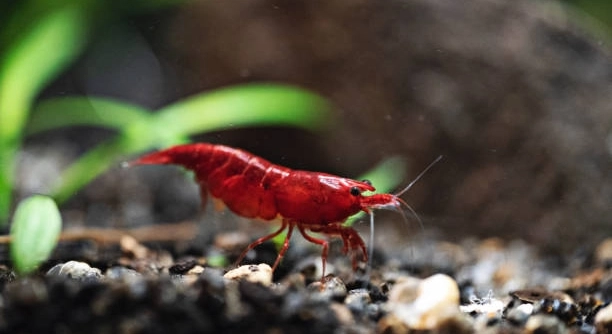
Have you ever noticed your cherry shrimp moving slowly around the tank and wondered if they experience boredom? These tiny creatures spend most of their time exploring, grazing, and interacting with their environment in subtle ways.
Cherry shrimp do not experience boredom in the same way humans do. Their behavior is largely driven by instinct, environmental conditions, and the availability of food. Observed restlessness or inactivity typically reflects natural patterns rather than emotional states.
Knowing how their activity is influenced by their surroundings helps you maintain a healthy and engaging environment for your shrimp. Proper care ensures they remain active and thrive over time.
Signs of Cherry Shrimp Activity
Cherry shrimp show activity in small, subtle ways. They often graze on algae, detritus, and biofilm across tank surfaces. Watching them filter surfaces, climb plants, or hide in decorations gives insight into their daily habits. Some shrimp may move in bursts, while others stay still for long periods. This variation is normal. Factors such as water temperature, light cycles, and tank cleanliness influence how active they appear. Younger shrimp tend to explore more, while older ones may prefer resting in safe spots. Providing natural hiding places, moss, and plants encourages natural behaviors. Observing their patterns over time helps you notice when behavior deviates from the norm. Changes can indicate water quality issues or health problems. A well-maintained tank with stable conditions allows shrimp to express natural behaviors consistently. Patience is key, as their activity levels can fluctuate without indicating stress or boredom.
Not all shrimp will be constantly moving; some remain stationary while feeding or resting, which is completely normal.
Tracking shrimp movement and interactions can help you understand their comfort level in the tank. For example, clustering near food or hiding in plants often signals contentment and safety. Providing varied textures, surfaces, and algae encourages grazing and exploration. Tankmates can also influence activity, as shrimp may adjust behavior in response to other inhabitants. Ensuring water parameters are stable prevents stress-induced inactivity. Observing shrimp over weeks reveals patterns that are otherwise easy to miss in short periods. By creating a balanced and enriched environment, you encourage natural behavior, reduce stress, and promote healthy growth. Subtle changes in movement, color, or grazing frequency can provide clues about overall well-being. Simple additions, like moss or small rocks, enhance their habitat and allow them to interact with their surroundings in meaningful ways. Recognizing these patterns strengthens your ability to care for your shrimp responsibly, creating a calm and dynamic tank environment.
Environmental Factors That Influence Behavior
Tank size, decoration, and plant coverage significantly affect shrimp behavior. Small or bare tanks can reduce natural movement, while enriched environments stimulate exploration.
Water quality, temperature, and lighting directly influence activity levels. Poor conditions can cause shrimp to hide, move less, or show stress. Consistent monitoring of pH, ammonia, nitrite, and nitrate is essential. Fluctuating temperatures can slow metabolism and limit grazing, while proper lighting supports algae growth, providing natural food and encouraging activity. Plants and moss not only serve as hiding places but also create surfaces for grazing, which keeps shrimp occupied. Adding variety to tank textures and levels, like small rocks or driftwood, enhances interaction with the environment. Observing how shrimp respond to these elements gives insight into their comfort and overall health. Maintaining stable conditions prevents sudden behavioral changes and supports growth, molting, and reproduction. A thoughtfully arranged tank encourages shrimp to move, feed, and interact naturally, reducing stress and ensuring longevity. Keeping these environmental factors balanced creates a stable and stimulating habitat for cherry shrimp, helping them display normal and healthy behaviors consistently.
Feeding and Interaction Patterns
Cherry shrimp spend most of their time grazing on algae, biofilm, and leftover food in the tank. They may nibble on plants or decorations, exploring surfaces slowly. Regular observation shows small clusters during feeding times, while some remain isolated in corners or among moss.
Feeding patterns vary depending on tank population, available food, and individual shrimp behavior. Younger shrimp are more active, frequently moving across surfaces to find biofilm or algae. Older shrimp may graze in one area for longer periods. Uneaten food should be removed after a few hours to prevent water quality issues, which can affect shrimp activity and health. Providing a variety of foods, including specialized shrimp pellets, blanched vegetables, and occasional protein supplements, supports balanced nutrition and encourages natural foraging behavior. Grazing and foraging stimulate activity and prevent stagnation in their daily routine.
Observing how shrimp interact with each other during feeding also gives insight into hierarchy and comfort levels. Some shrimp may dominate certain areas temporarily, while others wait or move aside. Subtle movements, like antennal brushing or body flicks, indicate communication or awareness. Proper feeding routines and consistent schedules help maintain stability in behavior and reduce stress. Ensuring each shrimp has access to food while avoiding overcrowding or overfeeding fosters healthier, more active shrimp. Gradually adjusting feeding methods can improve engagement and exploration in the tank environment.
Tank Enrichment and Stimulation
Adding moss, plants, and small hiding spots encourages natural activity and exploration. Varying surfaces and heights increases interaction with the environment and provides comfort.
Environmental enrichment supports mental and physical stimulation in cherry shrimp. Smooth surfaces, rocks, and driftwood create grazing areas and encourage movement across different levels. Moss and fine-leaved plants offer shelter while supporting biofilm growth, giving shrimp a natural food source. Small caves or crevices help shy individuals feel safe, reducing stress and allowing more confident exploration over time. Changes in tank layout or occasional new decorations spark curiosity, prompting shrimp to investigate and interact with their surroundings. Careful placement ensures enough space to move freely without overcrowding. Enrichment strategies directly affect activity levels, overall health, and longevity, helping shrimp maintain consistent grazing, hiding, and exploration behaviors. By thoughtfully arranging tank elements, shrimp can express instinctive behaviors naturally and thrive in a stable yet engaging habitat.
Molting and Growth
Molting is a natural process where shrimp shed their exoskeleton to grow. During this time, they may hide more often and move less, conserving energy until their new shell hardens.
Shrimp may also eat their old exoskeleton to reclaim nutrients. This behavior supports healthy growth and replenishes essential minerals like calcium. Proper water parameters and a balanced diet make molting safer and more successful. Observing molting cycles helps track shrimp health and development over time, ensuring they remain active and thriving once the process is complete.
Social Behavior
Cherry shrimp often move in small groups, grazing and exploring together. They communicate subtly with body movements, antennal touches, and position shifts. These interactions are instinctive and not indicative of boredom.
Lighting and Day-Night Cycle
Light affects shrimp activity, with brighter periods encouraging grazing and exploration while darker periods encourage resting. Consistent light schedules help maintain normal behavior.
Water Quality Impact
Water quality directly influences shrimp activity, health, and lifespan. Poor conditions can cause hiding, lethargy, or molting problems. Regular testing and maintenance keep shrimp active and thriving.
Do cherry shrimp get bored?
Cherry shrimp do not experience boredom like humans. Their behavior is driven by instinct, environmental conditions, and access to food. Observing a shrimp remaining still or hiding does not mean it is bored. Activity levels fluctuate naturally based on age, molting cycles, water conditions, and light schedules.
Why do my shrimp stay in one spot?
Shrimp often stay in one area to graze on biofilm or algae. They may also hide during molting or when stressed. Stationary behavior is normal as long as water parameters are stable and they show occasional movement and feeding.
How can I encourage more shrimp activity?
Adding moss, plants, and decorations provides surfaces for grazing and places to explore. Small rocks, driftwood, or caves encourage movement and interaction. Regular feeding with varied foods also promotes natural foraging behavior and keeps shrimp engaged with their environment.
What feeding habits indicate healthy shrimp?
Active grazing, foraging across plants or tank surfaces, and nibbling on decorations are signs of healthy shrimp. Younger shrimp move more frequently, while adults may feed in one area. Uneaten food should be removed to maintain water quality and prevent inactivity caused by stress.
Can tank size affect shrimp behavior?
Yes, smaller or overcrowded tanks limit movement and natural behaviors. Larger, well-decorated tanks with hiding spots encourage exploration, grazing, and interaction. Adequate space reduces stress, prevents territorial disputes, and supports normal activity patterns for all shrimp in the tank.
Do shrimp interact with each other?
Shrimp communicate subtly through body movements, antennal touches, and positioning. Group grazing and exploration are natural behaviors. Some shrimp dominate feeding areas temporarily, while others wait or retreat. These behaviors are instinctive and help maintain balance in the tank population.
How do water conditions impact activity?
Poor water quality reduces activity and causes stress. High ammonia, nitrite, or nitrate levels can make shrimp hide or remain inactive. Stable temperature, pH, and cleanliness are essential. Regular monitoring and maintenance ensure shrimp remain active, healthy, and engaged with their environment.
Does lighting affect shrimp behavior?
Light influences when shrimp are active. Brighter periods stimulate grazing and exploration, while darker periods encourage resting. A consistent day-night cycle helps maintain normal activity patterns and reduces stress, supporting natural rhythms and healthier overall behavior.
What should I do during molting periods?
Shrimp hide more during molting to protect themselves. They may eat their old exoskeleton for nutrients. Avoid disturbing them, maintain stable water conditions, and ensure they have hiding spots. Proper diet and minerals support successful molting and continued activity afterward.
Are some shrimp naturally more active than others?
Yes, activity levels vary by age, personality, and health. Younger shrimp tend to explore more, while older or recently molted shrimp may move less. Observing behavior over time helps identify what is normal for each individual. Providing enrichment and balanced food encourages consistent engagement.
How can I tell if inactivity is a health issue?
Prolonged hiding, loss of color, unusual swimming, or refusal to eat can indicate stress or illness. Regular observation, water testing, and careful feeding help prevent problems. Promptly addressing any abnormal behavior protects overall tank health and ensures shrimp continue normal activity.
Does adding new shrimp affect behavior?
Introducing new shrimp can temporarily reduce activity due to stress or territorial adjustment. Gradual acclimation, sufficient hiding spots, and stable water parameters help new and existing shrimp settle quickly and return to normal behaviors.
What role does diet play in activity levels?
A varied diet of algae, biofilm, shrimp pellets, and occasional vegetables ensures proper nutrition. Adequate food encourages grazing, exploration, and foraging. Poor diet can lead to lethargy, molting issues, and reduced activity. Regular feeding routines maintain energy levels and promote healthy behavior.
Can tank decorations replace natural stimulation?
Decorations alone are not enough. Shrimp benefit from moss, plants, and textured surfaces that support biofilm growth. Combining hiding spots with surfaces for grazing encourages exploration and maintains natural behavior. Rotating or changing tank elements occasionally can further enhance engagement.
How long should shrimp be left alone to explore?
Shrimp naturally spend hours grazing and exploring. Avoid overhandling or frequent disturbances. Quiet observation allows them to express instinctive behaviors. Over time, watching patterns of movement, hiding, and grazing helps identify individual habits and overall health.
What are signs that enrichment is working?
Active grazing, movement across different tank levels, interaction with moss and plants, and exploration of decorations show enrichment is effective. Shrimp that consistently hide or avoid surfaces may need more hiding spots or changes to tank layout to feel secure and stimulated.
Does temperature affect activity?
Yes, shrimp metabolism and movement slow in cooler water and increase in stable, appropriate temperatures. Sudden fluctuations can cause stress and inactivity. Maintaining a consistent temperature within recommended ranges supports normal behavior, feeding, and growth.
Can tank mates influence shrimp behavior?
Yes, aggressive or overly active tank mates can stress shrimp, causing hiding or reduced movement. Peaceful companions allow shrimp to explore naturally and interact without fear. Careful selection of compatible species maintains a calm, balanced environment for consistent activity.
What is normal resting behavior?
Shrimp often rest in moss, plants, or under decorations. This behavior conserves energy and is not a sign of boredom. Resting periods are followed by grazing and exploration, reflecting natural rhythms influenced by light, temperature, and molting cycles.
How often should I check shrimp activity?
Daily observation is ideal to spot changes in behavior, feeding, or interaction. Noticing subtle shifts helps identify water quality issues, health problems, or environmental stressors early, ensuring shrimp remain active, healthy, and thriving in their habitat.
Do shrimp remember areas in the tank?
Shrimp exhibit simple spatial memory, often returning to favorite grazing spots or hiding places. They navigate consistently between surfaces, moss, and plants. This behavior helps them forage efficiently and stay safe, reflecting instinctive patterns rather than boredom or complex cognition.
Cherry shrimp are fascinating little creatures that rely mostly on instinct to guide their daily lives. Unlike humans or pets with more complex emotions, shrimp do not get bored in the way we understand it. Their activity is shaped by basic needs such as grazing, molting, exploring, and finding safe hiding spots. Observing them over time reveals patterns that are largely predictable and tied to their environment. For instance, periods of rest, slow grazing, or clustering in moss are all normal behaviors and not signs of disinterest or lack of stimulation. By providing the right conditions, shrimp can express their natural behaviors without stress, which supports their overall health and longevity.
Maintaining a stable and well-decorated tank is the best way to encourage natural shrimp activity. Plants, moss, driftwood, and textured surfaces create opportunities for grazing and exploration while also offering shelter. These elements mimic the environments shrimp would encounter in the wild and provide small challenges that keep them moving. Regular feeding with a mix of biofilm, algae, and specialized shrimp foods ensures they receive proper nutrition while reinforcing foraging behavior. Additionally, consistent water parameters, including temperature, pH, and ammonia levels, prevent stress and inactivity. Small adjustments, like rearranging decorations or adding new moss patches, can refresh the tank environment without causing confusion, keeping shrimp active and comfortable.
Understanding shrimp behavior also helps detect potential health or environmental problems. If shrimp suddenly become lethargic, hide excessively, or stop grazing, it is often a sign of water issues, illness, or stress rather than boredom. Observing shrimp daily and noting patterns in feeding, movement, and interaction can highlight changes early, allowing corrective action before serious problems arise. By focusing on proper care, habitat enrichment, and monitoring, shrimp can thrive naturally. Their seemingly simple lives are carefully balanced around instinct, environment, and nutrition, and supporting these needs allows them to remain healthy, active, and vibrant in your tank over the long term.

Hello,
If you enjoy the content that we create, please consider saying a "Thank You!" by leaving a tip.
Every little bit helps us continue crafting quality advice that supports the health, happiness, and well-being of pets around the world, for pets of all shapes, sizes, and species.
We really appreciate the kindness and support that you show us!