
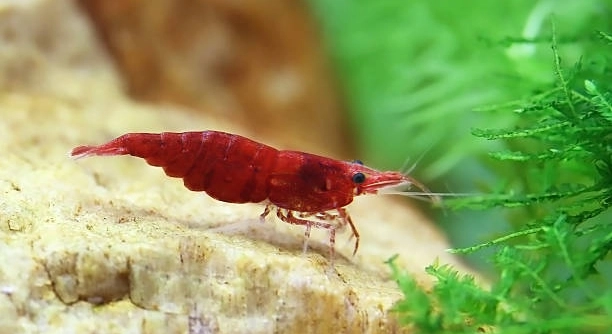
Cherry shrimp often gather in one spot, quietly moving around each other and nibbling on tiny particles. Their small size and gentle movements make them seem shy, yet they show a clear preference for certain areas in the tank.
Cherry shrimp repeatedly occupy the same location due to the availability of food, shelter, and water conditions. These spots provide ideal surfaces for biofilm growth, protection from stress, and stable environmental factors that support their health and activity.
Observing their behavior reveals patterns that are more than random swimming. Understanding these habits can improve care and tank management for these delicate creatures.
Why Cherry Shrimp Favor Certain Spots
Cherry shrimp often pick the same area in a tank because it meets their basic needs. They look for places with plenty of biofilm to graze on, where the water flow is gentle, and where hiding spots are nearby. Moss, plants, and smooth surfaces become prime locations because these spots let them feel safe while they feed. Shrimp are small and sensitive, so even minor changes in temperature, current, or lighting can make them move to a more comfortable location. They are not lazy; their behavior is instinctual, aimed at survival and comfort. Over time, these areas become recognizable as “safe zones” where shrimp feel secure enough to socialize with others, molt, or rest without stress. Observing them, I noticed certain rocks or corners were always busy while open spaces stayed empty. Their patterns are predictable, and adjusting the tank environment can influence where they gather and how active they are overall.
Shrimp often stay in one spot because it provides food, shelter, and stable water conditions that suit their needs perfectly.
Maintaining consistent water quality, adding plants or moss, and ensuring gentle currents can encourage shrimp to explore more of the tank. They feel more secure when their basic needs are met in a specific area. Watching them interact, I realized even small decorations can change their preferred spots. Some shrimp prefer surfaces near filters for the extra nutrients, while others like shaded corners where they can hide easily. Feeding patterns also influence their location choices; they often return to areas where food is plentiful. By observing these behaviors closely, you can create a tank environment that keeps them active and reduces stress. Their repeated presence in one spot isn’t random but a response to comfort, food, and protection. Adjusting the layout thoughtfully encourages natural behavior without forcing them into areas they avoid.
Signs That Spot Preference Matters
When multiple shrimp gather consistently, it indicates that area meets key survival needs for the group.
Overcrowding in that spot can stress shrimp if the space is too small. Observing behavior, such as constant grazing or hiding, shows where conditions are most favorable. Tank adjustments may be needed to balance comfort with activity.
Providing multiple suitable areas encourages natural movement and prevents stress from limited space. Biofilm growth, proper lighting, and plant placement make certain spots attractive. Different shrimp may prefer different surfaces, so varying textures and hiding options is important. Paying attention to these preferences helps improve overall health and activity. Avoid overfeeding in one spot, as it may lead to water quality issues. By arranging the tank to mimic natural microhabitats, you allow shrimp to rotate among preferred areas while maintaining security. Careful observation of how they interact with these spots can inform decisions about decorations, feeding, and tank flow. Understanding the reason behind their repeated choice helps create a balanced, healthy environment that supports both feeding behavior and molting cycles. Shrimp thrive when their surroundings cater to multiple needs simultaneously.
Food and Biofilm Concentration
Shrimp are naturally drawn to spots where biofilm is thick. These areas give them easy access to their main source of nutrition, letting them graze without wandering far. Biofilm accumulates on plants, rocks, and tank decorations.
The type and quality of food in the tank directly influence shrimp behavior. When small particles settle in one area or attach to surfaces, shrimp will repeatedly return there to feed. I noticed that even slight changes in feeding spots caused them to adjust their preferred locations. Some shrimp favor shaded surfaces, while others linger near moss where food sticks. These microhabitats ensure constant access to nutrients, which is vital for growth, molting, and reproduction. By observing which surfaces are consistently busy, you can understand their feeding habits and make minor adjustments to encourage healthy grazing patterns.
Biofilm isn’t the only attractant. Small bits of leftover food, algae, and even tiny detritus create a concentration of nutrients that keeps shrimp returning. Their instinct to feed efficiently drives them to the same spot, reducing energy spent wandering. Over time, this behavior becomes a clear routine, making certain areas noticeably populated while others remain empty. Understanding these patterns helps in designing a tank that balances food availability, cleanliness, and activity.
Shelter and Security
Shrimp favor areas that provide cover from potential threats. Hiding spots like plants, moss, and crevices reduce stress and give them confidence to move freely.
I noticed my shrimp almost always gathered near dense moss or behind small rocks. These areas protect them during molting, when they are vulnerable, and offer a safe place to rest. When the tank is well-planted, they feel secure enough to explore, but without adequate shelter, they stick tightly to one corner. Gentle currents and calm surfaces also contribute to their sense of security. By arranging plants and decorations strategically, I could create multiple safe zones that dispersed the shrimp more evenly. This approach reduces competition for space and helps shy individuals thrive alongside more active shrimp. Security affects not only location choice but also social interactions, feeding confidence, and molting success. Observing them in these spots revealed that comfort is as important as food when it comes to repeated location preference.
Water Flow and Current
Shrimp prefer areas with gentle water flow. Strong currents make them expend more energy and feel exposed, so calm spots become their gathering points.
Even small differences in water movement influence where they stay. Near filters or tank corners with slower currents, shrimp feel safer and can feed comfortably without struggling.
Light and Shade
Light intensity affects shrimp location. They naturally avoid bright areas, favoring shaded spots that mimic their natural environment. This preference keeps them calmer and encourages regular grazing behavior.
Creating areas with soft lighting, moss, or plants helps shrimp feel secure. Observing them, I noticed shaded corners were always busier, showing how lighting directly shapes their preferred zones.
Social Behavior
Shrimp often cluster in the same spot because they feel safer in groups. Being near others reduces stress and encourages natural interaction.
Group presence influences feeding and molting. Shrimp seem more active and confident when surrounded by companions, making social behavior a key factor in repeated spot preference.
Why do cherry shrimp always stay in the same spot?
Cherry shrimp tend to stick to one area because it meets their essential needs. They look for spots with abundant food, gentle water flow, and places to hide. Areas with moss, plants, or decorations often become their favorite because these surfaces collect biofilm, algae, and small particles they can feed on. Calm water around corners or behind decorations makes them feel safe, especially when molting. Over time, shrimp form routines, returning to familiar spots where they feel comfortable and secure. Observing their behavior, I realized that these “busy zones” develop naturally, shaped by the environment and available resources rather than random movement.
Is it bad if all my shrimp are in one spot?
Not necessarily. Gathering in one spot is normal and shows they feel safe and have food there. However, overcrowding can create stress if space is limited. Too many shrimp in a small area may increase competition for food or shelter. Watching for signs of stress, like constant hiding, lethargy, or aggressive nibbling during molting, is important. Creating multiple suitable zones with moss, plants, or gentle current variations helps distribute them more evenly, reducing competition and encouraging natural movement. The goal is to balance security, food access, and space so all shrimp thrive.
How can I encourage shrimp to explore other areas?
Introducing additional hiding spots or varying textures and decorations encourages movement. Soft moss, driftwood, or small rocks can provide alternative safe zones. Gradually feeding in new areas helps shrimp associate those spots with food. I noticed that even small changes, like repositioning plants, made previously empty areas more appealing. Maintaining gentle water flow in these spots also helps. Avoid sudden changes in lighting or strong currents, as this may stress them. Over time, shrimp start exploring more, but their natural preference for comfort and food still guides where they spend most time.
Do shrimp fight over spots?
Cherry shrimp are generally peaceful, but competition can occur if a preferred spot is limited. Dominant shrimp may push others aside during feeding or molting. This behavior is mild and usually doesn’t cause serious harm if space is adequate. Adding extra hiding places, spreading food across multiple areas, and keeping water conditions stable reduces conflict. I noticed that when moss or plants cover more surface area, shrimp distribute themselves naturally, avoiding constant clustering and tension.
Why do shrimp stay near filters or corners?
Filters create gentle water flow and may concentrate tiny food particles. Corners offer protection from perceived threats and reduce exposure. These areas become predictable safe zones where shrimp can feed, molt, and rest without worry. I found that shrimp consistently returned to these spots, even after rearranging other decorations. They rely on these zones as a combination of comfort, nutrition, and security.
Does lighting affect where shrimp gather?
Yes. Brightly lit areas are avoided because shrimp feel exposed. Shaded spots under plants or near decorations are preferred. Lighting influences feeding behavior too; shrimp tend to feed in dimmer areas where they feel less vulnerable. I observed that introducing more plants or creating shaded corners significantly increased activity and reduced stress in my tank.
Can tank size change their spot preference?
Larger tanks give shrimp more options to choose from, but they still tend to favor safe, food-rich areas. In smaller tanks, overcrowding can intensify their attachment to specific spots. Providing multiple attractive zones in any tank size encourages movement and reduces stress while still respecting their natural instincts.
Do shrimp return to the same spot after molting?
Yes, they often return to familiar safe zones post-molt. Molting is a vulnerable time, so familiar areas provide shelter, food, and calm water. I noticed that even newly molted shrimp immediately moved to their favorite corners or moss patches, showing how routine and comfort drive their behavior.
How can I maintain these preferred spots?
Keep biofilm, algae, and detritus levels steady without overfeeding. Regular water changes, gentle current, and healthy plants ensure shrimp continue using these areas. Avoid removing moss or decorations frequently, as it disrupts their sense of security. I learned that minimal changes help maintain consistent behavior while supporting health.
Are all shrimp in a tank likely to prefer the same spot?
Not always. While some areas are popular due to food and shelter, individual shrimp may have slightly different preferences. Some prefer corners, others moss, or surfaces near filters. Offering multiple suitable zones satisfies varying needs and encourages natural movement patterns.
Can stress make shrimp stop using their favorite spots?
Yes. Sudden changes in water parameters, strong currents, or overcrowding can make shrimp leave their usual area. I noticed that after a major water change with slightly different temperature, my shrimp avoided their favorite corners temporarily. Gradual adjustments and stable conditions help them return confidently.
Does the type of decoration matter for spot preference?
Absolutely. Shrimp favor textured surfaces like moss, smooth rocks, and driftwood where biofilm accumulates. Flat plastic surfaces are less attractive. I found that adding natural decorations not only enhanced the tank’s look but also encouraged grazing and reduced stress by offering multiple appealing areas.
How can I tell if a spot is ideal for my shrimp?
A busy area with frequent grazing, molting, and social activity indicates an ideal spot. I observed that shrimp linger longer in these zones and move confidently without hiding. Calm water, nearby cover, and abundant biofilm are good indicators of a preferred area.
Does feeding frequency affect their preferred spots?
Yes. Shrimp return to areas where food is reliably available. Consistent feeding in specific spots strengthens these preferences. I noticed that changing feeding locations gradually can shift shrimp activity, but sudden changes may cause hesitation or stress. Multiple feeding points can balance distribution.
Are certain species of shrimp more likely to stick to one spot?
Cherry shrimp are naturally prone to spot loyalty, but other dwarf shrimp may behave differently. Species with higher activity levels may explore more, while timid types prefer staying in familiar, safe areas. Observing species-specific behavior helps in planning tank layout and feeding strategies.
How long do shrimp typically stay in one spot?
It depends on conditions. They may linger for hours while feeding or resting, but if water conditions change or food depletes, they explore other areas. I noticed that stable, nutrient-rich spots keep shrimp returning consistently, sometimes daily, showing the importance of comfort and resource availability.
Can spot preference affect breeding?
Yes. Preferred areas provide shelter for females and fry. Calm, food-rich zones improve survival rates. I observed that heavily planted corners became breeding hubs, as shrimp felt safe molting, mating, and protecting eggs. Providing multiple ideal spots encourages reproduction without overcrowding.
Do shrimp ever change their preferred spot permanently?
Only when environmental conditions change significantly. Removing hiding spots, altering water flow, or shifting decorations can lead them to adopt new areas. I noticed that shrimp adapt gradually, but they always seek similar features: food, safety, and calm water.
Does temperature influence where shrimp gather?
Yes. Slightly warmer or cooler areas in the tank can attract shrimp. They tend to move to stable temperatures that feel comfortable. Sudden fluctuations may drive them away from their favorite zones temporarily until conditions stabilize.
Can shrimp show preferences for multiple spots?
Definitely. Many shrimp rotate among several safe areas depending on feeding, molting, or social activity. I noticed that my shrimp used moss patches, corner hides, and rock surfaces at different times, showing flexibility while maintaining comfort and security.
Do shrimp ever leave their favorite spot completely?
Rarely, unless the area becomes unsuitable due to poor water quality, overcrowding, or lack of food. Even then, they usually move to a similar nearby spot. I observed that careful maintenance keeps them returning to familiar zones reliably, demonstrating how attachment is tied to environmental stability.
Is it important to track shrimp spot behavior?
Yes. Monitoring where shrimp gather reveals feeding habits, stress levels, and tank suitability. I keep an eye on busy areas to adjust decorations, feeding, or water flow, ensuring shrimp remain healthy and active while maintaining natural behaviors.
Can spot preference indicate health issues?
Changes in preferred spots can signal problems. If shrimp suddenly avoid favorite areas or appear lethargic, it may indicate water quality issues, illness, or stress. I learned that quick intervention, checking water parameters and diet, helps prevent long-term health problems.
How long does it take shrimp to settle on a favorite spot?
Usually a few days to a week. They explore initially but gradually select areas with food, shelter, and gentle current. I noticed that once a spot meets these needs, shrimp return there repeatedly, forming predictable patterns.
Are juveniles and adults likely to pick the same spots?
Not always. Juveniles may prefer sheltered areas with dense moss or plants for protection, while adults are bolder and may spread out more. I observed that providing multiple suitable areas helps all age groups coexist comfortably without stress or overcrowding.
Does molting frequency affect spot selection?
Yes. Shrimp often choose hidden, calm zones during molting. These spots offer safety and reduce stress while they are vulnerable. After molting, they may return to their usual feeding areas but often linger longer in the safe zones for recovery.
Can shrimp remember and return to previous spots?
Yes. They have simple spatial memory and recognize areas that offer consistent food and shelter. I noticed that even after rearranging some decorations, they quickly returned to familiar locations, showing a clear preference for comfort and security.
Do water chemistry changes affect spot preference?
Absolutely. pH, hardness, and ammonia levels influence comfort. Sudden changes may drive shrimp away from their preferred spots. I found that maintaining stable water parameters ensures shrimp consistently use their favorite areas, supporting feeding, molting, and social behavior.
Is it normal for shrimp to crowd one spot during feeding?
Yes. Concentrating in areas with food is natural. I noticed that while it looks crowded, competition is usually mild if space and hiding spots are sufficient. Spreading food across multiple areas helps distribute shrimp more evenly and reduces stress during feeding.
Do shrimp prefer vertical surfaces or horizontal surfaces?
Both, depending on biofilm and shelter. Moss and plant stems attract grazing shrimp, while flat rocks provide resting areas. I observed shrimp moving between vertical and horizontal surfaces based on activity and comfort, showing adaptability while sticking to familiar safe zones.
How can I use spot preference to improve tank design?
Observing preferred areas informs decoration placement, plant density, and feeding zones. I arranged moss patches, rocks, and gentle current zones based on shrimp habits, encouraging natural movement while maintaining comfort and security. Spot preference becomes a guide for creating a balanced, healthy environment.
Do shrimp show individual preferences within a group?
Yes. Some shrimp repeatedly use certain moss patches, while others favor corners or rocks. I noticed personalities emerging, with shy shrimp sticking to dense cover and bolder individuals exploring more. Multiple suitable areas satisfy everyone’s needs without conflict.
Can spot preference indicate breeding readiness?
Sometimes. Females may linger in hidden areas before laying eggs, while males patrol nearby feeding zones. I observed that understanding these patterns helps support breeding by providing calm, food-rich spots that reduce stress and increase survival chances.
Does tank cleanliness affect spot preference?
Yes. Dirty water or excessive debris can make shrimp abandon usual areas. Regular maintenance keeps favorite spots attractive by balancing biofilm, leftover food, and water quality. I noticed shrimp returning quickly to clean, food-rich surfaces, showing how cleanliness directly influences behavior.
Do shrimp ever return to old spots after changes?
Yes. Once conditions stabilize, they often revisit familiar areas. I rearranged decorations temporarily, and my shrimp eventually returned to preferred corners and moss patches, demonstrating attachment to areas that offer comfort, food, and safety.
Are there seasonal changes in spot preference?
In indoor tanks, seasonal effects are minimal, but minor temperature or lighting changes can shift activity. I noticed slight adjustments in where shrimp linger, but their core preferences remained consistent, highlighting the importance of stable, predictable environments.
Does spot preference vary with shrimp age?
Yes. Young shrimp focus on dense cover for protection, while adults explore more and may occupy multiple zones. Observing both age groups helps plan tank layout that satisfies feeding, hiding, and molting needs across all life stages.
How can I tell if shrimp are stressed in their preferred spot?
Signs include constant hiding, frantic swimming, or avoiding usual areas. I noticed that adjusting water flow, adding hiding places, or spreading food restored calm behavior, confirming that environmental factors directly influence stress and spot choice.
Does adding new shrimp affect spot preference?
Yes. New arrivals may initially avoid busy zones, while established shrimp maintain their usual areas. I introduced new shrimp gradually, giving them alternative shelters to reduce conflict and encourage safe integration.
Do shrimp have favorite surfaces for grazing?
Yes. Moss, plant stems, and textured decorations attract grazing activity. I noticed shrimp spending more time on these surfaces than on flat plastic or bare glass, showing the importance of texture and biofilm availability in spot preference.
Can spot preference indicate water parameter issues?
If shrimp suddenly leave favored areas, it may indicate stress from poor water quality. I check ammonia, nitrite, pH, and temperature when this happens. Restoring stable conditions usually brings shrimp back to their usual spots, showing their attachment is linked to comfort and safety.
Does feeding type influence spot preference?
Yes. Shrimp prefer areas where their preferred foods accumulate. I noticed that powdered or sinking foods often kept shrimp in certain corners longer, while floating foods encouraged movement. Understanding food behavior helps manage activity and ensures all shrimp get access.
Do shrimp share favorite spots peacefully?
Mostly, yes. Cherry shrimp are non-aggressive, and sharing occurs naturally. I saw some minor nudging during feeding or molting, but overall, multiple shrimp can coexist in the same zone if space and hiding spots are sufficient.
Can spot preference help with breeding management?
Absolutely. Observing calm, food-rich areas allows placing breeding females in safe zones. I noticed that providing these preferred spots reduced stress, encouraged molting, and improved egg survival, making spot selection a practical tool for breeding success.
Do water temperature fluctuations make shrimp move spots?
Yes. Even small shifts can drive them from one corner to another. I learned to maintain stable temperatures to prevent stress-induced relocation and ensure shrimp consistently use their favorite feeding and hiding areas.
Is it normal for shrimp to revisit the same spot daily?
Yes. Consistent use of the same area is natural if it meets needs for food, shelter, and calm water. I observed daily routines forming, showing how predictability and comfort guide their repeated behavior.
Do shrimp have preferences for water depth?
Yes. Some shrimp linger near the substrate, while others use mid-level surfaces. Depth choice is often linked to feeding, biofilm availability, and safety. I noticed providing multiple vertical zones encouraged natural rotation while respecting individual preferences.
Can spot preference change if tank layout changes?
Yes, but gradually. Shrimp may explore new areas but will seek spots with similar comfort, food, and calm water. I noticed that careful rearrangement allowed adaptation without causing long-term stress, showing flexibility in behavior while maintaining natural instincts.
Do shrimp return to spots after feeding?
Usually. After grazing, shrimp often return to sheltered or food-rich areas. I observed that even after moving around the tank, familiar zones became gathering points again, highlighting the importance of comfort and reliable resources.
Are there signs that a spot is unsuitable?
Yes. Avoidance, lethargy, or constant hiding suggests an area is unfit. I noticed that adjusting decorations, water flow, or cleaning surfaces restored use, confirming shrimp respond to environmental suitability when choosing where to stay.
Does molting behavior affect how often shrimp use spots?
Yes. They spend more time in hidden, calm areas before, during, and after molting. I observed that protected spots became temporarily busier, showing how molting drives temporary changes in spot use while still favoring comfort and security.
Can shrimp form social hierarchies in preferred spots?
Mildly. Some individuals may dominate prime areas, nudging others aside during feeding. I noticed that providing multiple attractive spots reduced tension, allowing all shrimp to access food and shelter without serious conflict.
Do shrimp have seasonal or daily routines in spot use?
Yes. While seasons matter less in indoor tanks, daily activity patterns emerge. Feeding times, light cycles, and water flow influence which areas are active. I observed predictable busy periods, indicating their behavior is tied to routine and environmental cues.
Is it normal for shrimp to rotate between spots?
Yes. Shrimp balance feeding, safety, and social activity. I noticed rotation between moss, rocks, and shaded corners throughout the day, showing flexibility while maintaining comfort.
Can spot preference indicate overall tank health?
Yes. Consistent use of certain zones shows stable water, adequate food, and proper shelter. Sudden changes in behavior often signal stress or water issues. I monitor spot patterns to assess tank health and make timely adjustments.
Do shrimp prefer natural over artificial decorations?
Yes. Moss, plants, and driftwood are favored due to texture and biofilm growth. I noticed that plastic or bare surfaces were less attractive, confirming natural decorations support grazing, hiding, and molting behavior more effectively.
How can I optimize spot preference for shrimp well-being?
Provide multiple food-rich, sheltered, and calm areas. Observe behavior, distribute food, maintain water quality, and use natural decorations. I noticed that thoughtful placement encourages natural activity, reduces stress, and supports feeding, molting, and breeding, creating a thriving, balanced tank environment.
Cherry shrimp are fascinating little creatures, and their habit of sticking to the same spot in a tank is a window into their natural instincts. Their behavior is driven by a need for food, shelter, and calm water. Areas that collect biofilm or leftover food quickly become favorite gathering points. Moss, plants, rocks, and decorations offer surfaces for grazing while providing hiding places that make shrimp feel secure. Gentle water flow in these spots reduces stress and allows them to feed and move with ease. Watching my shrimp, I often notice that certain corners or patches of moss are almost always busy, while other areas remain mostly empty. This is not random; it reflects the shrimp’s careful choices based on their environment. They are small, vulnerable creatures, and repeated use of a preferred spot shows a balance of comfort, nutrition, and safety.
Understanding why shrimp favor certain spots is important for anyone keeping them in a tank. Their repeated behavior tells a lot about water quality, feeding patterns, and the overall health of the aquarium. If a favorite spot becomes crowded, dirty, or exposed, shrimp may show signs of stress, such as hiding, frantic swimming, or lethargy. Providing multiple areas that meet their needs helps distribute them evenly and reduces competition. Adding extra moss, plants, or decorations gives them options while maintaining the features they instinctively look for: food, shelter, and gentle currents. Even small changes in feeding location, water flow, or lighting can influence where they gather. Observing these behaviors closely allows for adjustments that keep shrimp comfortable and active, encouraging natural movement, molting, and social interaction.
Spot preference also plays a role in breeding and long-term care. Calm, food-rich, and well-sheltered areas provide safe zones for females and fry, increasing survival rates. Juveniles often favor dense cover for protection, while adults may move between multiple zones for feeding and interaction. Maintaining stable water parameters and consistent tank conditions encourages shrimp to return to these preferred areas regularly. By paying attention to where they choose to spend most of their time, it becomes easier to meet their needs, reduce stress, and promote a healthy environment. Spot selection is more than a quirk; it reflects instinct, comfort, and environmental suitability. Observing and supporting these patterns ensures shrimp thrive while displaying their natural, gentle behaviors.

Hello,
If you enjoy the content that we create, please consider saying a "Thank You!" by leaving a tip.
Every little bit helps us continue crafting quality advice that supports the health, happiness, and well-being of pets around the world, for pets of all shapes, sizes, and species.
We really appreciate the kindness and support that you show us!