
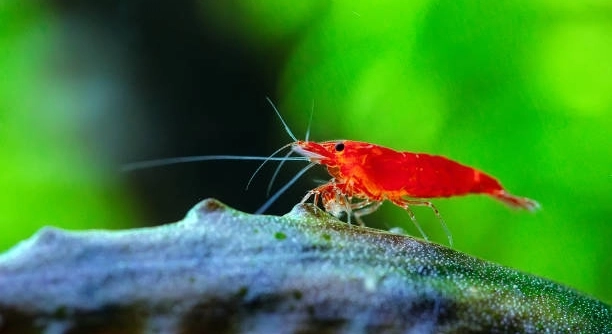
Caring for cherry shrimp feels peaceful, and feeding them becomes a simple part of your routine. Keeping their diet steady supports their comfort and helps your tank stay calm, healthy, and gentle for these small.
Cherry shrimp should be fed small portions once or twice daily, providing only what they can consume within hours. This schedule maintains stable water quality and ensures they receive balanced nutrition without creating excess waste that can disrupt their environment.
There is more to understand about their feeding habits, and learning these details can help you support a thriving, peaceful.
Understanding Cherry Shrimp Feeding Needs
Feeding cherry shrimp may seem simple, but a closer look shows that their needs are shaped by their size, activity, and tank conditions. I like keeping things uncomplicated, so I focus on what truly supports their daily rhythm. These tiny creatures graze throughout the day, picking at algae, biofilm, and leftover particles, which means their main meals should complement what they naturally find. Offering small portions helps prevent messes that can affect the tank balance. I try to give them food that softens slowly, allowing them to nibble without stress or rushing. A steady routine also encourages stable behavior, keeping them active and relaxed. When you stick to a consistent pattern, you reduce the risk of overfeeding and the issues it brings. It is helpful to watch how quickly they eat, since this tells you whether you need to adjust the amount. Simple habits like these make feeding easier daily.
Cherry shrimp rely on steady access to tiny food sources, so maintaining a clear feeding plan helps keep them healthy. Small servings support clean water and prevent stress, allowing them to move calmly through the tank while still getting the nutrients they need every day to thrive well each day.
Watching how your cherry shrimp behave after feeding can help you understand whether their routine needs adjustments. I like observing how quickly they gather around the food, since this shows their appetite and comfort. When they lose interest too fast, it may mean the portion is too large. When they scramble intensely, they might need a little more. Keeping track of these signals makes feeding feel smoother and more natural. Over time, you will notice patterns that guide you toward the right balance, creating a calm, stable environment where your shrimp can stay active and nourished without extra stress.
Choosing the Right Foods
Cherry shrimp benefit from foods that break down slowly, giving them plenty of time to graze. I prefer offering pellets, blanched vegetables, and occasional protein sources in small amounts. This combination supports growth, color, and stable behavior while keeping the tank clean and balanced each day for them to thrive.
Selecting foods for cherry shrimp becomes easier when you think about what they naturally consume throughout the day. They constantly graze on biofilm, algae, and soft organic matter, so your chosen foods should complement those sources instead of overwhelming them. I like using sinking pellets formulated for invertebrates because they soften gradually and allow the shrimp to eat at their own pace. Blanched vegetables such as zucchini or spinach add gentle variety, giving them something they can nibble without causing buildup in the tank. Occasional protein supplements, offered sparingly, help support molting and growth. The key is keeping portions controlled so the water stays clear and stable. Too much food can lead to decay that affects both water quality and shrimp behavior. Watching how long the food lasts helps you fine tune the amount. When the shrimp finish their portions within a reasonable window, it usually means the feeding level is appropriate. Over time, these simple practices create a clean, comfortable habitat that encourages healthy activity and steady coloration, making your care routine feel smooth and manageable.
Feeding Frequency Tips
Feeding cherry shrimp becomes easier when you keep their routine simple. Small amounts offered on a steady schedule help prevent waste from collecting in the tank. I like watching how quickly they gather around their food since it shows whether the portion size fits their daily needs well each day.
Offering balanced foods helps cherry shrimp stay active and healthy throughout the day. I usually choose soft pellets that sink slowly, giving them time to graze without stress. Blanched vegetables like zucchini or spinach provide gentle variety and are easy for them to nibble. Keeping portions modest prevents leftovers from clouding the water. I always remove uneaten food after several hours to avoid buildup. Watching their response helps me adjust future feedings so the tank stays stable. Over time, these habits make the feeding process smooth, predictable, and calm, allowing the shrimp to thrive comfortably in their environment each day.
Keeping an eye on shrimp activity after feeding helps you understand whether adjustments are needed. When they gather steadily and nibble for a while, the portion is usually right. If they lose interest too quickly, the serving may be too large. I like offering food in small spots so I can observe their behavior clearly. This also helps prevent food from spreading across the tank. Stable feeding habits support clean water and reduce stress. With regular attention, you will notice changes that guide you toward better feeding decisions, creating a comfortable habitat where your shrimp remain active, colorful, and relaxed.
Adjusting Portions Safely
Adjusting portions for cherry shrimp becomes easier when you pay attention to how long their food lasts. If it remains untouched for too long, the amount is likely too big. I prefer starting with tiny servings and increasing gradually when needed. This prevents waste and keeps the water stable. Careful observation helps you avoid overfeeding, which can cause stress and cloudiness. Simple adjustments made at the right time keep your shrimp healthier and more comfortable.
Fine tuning portions helps maintain a steady balance in the tank, and it also makes feeding feel more natural. I like watching how quickly the shrimp gather, since their behavior signals whether the serving is suitable. When they spread out and graze calmly, the amount is often correct. If they swarm aggressively or ignore the food, it usually means I need to adjust. Removing leftovers after a few hours prevents decay that can affect clarity and stability. Small changes, made consistently, protect water quality and reduce stress for the shrimp. Over time, you will recognize patterns that guide each feeding choice. These habits keep the environment clean, comfortable, and predictable, giving your shrimp the support they need to stay active, colorful, and healthy each day.
Signs of Overfeeding
Cherry shrimp often show clear signals when they are getting too much food. Uneaten pieces lingering in the tank for long periods are an early sign. I try to watch for cloudy water or sluggish behavior, since both can point to feeding amounts that need adjustment.
A sudden drop in activity after meals can also indicate excess food. When shrimp stop grazing and hide more often, it usually means the portions are too large. I like removing leftovers quickly to prevent buildup, which keeps the tank balanced and helps the shrimp stay healthy and active.
Signs of Underfeeding
Cherry shrimp may become restless when they are not getting enough food. They move around more rapidly and gather at feeding spots even before food arrives. I watch for dull coloration or slower growth, since both can point to nutritional gaps. Adjusting portions slightly helps restore their comfort and steady grazing behavior.
Safe Feeding Practices
Keeping feeding practices simple helps prevent problems. I offer small servings in consistent spots so the shrimp can find them easily. Watching their reactions helps me shape future feedings. Tiny adjustments made regularly support clear water, steady activity, and a comfortable habitat where the shrimp can maintain their natural rhythm.
FAQ
How much food should I give my cherry shrimp at once?
I usually give only what they can eat in a few hours. Small amounts prevent leftovers that can cloud the water or stress the shrimp. Watching how quickly they gather and finish helps me fine-tune the portion size, keeping the tank stable and the shrimp active.
How often should cherry shrimp be fed?
Feeding once or twice a day is enough for most tanks. I prefer two small feedings rather than one large one because it matches their natural grazing habits. Consistency keeps their behavior calm and prevents sudden changes in water quality, which helps them stay healthy over time.
Can cherry shrimp eat too much?
Yes, overfeeding can lead to water problems and sluggish shrimp. Uneaten food breaks down and causes cloudy water or algae blooms. I remove leftovers promptly and adjust portions if I notice slower activity or hiding behavior. Small, frequent feedings are safer than large, occasional ones.
What foods are best for cherry shrimp?
I stick to sinking pellets, blanched vegetables like zucchini or spinach, and occasional protein supplements. These options soften slowly, allowing shrimp to nibble safely. Mixing foods gives them variety while supporting color, growth, and general health without overwhelming the tank with excess waste.
Can cherry shrimp survive on algae alone?
Algae provides nutrients, but it’s not enough for consistent growth or vibrant coloration. I use it as a supplement, not the main source. Adding pellets and vegetables ensures they get balanced nutrition while still enjoying the natural grazing behavior they display daily.
How do I know if my shrimp are hungry?
Shrimp that gather quickly around food or move more actively are usually signaling hunger. Dull colors or slower movement can indicate underfeeding. I adjust portions based on these signs, which helps maintain a calm, steady environment where shrimp feed at a comfortable pace.
Is it okay to skip a day of feeding?
Occasionally skipping one feeding is generally fine, especially if the tank has biofilm or algae. I don’t make it a habit, though, because consistent access to small amounts of food keeps shrimp healthy, encourages steady growth, and supports predictable daily behavior patterns.
Should I feed shrimp in a planted tank differently?
I try to spread small amounts around plants to prevent accumulation in one spot. Plants help absorb leftover nutrients, but excess food can still decay. Observing how shrimp interact with their environment helps me distribute portions effectively, keeping water clear and the shrimp comfortable.
Can shrimp eat the same food every day?
Feeding the same food all the time is possible, but variety improves color, growth, and overall health. I rotate between pellets, vegetables, and occasional protein treats. This approach mimics natural grazing behavior and prevents deficiencies without creating excess waste or tank issues.
How long should shrimp have access to food?
I give food for a few hours and remove leftovers afterward. This ensures they have enough time to graze without allowing excess to pollute the water. Observing their eating pace helps me maintain a clean, balanced tank and prevents overfeeding while supporting healthy shrimp activity.
Can baby shrimp eat the same food as adults?
Baby shrimp need smaller, softer particles they can manage easily. I crush pellets or use powdered foods so they can access nutrients without competition. Adjusting portion size for juveniles ensures they grow steadily and don’t get crowded out by adults during feeding.
What if some shrimp don’t eat?
Not all shrimp eat at the same time. I observe and make sure food is small and accessible so slower or shy shrimp can join. Patience is key, as some shrimp prefer to graze later. Monitoring helps me balance feeding for all tank inhabitants.
How do I prevent overfeeding in a community tank?
I offer tiny amounts spread across different spots so all shrimp can find food without leftovers accumulating. I watch how other tank mates interact with the food, removing any excess quickly. This keeps the water clear and reduces stress for everyone in the tank.
Can frozen or dry foods replace live foods?
Yes, frozen and dry foods work well, especially pellets or blanched vegetables. Live foods are optional, but the alternatives provide enough nutrients. I rotate these options to maintain variety, support health, and prevent issues with water quality or overfeeding.
What signs show shrimp are getting enough nutrition?
Active grazing, vibrant color, steady growth, and regular molting indicate sufficient nutrition. I monitor these factors and adjust feeding slightly if colors fade or activity drops. Maintaining a small, consistent feeding routine keeps shrimp healthy without overloading the tank.
How do I adjust feeding during breeding?
Breeding shrimp may need slightly more protein and frequent grazing opportunities. I provide small, nutrient-rich portions while watching water quality carefully. Overfeeding during this period can cause problems, so I balance additional nutrition with tank stability to support healthy growth of both adults and offspring.
Can shrimp be fed while away for a day or two?
Yes, cherry shrimp can handle a short break if the tank has algae or biofilm. I avoid relying on automated feeders for long periods because fresh, small feedings are best. Observing shrimp behavior afterward helps me return to a balanced routine quickly.
Do seasonal changes affect feeding?
Temperature changes can affect shrimp metabolism. I watch their activity levels closely and slightly adjust feeding amounts if they seem less active in cooler water or more active in warmer conditions. Consistent observation keeps their diet aligned with their energy needs and tank conditions.
How can I tell if my tank is overfed?
Cloudy water, algae growth, and uneaten food settling at the bottom are key signs. I remove excess food promptly and reduce portions if these occur. Monitoring these indicators ensures the tank stays stable, healthy, and comfortable for all shrimp.
What is the best way to feed multiple shrimp species together?
I spread small portions across the tank to ensure each species can access food. Observing interactions helps me adjust distribution and portion size. Keeping feedings moderate and consistent prevents competition, supports water quality, and allows all species to thrive safely in the same environment.
Final Thoughts
Caring for cherry shrimp is simpler than it might first seem, but paying attention to their feeding routine makes a big difference. Keeping portions small and consistent helps maintain a clean, balanced tank while supporting healthy growth and steady activity. I have found that observing how quickly they eat and how they behave afterward gives a clear indication of whether the feeding amount is right. Over time, you learn to notice subtle changes in behavior, color, and movement, which signal when adjustments are needed. It feels less like a chore and more like a natural part of keeping a peaceful, functioning tank. Small habits, like removing uneaten food and offering a variety of suitable foods, keep both the shrimp and the water environment healthy. Simple observation and patience can prevent problems before they start, creating a comfortable habitat where the shrimp can thrive.
Choosing the right types of food also matters. Cherry shrimp benefit from a mix of soft pellets, blanched vegetables, and occasional protein supplements. Each type offers different nutrients that support growth, coloration, and molting, and small portions help prevent excess waste. I often spread the food across different areas of the tank so all shrimp can reach it, reducing competition and stress. Even in a planted tank, careful distribution helps prevent leftover food from settling and decomposing, which could harm water quality. While algae and biofilm provide natural grazing opportunities, relying on them alone is not enough to ensure proper nutrition. Combining natural grazing with measured feedings creates a balanced approach that meets all their dietary needs. Watching the shrimp gradually shows how this balance affects their health, activity, and appearance, making adjustments easier as they grow.
Feeding frequency and portion size are closely linked to the overall environment. Offering food once or twice a day, rather than large amounts all at once, keeps water stable and shrimp behavior calm. I find that breaking the daily amount into smaller servings aligns with their natural grazing habits and helps maintain a steady rhythm. It is also important to adjust slightly for younger shrimp or breeding adults, as their nutritional needs differ. Regular observation allows me to notice any signs of overfeeding, such as uneaten food or cloudy water, as well as underfeeding, like sluggish behavior or slow growth. These small, careful steps build confidence in managing the tank and help create a predictable, healthy environment. Over time, feeding becomes intuitive, and the shrimp remain active, colorful, and comfortable, showing that consistent, thoughtful care makes a lasting difference.

Hello,
If you enjoy the content that we create, please consider saying a "Thank You!" by leaving a tip.
Every little bit helps us continue crafting quality advice that supports the health, happiness, and well-being of pets around the world, for pets of all shapes, sizes, and species.
We really appreciate the kindness and support that you show us!