
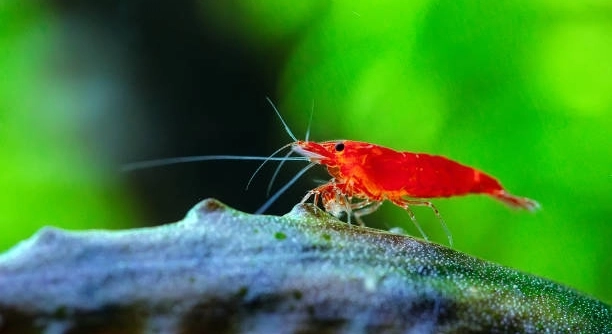
Cherry shrimp are small, colorful creatures that add life to any freshwater tank. Their tiny movements and behaviors can sometimes seem odd, leaving new owners both fascinated and puzzled by their daily routines.
Cherry shrimp display a variety of unusual behaviors that are completely normal. From hiding in moss to constantly grazing on surfaces, these habits are instinctive and vital for their survival, communication, and maintaining a healthy aquarium ecosystem.
Observing these tiny shrimp in action reveals more than just odd movements. Their behaviors provide insight into their health and natural instincts.
Constant Grazing on Surfaces
Cherry shrimp spend a large portion of their day grazing on surfaces in the tank. They scrape algae, biofilm, and leftover food with their tiny mouths. Watching them move along leaves, rocks, and the glass can be oddly satisfying. This behavior is essential for their nutrition and keeps the tank cleaner. Grazing also helps them maintain healthy shells and provides a steady source of food between feedings. It is common to see several shrimp grouped in one area, quietly feeding together, though they do not compete aggressively. This behavior is instinctive and supports their growth. They often return to the same spots, suggesting familiarity with safe feeding areas. Even in well-fed tanks, they continue grazing because it is natural for them to explore surfaces for food. Observing this habit over time can help owners detect changes in appetite or health, as a decrease in grazing may indicate stress or illness.
Grazing is a normal and necessary activity for cherry shrimp, promoting nutrition, shell health, and tank cleanliness, reflecting natural feeding instincts.
Watching them graze can be oddly calming. These little movements reveal both personality and health, making tank observation rewarding.
Hiding in Plants and Decorations
Shrimp frequently hide among plants, moss, and decorations to feel secure. Their small size makes them vulnerable, so retreating is instinctive.
Shrimp use hiding spots to avoid stress and predators. Even in safe, small aquariums, they hide when molting or feeling exposed. Plants and dense decorations provide cover, and some shrimp prefer certain areas over others, returning often. Hiding is not a sign of illness but a natural behavior linked to safety and comfort. Owners may notice shrimp retreating during feeding or bright lighting, which is typical. Hiding also allows them to rest without interference from other tank mates. Shrimp molt periodically, and hiding during this time is crucial since their soft shells make them vulnerable. A tank with ample hiding spaces ensures shrimp feel secure, reduces stress, and encourages natural behavior. Observing which spots they prefer can help optimize plant and decoration placement. Recognizing this habit prevents unnecessary worry, letting owners understand their shrimp’s needs better and fostering a healthier environment for these delicate creatures.
Molting Frequently
Molting is a natural process for cherry shrimp as they grow. They shed their exoskeleton to allow for a larger one to form. Frequent molting is normal, especially for young shrimp, and may make them temporarily more reclusive or skittish.
During molting, shrimp are vulnerable because their new shell is soft. They often hide in plants, moss, or decorations to stay safe until the new exoskeleton hardens. This process can last a few hours to a day, depending on water conditions and temperature. Molting may occur more often in tanks with ideal nutrition and water quality. Observing shrimp during this stage is important because a failed molt can be fatal. Shrimp may consume their shed exoskeleton to recycle calcium and other minerals, which helps strengthen the new shell. Providing a stress-free environment with stable water parameters ensures molting happens smoothly. Sudden changes in water quality or lack of hiding spaces can disrupt this process and stress the shrimp.
Molting also indicates proper growth and health. Healthy shrimp molt regularly, and each cycle reflects their well-being and adaptation to their environment.
Swimming Upside Down Occasionally
Shrimp sometimes swim upside down, which can look alarming but is usually harmless. This behavior often occurs when they explore surfaces or feed in tight spaces.
Swimming upside down allows shrimp to access algae and biofilm in hard-to-reach areas. They may also flip briefly to navigate plants or decorations efficiently. This habit is more noticeable in younger or more active shrimp, and it does not indicate illness. Observing this behavior shows adaptability and problem-solving as shrimp maneuver around their environment. Occasionally, this swimming style helps them clean surfaces that are otherwise inaccessible, improving both their diet and tank hygiene. Owners may see shrimp twisting or flipping while grazing, which is normal. Ensuring gentle water flow and ample surfaces to explore supports this behavior and keeps shrimp active. While it might look odd at first, upside-down swimming is simply a way for shrimp to maximize their feeding and environmental exploration without risk.
This upside-down movement highlights their natural curiosity and ability to interact with the tank environment effectively.
Climbing Glass and Decorations
Cherry shrimp often climb tank walls, decorations, and plants. This is normal behavior for exploring their environment, searching for food, or escaping strong water currents. It can look unusual but is part of their natural activity and curiosity.
Climbing also helps shrimp reach biofilm and algae that settle on vertical surfaces. They use their small legs to grip surfaces and move steadily. Observing them climb can indicate that the tank environment is engaging and supports their instinctive behaviors.
Shaking or Trembling
Shaking or trembling is a common shrimp behavior. They do this while feeding, cleaning themselves, or adjusting to water currents.
This movement is a normal physical response and does not necessarily indicate illness. Shrimp constantly interact with their environment, and trembling helps them manage balance and scrape off particles. It may also occur during mild stress or when molting begins. Observing patterns can help owners differentiate between normal shaking and signs of real distress. Proper water parameters, hiding spots, and food availability reduce excessive trembling. This habit reflects their active engagement with the tank rather than a health problem.
Hiding After Molting
After molting, shrimp often hide for several hours to protect their soft new shell. This is normal and essential for survival.
Using Their Antennae to Explore
Cherry shrimp constantly wave and tap their antennae on surfaces. They use them to sense food, detect tank mates, and navigate around obstacles.
Why do my cherry shrimp keep hiding?
Cherry shrimp hide for many reasons, and most of them are completely normal. They often retreat into plants, moss, or decorations when they feel exposed or need a break from bright lighting. Hiding is especially common after molting because their new exoskeleton is soft and vulnerable. Even in a calm, small aquarium, hiding provides a sense of security. Shrimp may also hide if there are larger or more active tank mates, as it reduces stress and competition. Providing plenty of hiding spots ensures they feel safe and encourages natural behavior. Observing where they hide most can help you understand their preferences and optimize your tank layout for their comfort.
Why do cherry shrimp molt so often?
Molting is a normal part of growth for cherry shrimp, especially for younger ones. They shed their exoskeleton to allow for a new, larger one to form. Frequent molting is a positive sign that they are growing and healthy. Stress, poor water quality, or lack of nutrition can disrupt molting, but regular molts typically indicate that tank conditions are ideal. Shrimp often hide during this time to avoid predators or disturbance. They also consume their shed exoskeleton to recycle essential minerals like calcium, which strengthens the new shell. Observing a consistent molting pattern helps ensure your shrimp are thriving and developing correctly.
Is it normal for cherry shrimp to swim upside down?
Yes, swimming upside down is often harmless. Shrimp flip or twist to reach algae and biofilm in hard-to-access areas. This behavior is more noticeable in active or younger shrimp, who are constantly exploring and maximizing feeding opportunities. It is not a sign of illness. They may also do this to navigate around plants or decorations efficiently. Watching them flip occasionally shows their adaptability and problem-solving ability. Maintaining a tank with gentle water flow and plenty of surfaces encourages this natural behavior. Occasional upside-down swimming highlights their curiosity and instinctive drive to interact with the environment.
Why are my shrimp shaking or trembling?
Shaking or trembling is a normal shrimp behavior used for feeding, cleaning, or maintaining balance in currents. Shrimp constantly interact with surfaces, and trembling helps them scrape off particles or biofilm. Mild trembling can also happen during stress, molting, or adjusting to water changes. As long as the shrimp appear active and are eating normally, this behavior is not concerning. Providing stable water parameters, adequate hiding spaces, and proper food reduces excessive trembling. Monitoring patterns can help you distinguish normal physical activity from distress, ensuring your shrimp remain healthy and stress-free.
Why do cherry shrimp climb tank walls and decorations?
Climbing is a normal exploratory behavior. Shrimp often scale glass, plants, and decorations to find food, navigate their environment, or escape strong water currents. It allows them to reach biofilm, algae, and other food sources in vertical areas. Climbing also keeps them active and engages their natural instincts. Observing shrimp climb indicates that the tank environment is stimulating and supports their behavior. Providing a mix of horizontal and vertical surfaces encourages natural movement and reduces boredom. This activity is completely safe and is a sign that your shrimp are comfortable and interacting with their surroundings.
Why do cherry shrimp wave their antennae constantly?
Antennae are critical sensory tools. Shrimp wave and tap them on surfaces to detect food, locate other shrimp, and navigate obstacles. This behavior is instinctive and occurs continuously. The antennae pick up vibrations, chemicals, and physical contact, helping shrimp understand their surroundings. Active antennal movement shows that shrimp are engaged and healthy. Antennae also play a role in communication and environmental awareness. Providing clean water and gentle currents ensures this behavior is not impaired. Watching them use their antennae is a fascinating glimpse into how they interact with their environment.
Can I prevent cherry shrimp from hiding too much?
While you cannot stop hiding completely, you can encourage more visible activity. Providing a balanced mix of open areas and dense hiding spots gives them comfort while allowing exploration. Feeding in predictable spots and maintaining stable water conditions reduces stress. Overcrowding or aggressive tank mates may increase hiding, so managing population and compatibility is important. Respecting their natural instincts ensures shrimp feel safe but still move and interact with their environment. This approach encourages natural behavior without forcing them out of hiding prematurely.
Do cherry shrimp ever stop grazing?
Grazing is a constant and essential activity for shrimp. They feed on algae, biofilm, and leftover food throughout the day. If grazing stops completely, it could indicate stress, illness, or poor water conditions. Normal grazing patterns may vary, but active shrimp will consistently scrape surfaces to eat. Providing plenty of surfaces, stable water, and supplemental foods like algae wafers supports this behavior. Observing grazing helps monitor shrimp health and ensures their diet is balanced. Regular grazing also contributes to cleaner surfaces in the tank, benefiting overall tank maintenance.
Why do some shrimp prefer certain areas of the tank?
Shrimp develop preferences for specific spots based on safety, food availability, and comfort. Some areas provide better cover, easier access to food, or ideal lighting conditions. Observing these preferences helps optimize plant and decoration placement. Shrimp may repeatedly visit favored zones, which is normal and indicates that they feel secure. These habits reflect instinctive behavior rather than random movement. Adjusting the tank environment to accommodate their choices encourages natural activity and reduces stress. Preferred areas also provide insight into tank conditions that shrimp find most comfortable.
How can I tell if a shrimp’s weird habit is normal?
Normal shrimp habits include grazing, hiding, climbing, molting, shaking, and waving antennae. If shrimp are active, eating, and interacting with their environment, these behaviors are healthy. Sudden changes, lethargy, or refusal to eat may indicate stress or illness. Observing patterns over time helps differentiate normal quirks from potential problems. Consistency in water parameters, diet, and tank layout supports healthy behaviors. Understanding their instincts makes it easier to interpret unusual movements and ensures shrimp remain thriving in a safe and comfortable environment.
Cherry shrimp are fascinating little creatures with behaviors that can seem unusual at first. From grazing on surfaces to climbing decorations, every movement has a purpose. Observing them over time helps owners understand that what looks strange is often normal. Their habits, such as hiding after molting or shaking gently while cleaning, reflect natural instincts and survival strategies. Each shrimp interacts with its environment in its own way, and these behaviors show that they are active, healthy, and comfortable in the tank. Understanding their routines makes caring for them much easier and helps create an environment where they can thrive.
Many of the habits that appear weird to new owners, like swimming upside down or constantly waving antennae, are simply ways for shrimp to explore and interact with their surroundings. Grazing helps them find nutrition and keep the tank clean, while climbing and exploring allow them to reach areas that may otherwise go untouched. Hiding is not a sign of fear or illness but a natural response to feeling exposed, especially during vulnerable moments like molting. These behaviors are instinctive and occur even in well-maintained tanks with proper food and water quality. Recognizing the purpose behind each action can reduce unnecessary worry and help maintain a healthy, balanced aquarium.
Caring for cherry shrimp becomes more rewarding when their behaviors are understood. Observing them teaches patience and attention to detail while providing insight into their health and preferences. Providing hiding spaces, clean water, stable temperature, and adequate food supports their natural habits. Shrimp that are allowed to behave normally tend to be more active, show vibrant coloration, and thrive over the long term. Accepting that some of their habits may seem unusual, but are completely normal, allows owners to enjoy their tiny personalities and interactions. Paying attention to these details creates a healthier environment and fosters a deeper appreciation for the unique ways cherry shrimp live and adapt in an aquarium.

Hello,
If you enjoy the content that we create, please consider saying a "Thank You!" by leaving a tip.
Every little bit helps us continue crafting quality advice that supports the health, happiness, and well-being of pets around the world, for pets of all shapes, sizes, and species.
We really appreciate the kindness and support that you show us!