
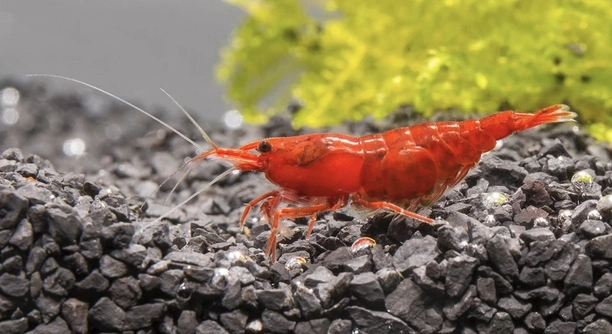
Cherry shrimp are fascinating little creatures, especially after they molt. Their behavior can seem unusual or even strange at times. Observing these small freshwater shrimp reveals actions that are both protective and instinctive, reflecting their delicate life cycle and needs.
After molting, cherry shrimp often hide, eat their exoskeleton, stay very still, change colors, groom themselves, explore cautiously, and occasionally exhibit rapid swimming bursts. These behaviors are normal post-molt responses that support growth, recovery, and survival in their aquatic environment.
Recognizing these behaviors helps ensure your shrimp remain healthy while adapting smoothly to their new exoskeleton. Paying attention to their actions can reveal more about their natural instincts.
Hiding in Safe Spots
After molting, cherry shrimp often retreat to corners, plants, or under decorations. This behavior is instinctive. The new exoskeleton is soft and fragile, making them vulnerable to other shrimp or fish. Observing them, I noticed they often remain completely still for several hours. Hiding helps them avoid stress and injury. Even minor disturbances can make them dart back into cover, so providing dense foliage or shelters is essential. Many shrimp prefer tall plants or moss, which allow them to feel secure while staying partially visible. These hiding spots also give them time to harden their exoskeletons properly. I find adding small caves or shells to the tank helps reduce their stress. The behavior is not laziness; it’s protective. Over time, their confidence grows, and they gradually explore again. Maintaining clean water and stable conditions makes this recovery period smoother and keeps shrimp healthy. Proper hiding spaces are a key part of tank setup.
Hiding is normal and indicates the shrimp are adjusting to their new exoskeleton safely.
Providing secure areas helps reduce stress and allows molted shrimp to recover without interference from other tank inhabitants. This careful observation supports their overall well-being.
Eating Their Old Exoskeleton
Cherry shrimp frequently consume their shed exoskeleton after molting. This behavior provides essential nutrients such as calcium and protein needed to strengthen their new shell. Observing this, I realized it’s not unusual for shrimp to return repeatedly to the discarded exoskeleton. This ensures they regain lost minerals quickly. In a well-maintained tank, this is completely natural. Skipping this step could slow growth and leave them vulnerable. They tend to nibble quietly, sometimes hiding while doing so. Watching them, it becomes clear this act is instinctive rather than optional. Providing additional sources of minerals in the diet complements this natural process. Calcium-rich foods, algae wafers, and supplements help support shell development and overall health. Avoid overfeeding during this period, as shrimp are focused on recovery. Their behavior emphasizes the importance of observation and patience. Recognizing these small acts can make shrimp care more intuitive and effective.
Consuming the exoskeleton is vital for nutrient recovery after molting.
This behavior replenishes minerals lost during molting, ensuring the shrimp can grow safely and maintain a strong, healthy shell.
Staying Still
Molted cherry shrimp often remain completely motionless for long periods. This stillness allows their soft exoskeleton to harden safely. Moving too much can damage the new shell. I noticed they often cling to plants or decorations, minimizing exposure while recovering.
During this still period, shrimp focus on hardening their new exoskeleton. They might sit on moss, cling to leaves, or hide under small tank objects. Movement is minimal because the soft shell is highly vulnerable to injury or stress. Observing them, I realized that any disturbance can trigger rapid retreats. Maintaining a quiet environment during this time is essential. Even slight water turbulence can cause unnecessary stress, delaying recovery. Proper nutrition also supports shell hardening, so regular feeding with calcium-rich foods helps them regain strength. This phase is critical for overall health and survival in a community tank.
Some shrimp may remain still for several hours, gradually increasing movement as the shell strengthens. During this time, they may avoid feeding or interacting with tank mates. Patience is key, and their behavior reflects instinctive care for their delicate new shell. Observing them closely allows me to provide the right environment for recovery, ensuring minimal risk of damage or stress. Over time, they resume normal activity safely, showing signs of a fully hardened exoskeleton. Watching this process is both fascinating and informative for managing shrimp care effectively.
Rapid Swimming Bursts
Cherry shrimp sometimes display sudden, rapid swimming immediately after molting. These bursts are usually brief and appear as spontaneous movements across the tank. They help release tension and adjust balance after shedding.
These quick movements are instinctive. After molting, the shrimp’s nervous system and muscles recalibrate to the new shell. Rapid bursts allow them to navigate safely and test mobility without overexerting themselves. I noticed these actions often occur near hiding spots or when other shrimp pass by. They may dart for cover briefly and then return to calmer behavior. While it looks erratic, it is a controlled process. Ensuring a safe tank without sharp edges prevents injuries during these sudden swims. Observing these bursts reminds me how delicate and reactive shrimp are post-molt, emphasizing the importance of a stress-free environment.
Monitoring these bursts is important to ensure they don’t lead to injuries. Providing open spaces and smooth surfaces reduces the risk of catching fins or scraping the soft shell. These movements also signal that the shrimp are regaining confidence, gradually resuming normal exploration. I have found that over time, the bursts become less frequent, replaced by cautious but steady swimming. Maintaining consistent water parameters during this period further supports recovery, ensuring they remain healthy and active after molting.
Color Changes
After molting, cherry shrimp often show temporary color changes. Their body may appear paler or slightly translucent. This is normal, as the new exoskeleton has not fully hardened or developed pigmentation.
Color gradually returns as the shell strengthens. I noticed that brighter colors often reappear within a day or two. Observing them during this period shows the gradual recovery and growth process.
Grooming Themselves
Cherry shrimp spend time cleaning their new exoskeleton post-molt. They use their legs and antennae to remove debris and smooth the shell. This grooming helps prevent infections and supports proper shell development. Regular observation shows that this behavior is repeated several times over the first hours after molting.
Cautious Exploration
Molted shrimp explore their tank slowly at first. Movement is careful and measured. They test surfaces and navigate cautiously to avoid injury while the new shell hardens.
Why do cherry shrimp eat their old exoskeleton?
Cherry shrimp consume their shed exoskeleton to reclaim essential nutrients, particularly calcium and protein. After molting, they are vulnerable and need these nutrients to strengthen their new shell quickly. Observing my shrimp, I noticed they always return to the discarded exoskeleton, sometimes nibbling multiple times over several hours. This behavior is completely normal and necessary for healthy growth. Providing additional calcium sources in the tank, like cuttlebone or mineral supplements, complements this natural process and ensures their exoskeleton develops properly without delays or weaknesses.
Is it normal for cherry shrimp to hide after molting?
Yes, hiding is a natural instinct after molting. The new exoskeleton is soft and fragile, making them vulnerable to other shrimp or sudden movements in the tank. I often see my shrimp retreat into plants, moss, or small decorations immediately after shedding. Hiding reduces stress and gives them time to harden their shell safely. Dense foliage, moss pads, or small caves are helpful additions for this reason. The shrimp gradually regain confidence and venture out again once their exoskeleton is strong enough to handle movement and interactions.
Why do cherry shrimp sometimes swim rapidly after molting?
Rapid swimming bursts after molting are instinctive adjustments. The shrimp test their mobility and balance while the new exoskeleton is still soft. I noticed these sudden movements often happen near hiding spots or when other shrimp are nearby. While it may look erratic, it is a controlled and safe process. Open spaces without sharp decorations reduce the risk of injury. These bursts also indicate the shrimp is regaining confidence and adjusting to its hardened shell, eventually transitioning to normal, calm swimming behavior.
Why do cherry shrimp change color after molting?
Color changes are typical after molting. Newly shed shrimp may appear paler or slightly translucent because the exoskeleton has not fully hardened or developed pigmentation. In my experience, colors return gradually over hours or a couple of days, depending on water conditions and nutrition. Providing a balanced diet with sufficient minerals helps restore their natural hues faster and supports overall health. Temporary color shifts are not a cause for concern but an expected part of the recovery process after shedding.
How long should I expect my shrimp to remain still after molting?
Shrimp often stay still for several hours after molting to allow their new exoskeleton to harden. I’ve observed some remain motionless for a full day, especially younger or newly introduced shrimp. Disturbing them during this period can stress them and slow recovery. Quiet conditions and stable water parameters help them regain mobility safely. Gradually, their movement increases as the shell strengthens, and they begin exploring cautiously. This stillness is essential for survival and proper growth.
Do cherry shrimp groom themselves after molting?
Yes, grooming is a common post-molt behavior. Shrimp use their legs and antennae to clean their new shell and remove debris. I often see my shrimp repeating this several times during the first hours after shedding. Grooming supports shell health, reduces the risk of infections, and ensures proper development. Observing this behavior confirms that the shrimp is actively maintaining its exoskeleton and adjusting to its new body structure.
Can other shrimp harm a molted cherry shrimp?
Other shrimp can accidentally nibble or stress a newly molted shrimp, especially in crowded tanks. I noticed that molted shrimp are more likely to hide or retreat to avoid interactions. Providing ample hiding spaces and maintaining a balanced population reduces accidental harm. Observing tank dynamics ensures peaceful recovery and protects the delicate exoskeleton during this vulnerable period.
What diet supports shrimp after molting?
A diet rich in calcium and protein supports shell hardening. In my experience, supplementing with algae wafers, mineral-rich foods, and occasional protein boosts accelerates recovery. Avoid overfeeding, as shrimp prioritize shell hardening over eating immediately after molting. Regular feeding after the initial recovery period maintains overall health and coloration.
How often do cherry shrimp molt?
Molting frequency depends on age, growth, and environmental conditions. Younger shrimp molt more frequently, sometimes weekly, while adults molt less often. Observing your tank helps identify patterns and ensures appropriate care during these periods. Proper water quality, diet, and hiding spaces are essential for safe molting.
Is it normal for shrimp to molt multiple times in a short period?
Yes, multiple molts can occur if shrimp are young or growing rapidly. I’ve seen juveniles molt several times within two weeks. Each molt is crucial for growth, and providing a stable, nutrient-rich environment helps ensure each new exoskeleton develops properly.
Molting is one of the most critical and delicate times in a cherry shrimp’s life. During this period, their new exoskeleton is soft, making them highly vulnerable to stress, injury, and even disease. Observing their behavior closely helps understand the steps they take to recover safely. Hiding in secure spaces, staying still, and occasionally performing rapid swimming bursts are all instinctive actions that support survival. These behaviors are not random or unusual; they are carefully timed responses to the physical changes occurring in the shrimp’s body. As someone who has kept cherry shrimp for some time, I have learned that providing a calm environment with plenty of hiding spots and stable water conditions makes this recovery period much smoother. Even small details, like ensuring the tank has moss or small caves, can make a noticeable difference in their well-being.
Nutrition also plays a key role during and after molting. Eating the shed exoskeleton provides essential calcium and protein to strengthen the new shell, while additional dietary sources can further support recovery. Observing the shrimp nibble on their exoskeleton repeatedly is a natural process that indicates they are replenishing vital nutrients. Feeding balanced foods, such as algae wafers and mineral-rich options, complements this behavior and helps maintain healthy growth. It is important to avoid overfeeding during this period because the shrimp’s focus is on hardening their new exoskeleton rather than consuming large amounts of food. Over time, their activity gradually increases, color returns to normal, and grooming behaviors help finalize shell maintenance. These small, repeated actions are part of a structured process that ensures the shrimp emerges from molting healthy and ready to explore their environment again.
Patience and careful observation are essential for anyone caring for cherry shrimp. Understanding their post-molt behaviors allows you to provide the conditions necessary for safe recovery. Hiding, stillness, rapid bursts of movement, grooming, cautious exploration, and temporary color changes are all natural and beneficial. Each shrimp may behave slightly differently, and observing their unique patterns can give insight into their health and comfort. Maintaining stable water parameters, offering sufficient hiding spaces, and providing a nutrient-rich diet all work together to support a smooth molting process. Paying attention to these details ensures the shrimp grow properly, maintain strong exoskeletons, and remain active and healthy in the long term. Watching these small creatures navigate their recovery is both fascinating and educational, highlighting the delicate balance required to care for them effectively while respecting their natural instincts.

Hello,
If you enjoy the content that we create, please consider saying a "Thank You!" by leaving a tip.
Every little bit helps us continue crafting quality advice that supports the health, happiness, and well-being of pets around the world, for pets of all shapes, sizes, and species.
We really appreciate the kindness and support that you show us!