
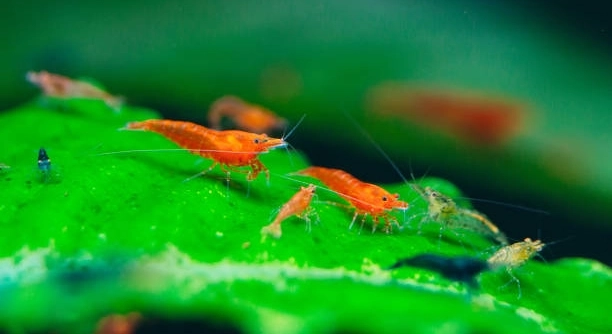
Cherry shrimp are delicate freshwater creatures often kept in home aquariums. Their vibrant colors and peaceful nature make them popular among hobbyists. Observing their behavior closely can reveal subtle changes in their environment and routine.
Research indicates that cherry shrimp can detect changes in barometric pressure and water conditions that often precede storms. These physiological responses trigger subtle behavioral adjustments, such as seeking shelter or reducing activity, which can serve as early indicators of approaching weather disturbances.
Understanding these behaviors helps aquarists maintain a safe environment for their shrimp. Paying attention to their subtle signals can prevent stress and ensure their wellbeing.
How Cherry Shrimp React to Storms
Cherry shrimp have remarkable sensitivity to environmental changes. Before a storm, drops in atmospheric pressure and subtle shifts in water chemistry trigger responses in their behavior. Many shrimp become less active, hiding among plants or decorations in the tank. Some may cling to surfaces or move closer to the substrate. These changes are not random but instinctive adaptations to protect themselves. Observing your shrimp daily allows you to notice these subtle differences. Their antennae and sensory hairs detect changes that humans cannot perceive. Even slight changes in water movement or air pressure can influence their swimming patterns. This behavior ensures they conserve energy and avoid stress during potentially harmful conditions. Tank setup, including hiding spaces and stable water conditions, plays a role in how effectively they respond. By paying attention, you can anticipate these behavioral shifts and maintain a safer, more comfortable environment for your shrimp population during storms.
These behaviors are consistent across most healthy cherry shrimp, making them reliable indicators.
Careful observation also allows hobbyists to distinguish normal activity from stress. Subtle differences in movement or clustering can provide early warning signs, giving time to stabilize the environment. Over time, understanding these patterns helps create a more balanced habitat and reduces sudden health issues. It also allows for adjustments in feeding schedules and tank maintenance, ensuring shrimp are safe and comfortable throughout weather changes. Consistent monitoring helps predict behavior trends before disturbances occur, giving a sense of control over tank conditions. This attentiveness strengthens your ability to maintain a thriving shrimp population while preventing unnecessary stress or injury.
Preparing Your Tank for Weather Changes
Maintaining a stable tank environment reduces stress during storms.
Ensure tanks have sufficient hiding spots and stable water parameters to minimize behavioral stress. Temperature, pH, and filtration stability are key factors. During approaching storms, small adjustments, such as topping off water or checking heater settings, help maintain consistency. Avoid sudden changes or disturbances, as these can amplify stress responses. Providing gentle water flow and adequate food ensures shrimp remain healthy and less reactive to environmental shifts. Observing their routine before storms helps you predict needs and prevent panic behaviors. Simple measures make a significant difference in overall well-being, supporting both natural behaviors and long-term health. Keeping a calm environment, monitoring water conditions, and understanding shrimp behavior collectively contribute to resilience against weather fluctuations. Consistent care minimizes the impact of external environmental stressors, allowing shrimp to behave naturally even during abrupt atmospheric changes.
Would you like me to continue with the next section following the same format?
Signs to Watch in Cherry Shrimp
Shrimp often reduce movement and stay hidden when sensing a storm. Antennae twitch more frequently, and they may cling to tank surfaces or plants. These changes are subtle but noticeable if you observe daily.
Tracking shrimp behavior over time reveals patterns tied to environmental changes. Before storms, they may slow their swimming, spend more time in corners or under decorations, and show reduced feeding activity. Even slight clustering in specific areas of the tank can indicate anticipation of disturbances. Noticing these shifts allows you to respond by ensuring stable water parameters, checking filtration, and providing secure hiding spots to minimize stress.
Feeding patterns also change slightly. Shrimp may nibble less or avoid food temporarily. Observing these small differences helps distinguish between normal behavior and stress responses. Adjusting care routines, such as reducing sudden handling or water changes, supports their well-being. Attention to detail in these moments fosters a calm and safe environment.
Environmental Factors Affecting Sensitivity
Water temperature and pH influence shrimp reaction to storms. Stable conditions help reduce overreaction to minor changes.
Fluctuations in water chemistry, such as shifts in pH, hardness, or dissolved oxygen, can amplify stress responses in shrimp. They become more sensitive to external pressure changes when tank conditions are unstable. Similarly, rapid temperature swings make them less capable of coping with approaching storms, increasing hiding behavior and reducing feeding activity. Ensuring consistent water parameters allows shrimp to respond naturally rather than react excessively. Regular monitoring and gradual adjustments are essential. Tank plants and decorations provide refuge, helping shrimp manage stress while environmental changes occur.
Behavioral observations are also influenced by lighting and tank layout. Bright or inconsistent lighting may heighten their sensitivity, making storm-related changes more pronounced. By maintaining a predictable environment, shrimp can express instinctive behaviors without unnecessary stress. Paying attention to these factors, combined with careful monitoring of water conditions, supports long-term health and stability. Proper planning ensures shrimp maintain natural responses while avoiding extreme anxiety caused by sudden environmental fluctuations.
Preparing for Sudden Storms
Keeping extra hiding spots in the tank helps shrimp feel secure during sudden storms. Decorations, plants, and small caves allow them to reduce movement and remain calm, minimizing stress.
Maintaining consistent water temperature and stable filtration is essential. Sudden drops or fluctuations can worsen stress responses. Even minor adjustments in heating or aeration help shrimp cope with environmental changes.
Monitoring Water Conditions
Regularly checking pH, hardness, and temperature ensures optimal conditions. Consistent monitoring allows quick action before storms worsen water quality. Maintaining stable parameters prevents unnecessary stress and supports natural shrimp behavior.
Adjusting Feeding During Storms
Shrimp may eat less before or during storms. Offering smaller portions and observing intake helps maintain health without overfeeding.
FAQ
Can cherry shrimp really sense a storm before it hits?
Yes, cherry shrimp can detect subtle changes in water pressure and chemistry that occur before a storm. These changes trigger instinctive behavioral responses, such as hiding, reduced activity, or clustering in secure areas. Their sensory hairs and antennae are highly sensitive to environmental shifts, allowing them to react before humans notice changes. Observing these behaviors over time can help predict weather-related stress and maintain a safe environment for shrimp.
Why do my shrimp hide more when a storm approaches?
Hiding is a natural defense mechanism. When atmospheric pressure drops or water conditions fluctuate, shrimp instinctively seek shelter. Staying in plants, decorations, or under substrate reduces movement and conserves energy. This behavior minimizes stress and protects them from potential harm caused by environmental instability. Providing ample hiding spots helps shrimp feel secure during these periods.
Do changes in water temperature affect their storm response?
Yes. Sudden drops or rises in temperature can intensify stress responses. Stable temperatures make shrimp more resilient and allow them to respond naturally rather than panic. Even minor variations can influence swimming patterns, feeding, and hiding behaviors, so maintaining consistent water conditions is crucial.
How can I tell the difference between normal hiding and storm-related hiding?
Normal hiding occurs sporadically and is part of regular shrimp behavior. Storm-related hiding usually comes with reduced activity, slower swimming, or clustering in secure areas. Observing patterns over time helps distinguish typical behavior from stress-induced responses. Changes in feeding and movement often accompany storm-related hiding.
Do cherry shrimp need special care before a storm?
While they do not require drastic measures, small adjustments help maintain stability. Ensuring hiding spots, monitoring water parameters, and avoiding sudden changes in feeding or tank maintenance reduce stress. These steps help shrimp feel secure and maintain natural behavior during environmental fluctuations.
Can lighting affect their response to storms?
Yes. Bright or inconsistent lighting can heighten stress responses. Shrimp feel more secure in stable lighting conditions, which allows them to react naturally to environmental changes rather than overreact to minor disturbances. Maintaining predictable light cycles supports their overall well-being.
Are there specific behaviors that indicate extreme stress?
Rapid, frantic swimming, prolonged inactivity, or refusal to feed may indicate high stress. Over time, these behaviors can impact health. Early detection through observation allows interventions such as checking water quality, adjusting temperature, and providing extra hiding spaces. Maintaining calm, consistent conditions minimizes these extreme reactions.
Does tank layout influence storm sensitivity?
Absolutely. Shrimp in tanks with abundant hiding spots and stable environments cope better with storms. Open tanks with little cover increase visible stress behaviors. Proper plant density, decorations, and substrate provide security, reduce panic responses, and allow natural behaviors to continue even during environmental changes.
How often should I monitor water conditions?
Regular daily observation is ideal. Checking temperature, pH, hardness, and general water quality allows early detection of changes that may affect shrimp behavior. Consistent monitoring ensures that environmental stressors are addressed before they impact shrimp health. Simple adjustments can prevent unnecessary stress and maintain a stable habitat.
Will feeding habits change during storms?
Yes. Shrimp often eat less when sensing storms. They may nibble slowly or avoid food temporarily. Offering smaller portions and observing intake ensures they remain healthy without overfeeding. Adjusting feeding routines according to observed behavior helps maintain their health during environmental changes.
Can older or younger shrimp react differently to storms?
Younger shrimp may be more reactive, hiding more frequently and moving less. Older shrimp usually show subtler responses but still alter activity and feeding. Understanding age-related differences helps you interpret behavior accurately and provide appropriate care for all shrimp in the tank.
Are these storm-sensing behaviors unique to cherry shrimp?
Not entirely. Many aquatic species can detect environmental changes, but cherry shrimp display noticeable and consistent behavioral responses. Their small size, transparent body, and sensitivity to water conditions make them easier to observe compared to some other species. Regular monitoring highlights these patterns clearly.
How can I minimize stress during severe weather?
Ensure stable water parameters, maintain adequate hiding spots, and avoid sudden handling or changes. Gradual adjustments, consistent feeding, and calm lighting help shrimp feel secure. Observing behavior closely allows timely interventions that prevent extreme stress and support long-term health and natural behavior.
Do shrimp recover quickly after storms?
Yes, if stress is mild and the environment is stable. Recovery includes resuming normal activity, feeding, and swimming patterns. Maintaining consistent conditions before, during, and after a storm supports their natural resilience and helps prevent long-term health issues.
Final Thoughts
Cherry shrimp are fascinating creatures, especially in how they respond to environmental changes. Their behavior before storms offers insight into their sensitivity and natural instincts. Many of the subtle reactions, such as hiding, reduced swimming, or clustering in secure areas, are ways for them to protect themselves. These behaviors are instinctive, triggered by small changes in water chemistry, temperature, and pressure that humans may not notice. Observing shrimp closely allows you to see these patterns and understand their needs better. Even small details, like the way they move their antennae or cling to plants, can signal changes in their environment. By paying attention, aquarists can anticipate these behaviors and create a tank environment that helps shrimp feel secure and less stressed. Regular observation not only helps predict storm-related stress but also strengthens the connection between caretaker and shrimp. It provides reassurance that you are supporting their natural responses, which is important for their overall health and longevity.
Maintaining stable tank conditions is essential for minimizing stress during storms. Cherry shrimp rely on a consistent environment to regulate their behavior. Sudden fluctuations in temperature, pH, or water hardness can make them more reactive to environmental changes. Even small disturbances, like rapid changes in lighting or water flow, can amplify stress responses. Providing ample hiding spots, plants, and decorations allows them to manage stress naturally. When a storm approaches, their instinctive behaviors, such as seeking shelter or reducing activity, become more pronounced. By keeping water parameters stable and offering security, you help shrimp respond naturally without unnecessary strain. Feeding habits may also change, as they tend to eat less during these periods. Adjusting care routines to match their behavior ensures their well-being remains a priority. A calm and stable tank environment helps shrimp maintain natural patterns, making it easier to monitor their health and behavior.
Understanding cherry shrimp behavior before storms highlights the importance of observation and preparation. These tiny creatures offer valuable insight into how subtle environmental changes impact aquatic life. By noticing patterns such as decreased activity, clustering, and hiding, aquarists can provide a supportive environment that reduces stress. Regular monitoring of water quality, stable temperature, consistent lighting, and sufficient shelter all contribute to shrimp resilience. Paying attention to these factors helps maintain their health and ensures they can express natural behaviors even during challenging conditions. Observing shrimp over time allows hobbyists to become more aware of the triggers that affect behavior, making it easier to respond appropriately. With careful attention, shrimp can thrive despite weather changes, and their reactions provide a fascinating perspective on how aquatic species interact with their surroundings. Maintaining a thoughtful, attentive approach ensures long-term health, stability, and a thriving tank environment where shrimp can feel secure and exhibit natural instincts without unnecessary stress.

Hello,
If you enjoy the content that we create, please consider saying a "Thank You!" by leaving a tip.
Every little bit helps us continue crafting quality advice that supports the health, happiness, and well-being of pets around the world, for pets of all shapes, sizes, and species.
We really appreciate the kindness and support that you show us!