
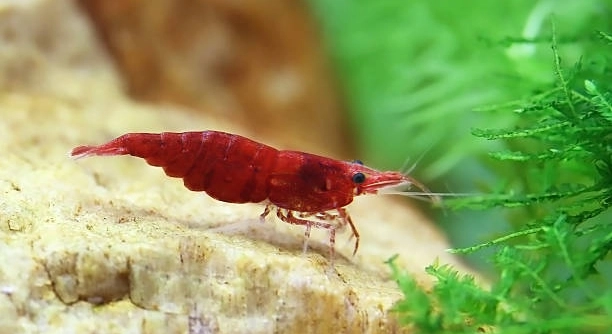
Cherry shrimp are small, bright creatures that light up freshwater tanks. At night, their behavior changes in ways many aquarium owners may not notice right away. Observing them closely can reveal surprising habits and routines.
Cherry shrimp display a variety of nocturnal behaviors, including grazing on biofilm, hiding among plants, resting in unusual positions, swimming in short bursts, interacting with tank mates, molting under cover, and responding to light changes in a predictable manner.
These nighttime habits reveal more than simple activity, showing how these shrimp interact with their environment and maintain their health in subtle ways.
Grazing on Biofilm
Cherry shrimp spend a lot of their night nibbling on biofilm that forms on tank surfaces. This slimy layer, made up of algae, bacteria, and other microorganisms, is their main food source. Watching them move slowly over leaves, rocks, and glass, you notice them scraping gently with their tiny legs. It is a careful, almost methodical process. They often circle the same spot multiple times, ensuring they gather as much nutrition as possible. Even when the tank seems empty, there is a hidden world of food they rely on. This behavior is crucial for their growth and molting. Shrimp may appear still, but their legs and antennae are constantly working. Over time, this grazing helps maintain the cleanliness of your tank surfaces as well. It’s a subtle yet vital part of their nightly routine, reflecting how connected they are to their environment.
Shrimp grazing also helps maintain the balance of algae in the tank, preventing overgrowth.
Understanding this feeding habit can help you provide supplemental food and monitor the shrimp’s health more effectively during nighttime hours.
Hiding in Plants
At night, cherry shrimp often retreat into dense plants or decorations. This provides a sense of security and reduces stress from light or movement.
Hiding is more than just safety; it is essential for molting. When a shrimp sheds its old exoskeleton, it is vulnerable to predators and accidental harm. Dense foliage offers a protective layer while they grow a new shell. Even in small aquariums, certain plant types encourage this behavior. Many shrimp select similar hiding spots night after night, indicating a preference for specific textures and cover. Shrimp may also cluster in these areas temporarily, creating small groups that reduce exposure and increase comfort. This behavior can also influence social interaction and hierarchy within a tank. Observing which areas they choose can guide placement of decorations and plants to match their natural instincts. By providing appropriate cover, you support healthy molting cycles and overall well-being. Shrimp feel calmer and more secure, which can improve feeding and reduce stress-related illnesses.
Swimming in Short Bursts
Cherry shrimp often move in quick, sudden bursts during the night. These short movements are different from their daytime grazing and are usually for repositioning or avoiding obstacles.
These bursts allow shrimp to explore their tank without spending too much energy. They dart between plants, rocks, and other decorations, often pausing to inspect surfaces before moving again. It is a controlled form of movement, balancing safety and curiosity. Unlike frantic swimming, these short bursts are deliberate and measured. Observing this behavior shows how shrimp navigate their environment efficiently while maintaining alertness.
Nighttime swimming also helps them find food and favorable resting spots. Shrimp may use this movement to assess their surroundings, test water currents, or respond to subtle changes in light and shadow. These short bursts demonstrate a mix of caution and exploration that is vital for their survival and comfort.
Molting Under Cover
Molting usually happens under leaves or inside small crevices. Shrimp choose hidden spots to reduce exposure while their new shell forms.
Molting is a delicate process that leaves shrimp soft and vulnerable. Staying hidden ensures they are less likely to be disturbed by tank mates or sudden water movements. During this time, they may remain completely still, waiting for their exoskeleton to harden. Providing adequate cover allows shrimp to molt safely, which is critical for growth. Plant density, small caves, or even decorations can serve as ideal molting zones.
Some shrimp return to the same molting spots repeatedly, suggesting a sense of comfort and safety in familiar locations. Others explore different areas depending on water conditions or nearby activity. Observing these patterns helps in arranging the tank in ways that support healthy molts, reduce stress, and maintain shrimp populations. Adequate cover during this period ensures they emerge stronger and ready to resume normal nighttime activities.
Interacting with Tank Mates
Cherry shrimp communicate subtly with each other at night. Small touches of antennae and gentle nudges are common and help maintain social balance.
These interactions are mostly non-aggressive. Shrimp use them to establish space, share hiding spots, or coordinate grazing. Observing these subtle behaviors shows their social awareness and how they coexist peacefully.
Resting in Unusual Positions
At night, shrimp may rest in positions that seem odd, like hanging under leaves or leaning against decorations. This allows them to conserve energy while staying alert. Their body orientation can vary depending on water flow, light levels, and available surfaces.
Resting is crucial for their health. Even when appearing motionless, shrimp are alert to changes in their environment. These unconventional positions help them feel secure while minimizing exposure to stress or disturbance. By noting these habits, you can better understand how your shrimp adapt to their habitat and manage energy efficiently during nighttime.
Responding to Light Changes
Shrimp react quickly to shifts in light, dimming or brightening at night. Sudden light may trigger hiding or rapid movement.
Light sensitivity guides many behaviors, from grazing to social interactions, and is a key factor in maintaining their nocturnal rhythm.
Why do cherry shrimp hide at night?
Cherry shrimp hide at night mainly for safety. Their nocturnal instinct drives them to seek shelter when activity slows down. Dense plants, decorations, and small crevices offer protection while they rest or molt. Hiding helps prevent stress from sudden movements, tank mates, or changes in light. Even in a small aquarium, they prefer secure areas that feel enclosed. Choosing familiar spots repeatedly shows that shrimp develop a sense of comfort in certain areas. Providing enough cover supports their natural instincts and encourages healthy behaviors, such as grazing and molting. Without adequate hiding spots, shrimp may appear restless or less active, signaling discomfort. Observing which areas they prefer can help in rearranging decorations or adding plants to improve their environment. This behavior is not only about protection but also about maintaining a stable routine that contributes to overall health.
How often do cherry shrimp molt at night?
Molting is a regular part of a cherry shrimp’s life, occurring multiple times during growth. Most adult shrimp molt every few weeks, while juveniles may shed their exoskeleton more frequently. Nighttime is preferred because it reduces exposure to risk and disturbances. The molting process leaves shrimp soft and vulnerable, so a quiet, hidden location is essential. Shrimp may hide under leaves or inside decorations until their new exoskeleton hardens. Stress or poor water conditions can delay molting or make it incomplete, which can be dangerous. By observing when and where shrimp molt, you can better support their needs. Providing sufficient hiding spots, stable water parameters, and good nutrition ensures molting happens smoothly. Nighttime molting is a natural rhythm that balances growth with safety, reflecting their adaptation to environmental pressures.
Do cherry shrimp eat at night?
Yes, cherry shrimp actively feed at night. Their main food source is biofilm, which forms on surfaces like rocks, leaves, and tank glass. This grazing helps them get essential nutrients while keeping their tank clean. They may also eat leftover fish food, algae wafers, or other plant matter provided by the owner. Nighttime feeding is slower and more methodical compared to daytime movement, as shrimp carefully scrape surfaces to collect food. Observing them at night shows a consistent pattern of nibbling and repositioning. Ensuring enough food at night supports their energy needs and promotes healthy growth. Overfeeding should be avoided, as uneaten food can lead to water quality issues. Providing variety, like algae or specialized shrimp food, maintains balanced nutrition and keeps shrimp active during their nocturnal hours.
Why do cherry shrimp swim in short bursts at night?
Short bursts of swimming help shrimp move safely while exploring or avoiding obstacles. Unlike frantic swimming, these movements are deliberate and controlled. They dart between plants, decorations, or tank walls to find food, preferred hiding spots, or favorable resting areas. These bursts allow them to conserve energy while staying alert. The behavior also helps them test water currents and environmental changes without overexposing themselves. Watching these movements gives insight into how shrimp navigate efficiently. This controlled activity is part of their natural nocturnal routine, balancing curiosity with safety. By arranging a tank with open spaces and secure hiding areas, you can support these short bursts, encouraging natural behavior and reducing stress.
How sensitive are cherry shrimp to light at night?
Cherry shrimp are highly sensitive to light. Sudden changes, like turning on a bright lamp or a flash of camera light, can startle them and trigger hiding or rapid swimming. Dim lighting or moonlight-simulated LEDs encourages natural nighttime activity, allowing shrimp to feed, molt, and explore without stress. Maintaining a consistent light cycle is crucial for their rhythm. Extreme brightness can cause stress and reduce nighttime activity, while too little light may limit grazing opportunities. Observing how shrimp react to different light levels helps in adjusting the tank’s environment. Providing gradual transitions from day to night supports their natural behaviors and promotes overall well-being.
Do cherry shrimp interact with each other during the night?
Yes, interactions at night are subtle but important. Shrimp communicate with gentle antenna touches or nudges. These signals help establish space, coordinate grazing, and maintain social balance. Unlike aggressive animals, cherry shrimp interactions are mostly peaceful, allowing coexistence even in small tanks. Observing these behaviors shows their social awareness and preference for certain locations. Nighttime interaction often happens near hiding spots or feeding areas. Shrimp may cluster in small groups to feel safer or coordinate grazing patterns. These quiet, almost imperceptible interactions are vital for maintaining harmony in the tank. They also help younger shrimp learn territory boundaries and develop instincts for feeding and safety. By providing a well-planted tank with ample cover, these social behaviors can occur naturally and safely.
How can I encourage natural nighttime behavior?
To encourage natural nighttime activity, provide plants, decorations, and hiding spots that mimic their environment. Stable water conditions and a proper light cycle help maintain their rhythm. Supplementing food for grazing at night ensures they remain active and healthy. Avoid sudden bright lights or disturbances that can stress them. Observing shrimp during quiet hours can reveal grazing habits, social interactions, and molting routines. By respecting their nocturnal patterns, you help them feel secure and encourage behaviors that support growth, health, and activity. Gradual lighting changes, sufficient cover, and nighttime-friendly food options all contribute to a thriving tank environment.
Cherry shrimp are small but fascinating creatures. Observing their nighttime behavior shows how active and complex they can be even when the tank seems quiet. From grazing on biofilm to swimming in short bursts, every movement serves a purpose. These habits are not random—they reflect instincts that have developed to keep them safe, well-fed, and healthy. Watching shrimp at night can be surprisingly rewarding, as their tiny actions reveal their careful balance between exploration and caution. Even their resting positions, which may look odd at first, serve to conserve energy while staying alert to changes in the environment. Providing a tank setup that allows these behaviors to take place is essential. Plants, hiding spots, and open areas all play a role in supporting natural patterns. Observing how shrimp interact with one another, find food, and respond to light can improve your understanding of their needs and make caring for them more satisfying.
Molting is another behavior that highlights the importance of proper nighttime care. Shrimp shed their exoskeletons to grow, and this process leaves them vulnerable. They rely on quiet, hidden spots to molt safely. By offering dense plants, small caves, or other protective areas, you can ensure they complete this process successfully. The molting cycle is also closely linked to feeding and energy levels, so providing high-quality food supports healthy growth. Noticing the shrimp’s preferred molting spots can help in arranging the tank to encourage repeated safe behavior. Nighttime grazing and molting are interconnected, as shrimp need energy from food to produce a new exoskeleton. These subtle interactions between activity, feeding, and shelter show how important it is to create an environment that meets their natural instincts. Shrimp are delicate but resilient, and their nighttime routines are a reflection of both vulnerability and adaptability.
Finally, understanding cherry shrimp at night can help prevent stress and promote longevity. Light sensitivity, social interactions, and environmental preferences all influence their behavior after dark. Consistent lighting schedules, gentle care, and a well-planted tank contribute to a sense of security, allowing shrimp to express natural behaviors without risk. Paying attention to these habits can also help identify problems early, such as illness or stress, by noticing changes in movement, feeding, or hiding patterns. Each small action, from a gentle antenna touch to a brief swim burst, matters in their overall health. Observing and supporting these behaviors not only improves the shrimp’s life but also makes the aquarium experience more engaging and informative. Over time, you can anticipate their needs and create a space where they thrive comfortably at night, balancing curiosity with safety and nutrition. Understanding these tiny creatures’ nightly habits helps build a healthier, more harmonious environment, and reinforces the connection between proper care and natural behavior.

Hello,
If you enjoy the content that we create, please consider saying a "Thank You!" by leaving a tip.
Every little bit helps us continue crafting quality advice that supports the health, happiness, and well-being of pets around the world, for pets of all shapes, sizes, and species.
We really appreciate the kindness and support that you show us!