
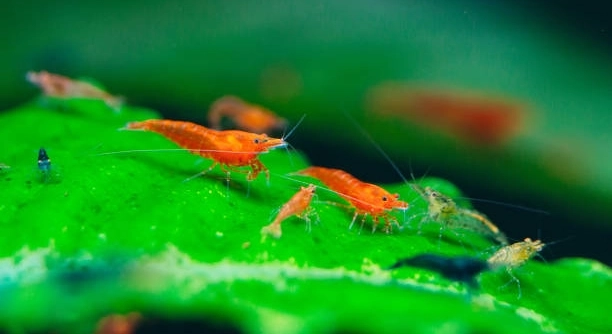
Do you enjoy keeping cherry shrimp but find it challenging to choose the right companions for your tank? Selecting the best tank mates is essential for maintaining a peaceful and healthy aquatic environment for your shrimp.
The most suitable tank mates for cherry shrimp are small, non-aggressive fish and invertebrates that will not prey on them. These species coexist peacefully, reduce stress for the shrimp, and contribute to a balanced aquarium ecosystem.
Choosing the right companions ensures your shrimp thrive, making your tank more vibrant and enjoyable to observe daily.
Amano Shrimp
Amano shrimp are excellent tank mates for cherry shrimp due to their calm nature and algae-eating habits. They rarely bother other inhabitants and help keep the tank clean without causing stress. Their larger size compared to cherry shrimp allows them to coexist safely, as they are not aggressive or predatory. Amano shrimp are adaptable to various water conditions, including temperature and pH variations, which makes them versatile companions for most freshwater tanks. Additionally, they are hardy and can thrive on leftover food and biofilm, reducing the need for constant feeding. Their presence enhances tank maintenance because they consume excess algae, contributing to a balanced ecosystem. Keeping Amano shrimp with cherry shrimp can also encourage natural behavior, as both species forage actively among plants and decorations. Despite their size difference, they coexist without significant competition, making them a reliable choice for a peaceful community tank setup.
Their peaceful nature ensures minimal stress and interaction issues with cherry shrimp, promoting a healthy tank environment.
Adding Amano shrimp also brings visual interest to the tank. Their translucent bodies and subtle movements create dynamic activity without overwhelming cherry shrimp. They are less likely to disturb breeding behaviors, allowing cherry shrimp to reproduce naturally. Observing their foraging patterns can provide insights into tank health, as changes in behavior may indicate water quality issues. Amano shrimp are compatible with a wide variety of plants and decorations, making them suitable for densely planted tanks. Maintaining water parameters within recommended ranges will support both species’ well-being.
Neon Tetras
Neon tetras are small, calm fish that rarely threaten cherry shrimp, making them ideal companions. They add color and movement to the tank without aggressive behavior.
Neon tetras thrive in groups and contribute to a peaceful, active aquarium while remaining non-predatory toward shrimp.
These fish are schooling species, so keeping at least six together ensures natural behavior and reduced stress. Neon tetras prefer slightly acidic to neutral water, which aligns with the needs of cherry shrimp. Their small mouths and diet focused on flakes and micro-food mean they do not compete for shrimp or their food. They also help create a visually appealing tank, as their bright blue and red coloration contrasts nicely with the red and pink tones of cherry shrimp. Neon tetras are sensitive to sudden water changes, so maintaining stable conditions is essential to keep them healthy. Over time, their presence can encourage a more balanced ecosystem by lightly stirring water flow and consuming leftover food, which reduces waste accumulation. When combined with cherry shrimp, neon tetras create a harmonious, visually engaging tank.
Would you like me to continue with the next tank mates in the same format?
Otocinclus Catfish
Otocinclus catfish are small, gentle algae eaters that coexist well with cherry shrimp. Their calm behavior ensures no stress for the shrimp, and they contribute to maintaining clean surfaces in a planted aquarium.
Otocinclus catfish are highly effective at grazing on algae without disturbing plants or shrimp. They are social fish, thriving in groups of at least three, which encourages natural activity and reduces stress. Their small size and peaceful temperament make them safe companions for cherry shrimp. Maintaining stable water conditions with gentle filtration ensures their health and longevity. These catfish also help prevent algae overgrowth, keeping the tank balanced while minimizing maintenance effort. By choosing Otocinclus, you ensure a low-stress environment conducive to shrimp growth.
In addition to algae control, Otocinclus catfish add subtle movement to the tank. Observing them navigate plants and decorations provides insight into tank health. Their presence encourages cherry shrimp to explore and forage without fear, promoting natural behavior. They adapt well to planted tanks and gentle water flow, complementing the tank’s ecosystem. Their compatibility with a variety of other peaceful species makes them versatile additions for community tanks. Proper care and consistent feeding create a stable, visually appealing aquarium for both species.
Pygmy Corydoras
Pygmy Corydoras are peaceful bottom dwellers that do not bother cherry shrimp. They help maintain the substrate by consuming leftover food, keeping the tank clean.
These small catfish prefer to be in groups, exhibiting natural schooling behavior that adds activity to the tank without aggression. They are compatible with cherry shrimp because they forage gently, avoiding disturbance to plants or shrimp eggs. Pygmy Corydoras thrive in soft to moderately hard water and appreciate a well-planted environment with hiding spots. Their calm nature ensures minimal stress for shrimp, while their constant movement along the substrate enhances tank dynamics. Feeding them small pellets or sinking food supplements their natural grazing habits. Maintaining water quality and avoiding sudden changes is crucial for their health.
Pygmy Corydoras also contribute to the overall balance of the aquarium. Their presence helps reduce excess food accumulation, preventing algae and bacterial spikes. They coexist with a variety of small, peaceful fish, making them versatile companions. Observing their social behavior provides subtle entertainment while monitoring tank conditions. These catfish are resilient and adapt well to planted tanks with moderate water flow. They encourage cherry shrimp to explore the substrate and forage naturally. With proper care, they enhance the tank’s ecosystem without introducing risk, creating a peaceful, engaging aquatic environment.
Ghost Shrimp
Ghost shrimp are small, transparent shrimp that coexist well with cherry shrimp. They are scavengers, feeding on leftover food without bothering their tank mates.
Their non-aggressive nature makes them ideal companions. They help maintain a cleaner tank while staying out of the way of cherry shrimp, promoting a peaceful environment.
Harlequin Rasboras
Harlequin rasboras are calm schooling fish that add color without posing a threat to cherry shrimp. They thrive in groups and prefer slightly acidic to neutral water, which aligns with the needs of most shrimp tanks. Their peaceful behavior ensures minimal stress for shrimp while enhancing tank activity.
Snails
Snails are useful tank mates that consume algae and leftover food, keeping the environment clean. They do not harm cherry shrimp, and their slow movement ensures shrimp remain undisturbed while foraging or breeding.
FAQ
What are the safest fish to keep with cherry shrimp?
The safest fish are small, non-aggressive species that do not prey on shrimp. Neon tetras, harlequin rasboras, and pygmy corydoras are popular choices. These fish coexist peacefully with cherry shrimp, reducing stress and promoting a balanced aquarium environment without endangering shrimp populations.
Can cherry shrimp live with larger fish?
Large or aggressive fish are not suitable tank mates for cherry shrimp. Species like cichlids or goldfish may eat shrimp or disturb their habitat. If you want mixed-species tanks, always select calm, small fish that cannot easily consume adult or juvenile shrimp.
Do snails really help in a shrimp tank?
Yes, snails are effective for cleaning leftover food and algae. They move slowly and do not threaten shrimp. Common options like nerite snails or mystery snails provide natural cleaning benefits while remaining peaceful tank inhabitants.
How many tank mates can I safely add to my shrimp tank?
The number depends on tank size and filtration. Overcrowding increases stress, reduces water quality, and raises the risk of shrimp predation. A general guideline is to keep only a few small, compatible fish per ten gallons of water to maintain a healthy ecosystem.
Are Amano shrimp compatible with cherry shrimp?
Yes, Amano shrimp are excellent companions. They are larger but non-aggressive, focusing on algae and detritus. Their presence encourages a clean environment and does not interfere with cherry shrimp foraging or breeding behaviors, making them reliable tank mates.
What should I avoid feeding when keeping shrimp and fish together?
Avoid large, protein-heavy meals meant for bigger fish, as they can attract shrimp predators or pollute the water. Stick to shrimp pellets, algae wafers, or finely crushed flake food. Balanced feeding ensures both shrimp and fish receive proper nutrition without harming water quality.
Can cherry shrimp reproduce with these tank mates present?
Yes, as long as tank mates are non-predatory. Species like pygmy corydoras or otocinclus do not interfere with breeding. Providing plenty of hiding spots and plants supports natural reproduction while keeping shrimp safe from accidental predation.
How do I maintain water quality for mixed shrimp and fish tanks?
Regular water changes, monitoring pH, temperature, and ammonia levels are essential. Gentle filtration is preferred to prevent stress. Maintaining clean, stable conditions ensures both shrimp and fish thrive together. Avoid sudden changes that could harm sensitive species.
Do ghost shrimp compete with cherry shrimp for food?
Minimal competition occurs. Ghost shrimp are scavengers, often feeding on leftover food from the substrate, while cherry shrimp forage among plants and decorations. Both species can coexist comfortably if feeding is adequate and food is evenly distributed throughout the tank.
Are there behavioral signs that tank mates are stressing my shrimp?
Shrimp may hide excessively, stop eating, or show erratic swimming patterns if stressed. Observing interactions helps identify which species or behaviors may be problematic. Providing plants, moss, and hiding spaces can reduce stress and encourage natural shrimp activity.
Can I mix all suggested tank mates together?
Yes, with careful planning and monitoring. Ensure adequate space, proper filtration, and hiding spots for shrimp. Introducing new species gradually helps observe compatibility. Avoid overcrowding to maintain peaceful interactions and overall tank health.
How do snails and shrimp interact?
Snails and shrimp coexist peacefully. Snails clean surfaces and consume leftover food without interfering with shrimp behavior. Both species occupy different niches in the tank, making them complementary for maintaining a clean and balanced aquatic environment.
What is the best tank size for cherry shrimp with multiple tank mates?
A minimum of 10 gallons is recommended for cherry shrimp with a few small fish. Larger tanks allow for more hiding spaces, better water stability, and reduced territorial competition. Adequate space ensures peaceful coexistence and natural shrimp behavior.
How do I introduce new tank mates without harming shrimp?
Acclimate new fish or invertebrates slowly using a drip method or floating bag technique. Monitor initial interactions to prevent aggression. Adding plants and decorations helps shrimp hide while new tank mates adjust to their surroundings.
Are there any fish that can be partially compatible depending on conditions?
Yes, some fish may coexist if conditions are ideal, such as small tetras or rasboras in heavily planted tanks. Careful observation and tank setup are critical to ensure shrimp safety and reduce accidental predation or stress.
This FAQ provides a detailed guide to keeping cherry shrimp with compatible tank mates, focusing on safety, balance, and proper care for both shrimp and accompanying species.
Final Thoughts
Choosing the right tank mates for cherry shrimp is essential for maintaining a healthy and peaceful aquarium. Small, non-aggressive fish and invertebrates are the safest options, as they allow shrimp to forage, hide, and reproduce without stress. Tank mates like Amano shrimp, pygmy corydoras, neon tetras, and Otocinclus catfish provide companionship that does not threaten the shrimp, while also contributing to the overall balance of the tank. They can help control algae, clean leftover food, and add visual activity, making the aquarium more engaging without compromising the shrimp’s safety. Observing natural behavior is easier when shrimp feel secure and tank mates are compatible. A well-chosen community allows all species to thrive together, reducing risks of predation or stress-related illnesses. Providing plenty of plants, moss, and hiding spots further supports peaceful coexistence, giving shrimp areas to retreat and explore safely.
Water quality and tank maintenance are equally important for long-term success. Regular water changes, careful monitoring of ammonia, nitrite, and nitrate levels, and maintaining appropriate temperature and pH are essential for both shrimp and their tank mates. Sudden changes in water parameters can stress shrimp and fish alike, leading to health issues or reduced activity. Using a gentle filtration system helps maintain clean water without disturbing the tank’s delicate environment. Feeding should be balanced, offering small portions appropriate for each species to prevent overfeeding and water pollution. Providing a mix of biofilm, algae wafers, and shrimp-specific food ensures cherry shrimp receive proper nutrition while other tank mates are satisfied. Observing interactions during feeding times can also reveal potential issues, allowing adjustments before conflicts arise. A stable, well-maintained environment reduces stress, promotes natural behaviors, and supports successful shrimp breeding and growth.
It is also important to introduce new tank mates gradually and carefully. Acclimating new fish or invertebrates slowly allows them to adjust to water conditions and reduces shock or aggressive behavior. Monitoring initial interactions helps identify any potential conflicts early, allowing you to separate species if necessary. Planning tank stocking in stages prevents overcrowding, ensuring each species has enough space and resources. A thoughtfully arranged tank with plants, hiding spots, and suitable companions creates a dynamic yet peaceful environment. Over time, observing how each species interacts helps refine your choices, leading to a balanced and harmonious aquarium. By selecting compatible tank mates, maintaining water quality, and providing appropriate food and shelter, cherry shrimp can thrive alongside other peaceful species. The result is a vibrant, healthy tank where shrimp activity is visible and tank mates coexist without stress, creating a rewarding and sustainable aquatic setup.

Hello,
If you enjoy the content that we create, please consider saying a "Thank You!" by leaving a tip.
Every little bit helps us continue crafting quality advice that supports the health, happiness, and well-being of pets around the world, for pets of all shapes, sizes, and species.
We really appreciate the kindness and support that you show us!