
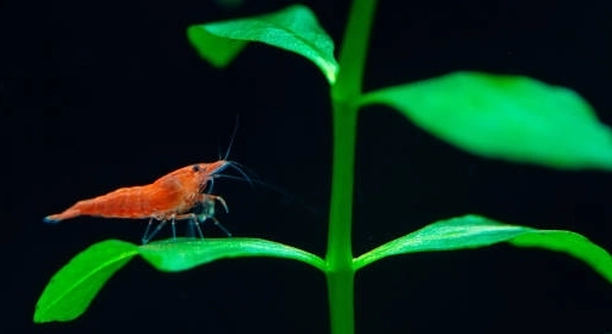
Do you enjoy keeping cherry shrimp but notice they often hide or flee suddenly in your tank? Many shrimp owners face this challenge, observing their tiny pets retreating without clear reason, causing concern for their well-being.
Cherry shrimp often flee due to environmental stressors, sudden changes in water parameters, aggressive tank mates, overcrowding, insufficient hiding spots, strong currents, or poor water quality. These triggers directly influence their sense of safety and comfort in the aquarium.
Understanding these triggers is essential for maintaining a healthy and stable tank environment. By addressing these factors, you can create a safe and stress-free habitat for your cherry shrimp.
Sudden Water Parameter Changes
Sudden fluctuations in temperature, pH, or hardness can make cherry shrimp feel unsafe. Even minor changes may trigger them to hide or swim frantically. Maintaining a consistent environment helps shrimp feel secure and reduces stress. Frequent testing of water parameters is essential to spot any variations early. Gradual adjustments, such as slowly changing water during maintenance, prevent shock and keep shrimp healthy. Rapid changes in temperature or pH can weaken their immune system, making them vulnerable to disease. Observing their behavior after maintenance gives insight into whether the adjustments were too abrupt. Proper filtration and aeration can also stabilize water conditions. Over time, a steady routine in tank care builds a more relaxed shrimp population, ensuring they display natural behaviors like grazing and exploring.
Keeping water stable improves shrimp activity and reduces stress significantly. Consistency is key for their comfort.
Paying attention to water quality not only prevents flight responses but also promotes overall health. Proper care ensures your shrimp thrive naturally, with less hiding and more active movement.
Aggressive or Overcrowded Tank Mates
Introducing fish or other creatures that are aggressive toward shrimp can create constant fear. Even non-aggressive species may cause stress if the tank is overcrowded, leaving little room to explore or hide. Ensuring compatibility between species is critical for peaceful cohabitation. Overcrowding reduces oxygen levels and increases waste, both of which contribute to stress. Cherry shrimp need space to graze and molt safely, and providing plants or decorations helps create hiding spots. Monitoring interactions among tank inhabitants can prevent fights and unnecessary stress. If aggression persists, separating shrimp or limiting tank mate numbers may be necessary. Planning tank population carefully ensures shrimp can move freely without constant threats.
Stress from tank mates is preventable with thoughtful planning.
Providing adequate space, hiding spots, and careful selection of tank companions ensures cherry shrimp live calmly. Regular observation and adjustments maintain balance, preventing escape behaviors and supporting their natural habits.
Insufficient Hiding Spots
Cherry shrimp need plants, rocks, or decorations to feel safe. Without these, they often hide excessively or flee when startled.
Providing moss, dense plants, and small caves gives shrimp secure areas to retreat. Hiding spots reduce stress during molting, feeding, or when tank mates swim nearby. Open tanks without cover leave shrimp exposed, making them skittish and prone to sudden movements. Even small additions like leaf litter or PVC tubes can create effective shelters. Arranging the tank to include multiple layers and nooks ensures shrimp can choose safe spaces. Hiding spots also encourage natural behavior, allowing grazing and exploring without fear. Over time, shrimp in well-structured tanks display calmer activity and less erratic swimming. Regularly checking decorations and plant growth ensures that hiding spaces remain accessible and safe, preventing overcrowding or blocked exits. This simple adjustment makes a noticeable difference in their overall well-being.
A well-structured tank with sufficient hiding spots encourages shrimp to be active and confident. They feel safer and explore more naturally.
Providing multiple secure areas allows shrimp to manage stress effectively. Combining live plants, moss, and small shelters creates an environment that balances activity and safety. Shrimp in such tanks show improved molting success and less frantic behavior, allowing them to graze and interact with minimal fear. Adjusting placement over time keeps the tank dynamic, ensuring that all shrimp can access safe zones and escape from potential threats. Properly designed hiding areas not only reduce stress but also enhance tank aesthetics, creating a peaceful and visually appealing environment. This approach supports long-term shrimp health and encourages natural, observable behavior without constant intervention.
Strong Water Currents
Excessive currents can push cherry shrimp into hiding. Calm, gentle flow is essential for comfort and feeding.
Strong currents make it hard for shrimp to stay in place, increasing energy use and stress. Shrimp prefer areas with mild circulation, where they can graze without being swept away. Using adjustable filters or placing plants to break flow creates calmer zones. Currents that are too strong can also damage delicate shrimp, especially during molting, leaving them vulnerable. Observing shrimp behavior helps determine if water movement is too harsh. Adjusting flow ensures they can move freely, feed effectively, and maintain their position in the tank. Gentle currents also improve oxygenation without overwhelming the shrimp, supporting healthy activity and reducing the likelihood of fleeing. Over time, managing water flow contributes to a balanced and stable habitat.
Properly managed water currents allow shrimp to feed and explore without stress. Gentle flow supports natural activity and overall well-being.
Poor Water Quality
High levels of ammonia, nitrites, or nitrates make cherry shrimp feel unsafe. Regular water testing prevents harmful buildup.
Frequent partial water changes and proper filtration maintain stable conditions. Clean water supports shrimp health and reduces flighty behavior.
Sudden Feeding Changes
Abrupt changes in diet can stress shrimp. Introducing new foods gradually helps them adjust without panic. Offering a balanced mix of algae, pellets, and blanched vegetables ensures proper nutrition and encourages calm feeding behavior. Monitoring shrimp response to new foods prevents unnecessary stress and promotes consistent activity in the tank.
Lack of Vegetation
Shrimp rely on plants for shelter, grazing, and molting safety. Dense plant coverage improves comfort and reduces fleeing.
Excessive Light
Bright, prolonged lighting can scare cherry shrimp. Providing shaded areas or adjusting light duration helps them feel secure.
Why do my cherry shrimp hide constantly?
Cherry shrimp hide constantly when they feel stressed or threatened. Common causes include sudden changes in water parameters, aggressive tank mates, overcrowding, insufficient hiding spots, or strong currents. Hiding is a natural defense mechanism to protect themselves from potential danger. Ensuring stable water conditions and providing dense plant coverage or decorations helps them feel secure. Observing their behavior after adjustments can indicate if they are comfortable. Gradually improving tank conditions reduces stress and encourages shrimp to explore more, showing natural behaviors instead of fleeing at every movement.
How can I make my shrimp feel safe in the tank?
Creating a secure environment involves maintaining stable water parameters, adding plenty of hiding spaces, and choosing compatible tank mates. Dense plants, moss, and small caves allow shrimp to retreat when needed. Gentle water flow and consistent light cycles also support their comfort. Avoid sudden changes in temperature, pH, or feeding routines, as these can trigger fear. Regular tank maintenance, including partial water changes and careful monitoring, ensures conditions remain predictable. By observing shrimp daily, you can spot signs of stress early and adjust the environment accordingly. Over time, shrimp become more confident and display active, calm behavior.
Can overcrowding cause cherry shrimp to flee?
Yes, overcrowding increases stress and reduces safe areas for shrimp. High population density leads to competition for food, hiding spots, and oxygen, making shrimp feel unsafe. Overcrowded tanks also accumulate waste faster, degrading water quality and triggering flight responses. Maintaining a proper shrimp-to-tank ratio is essential. Adding decorations, plants, and moss can create microhabitats, giving each shrimp a secure space. Observing interactions among shrimp ensures none are being pushed out or dominated. Adjusting population size or rearranging tank elements helps balance activity and safety, promoting calm and natural behaviors.
Do aggressive tank mates affect shrimp behavior?
Aggressive or larger fish can stress cherry shrimp, causing them to hide or flee constantly. Even non-aggressive species may intimidate shrimp if the tank is too small or lacks hiding spaces. Careful selection of tank mates and providing dense plant coverage can prevent stress. Shrimp need areas to retreat while grazing, molting, or resting. Observing interactions helps identify problematic species, and separating incompatible tank mates may be necessary. Shrimp in a peaceful environment are more likely to explore, feed, and molt successfully, reducing frantic movements or flight responses.
How do water currents impact cherry shrimp?
Strong water currents make it difficult for cherry shrimp to maintain position, pushing them into hiding or causing stress. They thrive in areas with gentle flow, where they can graze and move without struggle. Using adjustable filters or creating calm zones with plants and decorations helps manage current strength. Observing shrimp behavior can indicate whether flow is too strong, allowing adjustments as needed. Properly balanced currents improve oxygenation without overwhelming the shrimp, promoting calm and natural movement. Over time, managing water flow creates a stable habitat where shrimp feel safe and active.
Why is lighting important for shrimp comfort?
Excessive brightness or long periods of light can make shrimp anxious, triggering hiding or fleeing behavior. Providing shaded areas, floating plants, or adjusting light duration allows shrimp to regulate exposure. Gradual changes in lighting and using dimmable or indirect light can reduce stress. Observing shrimp during lighting periods ensures they are active and not constantly retreating. Proper lighting supports natural behavior, including grazing and molting, while enhancing plant growth and overall tank health.
What role does diet play in shrimp stress?
Abrupt changes in diet or poor nutrition can cause stress and make shrimp more likely to hide. Offering a balanced diet of algae, pellets, and blanched vegetables ensures proper nutrition. Introducing new foods gradually allows shrimp to adjust without panic. Feeding at consistent times and in appropriate quantities prevents competition and stress. Observing how shrimp respond to dietary changes helps refine feeding practices, promoting healthy growth, molting success, and calm behavior. Consistent, balanced nutrition directly supports overall well-being and reduces flight responses.
How do I know if my shrimp are stressed?
Signs of stress include excessive hiding, frantic swimming, refusal to eat, molting problems, or unusual lethargy. Observing daily behavior helps identify stress triggers such as water quality issues, aggressive tank mates, or insufficient hiding spaces. Recording water parameters and tank maintenance routines can highlight correlations between environmental changes and shrimp reactions. Gradual adjustments to water quality, tank layout, lighting, and feeding routines reduce stress. Providing multiple safe zones, stable conditions, and compatible tank mates allows shrimp to regain confidence. Healthy shrimp exhibit calm grazing, regular molting, and exploratory behavior.
Can I prevent shrimp from fleeing altogether?
Complete prevention may not be realistic, but minimizing stress triggers significantly reduces fleeing behavior. Maintaining stable water parameters, adding ample hiding spots, managing currents, controlling lighting, feeding consistently, and selecting compatible tank mates creates a secure environment. Regular observation ensures adjustments are effective. Over time, shrimp adapt to their surroundings, showing natural activity without frequent panic or hiding. Proper care and careful tank management allow them to thrive, making flight responses rare and promoting a calm, balanced aquarium.
Cherry shrimp are delicate creatures that respond strongly to their environment. Their behavior, including hiding or fleeing, often signals discomfort or stress. Understanding the factors that influence their reactions is essential for keeping them healthy and active. Common triggers include sudden changes in water parameters, aggressive tank mates, overcrowding, strong currents, insufficient hiding spots, poor water quality, and abrupt changes in feeding or lighting. By identifying these triggers, shrimp owners can take proactive measures to maintain a stable and safe environment. Even small adjustments, like adding moss or creating calm zones with decorations, can make a noticeable difference in how shrimp behave. Observing shrimp regularly allows you to see patterns and respond before stress becomes severe. This attentiveness supports both their physical health and overall well-being, reducing the likelihood of flight responses and promoting natural behaviors such as grazing, exploring, and molting safely.
Maintaining proper water quality is one of the most critical steps in ensuring a comfortable habitat for cherry shrimp. Regular testing for ammonia, nitrites, nitrates, and pH levels helps detect any harmful fluctuations early. Partial water changes and proper filtration keep the water clean and stable, minimizing stress. Temperature control is equally important, as sudden changes can shock shrimp and trigger hiding or frantic swimming. Additionally, balancing water flow with gentle currents ensures shrimp can move freely and feed without being pushed around. Providing adequate hiding spots, such as plants, moss, and small decorations, gives them areas to retreat during stressful moments. When shrimp feel safe, they are more likely to display normal behaviors, remain visible, and thrive in the tank. Simple measures, consistently applied, have a long-term positive impact on shrimp health and activity.
Behavioral observations and routine care are equally important for long-term shrimp success. Monitoring interactions among tank mates allows owners to identify and address aggression or overcrowding. Gradual changes in diet and lighting prevent unnecessary stress, while a variety of food sources ensures proper nutrition. Over time, shrimp become more confident, exploring the tank without fear. Creating a predictable, safe, and enriched environment is key to reducing hiding and fleeing behaviors. With careful attention to water quality, tank structure, and overall habitat stability, cherry shrimp can live calmly and actively. Consistent care not only improves their physical health but also encourages natural behavior, making them a rewarding and enjoyable species to maintain in any freshwater aquarium.

Hello,
If you enjoy the content that we create, please consider saying a "Thank You!" by leaving a tip.
Every little bit helps us continue crafting quality advice that supports the health, happiness, and well-being of pets around the world, for pets of all shapes, sizes, and species.
We really appreciate the kindness and support that you show us!