
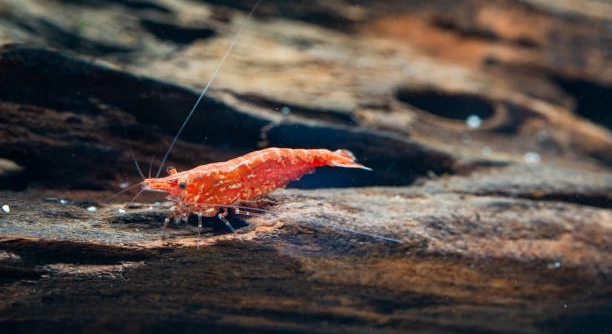
Do your cherry shrimp swim silently through the tank, their colors shining under the glow of your aquarium lights? Many hobbyists set up intricate lighting, yet wonder about the role of light during nighttime hours for their shrimp.
Cherry shrimp do not require light at night. Providing a dark period is essential for their natural circadian rhythm, stress reduction, and overall health. Continuous lighting can disrupt behavior, hinder molting, and negatively impact long-term survival and coloration.
Understanding the proper lighting schedule will help maintain your shrimp’s well-being. The following details explain why darkness at night is crucial for their health.
Why Cherry Shrimp Need a Dark Period
Cherry shrimp thrive when their environment mimics natural day and night cycles. At night, darkness allows their bodies to rest and recover from daily activity. Constant light can increase stress, making them skittish and less active. Stress can also affect molting, a critical process for growth and health. Without proper darkness, shrimp may struggle to shed their old exoskeletons, leading to injury or slowed development. Natural resting periods also help regulate metabolism and behavior, ensuring shrimp maintain their vibrant colors and normal activity levels. Lighting schedules that follow a roughly 10-12 hour light period, followed by darkness, create a more stable environment for shrimp. Plants in the tank also benefit from this cycle, as they require periods of darkness to properly photosynthesize and support water quality. Creating a balanced light and dark schedule is one of the simplest ways to improve shrimp health, activity, and overall well-being.
Maintaining a dark period reduces stress and supports healthy molting and metabolism, keeping cherry shrimp active and colorful.
Dark periods also influence shrimp behavior in subtle ways. At night, shrimp often forage quietly, explore shaded areas, and interact with tank surfaces more naturally. Overexposure to light can disturb these behaviors, making shrimp hide more often and appear lethargic. A proper light cycle not only supports physical health but also encourages normal activity patterns. Even minimal adjustments to lighting schedules can improve shrimp confidence and reduce aggression in community tanks. Ensuring nighttime darkness can be as simple as using a timer, lowering ambient room light, or covering part of the tank. Observing shrimp under these conditions allows you to see natural feeding, mating, and social behaviors that might otherwise be suppressed. Balancing light and dark periods helps your shrimp establish a stable routine, which is critical for long-term health and tank harmony.
Choosing the Right Lighting Schedule
A simple schedule of 10-12 hours of light per day works best for cherry shrimp.
Overexposing shrimp to light can have negative effects. A consistent schedule improves their behavior, molting, and overall health. It also supports plant growth and maintains water quality. Using timers ensures consistency and removes guesswork. Choosing the right lighting intensity is important—too bright can stress shrimp, too dim can hinder plant photosynthesis. Observing shrimp during day and night cycles helps identify the best setup for your tank. Gradually adjusting the lighting schedule avoids sudden stress, and dark periods should be uninterrupted for optimal benefits. Light schedules that mimic natural conditions promote healthy shrimp populations and a balanced tank ecosystem. Timing lights with the room’s day and night rhythm ensures that shrimp receive enough darkness while plants continue proper growth. Consistency is key, and once a stable routine is established, shrimp tend to display brighter colors, increased activity, and healthier molting patterns.
Effects of Nighttime Light on Cherry Shrimp
Excess light at night can cause stress and disrupt normal shrimp behavior. It may lead to hiding, reduced feeding, and difficulty molting. Constant exposure interferes with their natural circadian rhythm, affecting overall health and tank harmony.
Stress from nighttime light can weaken shrimp over time. When exposed to light continuously, cherry shrimp may avoid open areas, reducing foraging and interaction with plants. Molting can become irregular, leaving shrimp vulnerable to injury or illness. Over time, coloration may fade, and shrimp activity declines. Light pollution in the tank also impacts beneficial microorganisms, potentially altering water quality. Maintaining dark periods allows shrimp to recover, forage naturally, and maintain normal behaviors. Observing shrimp under proper night conditions reveals calmer, more active individuals.
Nighttime light can also affect reproduction. Cherry shrimp rely on natural day-night cycles for mating cues and egg development. Disrupted light patterns may reduce breeding success and slow population growth. Female shrimp may carry fewer eggs, or eggs may develop more slowly. Dark periods are essential for synchronized molting and mating, ensuring healthy offspring. A stable lighting routine supports both adult shrimp and their young, improving tank balance and long-term population health. Providing darkness at night is a simple adjustment with measurable benefits for shrimp vitality.
Common Mistakes in Lighting Cherry Shrimp Tanks
Leaving lights on too long is a frequent mistake in shrimp tanks.
Many keepers unintentionally stress shrimp by providing extended light periods. Lights left on beyond 12 hours reduce resting time, increasing activity and energy consumption, which can weaken shrimp over time. Bright or direct lighting at night may also trigger hiding behavior, reducing feeding and overall interaction. Some hobbyists rely on ambient room light rather than a consistent timer, further disrupting circadian rhythms. Proper tank lighting should mimic natural conditions with a clear distinction between day and night. This includes using a timer and avoiding sudden changes in intensity. Consistent dark periods help maintain shrimp health, encourage natural behaviors, and prevent stress-related issues. Observing shrimp responses under controlled lighting highlights the difference between a well-rested population and one exposed to excessive light.
Signs Your Cherry Shrimp Are Overexposed to Light
Shrimp may become unusually shy, hide constantly, or reduce feeding when exposed to too much light. Their colors might appear dull, and molting can become irregular, signaling stress from disrupted night cycles.
Shrimp that avoid open areas or cling to shaded spots often indicate excess light exposure. Observing these behaviors early helps prevent long-term health issues.
Adjusting Your Tank Lighting
Gradually reduce light duration to 10-12 hours daily using a timer. Dim or indirect lighting at night supports natural behavior and minimizes stress. Consistency ensures shrimp adapt smoothly without sudden disruption to their routine.
Balancing Light for Plants and Shrimp
Plants need light to thrive, but shrimp need darkness to rest. Using adjustable or partial lighting ensures both can coexist without harm.
FAQ
Do cherry shrimp need complete darkness at night?
Cherry shrimp do not require total darkness, but they do need a clear difference between day and night. A dark period allows them to rest, reduces stress, and supports natural behaviors like foraging and molting. Soft ambient light from nearby rooms is usually fine, as long as it is not constant or intense. Maintaining at least 10-12 hours of darkness each night helps shrimp recover from daytime activity and prevents behavioral issues associated with light overexposure.
Can nighttime light affect molting?
Yes, excessive light during nighttime can disrupt the molting cycle. Shrimp rely on periods of darkness to regulate hormones that control molting. Constant light can slow the process, cause incomplete molts, or stress shrimp during this vulnerable stage. Incomplete molts increase the risk of injury or death. A consistent light schedule supports timely, healthy molting and reduces complications associated with growth. Observing shrimp during their night cycle shows calmer, safer behavior when darkness is maintained.
Will light at night impact shrimp coloration?
Light at night does not directly change pigmentation, but stress from prolonged exposure can dull colors. Healthy shrimp exposed to proper dark periods display vibrant, natural colors. Stress-related hiding, inactivity, and disrupted molting from nighttime light indirectly reduce visual vibrancy. Providing a clear day-night cycle ensures shrimp remain colorful and active.
Is it harmful to leave aquarium lights on 24/7?
Yes, continuous lighting is harmful. Shrimp become stressed, hide more, and may stop feeding regularly. Overexposure interferes with circadian rhythms, molting, and reproduction. Plants may grow irregularly, affecting water quality and tank balance. Using a timer prevents unintentional light overexposure and creates a healthier environment for all tank inhabitants.
How do I create the right night conditions?
The easiest method is using a timer to control aquarium lights. Set 10-12 hours for daytime and allow a dark period at night. Ensure ambient room light does not spill directly on the tank during night hours. Partial coverings, dim lights, or indirect lighting can help maintain a natural night cycle without disrupting shrimp behavior. Observing shrimp response to adjusted lighting confirms a healthy balance.
Will shrimp adapt to night lights over time?
Shrimp may tolerate low-level night lighting, but it is not ideal for long-term health. Continuous exposure can still cause subtle stress, reduced activity, and molting issues. Even if they appear active, their internal rhythm is disrupted. Consistent darkness is the best approach for optimal health, growth, and natural behaviors.
Do plants and shrimp compete for light needs?
Yes, but balance is possible. Plants require light for photosynthesis, while shrimp require darkness for resting. Using a timer and adjusting intensity or direction of light ensures both plants and shrimp receive appropriate conditions. Partial shading or low-intensity lights at night can satisfy plant needs without harming shrimp health.
Can light cycles influence breeding?
Proper light and dark cycles positively impact reproduction. Females carry eggs more successfully, and molting synchronization improves when shrimp experience regular night periods. Continuous light can delay or reduce breeding, while consistent day-night rhythms encourage natural mating behavior and egg development.
How can I tell if shrimp are stressed by light?
Signs include hiding excessively, reduced feeding, less activity, dull colors, and irregular molting. Observing behavior during both day and night cycles reveals stress indicators. Adjusting light schedules promptly reduces long-term effects and improves shrimp vitality.
Are there special lights designed for shrimp tanks?
Yes, many aquarium lights are adjustable for intensity and duration, supporting shrimp-friendly conditions. LED lights with dimmers or timers are ideal. They allow plant growth without overexposing shrimp to light at night. Choosing appropriate lighting simplifies creating a healthy tank environment.
Is it okay to have a small night light for aesthetic purposes?
Small, dim night lights are acceptable if they do not expose the tank to constant, bright light. Soft, indirect illumination that mimics moonlight is generally safe and does not significantly disrupt shrimp behavior or health.
Can I use natural sunlight as my day source?
Indirect natural sunlight is fine, but direct sunlight should be avoided. Direct rays can cause temperature fluctuations, algae growth, and stress for shrimp. Combining natural light with controlled artificial lighting ensures stable conditions and supports healthy shrimp activity.
How strict should I be with the timing of lights?
Consistency matters more than perfection. Using a timer to maintain roughly 10-12 hours of light and corresponding darkness is sufficient. Shrimp adapt better to steady schedules, reducing stress, supporting molting, and encouraging natural behaviors.
What adjustments are needed for planted tanks?
Balance is key. Ensure plants receive enough light for growth during the day while maintaining full darkness at night for shrimp. Adjustable LED lights or partial shading work well. Observing shrimp and plant responses helps fine-tune conditions for both.
Are there alternatives to artificial lights for nighttime?
Low-intensity moonlight LEDs or indirect room lighting can serve as alternatives. These provide minimal illumination without disrupting shrimp behavior. Avoid bright or direct light sources to maintain healthy night cycles and reduce stress.
How long does it take shrimp to adjust to a new lighting schedule?
Shrimp usually adjust within a few days to a week. Gradual changes minimize stress. Observing feeding, activity, and hiding behavior helps confirm adaptation. Patience is important, as sudden shifts in light duration can cause temporary molting delays or behavioral changes.
Does temperature interact with lighting effects?
Yes, temperature fluctuations combined with inappropriate lighting can increase stress. Maintaining stable temperature and consistent light-dark cycles together ensures shrimp health, proper molting, and normal behavior patterns.
Can overexposure to light shorten shrimp lifespan?
Indirectly, yes. Chronic stress, disrupted molting, and reduced feeding caused by excessive light can contribute to a shorter lifespan. Providing consistent dark periods supports longevity, color, and activity levels.
Is there a safe maximum intensity for tank lights?
Moderate intensity is sufficient for both shrimp and plants. Extremely bright lighting is unnecessary and may cause stress or algae problems. Adjustable LEDs are ideal for controlling intensity and meeting the needs of all tank inhabitants.
Should I monitor shrimp behavior at night?
Yes, observing nocturnal activity helps detect stress or molting problems. Healthy shrimp forage, explore, and interact naturally during dark periods. Changes in night behavior often indicate light-related issues that can be corrected with adjusted lighting.
How does light affect shrimp feeding?
Excessive nighttime light may reduce feeding as shrimp hide or become stressed. Proper dark periods encourage natural foraging, ensuring shrimp consume enough food to grow, molt, and maintain vibrant colors. Consistency in light and feeding schedules improves overall health.
Are certain shrimp species more sensitive to night light?
Yes, some dwarf shrimp, including cherry shrimp, are more sensitive to light disruption. Species differences mean observing your particular shrimp is important to ensure night conditions support stress-free behavior and normal development.
Can I use partial tank covers to block light at night?
Yes, partial covers can create shaded areas, allowing shrimp to rest while maintaining some plant light. It is an effective solution when room light cannot be fully controlled. Covering only part of the tank ensures both shrimp and plants thrive.
Does the size of the tank affect lighting needs?
Larger tanks may require multiple light zones to balance plant growth and shrimp darkness. Smaller tanks can often manage with a single light source. Proper placement and timer control are more important than tank size alone.
Are there long-term benefits of a proper night cycle?
Yes, consistent night cycles reduce stress, improve molting, support reproduction, maintain coloration, and encourage normal behaviors. Long-term, shrimp populations remain healthier, more active, and visually vibrant, creating a balanced, thriving aquarium environment.
What is the simplest way to ensure proper lighting?
Using a reliable timer with adjustable light intensity is the most straightforward solution. Set a clear day-night cycle, monitor shrimp behavior, and adjust as needed. This ensures a stable, low-stress environment and reduces guesswork for daily care.
Can night lighting influence algae growth?
Yes, excessive light at night can accelerate algae growth. Controlling lighting duration and intensity helps maintain water quality and prevents overgrowth, benefiting both plants and shrimp.
How do I combine multiple lighting sources safely?
Ensure timers and dimmers are synchronized, and avoid overlapping bright lights at night. Use indirect or shaded areas for rest periods. Observation ensures shrimp remain stress-free while plants receive adequate light for growth.
Are moonlight LEDs necessary for shrimp tanks?
They are optional but can create a low-stress nighttime environment. Moonlight LEDs provide minimal illumination without disrupting natural behaviors, supporting calm activity and nighttime foraging.
How quickly can shrimp show improvements after adjusting light cycles?
Behavioral changes such as increased foraging, reduced hiding, and more vibrant coloration can appear within a few days to a week after implementing proper dark periods. Molting schedules may take longer to normalize.
Can inconsistent light cycles cause breeding issues?
Yes, irregular light patterns can delay mating and egg development. Maintaining consistent day-night cycles supports reproductive health, synchronized molting, and successful shrimp populations.
Should I monitor plant health when adjusting shrimp lighting?
Yes, ensure plants receive enough light for photosynthesis while shrimp maintain dark periods. Adjust intensity or placement as needed to support both plant growth and shrimp well-being.
Is it necessary to change the lighting seasonally?
No, artificial lighting can remain consistent year-round. Shrimp respond best to stable conditions, unlike natural seasonal changes. Seasonal adjustments are unnecessary unless using natural sunlight heavily.
Can other tank inhabitants affect lighting needs?
Yes, fish or snails may require different light conditions. Adjust intensity or create shaded areas so all species coexist without stress. Observation helps balance the needs of all inhabitants.
Does light color matter for shrimp?
Yes, softer, natural-colored lights are less stressful. Blue or red spectrum lights can mimic moonlight, while bright white lights may increase hiding and stress. Choosing gentle lighting helps maintain activity and natural behaviors.
How often should I review lighting settings?
Check monthly or whenever shrimp behavior changes. Regular monitoring ensures day-night cycles remain appropriate and allows timely adjustments to prevent stress or molting problems.
Can I rely on shrimp behavior alone to determine proper lighting?
Behavior is a strong indicator but should be combined with observation of molting, coloration, and plant health. A holistic approach ensures optimal conditions for shrimp longevity and vitality.
Do lights affect water temperature?
Yes, high-intensity lights can raise tank temperature, indirectly stressing shrimp. Using LED lights or adjusting intensity prevents temperature fluctuations while maintaining proper light cycles.
Are there benefits to simulating moonlight?
Yes, moonlight simulation allows shrimp to forage at night naturally without stress. It supports nocturnal activity and maintains circadian rhythms, promoting healthy behavior and reproduction.
What is the most common mistake in night lighting?
Leaving lights on too long or using overly bright illumination at night. Both cause stress, hiding, and molting problems. Consistent, dimmed, or timed lighting is the simplest correction.
Can I mix natural and artificial lighting safely?
Yes, as long as total exposure does not exceed 12 hours and intensity remains moderate. Timing and placement are critical to prevent stress and maintain plant growth.
Does light exposure affect shrimp lifespan?
Indirectly, yes. Proper dark periods reduce stress, support molting, reproduction, and normal behaviors, all of which contribute to longevity and overall vitality.
Are timers essential for shrimp tanks?
Timers are highly recommended. They provide consistent day-night cycles, prevent accidental overexposure, and reduce stress for both shrimp and plants, simplifying daily tank management.
Can I use dimmers instead of timers?
Dimmers are useful for adjusting intensity but do not replace timers. Timers ensure duration consistency, while dimmers control stress-inducing brightness. Both work best together for optimal shrimp health.
How do I know if adjustments are working?
Shrimp should forage normally, hide less, molt regularly, and display vibrant colors. Plants remain healthy, and water quality stays stable. Observing these indicators confirms a successful lighting setup.
Is light pollution from room lights a problem?
Yes, constant exposure from nearby lights can disturb shrimp at night. Using tank covers, curtains, or relocating the tank can help maintain proper darkness.
Can shrimp adapt to brighter tanks over generations?
While shrimp may tolerate some changes, stress and behavioral issues persist. Consistent darkness remains critical for healthy populations, coloration, and molting across generations.
Are there signs of improvement after fixing lighting issues?
Yes, shrimp become more active, feed regularly, hide less, molt on schedule, and display brighter colors. Observing behavior over several days confirms successful adjustments.
How precise does the timing need to be?
Exact minutes are less critical than consistency. Roughly 10-12 hours of light followed by darkness is sufficient, as long as the schedule remains stable daily.
Does lighting impact water chemistry?
Indirectly, yes. Overexposure can increase algae growth, affecting nutrient levels and oxygen. Proper cycles maintain a balanced, healthy tank environment.
Can I use plant lights at night safely?
Only if intensity is very low or filtered. Bright plant lights at night can stress shrimp. Timed, moderate-intensity lighting is safer for simultaneous plant growth and shrimp health.
Are there benefits to adjusting light gradually?
Yes, gradual changes reduce stress. Sudden shifts in duration or intensity may disrupt molting, feeding, and natural behaviors. Slowly transitioning light cycles helps shrimp adapt without negative effects.
Is it necessary to simulate sunrise and sunset?
Optional, but helpful. Gradual transitions reduce stress from sudden light changes, mimicking natural conditions. Timers with ramp-up and ramp-down features provide gentle adjustments for shrimp.
How does light influence community tanks?
Proper light cycles reduce stress for all inhabitants. Inconsistent or excessive lighting can increase hiding, aggression, and feeding competition. Balanced schedules maintain harmony and encourage natural behaviors.
What is the minimum darkness period recommended?
At least 10 hours is recommended. Shorter periods may not provide sufficient rest, affecting molting, behavior, and overall health.
Can night lighting affect algae-eating shrimp differently?
Yes, continuous light may cause these shrimp to feed less on algae at night, reducing their effectiveness. Proper dark periods encourage natural foraging behaviors and tank maintenance.
Does light intensity affect stress levels?
Higher intensity increases stress, while softer, indirect lighting minimizes behavioral disruption. Adjusting brightness appropriately ensures shrimp remain active and healthy.
Can improper lighting lead to disease?
Indirectly, yes. Stress from overexposure weakens immunity, slows molting, and reduces feeding, increasing susceptibility to illness. Proper light-dark cycles help prevent these issues.
Are there species-specific lighting guidelines?
Yes, some dwarf shrimp, including cherry shrimp, prefer low to moderate light intensity with clear dark periods. Observing your specific species is essential to meet their needs.
Is it okay to leave a partially lit tank at night?
Yes, if light is low and indirect. Partial shading or moonlight LEDs provide minimal illumination while maintaining darkness for resting and natural behavior.
Do shrimp require light cues for daily activity?
Yes, day-night cycles influence activity, feeding, and molting. Proper lighting cues ensure normal patterns and reduce stress associated with constant or irregular light exposure.
Can I use red light at night?
Red light is less disruptive than bright white light. It allows observation without significantly interfering with behavior, resting periods, or molting cycles.
Should I track shrimp behavior after lighting changes?
Yes, tracking feeding, hiding, molting, and color changes helps determine if the light schedule is effective. Adjustments can then be made to optimize shrimp health.
Does light placement matter?
Yes, overhead or side lighting affects behavior. Avoid direct bright light on hiding spots. Even distribution supports plant growth and creates safe areas for shrimp.
How often should light bulbs be replaced?
Replace according to manufacturer guidelines. Dimming over time reduces intensity, affecting both plant growth and shrimp behavior. Regular checks ensure consistent lighting conditions.
Can I combine timers and motion sensors?
Motion sensors are unnecessary. Timers alone provide predictable cycles, which shrimp rely on for natural behavior and rest. Motion-based lights may disrupt patterns.
Do shrimp need complete darkness for breeding?
Complete darkness is not required, but uninterrupted dark periods support egg development, molting synchronization, and successful reproduction.
Can I leave a small decorative light on?
Small, dim decorative lights are acceptable if they do not continuously illuminate the tank. Avoid bright, direct sources that disrupt night cycles.
Are light fluctuations harmful?
Frequent or sudden changes can stress shrimp, affect molting, and reduce feeding. Stable, predictable cycles are critical for health and activity.
Does light spectrum affect shrimp?
Soft, natural-colored lights are less stressful. Blue or red spectrum mimics moonlight, while bright white lights may trigger hiding or stress. Proper spectrum ensures activity and natural behavior.
Can I use natural night light through windows?
Indirect moonlight is fine, but direct exposure or extended light through windows can disrupt night cycles. Combining with controlled artificial lighting ensures stability.
Should I consider seasonal light variations?
Not necessary. Cherry shrimp respond best to consistent lighting year-round, as stability outweighs natural seasonal changes in controlled aquariums.
Are timers necessary if lights are low intensity?
Yes, timers maintain duration consistency. Even dim lights can stress shrimp if left on too long. Timed cycles ensure proper rest periods.
How can I prevent accidental light exposure at night?
Use covers, curtains, or move the tank away from room lights. A timer ensures the tank remains dark during scheduled night periods.
Do stress signs disappear immediately after adjusting light?
Some behaviors improve within days, such as hiding and feeding, but molting and coloration may take longer to normalize. Patience and consistency are essential.
Can adjusting light alone improve shrimp health?
Yes, proper lighting significantly reduces stress, supports molting, encourages natural behavior, and improves reproduction, color, and overall vitality.
Are there alternatives to timers for consistent lighting?
Manual switching is possible but less reliable. Timers provide predictability, which is critical for shrimp health and stress reduction.
How does light intensity affect nocturnal activity?
High intensity discourages nighttime foraging and exploration, while low-intensity or indirect light allows normal nocturnal behavior without causing stress.
Is moonlight simulation better than total darkness?
Optional but beneficial. Moonlight LEDs provide minimal illumination for observation and gentle activity while maintaining the essential rest period.
Can lighting mistakes be corrected easily?
Yes, adjusting light duration, intensity, or placement quickly restores proper behavior, molting, and feeding patterns, supporting shrimp recovery.
How do I know the night cycle is effective?
Shrimp forage naturally, hide less, molt regularly, and display vibrant colors. Plants remain healthy, and water conditions stay stable. Consistency confirms effectiveness.
Does light affect shrimp aggression?
Indirect
Cherry shrimp are small, delicate creatures that thrive in a stable environment. One of the most important factors for their well-being is maintaining an appropriate light cycle. Proper lighting affects their daily behavior, molting, coloration, and reproduction. Excessive light at night can cause stress, disrupt natural rhythms, and reduce activity, while consistent dark periods allow them to rest and recover. Observing shrimp during the night under suitable lighting conditions shows calmer, more natural behaviors, including foraging and gentle movement around the tank. Over time, these small adjustments create a healthier, more vibrant population. Maintaining a clear distinction between day and night does not require complicated equipment, but it does require attention to timing, light intensity, and placement. Even minor adjustments, such as using a timer, dimming lights, or shielding the tank from ambient room light, can produce significant improvements in shrimp health and behavior.
It is also important to consider the interaction between shrimp and other tank inhabitants, especially plants. Plants require light for photosynthesis, which supports water quality and overall tank balance, while shrimp need darkness to rest and avoid stress. By using adjustable lights, timers, and careful placement, it is possible to meet the needs of both plants and shrimp simultaneously. This balance ensures a healthy ecosystem, where shrimp remain active and colorful, and plants grow steadily without overpowering or stressing the shrimp. Careful observation is key. Watching shrimp behavior, molting cycles, and activity patterns helps confirm that the lighting setup is effective. Over time, consistent observation allows for fine-tuning light schedules, intensity, and duration to achieve the ideal conditions for both plants and shrimp. A well-maintained lighting routine contributes to the long-term health, longevity, and reproductive success of cherry shrimp, while also supporting a thriving planted tank environment.
Finally, lighting is one of the simplest yet most impactful aspects of shrimp care. While it may seem minor compared to feeding, water quality, or temperature control, the effects of proper light and dark cycles are evident in shrimp behavior, coloration, and overall vitality. Dark periods are not just about comfort—they are essential for molting, reproduction, and stress reduction. Implementing a reliable schedule with clear day and night periods helps prevent common issues such as dull colors, hiding, or irregular molting. Additionally, providing gentle lighting at night, if needed for observation, can be done without harming the shrimp, as long as it is soft and indirect. Taking the time to monitor and adjust lighting conditions creates a stable, low-stress environment where shrimp can thrive. Over weeks and months, this consistency supports a vibrant, active shrimp population and a balanced, healthy tank. By paying attention to lighting, it is possible to provide cherry shrimp with the best possible environment, encouraging natural behavior, proper growth, and long-term well-being.

Hello,
If you enjoy the content that we create, please consider saying a "Thank You!" by leaving a tip.
Every little bit helps us continue crafting quality advice that supports the health, happiness, and well-being of pets around the world, for pets of all shapes, sizes, and species.
We really appreciate the kindness and support that you show us!