
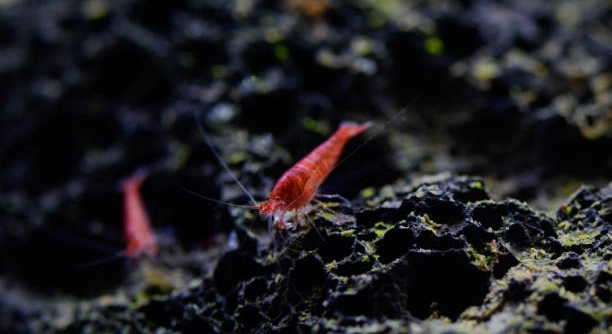
Have you ever wondered how cherry shrimp respond to the decorations in their tank, noticing small changes in their behavior as they explore quietly, moving through plants, rocks, and hiding spots with their quiet curiosity.
Cherry shrimp do not experience boredom in the same way higher animals do, but they benefit from varied decorations that offer enrichment. Structural diversity supports natural behaviors, promotes movement, and enhances well-being by providing stimulation within their captive aquatic environment.
Understanding how decorations influence their routines helps you create a tank that supports natural behavior and keeps your companions active.
How Cherry Shrimp Interact with Their Environment
Cherry shrimp move through their tanks with steady curiosity, reacting to each shape, color, and surface they come across. Decorations influence how they explore, rest, and search for food. When there are enough hiding spots and textured areas, they stay active and calm, which makes the tank feel more natural for them. I like keeping a mix of plants, small caves, and gentle surfaces so they have space to graze and areas to retreat when they want quiet moments. A setup with variety encourages natural behavior, keeps them comfortable, and helps reduce stress. Even simple items like leaves, tiny branches, and moss can make a noticeable difference in how much they move around. When the environment feels balanced, they tend to show brighter colors and smoother routines, which is helpful when you want them to thrive without making the tank overly complicated.
This balance makes their activity feel steady and gives them small moments of interest throughout the day without overwhelming them.
Adding a few fresh pieces over time helps keep their routine lively and gives them new areas to explore at a gentle pace that matches their calm nature.
Why Variety Matters in Decoration Choices
A varied setup encourages shrimp to interact with the tank in a healthy way that supports both movement and natural foraging patterns.
When you introduce different textures and shapes, you offer your shrimp more surface area for grazing and more spots for shelter. A varied environment helps them stay active without forcing them into stressful conditions. Plants create soft areas where they can rest while still feeling protected. Hardscape pieces like stones, driftwood, and tiny structures add interesting spaces for exploring. Over time, biofilm builds on these surfaces, giving them steady access to natural food sources. Keeping the tank layout flexible also makes cleaning easier since you can rotate pieces to maintain healthy surfaces. I like adding or adjusting one decoration at a time since this keeps the tank stable and prevents sudden changes in behavior. A thoughtful mix of materials and shapes supports their comfort and encourages subtle activity that fits their gentle rhythm.
How Shrimp React to Repetitive Layouts
Cherry shrimp become less active when their environment stays the same for too long, and their movements may appear slower and more predictable. A layout that never changes offers fewer moments of interest, which can reduce the gentle exploration they usually show throughout the day.
When decorations remain unchanged, shrimp tend to settle into fixed routes and grazing spots, which can limit how much they interact with the rest of the tank. Small adjustments, even something as simple as shifting a piece of wood or adding a new leaf, can encourage fresh exploration. I like making small changes that do not disturb the overall layout or stress them. This helps maintain stability while still giving them something new to discover at their own pace. A tank with subtle changes tends to support healthier routines and more visible activity.
Repetition can make their surroundings feel too predictable, and this can reduce the natural curiosity they rely on to find new grazing areas. Offering gentle changes in structure encourages them to move more, search longer, and interact with the tank in a steady, relaxed way. These small adjustments make the environment feel more natural without overwhelming them or disrupting the stability of the water parameters they depend on.
Adding Subtle Changes Without Causing Stress
Small updates can keep shrimp active without disturbing their peaceful rhythm. Soft changes like shifting a rock or adding a cluster of moss encourage new exploration while keeping the environment familiar enough to prevent discomfort or sudden behavioral shifts.
Gentle adjustments are useful because cherry shrimp rely on stable surroundings, yet they still respond well to new structures. When I update my tanks, I avoid large rearrangements and choose changes that blend with the existing layout. Placing a new leaf, adding a tiny branch, or adjusting the angle of a stone gives them something fresh to inspect. Over time, these small modifications help maintain grazing interest since biofilm forms on new surfaces. Shrimp benefit from having multiple textures and hiding spots that appear gradually instead of all at once. This approach keeps them comfortable, preserves water stability, and encourages healthy levels of activity without creating unnecessary stress.
Signs Your Shrimp May Need More Stimulation
Cherry shrimp become less active when their environment feels too plain, and they may graze in the same limited areas. You might notice fewer bursts of movement or less interest in exploring new surfaces when their setup lacks variety.
Reduced curiosity often shows through slower movements and shorter foraging paths. When decorations never change, they may spend more time hiding or lingering in one corner. Subtle updates help bring back their steady exploration and keep their behavior balanced without overwhelming their peaceful routine.
How to Introduce New Elements Safely
Adding new elements works best when done gradually, since shrimp rely on stable surroundings. I like to place one item at a time, choosing pieces that fit naturally with the current layout. Soft materials like leaves or moss create new grazing surfaces and feel familiar to them. Hardscape additions should be rinsed well and introduced gently to avoid sudden changes in water flow or territory. This method keeps stress low while still giving shrimp fresh areas to explore. Over time, these new pieces collect biofilm, which helps maintain their interest and supports healthy activity without causing disruption.
Choosing Decorations That Support Natural Behavior
Natural materials such as leaves, wood, and textured stones create spaces that support their grazing habits and gentle movements. These pieces help them stay active while still offering calm resting areas that fit their peaceful nature.
FAQ
Do cherry shrimp actually get bored with their decorations?
Cherry shrimp do not experience boredom the same way humans do, but they can become less active when their environment offers little variety. A tank that never changes may lead to repetitive grazing patterns and slower movement. Adding small elements over time helps keep them stimulated without overwhelming them.
How often should I change or adjust decorations?
Subtle updates every few weeks are enough to keep their interest. I like making small adjustments, such as shifting a stone or adding a leaf, instead of rearranging the entire layout. This maintains stability while still encouraging natural exploration and gentle activity.
What types of decorations are best for cherry shrimp?
Natural materials usually work best. Leaves, driftwood, moss, and textured stones all offer surfaces for grazing and resting. These pieces also gather biofilm, which gives shrimp a steady food source. Soft plants help them feel safe and reduce stress in their environment.
Can too many decorations stress cherry shrimp?
Yes, decorations can become overwhelming if the tank becomes cluttered or hard to navigate. Shrimp need open space to move comfortably. I try to create a balance, leaving enough room for swimming while still offering shelter and grazing surfaces. A thoughtful layout helps keep their behavior steady.
Is it safe to add new decorations to an established tank?
It is safe when done slowly and carefully. Rinse new items well and introduce them one at a time. Avoid sudden changes that alter water flow or remove established biofilm. Gradual additions help shrimp adjust and reduce the chance of stress or hiding.
Do shrimp prefer natural or artificial decorations?
Natural decorations are usually more beneficial because they offer soft textures, biofilm growth, and calm hiding spaces. Artificial decor can still work if it has gentle surfaces and does not trap debris. I prefer natural options since they look softer and support healthier routines.
Why do my shrimp ignore new decorations at first?
Shrimp often take time to adjust to changes. They may explore new items slowly as they become familiar with the scent and texture. Over time, biofilm forms, and this increases their interest. Patience helps, since their exploration style is quiet and gradual.
Can changing decorations affect shrimp color or behavior?
Yes, but usually in a positive way. When the tank has more hiding spots and grazing areas, shrimp feel safer and often show brighter colors. A balanced layout supports relaxed behavior, steady movement, and smooth daily routines without creating unnecessary stress.
Should I remove decorations that shrimp rarely use?
Not always. Some pieces become useful later once biofilm grows. If a decoration blocks movement or collects too much debris, removing it may help. Otherwise, keeping a few different textures available gives shrimp more long-term options for grazing and hiding.
How can I tell if a decoration is causing stress?
Shrimp may hide more, move less, or avoid certain areas. If a new item disrupts water flow or creates sharp shadows, they might stay away from it. I watch their behavior for a day or two, and if they still avoid the piece, I adjust or remove it gently.
Is it helpful to rotate decorations?
Rotating a few items can keep the tank interesting, but do it carefully to avoid disturbing the substrate or biofilm. I like rotating one or two pieces every few weeks. This keeps the environment fresh while still supporting the stability shrimp need.
Can adding live plants improve stimulation?
Yes, live plants provide movement, hiding areas, and natural grazing surfaces. They soften the layout and help shrimp feel secure. Plants also support water quality, which indirectly improves activity and color. Even simple plants like moss or floating greens make the tank feel more inviting.
Do shrimp interact differently with large and small decorations?
Large pieces offer shelter and stable surfaces, while small items create new corners and textures. A mix of both supports varied movement patterns and steady exploration. Shrimp often enjoy weaving through small gaps or resting under broader structures, so having both sizes helps balance the environment.
Final Thoughts
Creating a comfortable space for cherry shrimp is about paying attention to the small details that shape their daily routines. A tank that offers gentle variety encourages calm behavior, steady movement, and natural grazing patterns. When the environment feels balanced, shrimp tend to show clearer colors and smoother habits, which makes it easier to understand what keeps them comfortable. Subtle changes, natural textures, and calm hiding areas give them stability while still offering quiet stimulation. I find that even small updates, like adding a leaf or adjusting a plant, can help maintain their interest without causing any disruption. What matters most is keeping the tank steady while still giving them room to explore. Even though they do not experience boredom the way humans do, they respond well to an environment that feels alive and slightly varied.
A thoughtful layout helps shrimp settle into a rhythm that feels natural and predictable without becoming too repetitive. They rely on familiar surroundings, but they also show healthy curiosity when something new appears in their space. Natural materials tend to support this balance because they offer gentle surfaces, biofilm growth, and safe resting spots. Decorations that encourage grazing and hiding help them stay comfortable and active. When the tank includes a mix of plants, wood, stones, and small structures, shrimp can choose where they want to spend their time. This gives them control over their own comfort, which reduces stress and supports better overall behavior. I like to make small adjustments over longer periods so the environment grows at a quiet, steady pace that matches their peaceful nature.
What truly supports their well-being is understanding how these small creatures interact with their surroundings. Watching how they move, where they graze, and how often they explore can tell you when the tank needs more variety or when it feels balanced enough. Cherry shrimp thrive when their environment feels safe, stable, and mildly engaging. A mix of textures, hiding places, and gentle changes helps maintain this balance. By offering subtle updates and keeping the layout natural, you support a space that feels calm yet interesting for them. Over time, these choices create a tank that encourages healthy routines and keeps them active in a comfortable way. This steady approach helps you build a habitat that supports their needs while staying peaceful and simple to maintain.

Hello,
If you enjoy the content that we create, please consider saying a "Thank You!" by leaving a tip.
Every little bit helps us continue crafting quality advice that supports the health, happiness, and well-being of pets around the world, for pets of all shapes, sizes, and species.
We really appreciate the kindness and support that you show us!