
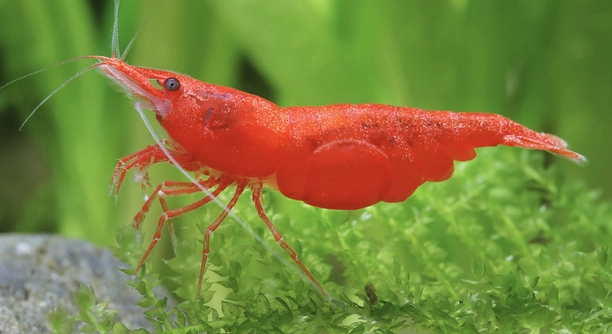
Do your aquariums host a colorful colony of cherry shrimp, yet you notice some seem to keep their distance from others? Understanding their subtle social behaviors can help maintain a peaceful and healthy tank environment.
Cherry shrimp do exhibit selective social interactions, often avoiding certain individuals due to stress, territorial disputes, or incompatible temperaments. Recognizing these behaviors is crucial for maintaining group harmony and reducing aggression within a shared aquatic environment.
Observing these interactions closely can improve your shrimp-keeping experience and ensure a calmer, thriving community in your tank.
Understanding Cherry Shrimp Behavior
Cherry shrimp are small, social creatures that display subtle yet meaningful behaviors in their tanks. They often gather in groups, grazing on algae or exploring their environment, but some individuals may isolate themselves. This can be influenced by water conditions, tank size, or the presence of other shrimp with dominant temperaments. Stress plays a major role, and changes in temperature, pH, or overcrowding can cause avoidance behaviors. Even minor disturbances, like rearranging decorations or introducing new shrimp, may trigger temporary withdrawal. Observing these interactions can reveal patterns in how shrimp establish territories and choose companions. Some shrimp are naturally more timid, preferring quiet corners while others actively explore. Providing plenty of hiding spaces, plants, and gentle water flow helps reduce stress and encourages more harmonious group dynamics. Understanding these nuances ensures your cherry shrimp thrive together with minimal conflict.
Stress, territory, and temperament are the main reasons cherry shrimp avoid certain companions in a tank environment.
Creating a balanced habitat with proper hiding spaces, plants, and consistent water conditions helps reduce avoidance. Monitoring their behavior ensures each shrimp feels secure, improving overall activity and feeding patterns. Adjustments to tank setup and careful observation prevent prolonged isolation, keeping your colony lively and healthy.
Factors Influencing Shrimp Avoidance
Water quality has a direct impact on shrimp interactions. Poor or fluctuating parameters can increase stress, prompting some shrimp to avoid others.
Temperature, pH, and ammonia levels are crucial for maintaining calm behavior. Overcrowding or rapid changes in water chemistry can heighten tension, causing timid shrimp to withdraw from more active or dominant individuals. The introduction of new shrimp must be gradual to avoid triggering defensive behaviors. Hiding spots, such as moss, plants, or small decorations, give shrimp safe areas to retreat when needed. Feeding routines also influence social patterns; consistent feeding reduces competition, while irregular feeding can create conflict. Observing how shrimp interact with their environment and each other helps identify sources of stress. By maintaining stable conditions, providing adequate space, and monitoring social dynamics, you can minimize avoidance behaviors and encourage a peaceful, active community.
Providing a stable environment with plenty of hiding areas ensures shrimp feel secure and interact more naturally.
Water conditions, space, and careful introductions are key to minimizing stress and promoting healthy, active colonies. Observing shrimp reactions allows adjustments to improve overall harmony. Consistent feeding and a well-planted tank reduce conflicts and encourage social behavior. Over time, even timid individuals become more confident, resulting in a balanced, thriving aquarium.
Signs Your Cherry Shrimp May Be Avoiding Others
Cherry shrimp that avoid companions often hide more, stay in corners, or remain inactive during feeding times. Noticing these behaviors early can help prevent stress from escalating and maintain a healthier, more balanced tank.
Isolation in shrimp can result from stress, illness, or social hierarchy. Timid individuals may stay hidden for hours, while dominant shrimp occupy open spaces and feeding areas. Overcrowding or sudden changes in tank conditions often trigger avoidance behaviors, making some shrimp more reclusive. Providing plants, moss, and hiding spots allows shy shrimp to feel secure and gradually rejoin the group without confrontation. Careful observation helps identify patterns and address potential issues before they worsen.
Monitoring body color and movement also reveals avoidance. Pale shrimp or those that remain motionless are likely stressed or uncomfortable around certain tank mates. Adjusting environmental conditions, offering safe spaces, and reducing sudden disturbances encourages more active participation. Over time, even shy shrimp can become confident, resulting in a more harmonious tank and healthier interactions.
Creating a Harmonious Shrimp Tank
Hiding spaces, proper water parameters, and balanced feeding are essential for reducing stress and encouraging positive interactions among cherry shrimp.
Consistent water quality, including stable temperature, pH, and ammonia levels, directly influences shrimp behavior. Overcrowding should be avoided to reduce territorial disputes, and gradual introductions of new shrimp prevent sudden stress. Plants, moss, and decorations give timid individuals safe areas to explore or retreat when needed. Maintaining a regular feeding schedule minimizes competition and promotes calmer interactions. Observing shrimp patterns allows timely adjustments to the tank setup. By combining these factors, you create a secure, stress-free environment where all shrimp can thrive, interact naturally, and display their full range of behaviors without fear or avoidance.
Social Hierarchy Among Cherry Shrimp
Some cherry shrimp naturally establish a hierarchy, with dominant shrimp controlling prime feeding and resting areas. Submissive or timid shrimp often avoid these dominant individuals to reduce conflict and maintain personal safety.
Hierarchy can shift over time as new shrimp are introduced or conditions change. Timid shrimp may gradually become more active once they find secure spots, while dominant shrimp maintain control over key areas. Understanding this dynamic helps manage group interactions and prevents unnecessary stress within the tank.
Health and Shrimp Avoidance
Illness or injury can cause shrimp to isolate themselves from others. Weak or sick shrimp often hide and eat less, avoiding interactions.
Encouraging Social Behavior
Providing ample hiding spots, stable water conditions, and a balanced diet helps shrimp feel secure. Shy individuals gradually participate more, improving overall tank harmony.
Tank Size Considerations
Smaller tanks can increase tension, as limited space forces shrimp into closer contact. A larger, well-planted tank allows natural avoidance and reduces stress.
FAQ
Why do some cherry shrimp avoid others in the tank?
Cherry shrimp may avoid certain companions due to stress, dominant individuals, illness, or changes in water conditions. Timid shrimp often stay hidden to protect themselves from confrontation, while dominant shrimp occupy open areas and feeding spots, naturally creating social separation.
How can I tell if my shrimp is stressed or sick?
Signs include hiding for long periods, reduced movement, pale coloring, or refusing food. Stressed shrimp often stay in corners or behind plants. Monitoring behavior and appearance regularly allows early intervention to prevent worsening conditions.
Can tank size affect shrimp interactions?
Yes, smaller tanks limit space, forcing shrimp into closer contact, which increases tension. Larger tanks with sufficient hiding spots allow timid shrimp to avoid dominant individuals and encourage natural movement and social balance.
Do water parameters influence avoidance behavior?
Stable temperature, pH, and ammonia levels are essential. Fluctuations or poor water quality cause stress, making shrimp more likely to isolate themselves. Maintaining consistent conditions helps shy shrimp feel secure and reduces conflict within the tank.
Will adding more hiding spots help shy shrimp?
Absolutely. Moss, plants, and small decorations give timid shrimp safe spaces to retreat. Gradually, they may explore more and engage in feeding areas, reducing avoidance and promoting natural behavior.
How should I introduce new shrimp to an established tank?
Introduce new shrimp slowly, ideally in a quarantine container first. Gradual acclimation prevents sudden stress and allows existing shrimp to adjust. Providing extra hiding spots during introductions reduces tension and helps maintain harmony.
Can feeding routines impact shrimp behavior?
Yes, consistent feeding reduces competition and stress. Irregular feeding may increase conflict, prompting timid shrimp to hide. Offering small portions frequently allows all shrimp to feed safely, encouraging calmer interactions.
Do shrimp form long-term bonds with tank mates?
Cherry shrimp do not form bonds like mammals, but they do exhibit social preferences. Timid shrimp may consistently avoid certain individuals, while compatible shrimp often forage or explore near each other. Understanding these dynamics helps maintain a balanced colony.
How long does it take for shy shrimp to become more active?
Time varies depending on individual temperament and tank conditions. Providing stable water, hiding spaces, and consistent feeding gradually encourages shy shrimp to participate more actively. Patience and observation are key to fostering confidence.
Can aggressive shrimp be removed without harming the tank ecosystem?
Yes, selectively removing dominant or aggressive individuals can reduce stress in a small tank. Ensure remaining shrimp have sufficient space and hiding spots to maintain natural interactions and avoid introducing sudden imbalance.
What role does plant density play in shrimp avoidance?
Dense planting provides cover and helps timid shrimp feel secure. It also reduces direct confrontation with dominant shrimp, allowing natural exploration without stress. Well-planted tanks create microenvironments for all shrimp to thrive.
Are there signs of permanent social rejection among shrimp?
Some shrimp consistently avoid particular individuals, often due to temperament differences. This behavior is natural and typically not harmful if all shrimp have access to food and safe spaces. Observing patterns helps you ensure no shrimp is overly stressed or deprived.
Is it necessary to rearrange tank decorations to reduce avoidance?
Occasionally, yes. Rearranging plants or adding new hiding spots can shift territorial dynamics, giving timid shrimp opportunities to explore and interact without feeling threatened. Small adjustments often improve overall tank harmony.
How do I balance dominant and timid shrimp populations?
Providing adequate space, hiding areas, and consistent feeding helps balance interactions. Introducing new shrimp slowly and observing behavior allows for adjustments before conflicts arise. A well-structured environment encourages all shrimp to coexist peacefully.
Can avoiding shrimp affect breeding success?
Yes, overly stressed or isolated shrimp may be less likely to breed. Ensuring safe spaces, proper diet, and stable conditions supports healthier, more active shrimp, increasing the chances of successful reproduction.
What should I do if avoidance persists despite adjustments?
Persistent avoidance can indicate chronic stress or incompatibility. Review water parameters, tank size, and social dynamics. Sometimes separating individuals temporarily or permanently helps restore balance and overall tank health.
How do seasonal changes impact shrimp behavior?
Temperature fluctuations and seasonal light changes can affect activity levels. Maintaining consistent conditions mitigates stress, helping shrimp remain active and interact normally, reducing avoidance behaviors.
Can water flow in the tank influence avoidance?
Yes, strong currents may stress timid shrimp, causing them to avoid open areas. Gentle, evenly distributed flow ensures shrimp can explore without constant effort to resist current, promoting comfort and natural behavior.
Is monitoring behavior enough to prevent stress-related avoidance?
Monitoring is essential but must be paired with action. Adjusting water conditions, tank layout, and feeding routines in response to observed behaviors keeps shrimp healthy and reduces long-term avoidance issues.
How often should I check on shrimp interactions?
Daily observation is ideal. Watching for signs of hiding, feeding patterns, and movement helps identify stress or social issues early, allowing timely interventions to maintain a peaceful and thriving tank.
Can adding different shrimp species affect avoidance?
Mixing species can increase stress if temperaments clash. Cherry shrimp generally coexist with other peaceful shrimp, but careful research and gradual introductions are crucial to prevent aggression and avoidance behaviors.
Are there natural behaviors mistaken for avoidance?
Yes, resting, molting, or exploring alone may appear as avoidance but are normal. Understanding these natural behaviors helps distinguish between stress-related hiding and regular shrimp activity.
Do environmental enrichments reduce avoidance long-term?
Providing plants, moss, and varied surfaces encourages exploration, reduces stress, and supports social interaction. Environmental enrichment helps timid shrimp become more confident and reduces prolonged avoidance.
How critical is consistency in tank maintenance for social harmony?
Very critical. Regular water changes, stable parameters, and consistent feeding reduce stress triggers, ensuring shrimp interact naturally and maintain a calm, balanced social environment.
Can lighting levels influence shrimp social behavior?
Bright, constant lighting can stress timid shrimp, causing them to hide. Providing shaded areas and moderate lighting levels allows them to explore safely, reducing avoidance and supporting active, healthy behavior.
What are the most effective ways to encourage shy shrimp to join the group?
Stable water, hiding spots, gentle acclimation, and consistent feeding gradually build confidence. Avoid sudden changes and provide opportunities for safe interaction to help timid shrimp integrate naturally.
How long should shy shrimp be given to adjust?
Adjustment times vary. Some shrimp may take days, others weeks. Patience, observation, and stable conditions are essential to allow shy shrimp to feel secure and participate fully in the colony.
Can aggressive feeding competition worsen avoidance?
Yes, high competition can increase hiding behaviors and stress. Small, frequent feedings reduce conflict and allow all shrimp to access food safely, promoting calmer interactions and reducing avoidance behaviors.
Do shrimp remember past interactions with specific tank mates?
Shrimp exhibit simple social memory, often recognizing dominant or aggressive individuals and avoiding them. Understanding these tendencies helps manage tank populations and minimize conflict, ensuring a peaceful environment for all shrimp.
What role does substrate choice play in social interactions?
Soft, natural substrates allow shrimp to forage safely and hide if needed. Uneven or bare substrates increase exposure and stress, encouraging avoidance. Proper substrate supports natural behaviors and social balance.
How often should hiding spaces be rearranged?
Periodic, gentle adjustments help maintain interest and provide new areas for timid shrimp. Frequent drastic changes may cause stress, so small, thoughtful rearrangements are most effective.
Are there behavioral signs indicating compatibility issues among shrimp?
Consistent hiding, fleeing from certain individuals, or persistent aggression signal compatibility problems. Observing these signs allows timely adjustments, such as increasing space, adding plants, or separating individuals to maintain harmony.
Can adding snails or other peaceful species improve shrimp confidence?
Yes, peaceful tank mates can provide activity and stimulation without direct conflict. They do not compete aggressively, allowing timid shrimp to explore and gradually participate more confidently.
Do molting cycles affect avoidance behavior?
Molting shrimp are vulnerable and often hide to protect themselves. Avoidance during molting is normal and temporary, not indicative of chronic stress or social issues.
Can seasonal water changes improve shy shrimp confidence?
Stable, gradual changes that mimic natural conditions help maintain comfort. Sudden shifts can increase avoidance, so slow, controlled adjustments support active, social shrimp behavior.
Is there a maximum number of shrimp per tank to reduce avoidance?
Overcrowding increases stress and conflict. Following recommended stocking levels for tank size ensures shrimp have enough space to avoid dominant individuals and reduces hiding behaviors.
How do I know if timid shrimp are thriving despite avoidance?
Look for normal feeding, healthy coloration, molting, and gradual exploration. Shy shrimp may hide often but still thrive if these indicators are consistent and water conditions are stable.
Does tank decoration density affect long-term social behavior?
Yes, a well-planted tank encourages exploration, reduces stress, and allows natural avoidance. Sparse or cluttered setups can increase tension and limit safe spaces, affecting shrimp confidence.
Can changing water flow help integrate shy shrimp?
Adjusting flow to gentle currents allows timid shrimp to explore without constant struggle, encouraging safer interactions and reducing stress-related avoidance.
Are certain shrimp personalities more prone to avoidance?
Yes, naturally timid or less active shrimp often avoid dominant or aggressive individuals. Providing stable conditions, hiding spots, and gentle integration helps these personalities participate without stress.
Can avoidance impact feeding for shy shrimp?
Yes, hidden shrimp may miss food, affecting health. Providing scattered feeding, multiple spots, and frequent small portions ensures all shrimp receive nutrition safely.
How do I know when intervention is needed for avoidance?
Persistent hiding, pale coloration, refusal to eat, or injury indicate intervention is needed. Adjusting tank setup, water parameters, or temporarily separating aggressive individuals can restore balance and health.
Can cherry shrimp form a completely peaceful community?
Yes, with proper space, stable water conditions, sufficient hiding spots, and careful introductions, shrimp can coexist harmoniously with minimal stress and avoidance behaviors.
What is the best way to observe shrimp interactions?
Daily observation, noting hiding, feeding, movement, and reactions to tank mates, helps detect avoidance early. Gentle monitoring without disturbing the tank ensures accurate behavior assessment.
Can feeding live foods reduce avoidance?
Live foods encourage natural foraging and activity, allowing shy shrimp to participate at their own pace. This can increase confidence and reduce prolonged hiding.
How can I help new shrimp feel secure?
Gradual acclimation, adequate hiding spaces, and consistent water conditions allow new shrimp to adjust comfortably, reducing stress and avoidance behaviors.
Are there long-term strategies to prevent avoidance?
Maintaining stable water, balanced populations, sufficient space, and environmental enrichment encourages natural social behavior and minimizes stress-related hiding for all shrimp over time.
Does seasonal light cycle adjustment help timid shrimp?
Moderate, consistent lighting with shaded areas supports natural rhythms. Drastic or constant bright light can increase stress and avoidance in timid shrimp.
How do I handle persistent dominance in small tanks?
If dominant shrimp continually stress others, consider temporary separation or providing additional hiding areas. Ensuring enough space and safe zones balances interactions.
Can water temperature fluctuations trigger avoidance?
Yes, rapid temperature changes stress shrimp, prompting hiding or isolation. Maintaining a stable, suitable range reduces avoidance and encourages normal social behavior.
How important is patience when addressing avoidance?
Patience is key. Gradual adjustments to the environment, careful observation, and allowing timid shrimp time to adapt ensure a calm, balanced tank with thriving shrimp.
Can shy shrimp become fully integrated over time?
Yes, with stable conditions, proper space, consistent feeding, and adequate hiding spots, shy shrimp often become more active and participate safely in tank interactions.
Do chemical additives affect shrimp social behavior?
Harsh chemicals or sudden changes in water chemistry can stress shrimp, increasing avoidance. Only gentle, compatible additives should be used to maintain harmony.
Is it normal for avoidance to fluctuate daily?
Yes, daily behavior can vary based on feeding, activity, or environmental factors. Occasional hiding is normal and not always a sign of chronic stress.
How do I balance multiple colonies in one tank?
Providing ample space, multiple hiding areas, and careful monitoring ensures colonies coexist without constant stress or avoidance. Gradual introductions and consistent care are essential for harmony.
Are avoidance behaviors more common in certain tank setups?
Bare tanks, small tanks, or those with poor water stability tend to have more avoidance. Well-planted, spacious, and stable environments encourage natural, stress-free social behavior.
Can observation alone improve shrimp behavior?
Observation identifies issues but must be paired with environmental adjustments, hiding spaces, and feeding strategies to reduce stress and encourage active, social shrimp behavior.
What is the most effective long-term strategy to reduce avoidance?
Stable water, sufficient space, proper hiding spots, careful feeding, gradual introductions, and patience create a secure, balanced tank where shrimp can interact naturally without stress.
How do I prevent timid shrimp from being excluded during feeding?
Scatter food, feed in multiple spots, and offer small portions frequently. This allows all shrimp to access food safely without confrontation or stress.
Are avoidance patterns predictable?
Yes, timid shrimp often consistently avoid dominant individuals. Recognizing these patterns allows proactive adjustments in tank setup and feeding to maintain harmony.
Can substrate depth influence shrimp confidence?
Deeper or varied substrates provide natural hiding spots, allowing timid shrimp to forage and explore safely. Shallow or bare substrates may increase exposure and stress.
How does molting frequency affect social interactions?
Molting shrimp hide more frequently to protect themselves. Regular observation ensures these temporary avoidance behaviors are not mistaken for chronic social issues.
Do cherry shrimp need separate tanks if avoidance is persistent?
In severe cases, temporarily separating stressed or timid shrimp allows them to regain confidence and health. Reintegration should be gradual with adequate hiding spots.
Can tank mates like snails or peaceful fish help reduce avoidance?
Yes, non-aggressive species add activity without creating stress, allowing shy shrimp to explore safely and gradually increase participation in feeding and movement.
How important is water change frequency for reducing avoidance?
Regular, gentle water changes maintain stable parameters, reducing stress triggers and encouraging natural, calm shrimp behavior, minimizing prolonged hiding or avoidance.
Do shy shrimp ever dominate areas of the tank?
Occasionally, once they gain confidence, previously timid shrimp may occupy specific zones or feeding areas. Proper setup allows all shrimp to establish comfortable territories without conflict.
Can lighting color or intensity affect shrimp social behavior?
Bright or harsh lighting may stress timid shrimp. Moderate intensity and shaded areas allow exploration and reduce hiding, supporting calmer interactions and balanced behavior.
What are the signs that avoidance is affecting shrimp health?
Persistent hiding, refusal to eat, pale color, slowed movement, or failure to molt indicate stress impacting health. Immediate adjustments to environment or population are necessary.
How do I integrate shy and dominant shrimp safely?
Provide multiple hiding spots, gradual introductions, and consistent feeding. Timid shrimp need secure spaces, while dominant individuals benefit from dispersed territories to reduce conflict.
Are seasonal temperature and light changes significant for shrimp behavior?
Sudden changes can trigger stress and avoidance. Gradual adjustments that mimic natural conditions help maintain calm behavior and social balance.
How can I encourage timid shrimp to explore feeding areas?
Scatter food, provide nearby hiding spots, and allow gradual exposure. Timid shrimp will gain confidence and participate more without stress.
Do shrimp remember stressful interactions long-term?
Yes, they may avoid specific individuals or areas associated with stress. Providing consistent, safe conditions helps reduce long-term avoidance behaviors.
Can overcrowding cause permanent avoidance?
Overcrowding increases tension and can make shy shrimp consistently hide. Adequate space and hiding spots prevent chronic stress and improve social balance.
Is gradual introduction of new plants beneficial for shy shrimp?
Yes, slowly adding new plants provides fresh hiding spots and encourages exploration, reducing stress and helping timid shrimp become more active in the tank.
Does feeding type influence social interactions?
Balanced diets with scattered or small portions reduce competition, encourage calmer behavior, and help shy shrimp access food safely, supporting natural social interactions.
Can monitoring shrimp molting improve social harmony?
Yes, understanding molting cycles prevents misinterpreting temporary hiding as social avoidance and allows adjustments in feeding or tank interaction accordingly.
Are timid shrimp more sensitive to chemical changes?
Yes, timid shrimp are more prone to stress from sudden chemical fluctuations. Maintaining gentle, stable water conditions supports calm, social behavior.
How does plant variety affect shrimp confidence?
Varied plants create diverse microhabitats, offering safe areas for shy shrimp and encouraging exploration, reducing prolonged hiding and promoting natural social interactions.
Can substrate type reduce stress and avoidance?
Soft, natural substrates allow for safe foraging and hiding. Hard or bare substrates increase exposure, stress, and avoidance behaviors in timid shrimp.
Is patience the key to integrating new shrimp?
Yes, gradual acclimation, stable environment, and observing interactions allow timid shrimp to gain confidence and reduce avoidance over time.
Can gentle water flow improve timid shrimp activity?
Yes, moderate flow supports exploration without causing fatigue, encouraging shy shrimp to participate more in feeding and movement.
Do tank mates like small snails reduce avoidance behaviors?
Yes, non-aggressive tank mates create a dynamic environment without competition, allowing timid shrimp to explore safely and gradually engage with the group.
How can I prevent avoidance during molting periods?
Provide abundant hiding spaces and avoid disturbances. Temporary isolation is natural, and shrimp will resume normal behavior after molting.
Are avoidance behaviors more common in newly established tanks?
Yes, shrimp are more cautious in new environments. Gradually adjusting decorations, feeding, and water parameters reduces stress and promotes integration.
Does consistent observation prevent long-term avoidance?
Observation helps detect early stress or hiding behaviors. Coupled with environmental adjustments, it supports calm interactions and reduces persistent avoidance.
Can timid shrimp become fully confident over time?
With stable water, ample hiding spots, and consistent feeding, previously shy shrimp often become more active, exploring and participating in tank activities confidently.
Does water hardness influence shrimp social behavior?
Yes, extreme hardness can stress shrimp, leading to avoidance. Maintaining moderate, stable water hardness helps promote natural social interactions and reduces hiding.
How important is a regular feeding schedule for social harmony?
Consistent feeding reduces competition, prevents stress, and encourages timid shrimp to interact safely during meals, improving overall tank balance.
Do shy shrimp require more careful handling than others?
Yes, gentle observation and minimal disturbances help shy shrimp remain confident and reduce stress-related avoidance behaviors.
Can water additives affect shrimp confidence?
Harsh or abrupt chemical changes can stress shrimp. Gentle, compatible additives help maintain stable conditions and calm social behavior.
How do I know if a shrimp is permanently avoiding others?
Consistent hiding, refusal to eat near tank mates, and repeated avoidance indicate long-term stress or incompatibility. Adjustments may be needed to restore balance.
Can adding extra plants improve timid shrimp participation?
Yes,
Cherry shrimp are fascinating creatures, and understanding their behavior is key to keeping a peaceful and healthy tank. Avoidance is a natural part of their social interactions, often linked to stress, dominant individuals, or environmental factors. Shy or timid shrimp tend to retreat when they feel threatened, while dominant shrimp occupy central areas of the tank. Observing these behaviors closely helps identify patterns and allows you to make small adjustments that support harmony. Providing adequate hiding spots, consistent water conditions, and a calm environment reduces stress and encourages timid shrimp to gradually participate in feeding and exploration. Even minor changes in water temperature, pH, or decorations can influence shrimp interactions, so maintaining stability is important. When shrimp feel safe, they display more natural behaviors, explore the tank freely, and interact without unnecessary avoidance, which benefits their overall health and longevity.
Creating a balanced environment involves attention to several factors. Tank size and layout are critical for managing social dynamics, as smaller tanks can increase tension and force timid shrimp into close contact with more dominant individuals. Adding plants, moss, and other decorations provides safe zones where shy shrimp can hide, rest, or forage without stress. Regular feeding routines with small, scattered portions help reduce competition and prevent timid shrimp from being excluded. Introducing new shrimp gradually ensures they have time to acclimate and reduces conflict. Observing molting patterns, behavior changes, and movement also provides insight into individual health and stress levels. By focusing on these environmental and social factors, you can minimize avoidance behaviors and create a tank where all shrimp feel secure and active. Over time, even the shyest shrimp may become more confident, interacting naturally with their tank mates while maintaining their comfort zones.
Consistency and patience are essential for long-term success. Avoidance is not always a sign of a problem but can indicate that shrimp need time or space to adjust to their surroundings. Gradual changes in tank setup, regular water maintenance, and careful monitoring allow you to respond to signs of stress without causing further disruption. Providing a calm and stable environment fosters natural social behaviors, reduces prolonged hiding, and supports breeding and overall vitality. Even small interventions, such as rearranging plants, adding hiding spots, or adjusting feeding strategies, can make a significant difference in shrimp behavior. Understanding each shrimp’s temperament and observing how they interact with their environment and tank mates ensures a more harmonious colony. Maintaining this balance allows cherry shrimp to thrive, resulting in a lively, healthy aquarium where all individuals have the opportunity to flourish comfortably.

Hello,
If you enjoy the content that we create, please consider saying a "Thank You!" by leaving a tip.
Every little bit helps us continue crafting quality advice that supports the health, happiness, and well-being of pets around the world, for pets of all shapes, sizes, and species.
We really appreciate the kindness and support that you show us!