
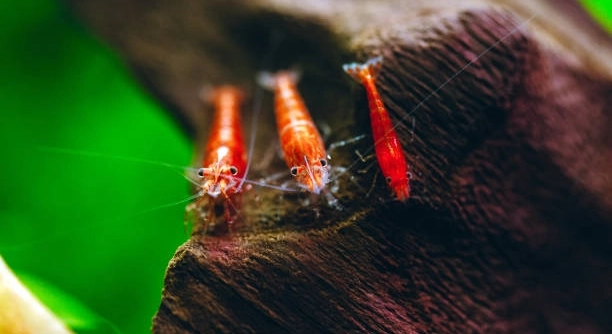
Do you ever find yourself rearranging your aquarium and wondering if your cherry shrimp prefer certain spots? Many aquarists notice these tiny crustaceans moving around, but their behavior can sometimes be puzzling and unpredictable.
Cherry shrimp are not strongly drawn to high flow areas. While they may occasionally explore these regions for food or cleaning purposes, they generally favor calm zones that allow for easier grazing and shelter, minimizing energy expenditure and stress.
Observing their movement patterns offers insight into their preferences, and understanding this behavior can help you create a healthier, more comfortable tank environment.
Understanding Cherry Shrimp Behavior
Cherry shrimp are small and delicate creatures that spend most of their time grazing on algae, biofilm, and leftover food. They tend to stick to areas where they feel safe, such as plants, rocks, or shaded corners. Strong water flow can make it difficult for them to move and feed comfortably, which is why you rarely see them staying long in those spots. Sometimes, they venture into higher flow areas when currents carry food particles, but these visits are usually brief. Shrimp also use calmer areas to molt safely, as their soft shells make them vulnerable. Observing your shrimp over time can help you understand where they prefer to spend their time and how water movement affects their activity levels. Providing a mix of flow patterns and plenty of hiding places allows them to choose their preferred zones naturally without stress.
High flow areas are not their preferred environment, though occasional exploration is normal.
Giving shrimp options in your tank ensures they can feed, molt, and rest comfortably, which keeps them active and healthy.
Tank Setup Tips for Flow Management
Maintaining moderate water flow benefits both plants and shrimp, balancing filtration needs with comfort.
Positioning decorations, plants, and rocks can redirect currents, creating calmer pockets where shrimp can graze and hide safely. Using gentle filters or adjustable outputs lets you control the intensity of water movement. Flow should be strong enough to prevent debris buildup but not so strong that shrimp struggle to anchor themselves or are constantly pushed around. Placing moss, floating plants, and leaf litter in strategic areas provides additional protection and grazing surfaces, making shrimp more willing to explore. Observing shrimp behavior after adjusting flow gives immediate feedback, helping fine-tune the environment. Avoid placing shrimp in direct paths of strong currents for long periods. By balancing flow and shelter, you create an environment that supports their natural behaviors while keeping water quality high. This approach ensures your cherry shrimp are active, healthy, and less stressed, improving survival and overall tank harmony.
Feeding Habits and Flow
Cherry shrimp often feed in calmer areas where food collects naturally. Strong currents can sweep food away before they have a chance to eat, making slow-flow zones more appealing for grazing.
Shrimp primarily eat biofilm, algae, and tiny food particles. In high-flow areas, they must expend extra energy to hold their position, which reduces feeding efficiency. They tend to linger where food accumulates in nooks, on leaves, or near moss. Observing where they feed most often shows that calmer zones are preferred, though occasional forays into higher currents occur when food drifts by. Ensuring a steady supply of easily accessible food encourages healthier growth and activity, especially in multi-level tank setups where both high and low flow areas exist.
Adjusting flow around feeding spots helps shrimp stay in one place longer and improves nutrition intake. By managing currents, you can maintain natural feeding behavior without stressing them.
Molting and Shelter
Shrimp molt more comfortably in low-flow areas where they feel secure and hidden.
During molting, shrimp are vulnerable due to soft exoskeletons. High-flow currents increase risk of injury or being swept into open areas, so they naturally seek out plants, rocks, and leaf litter for protection. Providing shaded nooks and dense moss allows them to molt safely while remaining close to food sources. In tanks with strong currents, molting shrimp often cling tightly to surfaces or remain hidden for extended periods. Observing these spots shows where they feel safest. Designing a tank with both slow-flow zones and gentle water movement supports molting, feeding, and normal activity, reducing stress and promoting healthy growth for your cherry shrimp.
Preferred Hiding Spots
Cherry shrimp often stay near plants, rocks, or moss where water flow is minimal. These spots give them safety and easy access to food without battling currents.
Dense foliage and crevices allow shrimp to feel secure. High-flow areas rarely provide enough shelter, so shrimp naturally avoid them for resting and hiding purposes.
Observation of Movement Patterns
Watching cherry shrimp over time reveals clear preferences. They spend most of their time in low-flow regions where food gathers and molting can occur safely. Occasionally, they explore higher flow areas, but only briefly, usually following drifting food or checking territory. Tracking their movement shows that energy conservation drives their behavior. In tanks with mixed flow, shrimp consistently return to calm zones after short ventures. Understanding these patterns helps in arranging plants and decorations to create a balanced environment. Providing both slow and moderate flow areas supports their natural instincts, reducing stress and encouraging active, healthy shrimp throughout the tank.
Managing Currents
Small adjustments to filter output can create a better environment for shrimp.
FAQ
Do cherry shrimp enjoy strong water currents?
Cherry shrimp do not naturally seek out strong currents. They may pass through areas with higher flow if food drifts by, but they prefer calm zones where they can feed, rest, and molt without expending extra energy. Strong currents can make it difficult for them to anchor themselves, leading to stress or reduced activity. Observing shrimp in different tank conditions shows they spend the majority of their time in areas with minimal water movement, retreating to plants or moss when currents are stronger. Maintaining a balance between necessary filtration and gentle flow ensures their comfort.
How does water flow affect feeding?
Water movement directly impacts how shrimp gather food. In high-flow areas, particles can move too quickly, making it hard for shrimp to catch them. They prefer calmer spots where food settles or clings to surfaces. Providing slow-flow zones around moss, plants, and decorations encourages natural grazing behavior. Adjusting feeding times and locations can also help ensure all shrimp access food without struggling against currents. Consistent observation allows you to see which spots they favor, helping you optimize feeding efficiency.
Can cherry shrimp live in high-flow tanks?
Yes, but they require areas of low flow to thrive. Tanks with strong currents should include plants, moss, rocks, or other structures to create calm pockets. Without these, shrimp may become stressed, expend too much energy swimming, or avoid feeding areas. Even in high-flow setups, providing gentle zones helps maintain normal activity patterns, growth, and molting success. Placement of decorations and careful adjustment of filter output can make these tanks suitable for shrimp while keeping water clean and oxygenated.
Why do shrimp avoid certain areas in the tank?
Shrimp tend to avoid regions with strong currents or insufficient cover. These areas expose them to stress, increased energy use, and potential injury. They also seek out spots where food is accessible and where they can molt safely. Watching their movement reveals clear patterns—they prefer areas with protection, moderate water flow, and easy access to food. Adjusting tank layout by adding plants, rocks, or moss can redirect shrimp activity and create a more balanced environment that meets their natural preferences.
Does water flow affect molting?
Yes, molting is a vulnerable time for shrimp, and high-flow areas can make it unsafe. During molting, they need calm spots where they can remain hidden while their new exoskeleton hardens. Plants, moss, and crevices act as protective shelters. Without these, shrimp may hide excessively or fail to molt properly. Monitoring shrimp during molting periods helps ensure they have the right conditions to shed safely, reducing stress and the risk of damage.
How can I make a high-flow tank shrimp-friendly?
Create low-flow pockets using plants, moss, rocks, or decorations. Reduce filter output or use flow diffusers to soften currents in areas where shrimp feed and molt. Observing shrimp movement helps identify spots they favor. Ensuring access to food in calm areas encourages feeding and reduces energy expenditure. A combination of gentle flow, hiding spots, and strategic decoration placement makes even high-flow tanks suitable for cherry shrimp while maintaining clean, oxygen-rich water.
Are shrimp more active in low-flow areas?
Yes, low-flow zones encourage natural behavior such as grazing, exploring, and interacting with plants. In calmer areas, shrimp can feed efficiently, molt safely, and move without stress. High-flow areas are typically only used briefly when food drifts by or out of curiosity. Creating a balance of low and moderate flow promotes activity while ensuring their health.
Do all cherry shrimp respond the same to flow?
Not always. Individual shrimp may have slightly different preferences depending on size, age, and temperament. Younger shrimp or newly molted ones are especially sensitive to strong currents. Observing each tank’s shrimp helps identify patterns and adjust flow, feeding, and shelter placement accordingly. By providing options, you accommodate varying preferences and support the overall wellbeing of the colony.
Can high flow affect breeding?
High currents can disrupt mating behaviors and egg carrying. Females carrying eggs need calm areas to protect them. Strong flow may cause eggs to dislodge or stress females, reducing survival rates. Low-flow zones with secure cover are essential for successful breeding. Strategic tank design that balances filtration with gentle areas ensures reproductive success and overall shrimp health.
How do I know if flow is too strong?
Signs include shrimp constantly clinging to surfaces, hiding excessively, or avoiding open areas. You may notice reduced feeding or stress-related behaviors like twitching or erratic swimming. Observing these behaviors allows for adjustments in filter output, decoration placement, or creating flow breaks to make the tank comfortable while maintaining water quality.
What plants or decorations help manage flow?
Mosses, dense plants, rocks, and driftwood create calm zones. Floating plants can also reduce surface turbulence. These items give shrimp places to feed, molt, and rest safely. Strategically placing them throughout the tank balances current distribution, making high-flow areas less stressful while supporting natural behavior patterns.
Can shrimp adapt to stronger currents?
They can tolerate moderate flow with adequate shelter, but adaptation has limits. Constant exposure to strong currents without calm areas may lead to stress, reduced activity, and lower survival rates. Ensuring a combination of flowing and calm zones supports both natural behavior and tank cleanliness.
Are filter types important for shrimp?
Yes, sponge filters and gentle output filters are preferred. They reduce strong currents while maintaining water quality and oxygen levels. Adjustable filters allow for control over flow intensity, giving you the ability to create shrimp-friendly zones in any tank size.
Do shrimp use high-flow areas at night?
Shrimp may explore higher flow areas at night, but they still return to calm zones. Nighttime activity often involves grazing or checking territories, but energy conservation remains a priority. Calm areas remain their main habitat regardless of the time of day.
How often should I check shrimp behavior?
Daily observation helps identify stress, feeding habits, and molting patterns. Noticing changes in how they use high-flow and low-flow areas allows for timely adjustments in tank layout, filtration, or feeding strategy, ensuring optimal health and activity.
What is the safest tank flow setup?
A mix of gentle flow for water quality and calm pockets for shrimp activity is ideal. Use plants, rocks, moss, and adjustable filters to manage currents. Observe shrimp to confirm they have comfortable feeding and molting areas, while maintaining proper oxygenation and cleanliness.
How can I encourage shrimp to explore higher flow areas?
Placing food near moderate currents encourages temporary exploration. However, they usually return to calmer areas for feeding and rest. Using gradual flow increases rather than sudden strong currents reduces stress and encourages safe movement throughout the tank.
Does water temperature affect flow preference?
Yes, warmer water can make shrimp more active, but strong currents still push them into low-flow zones. Cooler water may reduce activity, so maintaining moderate temperatures helps them move naturally and manage energy efficiently across both calm and slightly flowing areas.
Can shrimp be moved to high-flow tanks safely?
Only if the tank has sufficient calm zones and hiding places. Gradual introduction and careful monitoring reduce stress. Ensuring feeding areas and molting shelters are available allows shrimp to adjust without risking health or behavior disruption.
Do shrimp ever ignore calm zones?
Occasionally, they explore for food or territory, but calm zones remain their primary habitat. Ignoring these areas for extended periods often signals stress, lack of cover, or unsuitable tank conditions, which should be corrected promptly.
How to balance filtration and shrimp comfort?
Use adjustable filters or sponge filters to moderate water movement. Create low-flow areas with plants, moss, or decorations while maintaining enough current to circulate water and prevent debris buildup. Observing shrimp behavior ensures they are comfortable without compromising tank health.
Is it necessary to create specific flow zones for each shrimp?
Not individually, but providing multiple low-flow areas supports colonies with different activity levels, sizes, and molting schedules. This flexibility ensures all shrimp can feed, hide, and molt safely while maintaining natural behavior throughout the tank.
What signs show shrimp are thriving in their tank?
Active grazing, frequent movement in calm areas, successful molting, and regular breeding indicate healthy shrimp. Balanced tank flow, adequate shelter, and accessible food contribute to these positive behaviors. Changes in these patterns may signal the need to reassess tank conditions.
Do shrimp compete for low-flow areas?
Some competition exists, especially in small tanks. Ensuring multiple calm zones and hiding spots reduces stress, allows sharing of feeding areas, and supports natural social behavior without overcrowding or conflict.
How often should flow adjustments be made?
Adjustments are needed when observing stress, unusual hiding, or feeding issues. Minor changes over time allow shrimp to acclimate without disruption. Flow should remain consistent once optimal zones are established.
Can decorations alone manage high-flow issues?
Yes, strategic placement of plants, moss, and rocks can reduce turbulence and create safe pockets. Combined with adjustable filtration, decorations help maintain shrimp comfort in any tank with moderate to high flow.
Do shrimp prefer constant or variable flow?
They prefer mostly constant, gentle flow. Sudden changes can stress them, but moderate variations are tolerable if calm zones are available. Constant, predictable currents support feeding, molting, and natural movement patterns.
How does tank size influence flow preferences?
Larger tanks with stronger currents need more low-flow pockets. Smaller tanks with less water volume naturally have milder currents, so shrimp can access calm areas more easily. Tank layout should consider both flow strength and available shelter for optimal shrimp comfort.
What is the best way to observe shrimp without disturbing them?
Use slow, gentle movements around the tank and minimal light changes. Observing at feeding times or during molting periods gives the clearest view of flow preferences and natural behavior without causing stress.
Are there differences between shrimp species in flow tolerance?
Yes, some species tolerate higher flow better than cherry shrimp. Research the specific species to provide appropriate conditions. Cherry shrimp generally thrive in calm areas, while other types may explore moderate currents more frequently.
Does tank cleaning affect shrimp flow preferences?
Yes, moving decorations or altering filter output can temporarily change flow patterns. Observing shrimp after maintenance ensures they adjust comfortably and continue to have access to calm, sheltered areas.
Can high-flow areas benefit shrimp at all?
Moderate flow helps distribute food, oxygenate water, and prevent debris buildup. Shrimp may briefly use these areas, but their main benefit is indirect, improving overall tank conditions without being a preferred habitat.
How do I know if shrimp are stressed by flow?
Signs include hiding constantly, clinging to surfaces, refusing food, or unusual swimming. Monitoring these behaviors allows prompt adjustment of currents, decorations, or shelter to reduce stress and restore normal activity.
Is it better to overcompensate with calm zones?
Excessive calm areas can reduce filtration efficiency and oxygen distribution. Balance is key: provide enough low-flow zones for shrimp while maintaining proper circulation for tank health. Observing shrimp activity ensures both needs are met effectively.
Do shrimp interact differently in high vs low-flow areas?
In low-flow zones, shrimp engage in grazing, molting, and social behaviors naturally. In higher currents, they tend to focus on holding position or following drifting food, limiting interaction and activity. Calm areas support the majority of normal behavior.
Are juvenile shrimp more sensitive to flow?
Yes, smaller shrimp have weaker swimming abilities and prefer calm areas almost exclusively. Providing plenty of low-flow zones ensures they feed, grow, and molt safely while avoiding energy loss or injury from stronger currents.
Does water chemistry interact with flow preferences?
Stable water parameters are critical regardless of flow. High flow can exacerbate stress if water quality fluctuates, while calm zones help shrimp cope with minor changes. Monitoring both chemistry and flow ensures optimal conditions.
How long does it take shrimp to adapt to a new flow setup?
Adjustment varies by individual and tank conditions but usually takes a few days to a week. Observing feeding, molting, and hiding behaviors indicates how well they are acclimating to the new flow patterns.
Can I use flow patterns to guide shrimp behavior?
Yes, placing food, decorations, and hiding spots strategically can encourage shrimp to explore desired areas. Gentle currents can help distribute food while maintaining calm zones for feeding and molting. Observing responses ensures adjustments are effective.
Are there seasonal effects on flow preference?
Temperature and light changes can subtly influence activity, but calm zones remain essential. Shrimp may move slightly more in warmer periods, but they still rely on low-flow areas for feeding and protection consistently throughout the year.
Do shrimp show preference for vertical flow differences?
Yes, shrimp often stick to lower or mid-level areas where flow is calmer. Surface currents are usually avoided except for occasional exploration or food collection. Designing the tank with varied vertical zones supports natural movement patterns.
Can flow affect shrimp lifespan?
Consistently strong currents without calm areas may reduce lifespan due to stress, energy expenditure, and feeding difficulty. Balanced flow with low-flow pockets supports long-term health, natural behavior, and longevity for cherry shrimp colonies.
How often should hiding spots be refreshed?
Additions or rearrangements can improve comfort and reduce stress. Moss, plants, and decorations may grow or shift, so periodic updates help maintain safe low-flow zones while keeping the tank dynamic and stimulating.
Do shrimp recognize preferred low-flow areas over time?
Yes, shrimp often return to favored spots for feeding, molting, and resting. These areas become central to their daily activity, showing clear patterns of preference that reflect comfort, safety, and energy efficiency.
Are there visual signs that shrimp like certain spots?
Clustering, frequent grazing, or molting in specific areas shows preference. Observing these behaviors helps guide decoration placement and flow adjustments to maintain ideal conditions.
Do high-flow areas encourage exploration?
Moderate flow can prompt brief exploration, especially when food drifts through. However, shrimp quickly return to calm zones for comfort and feeding efficiency, indicating exploration is secondary to low-flow safety.
How does shrimp size influence flow tolerance?
Larger, adult shrimp handle moderate currents better than juveniles. Smaller shrimp require calm zones for feeding and molting. Tank design should account for mixed sizes to ensure all shrimp have suitable habitats.
Is monitoring necessary after changing flow?
Yes, observing shrimp ensures they adapt safely. Changes in hiding, feeding, or molting indicate if further adjustments are needed. Continuous monitoring supports health, comfort, and natural behavior.
Can high flow reduce algae growth for shrimp?
Strong currents may slow algae accumulation in some areas, but shrimp still prefer low-flow spots to graze. A mix of flow and calm zones balances algae control with shrimp activity.
How do shrimp handle sudden spikes in flow?
Sudden strong currents can cause stress, clinging, or hiding. Gradual changes are preferable to allow adaptation. Providing immediate calm zones mitigates negative effects and ensures safety during adjustments.
Are there behavioral signs shrimp are comfortable?
Active grazing, regular movement in calm zones, molting successfully, and normal social behavior indicate comfort. Shrimp that hide excessively or avoid feeding may need adjustments to flow or shelter.
Does tank decoration style influence flow preference?
Yes, dense plants, moss, and rock structures create low-flow zones and protection. Sparse setups expose shrimp to stronger currents, increasing stress. Thoughtful decoration supports natural behavior and comfort.
How important is observation for flow management?
Daily observation helps detect stress, feeding issues, or molting problems. Monitoring shrimp in different areas ensures tank adjustments meet their needs, balancing comfort with water quality and filtration.
Do shrimp interact with filtration devices?
They may cling to or avoid strong outputs. Sponge filters or diffusers reduce stress while maintaining water movement. Observing behavior around filters informs adjustments to flow intensity and placement.
Are calm areas essential for breeding?
Yes, females carrying eggs need protection from currents. Calm zones improve egg survival and reduce stress, supporting healthy colony growth.
Can shrimp be trained to use certain areas?
Indirectly, by placing food and shelter strategically, shrimp learn to frequent these areas. Patience and observation are required, as natural instincts still drive primary habitat choices.
Does lighting interact with flow preferences?
Bright light may encourage hiding in low-flow, sheltered areas. Gentle, natural lighting combined with calm zones helps shrimp feel secure while remaining active.
Are there seasonal adjustments for flow?
Minor adjustments may help shrimp cope with temperature or activity changes. Calm zones remain critical throughout the year. Observing behavior guides any necessary tweaks.
Do shrimp avoid turbulence at the surface?
Yes, surface turbulence is typically avoided. Shrimp prefer mid-level and bottom zones where flow is calmer, offering safety and easier access to food.
How does tank stocking density affect flow use?
Higher densities increase competition for calm areas. Providing multiple low-flow zones ensures all shrimp can feed, hide, and molt without stress or crowding, promoting colony health.
Can shrimp accidentally get caught in strong currents?
Yes, particularly juveniles or newly molted shrimp. Providing adequate calm zones, gentle currents, and hiding spots prevents accidental displacement and injury.
Does filter placement matter for shrimp comfort?
Yes, positioning filters to reduce direct flow toward main activity areas creates comfortable zones. Adjustable outputs and diffusers further control water movement for shrimp-friendly conditions.
How often should flow zones be checked?
Regular observation after changes or maintenance ensures shrimp continue to have safe, low-flow areas for feeding, molting, and resting. Adjustments can be made as needed.
Do shrimp prefer vertical or horizontal calm zones?
They often favor mid to bottom zones where water is calmer. Vertical positioning is less critical than providing adequate protection and reduced flow throughout the tank.
Can shrimp behavior indicate tank issues?
Yes, unusual hiding, reduced feeding, or avoidance of usual low-flow spots may signal water quality problems, insufficient shelter, or overly strong currents requiring correction.
Do shrimp respond to changes in filtration type?
Yes, they may move to calmer zones if currents increase or change direction. Sponge filters or adjustable outputs provide more consistent and shrimp-friendly flow patterns.
How long should calm zones be maintained?
Consistent low-flow areas are essential for ongoing comfort, molting, feeding, and breeding. Regular checks ensure these zones remain effective while supporting water circulation and tank health.
Are floating plants helpful for flow management?
Yes, they reduce surface turbulence and create shaded, calm areas. Combined with other decorations, they help maintain a comfortable environment for cherry shrimp throughout the tank.
Do shrimp use high-flow areas for cleaning?
Occasionally, they may explore currents to access drifting food or biofilm, but they quickly return to calm zones for safety and energy efficiency.
Can tank size and shape change flow preferences?
Yes, long, narrow tanks may have stronger currents at ends, while taller tanks may create vertical differences. Proper layout ensures calm zones are available regardless of tank geometry.
Is monitoring shrimp behavior enough to manage flow?
Yes, direct observation provides clear feedback on comfort, feeding, molting, and stress. Adjustments based on behavior are often more effective than relying solely on flow measurements or calculations.
Cherry shrimp are delicate creatures that thrive best in environments that meet their basic needs for food, shelter, and safety. Observing their behavior over time shows that they prefer calm areas over strong currents. These low-flow zones allow them to feed efficiently, rest comfortably, and molt safely without expending extra energy. When water moves too quickly, shrimp can struggle to anchor themselves, which can lead to stress or reduced activity. By arranging your tank thoughtfully with plants, moss, rocks, and other decorations, you can create gentle pockets where shrimp feel secure and have access to food. Even in tanks with stronger flow for filtration or oxygenation, providing these calm areas ensures that shrimp can maintain their natural behaviors without harm.
Flow in the tank is not just about comfort; it also affects the shrimp’s overall health and wellbeing. Proper water movement helps distribute food, oxygen, and nutrients, but too much can make daily activities difficult. Feeding is easier in calmer regions because shrimp can grab particles without being pushed around by currents. Molting is another critical process that requires safety and stability. During this time, shrimp are especially vulnerable, and high-flow areas can cause accidents or injury. Providing sufficient shelter in low-flow areas ensures that shrimp can complete their molting process safely. Observing the shrimp and adjusting the tank layout as needed can prevent stress, encourage healthy growth, and maintain normal activity levels. Balanced flow and carefully placed hiding spots allow shrimp to explore, feed, and rest according to their natural instincts.
Designing a tank with cherry shrimp in mind requires attention to both water movement and shelter. Even if the tank has strong currents for filtration, thoughtful placement of plants, moss, and decorations can create calm zones that meet shrimp needs. Small adjustments in filter output or rearranging decorations can make a significant difference in how comfortable shrimp feel. Regular observation of feeding patterns, movement, and molting behavior helps ensure that the environment is suitable. A well-managed tank encourages activity, reduces stress, and supports healthy breeding. Understanding their behavior and providing options for calm areas versus flowing regions creates a harmonious environment where cherry shrimp can live comfortably and thrive. By focusing on flow management, feeding access, and safe hiding spots, shrimp owners can maintain a healthy, balanced tank that supports both the creatures and the ecosystem within it.

Hello,
If you enjoy the content that we create, please consider saying a "Thank You!" by leaving a tip.
Every little bit helps us continue crafting quality advice that supports the health, happiness, and well-being of pets around the world, for pets of all shapes, sizes, and species.
We really appreciate the kindness and support that you show us!