
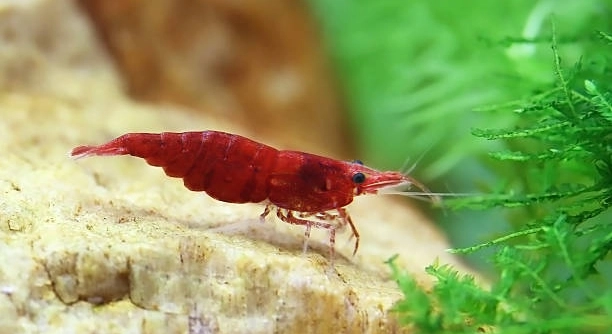
Cherry shrimp are charming additions to home aquariums, bringing vibrant color and lively movement. Many aquarists enjoy their delicate presence, but even a carefully maintained tank can sometimes fail to keep them thriving. Understanding why they leave is important.
Cherry shrimp may leave a seemingly perfect tank due to subtle environmental imbalances. Factors such as water quality fluctuations, inappropriate pH levels, lack of adequate hiding spaces, or incompatible tank mates can create stress, prompting shrimp to hide, weaken, or perish unexpectedly.
Maintaining a stable environment requires careful attention to water conditions and tank setup to ensure cherry shrimp remain healthy and content. Proper management supports their long-term well-being in your aquarium.
Water Quality and Stability
Maintaining stable water quality is essential for cherry shrimp. Even minor fluctuations in temperature, ammonia, nitrites, or nitrates can stress them. I have noticed that tanks with frequent water changes but inconsistent parameters often see shrimp hiding or disappearing. Chlorine and chloramine in tap water can be toxic if not properly treated. Using a reliable water conditioner and testing kit helps prevent these problems. Filtration is equally important, as stagnant water allows waste to build up, creating harmful conditions. Overfeeding contributes to excess debris, further affecting water chemistry. Observing your tank daily helps catch early signs of stress, such as reduced activity or faded color. Providing a gentle current can encourage movement without causing strain. By keeping water conditions stable, shrimp are more likely to thrive and display their natural behaviors, making the tank more visually appealing and healthier overall. Consistency is the key to avoiding sudden losses.
Even slight changes in water chemistry can trigger stress in cherry shrimp, causing them to hide or weaken.
Regular monitoring, consistent water changes, and careful feeding routines are crucial. Maintaining ideal conditions protects shrimp health and supports a balanced tank ecosystem.
Hiding Spaces and Tank Environment
Cherry shrimp need safe spots to retreat when stressed or molting. Plants, moss, and small ornaments provide cover, reducing anxiety.
Shrimp are vulnerable during molting, and the absence of hiding spaces can lead to increased predation or stress. Dense planting, caves, and driftwood allow them to feel secure while exploring. A well-structured environment mimics natural habitats, encouraging active feeding and breeding. Tank size also matters; overcrowding limits movement and increases competition for resources. Substrate choice affects their ability to graze and forage effectively. Smooth, fine gravel or sand supports natural behaviors, while rough surfaces can cause injury. Lighting should be moderate, as excessive brightness can drive them into hiding. By carefully arranging plants and decorations, I’ve seen shrimp feel more confident and show brighter colors. Providing variety in terrain and shelters encourages natural activity and reduces stress-related behaviors. This setup not only keeps shrimp comfortable but also enhances the tank’s visual appeal and overall stability, making it a healthier environment.
Tank Mates and Compatibility
Some fish and invertebrates can stress cherry shrimp. Aggressive or predatory tank mates may chase or eat them, even in a well-maintained aquarium. Careful selection is necessary to prevent losses and maintain a peaceful environment.
I have noticed that shrimp do best with small, non-aggressive fish. Guppies, small tetras, and snails usually coexist peacefully. Avoid larger cichlids, goldfish, or bottom-dwelling fish that might nip at shrimp. Shrimp often hide excessively when they feel threatened, reducing feeding and breeding activity. In mixed tanks, providing plenty of plants and shelters is critical. Observing interactions between species helps identify stress before it becomes a serious problem. Choosing compatible tank mates increases shrimp survival and encourages natural, active behavior, creating a more balanced and enjoyable tank.
Even with compatible species, overcrowding can cause stress. Shrimp need space to forage, molt, and interact without constant pressure from other inhabitants.
Feeding and Nutrition
Cherry shrimp require a balanced diet to thrive and maintain bright coloration. Overfeeding can pollute water, while underfeeding reduces growth and health. High-quality shrimp pellets, blanched vegetables, and occasional protein supplements work best.
I have found that feeding small portions once or twice a day prevents uneaten food from decaying and affecting water quality. Shrimp graze constantly on biofilm and algae, so natural growth in the tank also contributes to their diet. Removing excess food quickly helps maintain clean water and reduces the risk of ammonia spikes. Offering variety ensures shrimp get essential nutrients, supporting molting, reproduction, and immune health. Supplements like calcium-rich foods help strengthen their exoskeleton during molting cycles. Observing feeding behavior allows adjustment of portion size, preventing both starvation and water pollution. Proper nutrition directly influences shrimp activity, coloration, and long-term survival in the tank.
Stress and Environmental Factors
Sudden changes in temperature or light can stress cherry shrimp. Even small fluctuations may cause them to hide or stop eating. Consistency in the tank environment helps prevent unnecessary stress and keeps shrimp active and healthy.
High levels of noise, vibrations, or frequent handling can also disturb shrimp. I have seen shrimp react strongly to constant tapping or moving of the tank. Limiting disturbances and keeping their environment calm allows them to feel secure. Small adjustments, like gentle water flow and stable temperature, make a noticeable difference in their behavior and overall well-being.
Molting and Growth
Molting is critical for cherry shrimp development. Shrimp shed their exoskeleton to grow, and inadequate water conditions, poor diet, or stress can hinder this process. Ensuring calcium-rich foods and stable water parameters supports regular molting and healthy growth.
Observing Behavior
Pay attention to activity levels, hiding frequency, and color changes. These behaviors are early indicators of stress, illness, or environmental issues.
FAQ
Why are my cherry shrimp hiding constantly?
Cherry shrimp hide when they feel threatened, stressed, or uncomfortable. Common causes include sudden changes in water temperature, poor water quality, or aggressive tank mates. Dense plants, moss, and small decorations give them safe spaces. I’ve noticed that providing multiple hiding spots encourages them to explore more confidently and reduces stress.
Can cherry shrimp survive with fish in the same tank?
Yes, but it depends on the species. Small, non-aggressive fish like guppies, small tetras, or snails usually coexist well. Larger or predatory fish may chase or eat them. Overcrowding can worsen stress, so maintaining proper density and providing shelters is essential. Observing interactions helps prevent unexpected losses.
What is the best diet for cherry shrimp?
A varied diet keeps them healthy. High-quality shrimp pellets, blanched vegetables, and occasional protein supplements work well. Shrimp also graze on algae and biofilm naturally in the tank. I feed small portions once or twice daily to prevent excess food from polluting the water.
Why are my shrimp losing color?
Faded coloration is often a sign of stress, poor nutrition, or unsuitable water conditions. Consistent water parameters, a nutrient-rich diet, and hiding spaces help maintain vibrant colors. I’ve found that shrimp in well-planted tanks with stable conditions show the brightest hues.
How often should I change the water?
Regular water changes are crucial, but frequency depends on tank size and stocking levels. Generally, 10–20% weekly works well. Sudden or large water changes can shock shrimp. Using a reliable water conditioner and monitoring water parameters prevents harmful chemical buildup.
Why do shrimp die suddenly in a perfect tank?
Sudden deaths often result from subtle environmental imbalances. Fluctuating pH, ammonia spikes, low oxygen, or stress from tank mates can be fatal. Even minor issues unnoticed by the aquarist can affect shrimp survival. Observing behavior and water parameters daily helps catch problems early.
How can I encourage breeding?
Stable water parameters, good nutrition, and plenty of hiding spaces support breeding. Females carrying eggs need calm, secure environments. Dense plants and moss give juveniles shelter and increase survival rates. I have seen that avoiding sudden changes in temperature or water chemistry promotes successful reproduction.
Is overcrowding harmful to cherry shrimp?
Yes, overcrowding increases competition for food, stress levels, and waste buildup. Shrimp need space to molt and forage naturally. In smaller tanks, limiting the number of shrimp and providing adequate plant cover improves health and reduces stress-related issues.
What signs indicate molting problems?
Shrimp struggling to molt may appear lethargic, refuse food, or show deformed exoskeletons. Poor water conditions or calcium deficiency often contribute. Providing calcium-rich foods and stable water quality supports proper molting cycles. I’ve seen healthier shrimp molt successfully when these factors are addressed.
Can lighting affect shrimp behavior?
Yes, excessive light can cause shrimp to hide, while low light encourages natural grazing and activity. Moderate lighting, combined with plants and shaded areas, helps maintain normal behavior and reduces stress. Observing their activity during different light periods guides the ideal setup for the tank.
Why do some shrimp disappear without explanation?
Disappearance may be due to hiding, molting issues, predation, or environmental stress. Shrimp can hide in substrate, plants, or decorations for long periods. I’ve noticed that tanks with sudden water changes, high stress, or incompatible species often experience unexplained losses. Monitoring carefully is key to prevention.
How can I maintain a stress-free tank?
Keep water parameters stable, provide hiding spaces, choose compatible tank mates, and feed a balanced diet. Avoid sudden disturbances, strong currents, and overcrowding. I’ve found that observing shrimp daily and maintaining consistency in all aspects ensures a healthier, more active, and long-living population.
What is the ideal temperature range?
Cherry shrimp thrive between 68–78°F (20–26°C). Temperatures outside this range can slow activity, affect molting, or cause stress. I maintain a stable temperature using a heater and monitor daily to prevent sudden fluctuations that could harm the shrimp.
Can stress cause disease in shrimp?
Yes, stress weakens the immune system, making shrimp more susceptible to bacterial or fungal infections. Stable water conditions, proper nutrition, and safe tank mates reduce stress and lower the risk of illness. I’ve noticed healthier, active shrimp in calm and well-maintained tanks.
How do I know if water parameters are ideal?
Test for ammonia, nitrites, nitrates, pH, and temperature regularly. Cherry shrimp prefer slightly acidic to neutral pH and low ammonia/nitrite levels. I use test kits to track changes and make small adjustments before issues escalate. Consistency is more important than perfection for long-term health.
Why do shrimp stop eating?
Loss of appetite is often a stress response from poor water quality, aggressive tank mates, or inadequate hiding spaces. Providing stable conditions, hiding areas, and appropriate food restores feeding behavior. I’ve observed shrimp gradually return to normal activity when stressors are removed.
Can decorations affect shrimp health?
Yes, sharp or rough decorations can injure shrimp. Smooth surfaces, plants, moss, and driftwood provide safe exploration areas. I arrange the tank with a mix of open spaces and sheltered spots, allowing shrimp to forage safely and reduce stress naturally.
How important is tank cleaning for shrimp?
Cleaning prevents waste accumulation, ammonia spikes, and disease. Removing excess food, debris, and maintaining filters supports water quality. I clean gradually to avoid shocking the shrimp and ensure the tank remains a healthy environment without disturbing their routine excessively.
Do shrimp need a specific pH level?
They thrive in slightly acidic to neutral water, around 6.5–7.5. Deviations can stress shrimp, affect molting, and reduce survival. I regularly check pH and make small adjustments to maintain a stable environment that supports both health and activity.
How do I prevent sudden shrimp deaths?
Maintain stable water conditions, feed appropriately, provide hiding spaces, and avoid aggressive tank mates. Daily observation of behavior and water parameters helps catch early issues. I’ve seen that consistent care and patience significantly reduce unexpected losses in a shrimp tank.
What should I do if I notice molting issues?
Provide calcium-rich food, ensure stable water parameters, and reduce stress factors. Shrimp often recover when conditions improve. I adjust feeding routines and environmental stability, and molting problems usually resolve without complications.
Why do some shrimp fail to reproduce?
Stress, poor water quality, insufficient hiding spaces, and inadequate nutrition can inhibit breeding. Females need secure areas to carry eggs. I’ve found that maintaining calm conditions and a nutrient-rich diet encourages natural reproduction over time.
Can shrimp survive in a newly established tank?
New tanks often have unstable water parameters. I usually wait until the nitrogen cycle is established, and ammonia and nitrite levels are zero before introducing shrimp. Adding hardy plants and moss also helps create a more stable environment quickly.
How do I manage a shrimp tank with algae?
Algae provide natural grazing, but overgrowth can affect water quality. I balance light, avoid overfeeding, and introduce algae-eating snails. I monitor growth and remove excess manually, ensuring shrimp have clean surfaces to forage without compromising water conditions.
What are signs of a healthy shrimp tank?
Active shrimp, vibrant colors, regular molting, and visible grazing indicate a healthy environment. Water parameters remain stable, and hiding spaces are utilized naturally. I see that attentive care and consistent monitoring maintain these positive behaviors reliably over time.
How often should I check water parameters?
Daily observation of temperature and behavior is helpful. Weekly testing for ammonia, nitrites, nitrates, and pH ensures stability. I keep logs to track trends and adjust care as needed to prevent subtle issues from affecting shrimp health.
What impact does lighting have on algae and shrimp activity?
Moderate lighting supports algae growth without stressing shrimp. Too bright or extended light can cause hiding or excessive algae. I balance light duration and intensity to maintain both shrimp activity and a healthy natural food source.
Why do shrimp sometimes die after molting?
Molting requires calcium and stable water conditions. Weak exoskeletons from deficiencies or stress can result in post-molt mortality. I ensure proper nutrition, maintain water quality, and provide safe spaces to minimize risks associated with this vulnerable period.
How do I introduce new shrimp to an established tank?
Acclimate slowly using drip or float methods to prevent shock from temperature or water parameter differences. I monitor them closely during the first few days, providing plenty of hiding spots to reduce stress and encourage normal behavior.
Can temperature swings affect reproduction?
Yes, unstable temperatures can inhibit mating and egg development. I maintain steady heat and avoid sudden fluctuations, which encourages females to carry eggs successfully and supports healthy juvenile growth.
Is it necessary to separate shrimp from aggressive fish?
Aggressive fish can injure or eat shrimp. I provide separate tanks or heavily planted sections to ensure safety. Even small, seemingly peaceful fish can stress shrimp if space is limited or hiding spots are insufficient.
How do I know if my shrimp are stressed?
Signs include hiding constantly, faded color, reduced feeding, or lethargy. I watch behavior closely and check water parameters, tank mates, and feeding routines to identify and address the cause of stress promptly.
What role does substrate play in shrimp health?
Fine gravel or sand supports grazing and molting. Sharp or rough substrates can injure them. I arrange the substrate to allow natural foraging while ensuring safety and comfort. Proper substrate also aids in plant growth, which benefits shrimp indirectly.
Can sudden water changes kill shrimp?
Yes, abrupt changes in temperature, pH, or hardness can shock them. I perform gradual water changes and match new water parameters closely to prevent stress or fatalities. Consistency is more important than large, infrequent changes.
How important is tank size for cherry shrimp?
Adequate space prevents overcrowding, reduces stress, and allows natural behaviors like grazing and molting. I prefer larger tanks with plenty of plants and open areas, which support healthier, more active populations over time.
Can stress affect molting cycles?
Yes, stressed shrimp may molt irregularly or fail to molt entirely. Stable conditions, hiding spaces, and proper nutrition encourage normal molting and reduce related complications. I monitor water parameters and observe behavior to ensure molting success.
Do shrimp need a filter in the tank?
Yes, gentle filtration helps maintain water quality without creating strong currents. I use sponge filters or adjustable flow filters to protect shrimp while keeping the water clean and oxygenated. Proper filtration reduces stress and supports overall health.
What should I do if shrimp stop breeding?
Check water quality, hiding spaces, diet, and stress levels. Improving stability and nutrition usually restores reproductive activity. I adjust environmental factors and monitor behavior, and breeding resumes once shrimp feel secure.
How can I prevent predation in a community tank?
Choose non-aggressive species, provide dense plants, and create multiple hiding spots. I separate vulnerable shrimp if needed and observe interactions, ensuring peaceful coexistence without sacrificing the tank’s balance.
Why do shrimp die even with regular care?
Subtle stressors, water parameter fluctuations, or unnoticed aggression can cause mortality. I monitor conditions daily, adjust feeding, and maintain a calm, stable environment to reduce unexpected losses.
Can shrimp adapt to different water types?
They tolerate slight variations but sudden changes in hardness, pH, or temperature cause stress. I acclimate them slowly and monitor behavior to ensure they adjust safely to the new conditions.
How important is tank maintenance for shrimp survival?
Regular cleaning, partial water changes, and careful observation prevent harmful chemical buildup and disease. I maintain a routine schedule to support shrimp health without creating sudden environmental shocks.
Do shrimp recognize owners or movement outside the tank?
They react mainly to vibrations or shadows rather than recognition. I minimize tapping or frequent disturbances, which reduces stress and allows shrimp to behave naturally.
Can shrimp survive without plants?
They can, but plants provide grazing surfaces, hiding spots, and water quality benefits. I include moss, live plants, or decorations to mimic natural environments and support healthier, more active shrimp.
Why do some shrimp disappear after molting?
Soft exoskeletons make them vulnerable to predation or being trapped in tight spaces. I provide safe shelters and reduce tank disturbances to protect them during this delicate stage.
How do I prevent disease in a shrimp tank?
Maintain water quality, provide proper nutrition, and reduce stress. Avoid overstocking and remove sick or deceased shrimp promptly. I observe behavior and water parameters to catch issues early and prevent spread.
What’s the ideal pH for breeding?
Slightly acidic to neutral, around 6.5–7.5, supports reproduction. Stable pH helps females carry eggs successfully and ensures juveniles survive. I test regularly and make small adjustments as needed.
Can shrimp survive long periods without food?
They can survive short gaps by grazing on biofilm, but extended periods cause weakness, molting issues, and mortality. I ensure regular feeding while balancing water cleanliness.
How do I handle sudden shrimp deaths?
Test water parameters, inspect tank mates, and check for environmental changes. I isolate surviving shrimp if necessary and adjust conditions immediately to prevent further losses.
Are shrimp sensitive to tap water?
Yes, chlorine or chloramine can harm them. I treat tap water with conditioner and allow it to reach proper temperature before adding it to the tank.
Why do shrimp sometimes stop moving?
Lethargy often indicates stress, poor water quality, or illness. I check parameters, observe behavior, and adjust conditions to restore activity and health.
How important is temperature stability for growth?
Consistent temperatures promote proper molting, feeding, and reproduction. I maintain heaters and monitor daily, avoiding sudden fluctuations that can slow growth or cause stress.
Can shrimp live with snails?
Yes, snails generally coexist peacefully and contribute to cleaning, helping maintain water quality. I ensure enough space and food for both species to avoid competition.
Why do shrimp hide after being introduced?
New environments are stressful. I provide hiding spots and maintain calm conditions, allowing them to acclimate safely without constant exposure to threats.
Do shrimp need supplemental calcium?
Yes, calcium supports strong exoskeletons and successful molting. I provide calcium-rich foods or supplements, especially in soft water conditions.
Can stress affect coloration permanently?
Prolonged stress may lead to dull colors temporarily. Once conditions improve, shrimp often regain vibrancy. I focus on stable water parameters, diet, and safe environments to restore color.
How do I prevent overfeeding?
Feed small portions that shrimp consume within a few hours. I remove excess food promptly, preventing decay, water quality issues, and stress.
Why do some shrimp die during molting?
Calcium deficiency, weak exoskeletons, or stressful conditions increase post-molt mortality. I ensure stable water, proper nutrition, and hiding spaces during this vulnerable time.
Can shrimp survive in low-light tanks?
Yes, they adapt to lower light, which can reduce stress and promote grazing on biofilm. I balance light for plant growth while keeping shrimp activity normal.
How do I encourage healthy molting cycles?
Provide stable water parameters, hiding spots, and calcium-rich food. I observe shrimp behavior and adjust environmental factors to support smooth and timely molting.
What is the best way to acclimate new shrimp?
Slowly drip acclimation or floating bags reduces shock from temperature or water differences. I monitor shrimp closely during the first few days to ensure safety.
How can I tell if a tank is overstocked?
Shrimp hiding excessively, fighting over food, or slower molting indicate overcrowding. I assess population density and adjust numbers or tank size as needed.
Why do shrimp sometimes refuse food?
Stress, water issues, or aggression from tank mates can suppress appetite. I adjust environment, hiding spaces, and feeding routines to restore normal behavior.
Can shrimp survive with fluctuating pH?
Minor, gradual changes may be tolerated, but frequent or large swings cause stress, molting issues, and mortality. I maintain stable parameters to prevent problems.
How important is monitoring behavior daily?
Daily observation reveals early signs of stress, illness, or environmental problems. I track activity, color, and feeding to catch issues before they escalate.
Why do shrimp disappear without signs of predation?
They may hide in plants, substrate, or decorations for long periods. Stress, molting, or environmental changes can also contribute. I check hiding spots and tank conditions carefully to locate them.
Can stress lead to reproductive failure?
Yes, stressed shrimp may stop mating or carrying eggs. I maintain calm, stable conditions and provide hiding spaces to encourage natural reproduction.
What impact does overfeeding have on water quality?
Excess food decays, producing ammonia and nitrate spikes. I feed small portions, remove leftovers, and monitor water parameters to prevent harmful chemical buildup.
Do shrimp need live plants?
Not essential, but live plants provide grazing surfaces, hiding spots, and water quality benefits. I include moss and other plants to support natural behavior and health.
How can I tell if shrimp are molting properly?
Regular molting with intact exoskeletons, normal activity, and bright colors indicate success. I provide calcium-rich food and stable water to support proper cycles.
Why do shrimp sometimes die suddenly despite stable conditions?
Even minor, unnoticed factors like temporary chemical spikes, subtle stress, or hidden aggression can be fatal. I observe behavior and maintain consistent care to minimize risk.
Can shrimp live in soft water?
Yes, but supplementation with calcium may be necessary for molting. I monitor water hardness and provide appropriate food or additives as needed.
What is the role of hiding spaces during molting?
They protect soft, vulnerable shrimp from stress and predation. I ensure adequate plants, moss, and decorations to make molting safer and encourage natural behavior.
How do I prevent sudden water parameter changes?
Perform gradual water changes, treat tap water, and monitor temperature and chemistry carefully. I match new water closely to avoid shocking shrimp and maintain stability.
Can shrimp survive in a tank with strong currents?
Strong currents stress shrimp and reduce feeding activity. I adjust flow using sponge filters or baffles to provide gentle water movement without disturbing them.
How do I encourage shrimp to explore the tank?
Provide open areas alongside hiding spots, moderate lighting, and stable water parameters. I’ve noticed that balanced setups increase activity and reduce constant hiding.
Why do some shrimp fail to molt on schedule?
Stress, poor nutrition, or inadequate water parameters can disrupt molting cycles. I maintain stable conditions and provide calcium to support timely, healthy molts.
How can I prevent shrimp from escaping the tank?
Ensure secure lids and limit openings. I also maintain calm conditions and sufficient hiding
Final Thoughts
Cherry shrimp can be delicate creatures, but with careful attention, they thrive in home aquariums. Maintaining stable water conditions is the foundation of their health. Temperature, pH, and chemical levels must remain consistent to prevent stress and sudden mortality. Even small fluctuations in ammonia, nitrites, or nitrates can cause shrimp to hide, stop eating, or die. I have seen that aquarists who monitor water parameters regularly and perform controlled, partial water changes experience far fewer losses. Using a reliable water conditioner to treat tap water and testing frequently helps maintain the environment within safe limits. A gentle filtration system is also important, as stagnant water can allow waste to accumulate and create harmful conditions. Overfeeding is another common issue that can reduce water quality. Feeding small portions once or twice a day, combined with observation of leftover food, helps maintain a healthy balance. Biofilm, algae, and natural grazing in the tank also contribute to their diet and support overall well-being.
Providing adequate hiding spaces is equally essential for cherry shrimp. Dense plants, moss, driftwood, and small decorations allow shrimp to feel secure, especially during molting or when stressed. Without sufficient cover, shrimp may hide excessively, become weak, or fall prey to other tank inhabitants. I have noticed that well-planted tanks with multiple hiding spots encourage shrimp to explore, feed, and display their natural colors more frequently. Tank layout should also consider open areas for grazing and movement, which reduces stress and supports healthy molting. Compatible tank mates play a role in reducing stress as well. Aggressive or predatory species can chase or harm shrimp, so careful selection of co-inhabitants is necessary. Smaller, peaceful fish and snails tend to coexist without causing problems. Observing interactions between species allows early detection of issues before they impact shrimp survival. Creating a calm, balanced environment reduces stress-related behaviors and supports long-term health.
Nutrition is another key factor in ensuring cherry shrimp thrive. A varied diet, including high-quality shrimp pellets, blanched vegetables, and occasional protein supplements, helps maintain bright coloration, supports molting, and encourages breeding. Calcium is especially important for developing strong exoskeletons, and including calcium-rich foods or supplements prevents molting complications. Overfeeding should be avoided, as leftover food can pollute water and increase stress. Daily observation of feeding behavior allows portion adjustments and prevents health issues caused by underfeeding or excess waste. Molting is a critical process, and shrimp require stable water conditions, safe hiding spaces, and proper nutrition to molt successfully. By carefully managing water quality, tank environment, diet, and social conditions, cherry shrimp can live longer, display vibrant colors, and reproduce regularly. Attentive care, consistency, and patience are essential for creating a stable, healthy habitat that allows these delicate creatures to thrive in a home aquarium.

Hello,
If you enjoy the content that we create, please consider saying a "Thank You!" by leaving a tip.
Every little bit helps us continue crafting quality advice that supports the health, happiness, and well-being of pets around the world, for pets of all shapes, sizes, and species.
We really appreciate the kindness and support that you show us!