
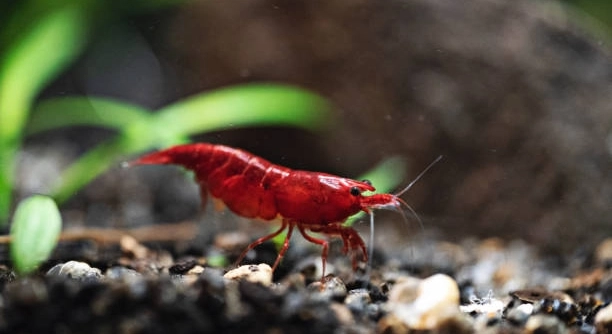
Do you enjoy keeping a peaceful aquarium but worry about how your cherry shrimp will interact with other tank inhabitants? Cherry shrimp are small, delicate, and can be sensitive to the behavior of other fish or creatures living in the same space.
Cherry shrimp generally coexist peacefully with many bottom feeders, including small, non-aggressive species. Aggressive or large bottom dwellers can stress or harm shrimp, while calm species allow shrimp to forage and swim without conflict, promoting a stable and healthy tank environment.
Learning which species complement each other can greatly improve your aquarium’s balance. Understanding interactions helps maintain harmony and ensures all tank inhabitants thrive together.
Choosing Compatible Bottom Feeders
When selecting bottom feeders for a tank with cherry shrimp, it is important to prioritize species that are small, calm, and non-aggressive. Shrimp are delicate and can easily be stressed or injured by larger, territorial fish. Popular compatible choices include small snails, corydoras catfish, and otocinclus. These species spend most of their time scavenging along the tank bottom without bothering the shrimp, allowing them to forage freely. It is also important to provide plenty of hiding spots, such as plants, moss, or decorative caves. These areas allow shrimp to retreat if they feel threatened, which reduces stress and promotes healthier behavior. Avoid mixing aggressive or predatory bottom dwellers, as they can harm or kill shrimp, especially during molting when their exoskeletons are soft. Observing interactions during the first few weeks can help determine if the species coexist peacefully. A carefully planned combination leads to a stable, harmonious aquarium.
Providing hiding places and observing interactions ensures shrimp remain safe and stress-free while cohabiting with compatible species.
Monitoring water conditions is equally crucial. Cherry shrimp and many bottom feeders require clean, well-oxygenated water. Regular water changes and consistent temperature control support the health of both shrimp and fish. Keeping an eye on feeding habits helps prevent competition, ensuring that shrimp receive sufficient nutrition without being outcompeted. Overcrowding should be avoided, as it increases stress levels and can lead to disease outbreaks. Lighting should also be balanced; too bright can expose shrimp and make them hide excessively, while dim lighting can encourage natural foraging behaviors. Maintaining the right balance of plant life, substrate, and décor creates an environment where shrimp feel secure and bottom feeders can thrive. Attention to these details reduces conflict, encourages natural behavior, and promotes long-term aquarium stability.
Observing Behavior and Adjusting
Shrimp and bottom feeders may show subtle signs of stress that are easy to overlook.
Careful observation of behavior is essential to ensure compatibility. Watch for aggression, hiding patterns, or signs of illness. If a bottom feeder shows dominant or territorial behavior, consider separating species or adjusting the environment. Small changes, such as adding extra hiding spaces or altering feeding schedules, can significantly improve coexistence. Temperature and water quality should be consistently monitored, as fluctuations can cause stress in both shrimp and other bottom dwellers. Introducing new species gradually allows the tank to adjust without overwhelming the shrimp. Feeding strategies may also need adjustment; providing food in multiple locations ensures all inhabitants are nourished. Keeping a journal of behavior and interactions helps track patterns and informs future tank decisions. A well-planned, observed aquarium reduces stress, encourages natural behaviors, and promotes a thriving, balanced ecosystem for all species involved.
Feeding Strategies for Shrimp and Bottom Feeders
Providing separate feeding zones helps reduce competition between cherry shrimp and bottom feeders. Shrimp often graze on biofilm and algae, while bottom feeders consume sinking pellets or detritus. Ensuring both get appropriate food prevents stress and promotes growth.
Scheduling feedings at different times can help shrimp access food without interference from more aggressive bottom feeders. Using a variety of foods, such as algae wafers, blanched vegetables, and high-quality shrimp pellets, ensures that each species receives proper nutrition. Observation during feeding times is key. If shrimp are consistently pushed away, adjusting feeding locations or amounts helps maintain balance. This approach reduces territorial disputes and supports healthier, more active shrimp. Proper feeding strategies also minimize waste buildup, keeping water quality stable.
Hiding food in different areas encourages natural foraging behavior for both shrimp and bottom feeders. Small caves, plants, or moss mats work well. This method allows shy shrimp to feed safely while bottom dwellers forage freely. By distributing food thoughtfully, everyone in the tank gets access without creating competition. Regularly changing feeding locations prevents bottom feeders from dominating certain areas, giving shrimp more opportunities to graze naturally. Over time, shrimp become more confident, and the tank environment remains calm and balanced.
Tank Maintenance and Water Quality
Maintaining stable water conditions is critical for shrimp and bottom feeders. Regular water changes, testing parameters, and avoiding sudden fluctuations prevent stress and illness.
Water temperature, pH, and hardness should remain consistent for both species. Cherry shrimp are sensitive to changes and can react poorly to sudden shifts, while bottom feeders also thrive in stable environments. Filtration should provide gentle circulation without strong currents that might disturb shrimp. Removing uneaten food and debris prevents ammonia buildup and supports a cleaner tank. Substrates should be compatible with both species, allowing bottom feeders to forage naturally while protecting delicate shrimp from injury. Regular observation helps detect early signs of stress, disease, or water issues. Maintaining optimal water quality reduces conflicts and supports long-term health.
Plants and decorations not only provide hiding spots but also contribute to water stability. Live plants absorb excess nutrients, reduce algae growth, and offer natural surfaces for biofilm, benefiting shrimp. Combining dense planting with open areas allows bottom feeders to move freely while shrimp explore and graze safely. Avoid overcrowding, as it strains filtration and increases stress. Routine cleaning of substrates and surfaces prevents debris accumulation, while gentle aeration maintains oxygen levels. A well-maintained tank creates a balanced ecosystem where shrimp and bottom feeders coexist peacefully, enhancing activity and overall tank harmony.
Common Bottom Feeders That Work Well
Corydoras catfish are small, peaceful, and rarely bother shrimp. Otocinclus are gentle algae eaters that coexist safely. Snails, such as nerites or mystery snails, clean surfaces without posing a threat, making them ideal companions for cherry shrimp.
Kuhli loaches can also work if the tank is spacious. They are generally non-aggressive and spend most of their time hidden, reducing encounters with shrimp. Avoid larger loaches or aggressive species, as they can harm or stress shrimp. Choosing calm, compatible bottom feeders ensures a peaceful environment and encourages natural behavior for all tank inhabitants.
Species to Avoid
Large or aggressive bottom dwellers often threaten shrimp. Loaches, large catfish, and crayfish are common examples that can harm or eat them.
Adjusting Tank Setup
Providing dense plants, moss, and hiding spots allows shrimp to escape if needed. Open swimming areas benefit bottom feeders and reduce conflicts.
Monitoring Long-Term Health
Regularly check for molting issues, stress, or signs of disease. Maintaining clean water and proper diet ensures shrimp and bottom feeders remain healthy.
FAQ
Do cherry shrimp ever fight with bottom feeders?
Cherry shrimp are naturally peaceful and generally avoid confrontation. Conflicts usually occur if bottom feeders are aggressive, overly large, or territorial. Providing sufficient hiding spots, plants, and visual barriers reduces potential stress. Shy shrimp benefit from moss mats and caves, giving them space to retreat while bottom feeders forage nearby. Observing the tank regularly helps detect early signs of stress or aggression and allows adjustments before serious issues arise.
Can cherry shrimp live with corydoras catfish?
Corydoras catfish are calm and spend most of their time scavenging the bottom. They do not view shrimp as prey, making them ideal tank mates. Corydoras’ small size and gentle behavior allow shrimp to forage freely. Adding multiple corydoras ensures even distribution of food and reduces competition, supporting a stable, harmonious environment. Hiding spots remain important, especially during shrimp molting periods.
Will bottom feeders eat baby shrimp?
Some bottom dwellers may eat tiny, newly hatched shrimp. Avoid aggressive or predatory species in shrimp tanks to protect juveniles. Providing dense plants, moss, or decorative caves creates safe spaces for baby shrimp to grow. Breeding shrimp in tanks with peaceful bottom feeders increases survival rates. Regular feeding and observation also help minimize predation risks, ensuring the shrimp population remains healthy.
What foods work best for shrimp and bottom feeders together?
Shrimp benefit from algae, biofilm, and small pellets, while bottom feeders often prefer sinking wafers or detritus. Feeding in multiple locations reduces competition and ensures all species receive nutrition. Blanched vegetables like zucchini or spinach work for both shrimp and herbivorous bottom feeders. Rotating foods supports balanced nutrition and encourages natural foraging behavior, keeping both shrimp and bottom dwellers active and healthy.
How often should I feed my tank?
Feeding once or twice a day is sufficient for shrimp and most bottom feeders. Avoid overfeeding, as leftover food can pollute water and stress inhabitants. Small, controlled portions encourage natural grazing behavior. Observing how quickly food is consumed helps adjust amounts. Consistency in feeding times helps shrimp establish safe foraging routines without competition from more active bottom dwellers.
Do shrimp need hiding places if my bottom feeders are peaceful?
Yes, even peaceful bottom feeders can inadvertently stress shrimp, especially during molting. Providing moss, plants, or small caves gives shrimp secure spaces. Hiding places encourage natural behavior, reduce stress, and improve molting success. Shrimp use these areas for resting or grazing safely, while bottom feeders continue their routine without causing disruption.
How can I tell if my shrimp are stressed?
Signs of stress include hiding excessively, refusing food, or showing unusual swimming patterns. Molting problems or faded coloration can also indicate stress. Checking water quality, feeding schedules, and tank layout can help identify the cause. Prompt adjustments, like adding hiding spots or improving water conditions, help shrimp recover and coexist safely with bottom feeders.
Are snails safe with cherry shrimp?
Most small snails, such as nerites or mystery snails, are completely safe with cherry shrimp. They do not compete aggressively for food and help clean the tank naturally. Snails add minimal stress while contributing to the ecosystem by eating leftover food and algae, complementing the tank environment for both shrimp and other peaceful bottom dwellers.
Can I mix multiple bottom feeder species with shrimp?
Yes, as long as all species are calm and non-aggressive. Combining corydoras, otocinclus, and small snails can create a balanced environment. Ensure enough hiding spaces, even food distribution, and appropriate tank size. Careful selection and monitoring reduce stress and prevent accidental predation on shrimp. A mix of compatible species can enrich the tank ecosystem and encourage natural behaviors.
What is the best tank size for shrimp and bottom feeders?
A larger tank is generally better, providing space for hiding, grazing, and free swimming. Shrimp thrive when they have multiple retreats, and bottom feeders require open areas to forage. At least 10–15 gallons is recommended for small shrimp and peaceful bottom feeders, but more space is ideal for multiple species. Adequate space minimizes stress and ensures all tank inhabitants can thrive.
Can aggressive bottom feeders ever be safe with shrimp?
Aggressive or territorial bottom feeders are generally not safe with cherry shrimp. Even if fed regularly, these species may harm shrimp during foraging or molting. Avoid introducing aggressive fish like large loaches or crayfish. Maintaining a peaceful, well-planned community tank ensures shrimp survival and reduces conflicts, allowing both shrimp and bottom feeders to coexist safely.
How do I handle molting periods with bottom feeders?
Molting is when shrimp are most vulnerable. Providing dense plants, moss, or caves is essential. If bottom feeders are curious or aggressive, temporary separation may be necessary. Ensuring proper nutrition and stable water conditions supports successful molting. Observing molting behavior helps you respond quickly to potential threats.
Can cherry shrimp and bottom feeders coexist long-term?
Yes, with careful planning. Choosing peaceful species, maintaining water quality, providing hiding spots, and ensuring proper feeding creates a stable environment. Regular observation allows early intervention if stress or conflict arises. Over time, shrimp and compatible bottom feeders can coexist peacefully, with each species thriving naturally in a balanced aquarium ecosystem.
Are there special considerations for breeding shrimp with bottom feeders?
Breeding requires extra precautions. Dense planting and safe zones help protect juveniles. Peaceful bottom feeders that do not prey on shrimp eggs or babies are necessary. Frequent water checks and careful feeding reduce stress, ensuring higher survival rates. Proper planning allows successful shrimp breeding even in a community tank.
How do I maintain cleanliness without stressing shrimp?
Gentle cleaning, avoiding strong currents, and siphoning debris carefully prevent stress. Removing uneaten food and waste regularly helps maintain water quality. Using fine substrate sifters or cleaning only parts of the tank at a time minimizes disruption, allowing shrimp and bottom feeders to continue their routines safely while keeping the aquarium healthy.
Final Thoughts
Cherry shrimp are delicate, peaceful creatures that thrive in calm, stable environments. When paired with bottom feeders, the key is to focus on compatibility. Small, non-aggressive species like corydoras, otocinclus, and peaceful snails are ideal companions. They occupy the tank bottom without threatening shrimp, allowing them to forage and move freely. Avoiding aggressive or large species is essential, as these can stress or even harm shrimp. Careful selection of tank mates ensures a peaceful environment and reduces conflicts. Observing interactions during the first weeks of cohabitation helps identify potential issues early and allows for adjustments. A well-planned combination of compatible species leads to a harmonious, balanced aquarium where shrimp can thrive alongside bottom feeders.
Tank setup and maintenance play a significant role in the overall success of shrimp and bottom feeder cohabitation. Providing dense plants, moss, and hiding spots gives shrimp security, particularly during molting periods when they are vulnerable. Open swimming areas for bottom feeders reduce territorial disputes and encourage natural behaviors. Regular water changes, consistent temperature control, and monitoring pH and hardness support the health of all inhabitants. Feeding strategies should account for both species’ needs, with food placed in multiple areas to prevent competition. Using a variety of foods, including pellets, blanched vegetables, and algae wafers, ensures proper nutrition. Maintaining cleanliness without causing stress is also important; gentle siphoning and careful debris removal help prevent water quality issues while protecting shrimp. Over time, a stable, well-maintained tank encourages activity, reduces stress, and promotes long-term health for both shrimp and bottom dwellers.
Monitoring behavior and responding to signs of stress or aggression is essential for a thriving aquarium. Shy or molting shrimp should have access to safe zones, and aggressive interactions from bottom feeders must be addressed promptly. Gradual introductions of new species, careful observation, and minor adjustments in feeding or tank layout can prevent serious problems. Breeding shrimp in a community tank requires extra attention, with dense planting and protected areas for juveniles. Over time, proper planning, consistent care, and attention to environmental conditions allow shrimp and bottom feeders to coexist peacefully. By maintaining stable water conditions, providing hiding spaces, and choosing compatible species, a healthy and balanced ecosystem can be achieved, offering both visual enjoyment and a thriving, harmonious habitat for all aquarium inhabitants.

Hello,
If you enjoy the content that we create, please consider saying a "Thank You!" by leaving a tip.
Every little bit helps us continue crafting quality advice that supports the health, happiness, and well-being of pets around the world, for pets of all shapes, sizes, and species.
We really appreciate the kindness and support that you show us!