
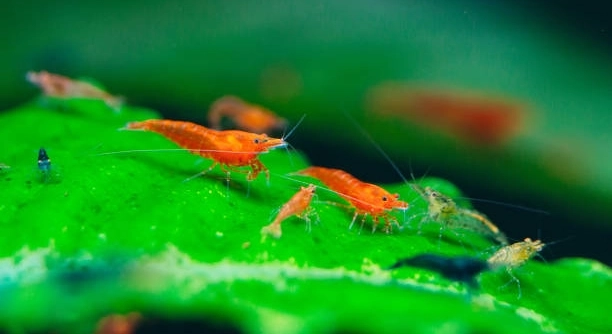
Have you ever noticed your shrimp moving in ways that seem unusual or awkward? Sometimes they float upside down, curl tightly, or cling to surfaces in positions that look odd to us. These movements are surprisingly common.
Shrimp exhibit a variety of positions that are completely normal due to their anatomy, instincts, and natural behaviors. These positions include curling, hovering, clinging, or swimming in unusual orientations, all of which support feeding, protection, and navigation in their environments.
Observing these positions more closely can help you understand shrimp behavior and appreciate their unique, natural movements in an aquarium or the wild.
Upside-Down Floating
Sometimes I notice my shrimp floating upside down near the water surface. At first, it looks worrisome, but it’s actually a normal behavior. Shrimp often flip their bodies to better reach food particles or to clean their undersides. This position allows them to use their legs and antennae more effectively. In aquariums, this can happen near filters or gentle currents where the water movement helps them stay balanced. Wild shrimp also exhibit this behavior when feeding on algae or detritus under floating plants. Their flexible exoskeletons make this possible without harm. I’ve learned that if a shrimp stays upside down for a long period but still moves its legs and responds to the environment, there is usually nothing wrong. Observing the timing and frequency helps me understand their habits better.
Upside-down floating is typically temporary and harmless. It helps shrimp access food and navigate tight spaces.
Paying attention to these moments provides insight into shrimp activity, showing their adaptability and natural instincts in various environments.
Curled and Compact
Shrimp often curl tightly, especially when resting or feeling slightly stressed. This compact posture reduces exposure to potential threats and keeps their delicate appendages protected. In aquariums, this behavior is common when shrimp move slowly across substrate or hide among decorations. Their curled bodies allow them to slip into narrow crevices or cling to surfaces securely. Watching this behavior closely reveals how shrimp use posture for comfort and survival. Curled shrimp are usually healthy, alert, and responsive, even if they appear inactive.
Curling is a normal, protective stance for shrimp, helping them conserve energy and avoid harm.
I’ve noticed that shrimp curl more during molting periods or when adjusting to new environments. This posture also helps them maneuver around obstacles, such as plant stems or rocks, while keeping their antennae extended for sensing food or nearby movement. Observing the curls shows how body flexibility and instinct work together, ensuring safety and efficient movement in confined spaces. Over time, these small behaviors become predictable, allowing me to better understand each shrimp’s individual habits and patterns.
Clinging to Surfaces
Shrimp often cling to tank walls, rocks, or plants. They use their tiny legs and claws to hold on tightly, especially near currents or when feeding. This behavior is completely normal and shows their natural ability to stabilize themselves.
I’ve noticed my shrimp cling when exploring vertical surfaces or grazing on algae. Their legs and tiny gripping appendages let them stay in one spot without struggling. This also prevents them from being swept away by water movement. Clinging helps them feed efficiently, maintain balance, and rest safely. Even when other shrimp swim around, clinging individuals remain steady, making it easier to observe subtle behaviors.
Clinging also supports social interactions and environmental awareness. When shrimp hold onto surfaces, they can communicate through subtle movements or respond quickly to nearby changes. This position allows them to conserve energy while staying alert. In aquariums, clinging is often paired with slow antennae movements as they explore surroundings, check for food, or signal other shrimp. Watching them grip surfaces closely shows how these behaviors are integral to their daily activity.
Hovering Midwater
Hovering in the middle of the tank is a normal shrimp activity. It helps them survey surroundings and position for feeding without resting on surfaces.
Hovering allows shrimp to balance their bodies and adjust quickly to water currents. They use subtle leg and tail movements to stay in place while sensing the environment. In my tank, I see them float midwater near plants or filter outlets, often pausing to inspect drifting particles. This position is essential for feeding on suspended matter or escaping sudden disturbances. Hovering also aids in navigation between hiding spots and open areas, giving shrimp flexibility to move safely.
Hovering provides energy-efficient mobility. Shrimp can reach food, avoid threats, and maintain social interactions while staying suspended. Midwater hovering shows their ability to combine balance, perception, and movement. Observing this reveals how shrimp adapt to water flow, light, and space, making their behavior practical and effective. In aquariums, hovering often precedes swimming bursts or gentle glides, highlighting their constant environmental engagement and alertness.
Resting on Their Side
Shrimp sometimes rest on their sides while staying alert. This position helps them conserve energy while remaining ready to move if needed.
I’ve seen my shrimp lie sideways on soft substrate or plant leaves. It looks odd but is completely normal, especially after activity or feeding.
Antennae Spread Wide
Shrimp often keep their antennae spread wide to sense their environment. This behavior improves their ability to detect food, obstacles, or other shrimp nearby, helping them navigate safely.
Swimming Backwards
Shrimp use their powerful tails to swim backwards quickly. This is a natural escape response, allowing them to avoid potential threats or sudden disturbances.
Hiding in Crevices
Shrimp regularly hide in small crevices or between decorations. This behavior provides safety, reduces stress, and allows them to rest while remaining partially concealed.
Why does my shrimp float upside down sometimes?
Floating upside down is normal for shrimp and often happens when they are feeding or cleaning their undersides. Their flexible bodies allow them to flip without harm. In my tank, I see this more near filters or gentle currents, where floating makes it easier to stay balanced while picking at food particles or algae. Shrimp may also float upside down briefly when moving between surfaces, as it helps them reach hard-to-access areas. As long as they respond to stimuli, move their legs, and return to normal positions, there is no need for concern.
Is it normal for shrimp to curl tightly?
Yes, curling is a natural behavior. Shrimp curl their bodies when resting, feeling slightly stressed, or moving through tight spaces. In my observation, they often curl when navigating plants or rocks, using the posture to protect delicate appendages. Curling also helps them conserve energy and maintain a low profile, reducing exposure to potential threats. This behavior becomes especially noticeable during molting periods, when they need extra protection while their new exoskeleton hardens. Curled shrimp remain alert and active, so this is simply part of their natural instinct and movement patterns.
Why do shrimp cling to surfaces?
Clinging is an essential behavior for shrimp. They use their legs and tiny claws to hold onto tank walls, plants, or rocks, which helps them remain stable in currents or while feeding. In my experience, clinging allows shrimp to stay in one place without exerting much energy, giving them a chance to observe surroundings or interact with other shrimp safely. Clinging also enables them to navigate vertical spaces and avoid being swept away by water movement. This behavior shows their adaptability and how they use their body structure for balance and control in different environments.
Do shrimp hover in the water column often?
Yes, hovering midwater is common. Shrimp use this position to survey surroundings, reach food, and stay ready to react to changes in their environment. I notice mine hovering near plants or filter outlets, moving gently to stay in place while sensing water flow and nearby particles. Hovering helps them conserve energy compared to constant swimming, while still allowing easy movement to hiding spots or feeding areas. This position also supports social interaction, as shrimp can detect each other’s presence while remaining suspended. Hovering is a natural, energy-efficient way to maintain awareness and mobility.
Why do shrimp sometimes rest on their side?
Resting on their side is a normal energy-saving posture. Shrimp may lie sideways on substrate or leaves after activity or feeding. I often see this after a shrimp has been exploring or grazing for a while. Despite the odd appearance, they remain alert and responsive. Side resting allows them to recover without fully hiding, conserving energy while staying aware of nearby movement. It is a temporary behavior and usually lasts only until the shrimp resumes active movement or feeding.
Is it normal for shrimp to spread their antennae wide?
Yes, wide antennae are a key part of their sensory system. Shrimp extend their antennae to detect food, obstacles, and other shrimp nearby. In my tank, I watch them sweep their antennae slowly across the water and surfaces, picking up signals about their environment. This behavior supports navigation, feeding, and social awareness, making it essential for their daily activity. Wide antennae indicate that the shrimp is actively exploring and monitoring its surroundings, which is a positive sign of health and alertness.
Why do shrimp swim backwards suddenly?
Swimming backward is an instinctive escape response. Shrimp use their tails to push off quickly from surfaces when startled or sensing potential danger. In my observation, even small disturbances in the tank can trigger rapid backward movement. This behavior is critical for avoiding predators and navigating away from threats. Backward swimming is controlled and precise, showing how their body structure supports sudden bursts of movement while maintaining balance and agility.
Why do shrimp hide in crevices?
Hiding in small spaces is natural and provides safety. Shrimp use crevices between rocks, plants, or decorations to reduce stress and rest while remaining partially concealed. I often notice them retreating to these spots after activity, feeding, or molting. Hiding is also a way to monitor surroundings without being fully exposed, which increases their confidence and sense of security. Providing adequate hiding places in a tank supports their natural instincts, helping them feel safe and remain healthy.
Do shrimp positions indicate health?
Yes, observing shrimp positions can provide clues about their well-being. Normal behaviors like curling, clinging, hovering, and resting on their side generally indicate healthy, active shrimp. In my experience, unusual inactivity, prolonged upside-down floating without leg movement, or failure to hide when disturbed may signal stress or illness. Paying attention to how and when shrimp adopt certain positions helps track health and detect early signs of problems, allowing adjustments to water conditions, diet, or tank setup to maintain their comfort and safety.
How often do shrimp change positions?
Shrimp change positions constantly based on feeding, resting, and environmental conditions. I see them shift from clinging to hovering, curling to sideways resting, depending on the situation. These frequent movements reflect adaptability, energy management, and environmental awareness. Observing these transitions over time helps me understand their routines and ensures the tank environment supports natural behavior. Position changes are normal and indicate healthy, active shrimp.
Observing shrimp can be surprisingly rewarding. Their movements may seem strange at first, but most of these positions are completely normal. Floating upside down, curling tightly, or resting on their sides are natural behaviors that help shrimp feed, protect themselves, and navigate their environment. In aquariums, these behaviors can be more noticeable because we see them up close. Each shrimp has its own way of moving, and the small differences in posture and position can reveal a lot about their comfort level and health. Over time, I have learned to recognize which positions indicate normal activity and which might signal stress, giving me confidence in caring for them properly.
Shrimp positions are closely tied to their natural instincts and physical structure. Their flexible exoskeletons allow them to curl, cling, or hover without injury. The spread of their antennae, the use of their legs to grip surfaces, and even sudden backward swimming all serve practical purposes. In my experience, providing an environment with plants, rocks, and gentle currents encourages these natural behaviors, making the shrimp more active and engaged. Watching them move in unusual ways is not a sign of a problem but a reflection of how their bodies are designed to interact with water, gravity, and each other. Recognizing these behaviors makes caring for shrimp less stressful and more enjoyable because it becomes clear that what looks odd is often simply part of their normal daily life.
Paying attention to shrimp behavior can improve their overall well-being. Positions like curling, hovering, or hiding are not only natural but necessary for survival and comfort. By observing these behaviors carefully, I have learned when shrimp are feeding, resting, or molting. Providing appropriate hiding spaces, clean water, and stable conditions helps maintain these behaviors and prevents unnecessary stress. Understanding shrimp positions also helps when monitoring their health. Any significant deviation from usual patterns can indicate a problem, but most unusual positions are harmless. Over time, observing these small movements becomes a way to connect with the shrimp on their level, appreciating how they move, respond, and interact with their surroundings in ways that are completely normal for them.

Hello,
If you enjoy the content that we create, please consider saying a "Thank You!" by leaving a tip.
Every little bit helps us continue crafting quality advice that supports the health, happiness, and well-being of pets around the world, for pets of all shapes, sizes, and species.
We really appreciate the kindness and support that you show us!