
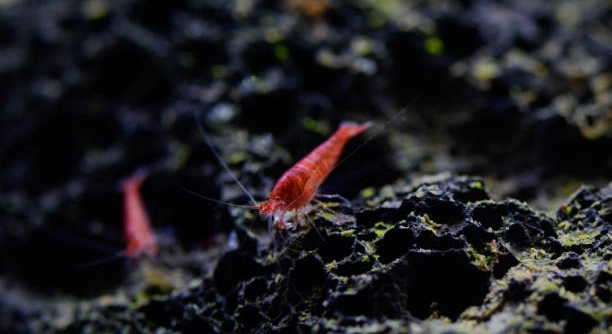
Cherry shrimp are small, vibrant creatures that often capture attention in freshwater aquariums. Their active movements and bright colors make them enjoyable to watch, and many aquarists notice their behavior changes around feeding times.
Cherry shrimp can exhibit anticipatory behavior before feeding, responding to environmental cues such as light changes, movement near the tank, or routine feeding schedules. This behavior suggests a conditioned response rather than true prediction of feeding times.
Observing these subtle behaviors can enhance your enjoyment of keeping shrimp and deepen your understanding of their daily routines.
Understanding Cherry Shrimp Behavior
Cherry shrimp are naturally alert and responsive to their surroundings. They explore their environment constantly, grazing on algae and tiny debris, and moving along the plants and substrate. Their daily activity is influenced by light, water quality, and temperature. Over time, they can become accustomed to a feeding schedule, noticing the presence of food or movement near the tank. This behavior is often more noticeable in groups, as they tend to cluster when feeding is expected. Observing their antennae and swimming patterns can indicate when they are anticipating food. While it may seem like they can predict feeding times, it is mostly conditioned behavior based on repeated environmental cues and consistency in routine. Understanding these patterns can make tank care more predictable and enjoyable, and it allows you to respond to their needs more effectively without disrupting the ecosystem within the tank.
Regular observation helps maintain a balanced tank ecosystem. Predictable behavior can improve feeding efficiency.
Recognizing subtle cues like antennae twitching or clustering at specific areas can guide feeding practices. Maintaining consistent schedules reinforces their behavioral patterns, while avoiding sudden changes in lighting or tank movement prevents unnecessary stress. Feeding at roughly the same times each day conditions the shrimp to anticipate food, which is useful for monitoring their health. It also helps prevent overfeeding, which can affect water quality and shrimp wellbeing. By paying attention to these details, caretakers can foster a stable environment that supports shrimp activity and growth while reducing stress and promoting natural behaviors. Observing these signals makes daily interactions more engaging and allows for small adjustments that improve overall care.
Environmental Factors Affecting Anticipation
Water temperature, lighting, and tank layout can influence shrimp behavior. Consistency in these factors supports their routine and responsiveness.
Proper lighting, stable water parameters, and a well-structured tank contribute to predictable shrimp movements. Maintaining appropriate temperature, pH, and hiding spaces ensures that shrimp remain active and healthy. Tankmates and decorations also play a role, as hiding spots reduce stress and allow natural behavior to occur. A predictable environment helps shrimp feel secure, which makes them more likely to display anticipatory behavior before feeding.
Monitoring environmental conditions closely allows for a deeper understanding of shrimp behavior and feeding patterns. Water changes, filtration, and temperature fluctuations directly affect their activity levels. When tanks are stable, shrimp respond more reliably to feeding cues, making care routines smoother and less stressful. Additionally, observing how shrimp interact with their habitat provides insight into their preferences and needs. Adjustments in lighting schedules or tank arrangement can enhance visibility of shrimp behavior, allowing caretakers to notice patterns in anticipation more clearly. Over time, these observations create a more informed and responsive approach to daily care, ensuring the shrimp remain healthy, active, and engaged with their surroundings.
Feeding Cues and Shrimp Responses
Cherry shrimp respond quickly to the sight and smell of food. They often gather near the feeding area and become more active, moving their antennae and legs in anticipation of eating. These cues trigger immediate reactions, showing their conditioned awareness.
Over time, shrimp learn to associate specific signals with feeding. Light changes, tapping near the tank, or movement around the water surface can prompt shrimp to move toward food sources. Their behavior becomes more predictable with consistent feeding schedules, and they often cluster in areas where they expect to find algae or prepared foods. Observing these reactions can help maintain a balanced feeding routine.
Behavioral responses vary with shrimp age and tank conditions. Younger shrimp may be less predictable, while older shrimp show consistent patterns. Group dynamics influence anticipation, as one shrimp noticing food can trigger a chain reaction. Environmental stability enhances these responses, making them easier to observe. Regular observation allows adjustments in feeding amounts, locations, and timing to ensure all shrimp access food while maintaining water quality.
Timing and Routine Importance
Consistency in feeding times strengthens shrimp behavior and anticipation patterns. Predictable routines reduce stress and support healthy activity levels in the tank.
Feeding at roughly the same times each day reinforces shrimp recognition of cues and helps maintain a stable environment. Shrimp quickly adjust to patterns, gathering near feeding areas even moments before food is added. Maintaining a regular schedule ensures all shrimp receive proper nutrition while preventing overfeeding and water quality issues. This predictability supports overall health, encourages natural behaviors, and allows caretakers to track shrimp growth and activity more effectively.
Signs of Anticipation
Cherry shrimp often gather near the feeding area before food is added. Their movements become faster, and antennae twitching increases, showing awareness of the routine and readiness to feed.
Some shrimp may swim along the tank edges or explore hiding spots briefly before returning to the expected feeding location. These subtle actions indicate their anticipation and familiarity with the schedule, reflecting conditioned responses to environmental cues.
Impact of Group Dynamics
Shrimp behavior is influenced by the presence of others. When one shrimp reacts to feeding, it can trigger nearby shrimp to move toward food, creating a chain reaction. Group behavior amplifies anticipatory actions, making them more noticeable and consistent, especially in larger tanks with multiple individuals.
Adjusting Feeding Schedules
Altering feeding times gradually can help shrimp adapt without causing stress. Consistency and small changes maintain their natural patterns while ensuring proper nutrition.
FAQ
Can cherry shrimp really predict feeding times?
Cherry shrimp do not predict feeding times in the way humans understand prediction. Their behavior is conditioned by consistent cues like light, movement near the tank, and regular feeding schedules. Over time, they respond to these cues with anticipatory activity, gathering in feeding areas before food is added.
Why do shrimp cluster near the food area before feeding?
Shrimp cluster near expected food sources because they associate certain environmental signals with feeding. This behavior is reinforced through repetition and routine. Observing clustering can help you monitor the health of your shrimp and adjust feeding amounts appropriately.
Does tank size affect anticipatory behavior?
Yes, tank size and layout influence shrimp responses. In smaller tanks, shrimp notice cues more easily and gather quickly. In larger tanks, movement toward food may be slower or more dispersed. Providing hiding spots and clear areas for feeding helps shrimp respond naturally.
How does the presence of other shrimp affect anticipation?
Group dynamics play a significant role. When one shrimp reacts to a feeding cue, others often follow. This chain reaction increases visibility of anticipatory behavior. Larger groups tend to show more predictable patterns, while single shrimp may display subtler responses.
Can feeding schedules improve shrimp behavior?
Maintaining consistent feeding times strengthens shrimp recognition of cues and reinforces routine behavior. Feeding at roughly the same times daily allows shrimp to anticipate food, reduces stress, and encourages natural activity patterns in the tank.
What cues do cherry shrimp rely on for anticipation?
Shrimp rely on environmental signals such as changes in light, water movement, sounds near the tank, and even vibrations from tapping. These cues, when paired with repeated feeding schedules, condition shrimp to respond before food appears.
Do younger shrimp behave differently than adults?
Yes, younger shrimp are often less consistent in showing anticipatory behavior. They explore more and may be distracted by tank activity. Adults typically display clearer and more predictable patterns, gathering near feeding areas when environmental cues are present.
How can I observe shrimp behavior effectively?
Observing shrimp behavior requires patience and a stable tank environment. Watching subtle movements like antennae twitching, swimming patterns, and clustering can indicate anticipation. Taking notes over several days helps track behavior and adjust care routines if needed.
Can shrimp anticipation be harmful?
Generally, anticipatory behavior is harmless and reflects healthy routine recognition. Overfeeding or sudden changes in schedule can stress shrimp and disrupt water quality, so observation and moderation are key to maintaining a healthy environment.
What adjustments improve shrimp response to feeding cues?
Consistency in light schedules, feeding times, and tank environment improves shrimp responsiveness. Avoid sudden changes in water temperature or tank setup. Providing predictable feeding signals ensures shrimp remain active, healthy, and better able to display natural behaviors.
Does diet affect shrimp anticipation?
Yes, diet quality influences energy levels and activity. Shrimp that are well-fed and receive a balanced diet show more noticeable anticipation behavior. Inadequate nutrition can reduce movement, make responses slower, and affect overall health.
How long does it take for shrimp to learn feeding patterns?
Shrimp typically adjust to consistent routines within several days to a few weeks. Repetition and environmental stability reinforce their conditioned responses, allowing them to display anticipatory behavior reliably. Patience is key when establishing feeding schedules.
Are some shrimp more responsive than others?
Individual differences exist. Some shrimp are naturally more active or bold, showing clear anticipatory behavior, while others are shy or less responsive. Tank layout, hiding spots, and social hierarchy influence which shrimp react first and how noticeable the behavior is.
What should I do if shrimp stop anticipating food?
If shrimp stop showing usual responses, check water quality, diet, and environmental conditions. Sudden changes, illness, or stress can alter behavior. Restoring stability, maintaining consistent feeding schedules, and monitoring tank conditions often brings normal patterns back.
Can anticipation indicate shrimp health?
Yes, active and responsive shrimp that show anticipatory behavior are generally healthy. Lethargy, lack of response, or unusual clustering may indicate stress, illness, or improper tank conditions that need attention.
How does lighting affect shrimp behavior?
Light changes act as strong cues for shrimp. Gradual, predictable light schedules help shrimp recognize feeding times and maintain regular activity. Sudden or inconsistent lighting can confuse shrimp and reduce the reliability of anticipatory behavior.
Are there ways to encourage better feeding behavior?
Providing clear feeding areas, maintaining routine schedules, and minimizing distractions encourages shrimp to respond more actively. Observing their movement and adjusting feeding strategies ensures all shrimp access food efficiently and remain healthy.
Does tank noise or vibration influence shrimp responses?
Yes, vibrations and sounds near the tank can trigger anticipatory behavior. Shrimp may associate gentle tapping, movement, or sound with feeding. Avoid excessive disturbances that could stress them, but minor cues can enhance their awareness of routine feeding.
How often should I feed cherry shrimp?
Feeding 1–2 times daily in small amounts is sufficient. Overfeeding can affect water quality, while consistent small feedings reinforce routine recognition and anticipatory behavior. Observing shrimp activity helps determine optimal feeding amounts and timing.
Can shrimp learn multiple feeding cues?
Shrimp can respond to several environmental cues if consistently paired with feeding. Light changes, movement near the tank, and subtle vibrations can all condition responses. Repetition and stability ensure shrimp recognize these signals reliably.
Do shrimp react differently to live vs. prepared foods?
Behavior can vary slightly. Shrimp often respond faster to live foods due to movement and scent, while prepared foods still trigger anticipatory responses when introduced consistently. Observing their reactions helps tailor feeding strategies to maintain active behavior.
Is it necessary to monitor individual shrimp behavior?
Yes, individual observation is useful for detecting health issues and understanding variations in anticipation. Some shrimp may eat less or react slower, and monitoring ensures proper nutrition and well-being for all tank inhabitants.
How can I prevent overfeeding while keeping shrimp active?
Offer small, measured portions and remove uneaten food promptly. Maintaining a predictable schedule encourages shrimp to anticipate feeding without causing water quality issues or stress. Regular observation ensures all shrimp participate in feeding.
Can anticipation behavior be used to time feedings efficiently?
Yes, observing when shrimp cluster and show increased activity can guide feeding times. Aligning feedings with these natural responses improves efficiency, reduces food waste, and reinforces routine behavior in the tank.
Do shrimp display anticipation at all times of day?
Anticipatory behavior is strongest when shrimp are naturally active, usually during daylight or their most active periods. Adjusting feeding schedules to match these periods enhances response and ensures consistent behavior without stressing the shrimp.
How do tank decorations affect shrimp anticipation?
Plants, rocks, and hiding spots can influence where shrimp gather before feeding. Clear paths and accessible feeding areas allow natural movement, while excessive clutter may slow their responses or hide subtle cues. Arranging the tank thoughtfully improves visibility and behavior observation.
Is it normal for some shrimp to ignore feeding cues?
Yes, individual shrimp may be shy, sick, or distracted. Variations in response are normal and usually do not indicate a problem if most shrimp show healthy activity. Monitoring overall behavior ensures tank balance and proper care.
Can shrimp learn to anticipate multiple feedings per day?
Yes, shrimp adapt to more than one feeding time when routines are consistent. Small, spaced feedings help reinforce recognition of multiple cues without causing stress or overfeeding. Observing their clustering patterns confirms effective adaptation.
How does water quality affect shrimp responses?
Poor water quality reduces activity and can suppress anticipatory behavior. Stable parameters, regular maintenance, and clean water support natural responses and overall health, making shrimp more active and responsive during feeding times.
What role does temperature play in shrimp anticipation?
Temperature influences metabolism and activity levels. Consistent, appropriate water temperatures encourage predictable behavior, while sudden changes can slow movement, reduce appetite, and disrupt conditioned responses to feeding cues.
Are there differences in anticipation between cherry shrimp colors or strains?
Color or strain may slightly affect visibility and individual behavior, but all generally respond to cues similarly. Activity levels, temperament, and group dynamics have a greater influence than coloration on anticipatory behavior.
Can shrimp anticipate feeding if I change the tank location?
Relocating the tank may temporarily disrupt learned behavior. Shrimp need time to adapt to new surroundings. Maintaining consistent cues and feeding schedules helps restore anticipatory patterns in a new environment.
Does feeding method impact anticipatory behavior?
Yes, sprinkling food on the surface or placing it in specific areas can influence how shrimp respond. Consistency in feeding technique reinforces recognition of cues and ensures all shrimp access food efficiently.
Can I use shrimp anticipation to monitor health over time?
Yes, observing changes in anticipatory behavior provides insight into health. Reduced activity, slower responses, or lack of clustering may indicate stress, illness, or environmental issues that need attention. Regular monitoring ensures a healthy tank and active shrimp.
Is it normal for shrimp to be more active before certain feedings?
Yes, shrimp may respond more strongly to larger or preferred feedings. Anticipatory behavior is influenced by prior experiences, food type, and timing, showing that shrimp learn to associate specific cues with favorable outcomes.
Can shrimp anticipate feeding in community tanks with other species?
They can, but behavior may be influenced by tankmates. Fast-moving fish or aggressive species may alter shrimp clustering patterns. Providing hiding spaces and consistent feeding areas helps shrimp maintain natural anticipatory behavior.
Do shrimp show anticipation if feeding is irregular?
Irregular feeding reduces predictable behavior. Shrimp rely on consistent cues, so erratic schedules may prevent them from recognizing patterns and displaying anticipatory clustering. Regular timing is essential for reliable responses.
How do I know if shrimp anticipation is healthy or stressed behavior?
Healthy anticipation involves active, calm movement toward feeding areas. Stressed behavior appears frantic, erratic, or excessive hiding. Observing overall activity, water quality, and interactions with tankmates helps distinguish between healthy and stressed responses.
Can shrimp anticipate feeding after a long absence?
Yes, shrimp may resume anticipatory behavior quickly after short breaks if environmental cues remain consistent. Long interruptions may temporarily reduce response, but stable conditions and routine reintroduction help restore recognition.
Do shrimp anticipate feeding differently in planted vs. bare tanks?
Plants provide natural hiding and grazing areas, which can make anticipatory behavior more distributed. Bare tanks may show clustering more visibly. Both environments allow shrimp to respond, but planted tanks offer more natural movement and exploration opportunities.
How important is observation for managing shrimp anticipation?
Observation is key. Noticing subtle movements, clustering, and activity levels ensures proper feeding, environmental stability, and health monitoring. Consistent observation allows caretakers to adjust schedules, feeding amounts, and tank conditions effectively.
Can shrimp anticipate feeding when I change food types?
Shrimp may need a short adjustment period with new foods. Consistency in presentation and timing ensures anticipatory behavior continues. Observing their response confirms acceptance and adaptation to changes in diet.
Do shrimp remember past feeding times?
Yes, shrimp demonstrate short-term memory related to feeding routines. They respond to repeated cues and schedules, showing that conditioning influences their behavior more than long-term memory of exact times.
Are there ways to enhance shrimp anticipation naturally?
Providing stable environmental conditions, predictable feeding schedules, clear feeding areas, and minimal stress enhances natural responses. Observing and adjusting care practices ensures shrimp remain active, healthy, and responsive to feeding cues.
Does shrimp anticipation indicate intelligence?
Anticipatory behavior reflects learning and conditioning rather than advanced cognition. Shrimp adapt to consistent cues, demonstrating simple learning mechanisms and routine recognition rather than complex reasoning.
Can shrimp anticipate feeding if multiple feeders are involved?
Yes, but responses may vary depending on who feeds and the associated cues. Consistency in feeding location, method, and timing ensures shrimp respond reliably regardless of the person providing food.
Is it normal for shrimp to ignore cues occasionally?
Yes, occasional disregard for cues is normal due to distractions, molting, or minor stress. Monitoring patterns over time provides a better understanding than focusing on individual instances.
How can I track shrimp anticipation effectively?
Take notes or record behavior at feeding times. Track clustering, antennae movements, and active periods. Comparing observations over days or weeks helps detect trends, adjust feeding, and maintain healthy routines.
Does shrimp anticipation differ between day and night feeders?
Yes, activity levels vary based on natural rhythms. Some shrimp respond more during daylight hours, while others may show subtle anticipation at night. Aligning feeding with natural activity improves observable behavior and reduces stress.
What is the best way to encourage consistent anticipation?
Maintain predictable feeding times, stable water conditions, and clear environmental cues. Gradual adjustments, consistent presentation of food, and monitoring of shrimp behavior foster reliable anticipatory patterns over time.
Do all shrimp in a tank anticipate equally?
No, individual differences exist. Bold or active shrimp respond faster, while shy or young shrimp may react more slowly. Group dynamics and tank conditions influence the visibility and consistency of responses.
Can shrimp anticipate feeding without seeing the food?
Yes, shrimp rely on scent, vibrations, and prior cues. Visual contact is helpful but not required for anticipatory behavior when other environmental signals are consistent.
How long should anticipatory behavior last before feeding?
Typically, a few minutes to half an hour is normal. Excessive anticipation may indicate hunger, stress, or insufficient feeding, while very brief responses suggest less engagement or distractions.
Is anticipatory behavior more pronounced in certain strains?
Behavior varies more by age, temperament, and environmental factors than strain. While subtle differences exist, most cherry shrimp respond similarly to consistent feeding cues.
Do molting shrimp behave differently before feeding?
Yes, molting shrimp may hide or be less active. Anticipatory behavior decreases temporarily during this period as energy is focused on the molting process.
Can shrimp anticipate feeding during illness?
Ill shrimp often show reduced activity and may not gather near food. Observing decreased anticipatory behavior can indicate health issues requiring attention.
What role does water flow play in shrimp anticipation?
Water flow can distribute scent cues from food. Gentle, consistent flow helps shrimp detect feeding signals, while strong currents may disperse food or stress shrimp, reducing anticipation.
Are there specific signs to watch for in anticipation?
Key signs include clustering near food areas, rapid antennae movement, increased swimming, and subtle vibrations of legs. These indicate recognition of feeding cues and readiness to eat.
Can shrimp anticipate feeding if the tank is noisy?
Minor noise may act as a cue, but excessive disturbances can stress shrimp and reduce predictable responses. Calm, consistent environments yield more reliable anticipatory behavior.
Does anticipation decrease with age?
Older shrimp remain active if healthy, though very old or weak individuals may show slower responses. Maintaining diet, water quality, and routine ensures continued activity in aging shrimp.
How do tankmates influence anticipation?
Other species may compete for food or scare shrimp, altering behavior. Peaceful tankmates allow natural clustering and response to feeding cues without stress or interference.
Is anticipatory behavior useful for daily care?
Yes, it helps track shrimp health, ensures efficient feeding, and confirms environmental stability. Observing responses allows caretakers to make small adjustments for optimal care.
Can shrimp anticipate feeding during short absences of the owner?
Yes, shrimp respond to environmental cues regardless of human presence. Consistent schedules maintain behavior, even if feedings are automated or done by others temporarily.
Do shrimp anticipate feeding differently when food is hidden?
Shrimp may explore more and move around searching for hidden food. Consistent placement improves recognition and clustering behavior, reinforcing natural responses.
Are there signs that shrimp are overfed despite anticipation?
Yes, leftover food, reduced activity, or water quality issues indicate overfeeding. Observing shrimp behavior helps balance feeding amounts with anticipatory responses for healthy routines.
Does anticipation vary with seasonal changes?
Slight changes in temperature or daylight can influence activity levels. Maintaining stable conditions ensures predictable responses throughout the year.
How can I combine observation with automated feeding?
Automated feeders work if cues like light and food delivery are consistent. Observation ensures shrimp respond well and allows fine-tuning of feeding amounts and timing.
Are shrimp more responsive to certain food textures?
Yes, movement and scent attract attention. Live or small particulate foods trigger faster responses, while heavier pellets may elicit slower clustering. Adjusting food types maintains active behavior.
Can anticipation help in breeding shrimp?
Active, responsive shrimp indicate good health and readiness. Observing clustering and feeding behavior can identify the most active and healthy individuals for breeding programs.
Does molting frequency affect anticipation patterns?
Frequent molting temporarily reduces activity and responsiveness. Maintaining proper nutrition and stable conditions supports quick recovery and resumption of normal anticipatory behavior.
Is it normal for shrimp to react differently to morning vs. evening feedings?
Yes, natural activity cycles affect responsiveness. Feeding during active periods produces more noticeable anticipation and reduces stress compared to off-cycle feeding times.
Can shrimp recognize individual caretakers?
Shrimp primarily respond to environmental cues rather than individuals. They may react to subtle differences in handling or movement, but anticipation is driven by routine rather than personal recognition.
How does tank cleanliness influence anticipatory behavior?
Clean tanks support healthy activity. Debris buildup or poor water quality reduces movement, appetite, and responsiveness. Regular maintenance ensures shrimp remain active and show consistent anticipation before feeding.
Do shrimp show stronger anticipation when grouped by age or size?
Grouping by similar age or size can make responses more uniform. Mixed groups may show staggered reactions, as younger or smaller shrimp are less dominant or slower to cluster.
Can anticipation indicate tank balance?
Yes, active, responsive shrimp suggest a stable environment with proper nutrition, water quality, and minimal stress. Observing behavior over time helps maintain balance and detect potential issues early.
Does diet variety impact anticipatory behavior?
Varied diets keep shrimp engaged and responsive. Consistently providing different foods encourages active feeding and maintains predictable anticipatory responses without causing stress or confusion.
Are there common mistakes in interpreting shrimp anticipation?
Assuming prediction rather than conditioned behavior is a common misconception. Individual variations, environmental changes, and group dynamics must be considered to interpret responses accurately.
How long should I monitor shrimp behavior daily?
A few minutes each feeding time is sufficient to notice clustering, antennae movement, and activity. Regular, short observation periods are more effective than long, infrequent monitoring.
Can stress reduce anticipatory behavior?
Yes, stress from poor water quality, aggressive tankmates, or sudden changes can decrease activity and responsiveness. Maintaining stability supports natural anticipatory patterns.
Do shrimp respond to food scent even without visual cues?
Yes, smell and vibrations are strong indicators. Visual cues enhance response, but shrimp can cluster and react without seeing the food directly.
How important is routine for shrimp health?
Routine feeding, stable conditions, and consistent cues support both health and natural behavior. Predictability reinforces energy levels, reduces stress, and encourages active participation during feedings.
**Does shrimp size affect response
Cherry shrimp are small but fascinating creatures whose behaviors reveal a lot about their daily routines and environmental awareness. Watching them respond to cues before feeding shows their ability to recognize patterns and adapt to consistent schedules. While it may seem like they can predict feeding times, this behavior is actually a result of conditioning. They notice light changes, movement near the tank, and other environmental signals that indicate food is coming. Over time, these cues become reliable signals that shrimp respond to with increased activity, clustering near feeding areas, and subtle movements such as twitching antennae. Observing these behaviors not only provides enjoyment but also gives insight into the health and well-being of the shrimp. Their reactions are a direct reflection of the stability of their environment, the quality of care they receive, and the consistency of their daily routines. By paying attention to these small details, caretakers can maintain a balanced and stress-free environment for the shrimp, ensuring they remain active and healthy.
Maintaining a consistent feeding schedule is one of the most effective ways to support shrimp activity and natural behaviors. Cherry shrimp thrive in stable conditions, and predictability in their environment helps reinforce their natural routines. Small environmental factors, such as water temperature, lighting, tank layout, and the presence of other shrimp, influence how reliably they respond to cues. Over time, they learn to associate specific actions or signals with food, demonstrating simple learning and conditioning. Understanding these patterns allows caretakers to adjust feeding amounts, timing, and tank conditions to better match the shrimp’s needs. It also helps prevent common problems, such as overfeeding or uneven distribution of food, which can affect water quality and overall tank health. Observing shrimp behaviors, like clustering, antennae movement, and swimming patterns, provides valuable feedback about both their physical health and the effectiveness of the tank setup. This careful attention to routine and environmental stability ensures that shrimp remain active, stress-free, and able to display natural behaviors consistently.
Finally, cherry shrimp anticipation behavior highlights the connection between environmental consistency and animal response. Their small size and delicate nature make them sensitive to changes in lighting, water quality, and feeding patterns. Maintaining a calm, predictable environment encourages natural behaviors, which allows shrimp to thrive. Anticipatory behaviors are not just entertaining to watch—they provide useful indicators for caretakers to assess shrimp health, activity levels, and overall well-being. By creating stable conditions and observing their responses, caretakers can support proper feeding, minimize stress, and encourage active engagement with their surroundings. Over time, these observations allow for small adjustments in feeding schedules, tank maintenance, and environmental cues that improve the overall quality of care. Paying attention to the subtle signals shrimp give before feeding provides both practical benefits and a deeper appreciation for their behavior. By understanding and supporting these patterns, shrimp can live healthy, active lives, while caretakers gain confidence in maintaining a balanced and responsive aquarium environment.

Hello,
If you enjoy the content that we create, please consider saying a "Thank You!" by leaving a tip.
Every little bit helps us continue crafting quality advice that supports the health, happiness, and well-being of pets around the world, for pets of all shapes, sizes, and species.
We really appreciate the kindness and support that you show us!