
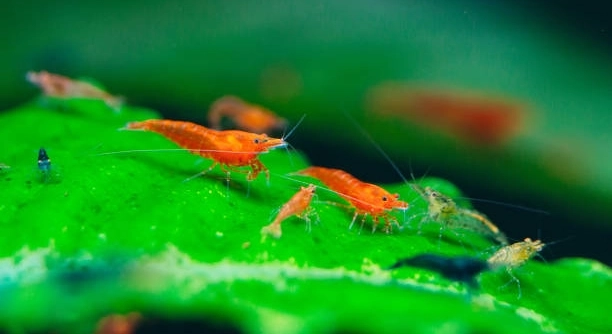
Keeping a shrimp colony can be a rewarding hobby, but it requires attention and care. Maintaining the right balance in your tank helps ensure healthy shrimp and a stable, thriving aquatic environment for everyone.
Maintaining a balanced shrimp colony involves monitoring water parameters, providing proper nutrition, controlling population density, and regularly cleaning the tank. Consistent care and observation help prevent stress, disease, and imbalances, promoting a healthy and sustainable shrimp community.
Following simple steps will make managing your colony easier and more enjoyable. Small adjustments in care can lead to long-term success for your shrimp.
Monitor Water Parameters Regularly
Keeping water conditions stable is the foundation of a healthy shrimp colony. pH, temperature, and ammonia levels need constant attention because shrimp are very sensitive to changes. I learned early on that even slight fluctuations can stress them, slowing growth or causing deaths. Using a reliable test kit and checking at least twice a week gives confidence that conditions are right. Maintaining temperature between 72–78°F and pH around 6.5–7.5 works well for most species. Hardness and nitrate levels also matter, as too high or too low numbers can affect molting and reproduction. Regular water changes, usually 10–20% weekly, keep parameters steady. Even if the tank looks clean, chemicals can build up over time, so consistent monitoring prevents surprises. Observing shrimp behavior alongside test results helps catch early signs of stress. Adjustments should be gradual to avoid shocking the colony. Patience and careful measurement are key to long-term balance in the tank.
Monitoring water is essential for shrimp health and prevents sudden losses due to poor conditions.
Keeping stable water parameters is not just about numbers. It creates an environment where shrimp can feed, grow, and reproduce naturally. Sudden changes in pH or temperature can trigger stress, affecting molting and breeding. Regular observation and small corrections prevent long-term problems and reduce the risk of disease. By combining weekly testing with minor water changes, I keep the colony thriving. Even experienced keepers sometimes overlook nitrate or hardness levels, but these factors are just as important as temperature. Shrimp show signs of stress subtly, like hiding or reduced activity, which reinforces the need for careful monitoring. A consistent routine of testing, minor adjustments, and watching shrimp behavior ensures a healthy tank ecosystem. Over time, this approach not only improves shrimp survival but also encourages stronger, more active colonies. Balance in water quality directly influences longevity, growth rates, and overall vitality of the shrimp.
Provide Proper Nutrition
Shrimp need a balanced diet to stay healthy and maintain color. Feeding high-quality flakes, algae wafers, and occasional vegetables works well. Overfeeding can cause water issues, so small portions are best. Observing what your shrimp eat helps adjust quantities properly.
A well-fed shrimp colony is less likely to show stress and disease.
Nutrition is more than just filling the tank. Shrimp require protein, fiber, and plant matter for molting, growth, and reproduction. Providing a variety of foods ensures all nutritional needs are met. I rotate between high-protein flakes, blanched vegetables like zucchini or spinach, and specialized shrimp pellets. Feeding every other day prevents leftover food from polluting the water. Watching how quickly the shrimp consume their meals gives clues about quantity adjustments. Some shrimp graze on biofilm naturally, but supplemental food keeps the colony healthy, especially in newer tanks. Proper feeding strengthens shells, encourages breeding, and maintains vibrant coloration. Combining careful portion control with varied food types ensures that each shrimp receives nutrients without overloading the tank. Even a small change in diet can impact shrimp activity and survival. Consistency in feeding habits directly supports the colony’s balance and overall well-being.
Control Population Density
Keeping the number of shrimp appropriate for the tank size prevents overcrowding. Too many shrimp can lead to stress, competition for food, and poor water quality. I found that spacing them out helps maintain health.
Overcrowding can reduce growth rates and increase aggression among shrimp. In a tank that is too full, leftover food decomposes faster, raising ammonia and nitrate levels. It becomes harder to monitor individual health or notice early signs of disease. Proper population control allows each shrimp to find hiding spots, feed adequately, and molt safely. I usually follow a simple rule: about one shrimp per two liters of water. If the colony grows too quickly, separating excess shrimp into another tank or reducing breeding can prevent issues. Balanced density keeps behavior normal, improves survival rates, and reduces stress across all shrimp. Observing how shrimp interact helps determine if adjustments are needed.
Maintaining the right population density also makes tank cleaning and monitoring easier. Shrimp move freely, food consumption is manageable, and water parameters stay more stable, all contributing to a healthier colony.
Maintain Regular Tank Cleaning
Debris and leftover food can quickly accumulate, affecting water quality. I clean the substrate gently and remove excess uneaten food to prevent problems.
A consistent cleaning schedule supports shrimp health by keeping ammonia and nitrate levels low. Vacuuming the substrate, trimming plants, and removing decaying matter reduces harmful buildup. I perform small water changes weekly while lightly stirring the substrate to release trapped waste. Over-cleaning can stress shrimp, so I avoid deep scrubbing or disturbing them excessively. Proper maintenance ensures clear water and encourages natural grazing behavior. Filter maintenance is equally important, as clogged filters reduce water flow and oxygen levels. Observing the tank during cleaning helps spot early signs of disease or stress. By keeping the environment clean without overhandling, shrimp remain active and reproduce more reliably.
Regular cleaning also helps maintain a visually pleasant tank and prevents algae overgrowth. Consistency makes the task easier and keeps the colony stable, reducing sudden issues that can harm shrimp health.
Provide Hiding Places
Shrimp need shelters to feel secure and reduce stress. I add plants, moss, and small decorations so they can hide during molting or when feeling threatened.
Hiding spots also help maintain a balanced colony. Shy or new shrimp can retreat safely, reducing competition and aggression while supporting natural behaviors.
Maintain Stable Temperature
Keeping the tank temperature consistent prevents stress and molting problems. I use a reliable heater and thermometer to monitor daily fluctuations. A stable 72–78°F helps shrimp stay active, eat well, and reproduce without interruption.
Avoid Overfeeding
Excess food leads to poor water quality and stress. I feed small portions that shrimp can finish within a few hours, removing leftovers promptly to prevent buildup.
How often should I test water parameters in my shrimp tank?
Testing water parameters should be done at least twice a week. I usually check pH, ammonia, nitrite, and nitrate levels regularly. Consistent testing helps catch issues early before they stress or harm the shrimp. Even small changes in water chemistry can affect molting, feeding, and reproduction.
What is the best diet for a balanced shrimp colony?
A varied diet works best. I feed high-quality shrimp flakes, algae wafers, and blanched vegetables like zucchini or spinach. Occasionally, small amounts of protein-based foods help support molting and growth. Rotating foods ensures shrimp get all essential nutrients. Avoid overfeeding, as leftover food can pollute the tank.
How many shrimp should I keep in a tank?
Population depends on tank size. I follow roughly one shrimp per two liters of water. Overcrowding increases competition for food, raises stress, and can cause poor water quality. Maintaining a balanced population also makes cleaning and monitoring easier. Observing shrimp behavior helps determine if adjustments are needed.
How do I know if my shrimp are stressed?
Shrimp show stress through hiding, reduced activity, or changes in color. Molting problems or slow feeding are also signs. I watch for sudden increases in mortality or unusual behavior. Stress often comes from poor water conditions, overcrowding, or temperature fluctuations. Early observation allows me to correct the issue before it worsens.
How often should I clean the tank?
Cleaning depends on the tank size and population, but I do small cleanings weekly. Removing debris, leftover food, and trimming plants keeps ammonia and nitrate low. I perform minor water changes during cleaning and avoid disturbing shrimp too much to prevent stress. Filter maintenance is also important.
Can I mix shrimp species in one tank?
Some species can cohabit, but compatibility matters. I usually avoid mixing aggressive or much larger species with smaller, delicate ones. Differences in water parameter requirements also need consideration. Observing interactions for a few weeks helps ensure there’s no bullying or stress.
What temperature is ideal for most shrimp?
A stable range of 72–78°F works well. I use a heater and thermometer to keep it consistent. Sudden changes can cause molting issues, slow growth, and reduce breeding activity. Even minor fluctuations can stress shrimp, so daily monitoring is helpful.
How can I prevent algae overgrowth?
Moderate lighting, proper feeding, and a few algae-eating species help control algae. I also clean decorations and plants gently to remove buildup. Avoid leaving uneaten food, which fuels algae growth. Regular water changes help maintain balance and reduce excess nutrients that encourage algae.
How do I handle molting problems?
Molting issues often come from poor water conditions or lack of minerals. I ensure calcium and magnesium levels are sufficient and keep water parameters stable. Providing hiding places allows shrimp to molt safely. Observing shrimp during molting helps catch problems early and prevent injury or death.
What should I do if shrimp start dying suddenly?
Sudden deaths usually indicate water quality issues, disease, or stress. I test all parameters immediately and check for leftover food or dead plants. Isolating sick shrimp, performing partial water changes, and observing the rest of the colony helps reduce further losses. Prevention with stable water and proper care is key.
Can shrimp reproduce in a small tank?
Yes, if water parameters are stable and the population is balanced. I keep a healthy diet, hiding places, and proper temperature. Monitoring population growth ensures overcrowding does not occur, which can cause stress and reduce survival rates for juveniles.
Is it necessary to use a filter?
Filters help maintain water quality and oxygen levels. I choose gentle filters to avoid sucking up small shrimp. Proper maintenance ensures flow remains consistent without stressing the colony. Filters also trap debris and reduce the frequency of full water changes.
How do I prevent disease in shrimp?
Stable water, proper nutrition, and avoiding overcrowding reduce disease risk. I quarantine new shrimp and inspect them for signs of illness. Removing sick or dead individuals quickly prevents spread. Keeping the tank clean and maintaining proper parameters is the most reliable prevention.
What is the best way to acclimate new shrimp?
Gradual acclimation prevents shock. I float the bag in the tank to equalize temperature, then slowly mix small amounts of tank water over 30–60 minutes. Sudden changes in water chemistry can stress or kill new shrimp, so patience is essential for a smooth transition.
How often should I change water?
Partial water changes of 10–20% weekly keep parameters stable. I avoid large or sudden changes, which can shock shrimp. Frequent small changes remove excess nutrients and waste, helping maintain a balanced environment without disturbing the colony.
Can shrimp live with fish?
Some small, peaceful fish are compatible, but many fish will eat shrimp. I usually keep shrimp in a species-only tank or carefully choose tank mates. Providing hiding places helps protect shrimp, especially juveniles, if fish are present. Monitoring interactions is important for safety.
How do I know if the tank is overcrowded?
Signs include aggression, slow growth, and leftover food not being eaten. I count shrimp and compare to tank size. Overcrowding affects water quality and stress levels. Reducing population or adding more space helps maintain balance.
Are live plants necessary?
Plants improve water quality, provide hiding spots, and support natural behaviors. I keep moss, ferns, or small aquatic plants. While not strictly necessary, plants make it easier to maintain a healthy, balanced colony and encourage breeding.
What should I do if water parameters fluctuate often?
Check heaters, filters, and test kits for accuracy. I adjust slowly and maintain a consistent schedule for cleaning and feeding. Sudden changes harm shrimp, so monitoring daily helps detect trends and stabilize conditions. Consistency is more important than perfection.
Can I use tap water for shrimp?
Tap water can be used if treated for chlorine and chloramine. I always dechlorinate and sometimes add minerals to match preferred parameters. Testing water after treatment ensures it’s safe before introducing shrimp. Regular testing prevents harmful surprises.
How do I deal with leftover food?
Remove uneaten food after a few hours to prevent decay. I feed small portions and watch consumption. Leftovers pollute water, cause algae, and stress shrimp. Proper feeding habits reduce waste and keep the tank clean.
What is the best way to handle shrimp during cleaning?
Minimal handling is safest. I move decorations gently and avoid touching shrimp. Using nets only when necessary prevents injury. Shrimp are delicate, so careful maintenance protects them while keeping the tank clean.
How do I encourage breeding?
Stable water, proper diet, and hiding places support reproduction. I ensure juveniles have space and adults are not stressed. Observing females with eggs indicates successful breeding. Consistency in care encourages natural reproduction over time.
How important is observation?
Daily observation helps catch stress, illness, or water issues early. I watch behavior, color, and feeding. Small changes often indicate larger problems. Regular attention ensures timely intervention and keeps the colony balanced.
How long do shrimp usually live?
Lifespan varies by species, typically 1–2 years for many freshwater shrimp. Proper care, stable water, and a healthy diet maximize longevity. I track survival and replace individuals gradually to maintain population balance.
Can I add decorations to improve shrimp health?
Decorations provide hiding places and surfaces for biofilm growth. I add rocks, driftwood, and plants carefully. They improve security, encourage natural behavior, and reduce stress, contributing to a balanced colony.
How do I prevent sudden die-offs?
Consistent water testing, feeding, and monitoring population are key. I avoid overcrowding, overfeeding, and sudden changes. Immediate attention to water quality and careful observation reduce risk. Prevention through steady care is more effective than reacting to problems.
How often should I check shrimp behavior?
Daily checks help identify stress or disease early. I watch feeding, molting, and activity patterns. Noticing subtle changes allows quick adjustments to water, population, or diet. Regular observation ensures the colony remains healthy and balanced.
Are some shrimp more sensitive than others?
Yes, species differ in temperature tolerance, water chemistry, and stress response. I research requirements before introducing new types and observe closely for signs of difficulty adjusting. Sensitive species need extra care for survival and growth.
What is the best substrate for shrimp?
Fine gravel or sand works well. I use substrates that don’t compact too tightly and allow biofilm growth. A suitable substrate supports natural grazing, molting, and contributes to water chemistry stability, benefiting overall health.
Can shrimp survive in unplanted tanks?
Yes, but they benefit from hiding spots and biofilm growth on surfaces. I use moss or decorations to mimic plants. Unplanted tanks require more careful monitoring of water quality and feeding.
How do I handle sick shrimp?
Isolate sick individuals immediately. I perform partial water changes and monitor the rest of the colony. Treatment depends on the issue, but prevention through stable water, diet, and population control is more effective than cure.
Can I keep shrimp with snails?
Yes, most snails are compatible. I avoid aggressive species. Snails help clean leftover food and algae, benefiting water quality. Observing interactions ensures shrimp remain safe and stress-free.
What lighting is best for shrimp?
Moderate lighting supports plant growth without encouraging algae overgrowth. I avoid bright or constant light. Shrimp are more active under soft lighting, and proper light cycles help maintain balance in the tank.
How do I prevent ammonia spikes?
Regular water testing, controlled feeding, and partial water changes reduce ammonia buildup. I monitor tank population and remove decaying matter promptly. Stable filtration and substrate maintenance also help prevent sudden spikes that stress shrimp.
Are shrimp sensitive to chemicals?
Yes, even small amounts of soap, fertilizer, or medications can harm them. I avoid chemicals near the tank and test water if unsure. Only aquarium-safe products are used to ensure safety.
How long should I wait to add new shrimp?
I wait at least 2–4 weeks after setting up a tank and stabilizing water. Quarantining new shrimp before introduction prevents disease and stress. Gradual additions help maintain balance and reduce risk.
How important is tank size?
Larger tanks are easier to maintain stable water and provide space for hiding and grazing. I find that even modest tanks work if population and care are managed properly. Bigger tanks reduce fluctuations and stress.
Can I breed shrimp without plants?
Yes, but providing moss or small hiding spots encourages higher survival of juveniles. I ensure food and water quality are optimal. Hiding places improve reproduction success and colony stability.
What should I do if shrimp are not eating?
Check water parameters, temperature, and stress factors. I try offering varied foods and observe behavior. Non-eating shrimp often indicate stress, molting, or illness. Quick intervention helps prevent decline.
Is aeration necessary for shrimp?
Moderate aeration helps oxygenate water, but strong currents can stress shrimp. I use gentle flow from filters or air stones. Proper oxygen levels support activity, feeding, and overall health.
How do I deal with algae growth on decorations?
Scrape gently or let shrimp graze. I maintain moderate lighting and avoid excess nutrients. Controlled algae provides natural food, but overgrowth signals imbalance that requires attention.
Can I keep different ages of shrimp together?
Yes, but juveniles need hiding places to survive. I watch for aggression from adults and ensure sufficient space. Mixed-age colonies reproduce naturally and maintain population balance.
How do I measure colony balance?
Observe feeding, molting, reproduction, and water parameters. I track population size and behavior. Balanced colonies show healthy growth, normal activity, and stable water conditions. Small adjustments maintain long-term equilibrium.
How do I handle sudden water parameter changes?
Correct slowly and carefully. I perform partial water changes or adjust heaters gradually. Sudden shifts stress shrimp and can cause molting problems or mortality. Patience is key.
Can I use RO water for shrimp?
Yes, but I remineralize it to provide calcium and magnesium. Pure RO water lacks necessary minerals, so adding trace elements ensures proper molting, growth, and reproduction.
How do I prevent stress during cleaning?
Move decorations gently, perform partial water changes, and avoid handling shrimp directly. I clean in small steps to keep the colony calm and reduce mortality risk.
What signs indicate water imbalance?
Cloudy water, algae spikes, shrimp hiding, slow feeding, or molting issues are common indicators. I test all parameters and adjust slowly. Early detection prevents major problems.
Can shrimp survive cold temperatures?
Most species tolerate minor drops but prolonged cold slows metabolism and molting. I keep heaters in tanks to maintain consistent temperature for health and breeding.
How do I protect shrimp from predators?
Keep them in species-only tanks or with compatible, peaceful species. I provide hiding spots and monitor interactions carefully. Observing behavior prevents predation and stress.
Are seasonal changes a concern?
Yes, temperature fluctuations and light changes can affect shrimp. I monitor heaters and adjust care routines. Seasonal awareness helps prevent stress and ensures consistent breeding and feeding.
How do I maintain a peaceful colony?
Balanced population, proper diet, hiding places, and stable water all contribute. I observe behavior regularly and separate aggressive individuals if necessary. Peaceful colonies grow and reproduce more reliably.
How often should I trim plants?
Regular trimming prevents overcrowding and decay. I remove dead leaves and thin dense areas to maintain water flow, light penetration, and healthy grazing areas for shrimp.
What is the impact of leftover food?
It decomposes, raises ammonia, and encourages algae. I feed small portions and remove uneaten food to protect water quality and maintain a healthy colony.
How important is consistency?
Daily observation, regular feeding, water testing, and cleaning routines keep shrimp stress-free. I find consistency far outweighs perfection. Steady care ensures balanced, thriving colonies over time.
Can I mix freshwater and brackish shrimp?
No, their water requirements differ significantly. I keep species in compatible water conditions to prevent stress, disease, or death. Separate tanks are necessary for each type.
What is the ideal pH range?
Around 6.5–7.5 works for most freshwater species. I maintain it steadily, as fluctuations can cause molting problems, reduce breeding, and stress shrimp. Regular testing ensures stability.
How do I encourage biofilm growth?
Providing surfaces like moss, plants, or decorations supports natural grazing. I avoid over-cleaning areas to allow biofilm development, which is a primary food source for shrimp.
How do I avoid overcrowding juvenile shrimp?
I monitor growth, provide hiding places, and transfer excess juveniles if necessary. Overcrowding leads to stress, competition, and slower development. Proper space ensures survival and healthy colony balance.
Can I use aquarium salts?
Yes, in small amounts for molting support. I avoid overuse and follow species-specific guidelines. Salts help maintain minerals and water stability essential for healthy growth.
What is the best filtration method?
Gentle sponge filters or low-flow hang-on-back filters work well. I choose systems that trap debris without harming shrimp. Proper filtration supports water quality and oxygenation.
How do I deal with cloudy water?
Check for overfeeding, substrate disturbance, or bacterial blooms. I perform partial water changes, remove debris, and ensure proper filtration. Cloudiness often signals imbalance that needs attention.
Can shrimp survive without hiding spots?
Yes, but they are more stressed and vulnerable during molting. I always provide moss, plants, or decorations to support natural behavior and reduce mortality.
How do I maintain water hardness?
I test calcium and magnesium levels and add supplements if needed. Hardness affects molting, reproduction, and shell strength. Stable GH and KH support long-term health.
What causes slow growth?
Poor water quality, overcrowding, or inadequate nutrition. I adjust diet, monitor parameters, and ensure proper population density. Consistent care encourages normal growth and healthy development.
How do I prevent molting deaths?
Stable water parameters, proper minerals, and hiding places are essential. I observe shrimp during molting and avoid disturbances. Gradual adjustments in care minimize mortality risk.
Are shrimp affected by light cycles?
Yes, they respond to day-night patterns. I maintain consistent light schedules to reduce stress and support natural feeding and breeding behavior.
How do I handle dead shrimp?
Remove them promptly to prevent water quality issues. I check the rest of the colony for stress or disease indicators and adjust care routines accordingly.
What is the impact of sudden temperature changes?
Even small drops or spikes can stress shrimp, causing molting problems or death. I monitor heaters and adjust gradually to maintain stability.
Can shrimp live in a tank without a filter?
Yes, but maintaining water quality is harder. I perform more frequent water changes and monitor parameters closely. A filter simplifies maintenance and supports a balanced colony.
How do I support molting?
Provide minerals, hiding places, and stable water. I avoid disturbances and ensure proper diet. Supporting molting reduces deaths and encourages healthy growth.
Are some foods harmful?
Yes, processed or high-fat foods can pollute water or harm shrimp. I stick to recommended flakes, wafers, and vegetables, avoiding human food or untreated items.
How do I know if shrimp are reproducing successfully?
Females carry eggs under their abdomen. I observe healthy activity, feeding, and juvenile emergence. Consistent care supports successful reproduction and colony growth.
Can I use fertilizers in a planted shrimp tank?
Only shrimp-safe fertilizers in small amounts. I avoid chemicals that stress or harm shrimp. Properly dosed fertilizers help plant growth without affecting water quality.
What is the ideal nitrate level?
Below 20 ppm is safe. I perform partial water changes to maintain low nitrates. High levels stress shrimp and reduce survival rates.
How do I prevent predation during molting?
Provide hiding places and avoid tank mates that may attack vulnerable shrimp. I ensure juveniles have cover and adults are undisturbed during shedding.
Are temperature swings harmful?
Yes, they can slow growth, reduce feeding, and increase mortality. I use heaters and monitor daily to maintain stability.
How do I encourage natural grazing?
Offer biofilm surfaces, moss, and algae while minimizing over-cleaning. I avoid overfeeding, so shrimp graze naturally. This supports health, molting, and reproduction.
What is the best water change routine?
Partial changes of 10–20% weekly maintain stable parameters. I perform small, consistent changes rather than large, sudden adjustments. Routine changes prevent spikes in ammonia, nitrate, or other chemicals.
How do I know if water is safe?
Regular testing for pH, ammonia, nitrite, and nitrate confirms safety. I also observe
Keeping a shrimp colony balanced takes patience and attention, but it can be very rewarding. Shrimp are sensitive creatures, and even small changes in their environment can affect their health and behavior. Consistently monitoring water parameters, maintaining a proper temperature, and providing clean water are essential to keeping them healthy. A stable environment allows shrimp to feed, molt, and reproduce naturally, which helps the colony thrive. Over time, following these practices becomes routine and makes it easier to notice small changes that could cause problems. Regular observation is just as important as feeding or cleaning because shrimp cannot communicate when something is wrong, so you must rely on their behavior and appearance to understand their needs.
Nutrition plays a big role in maintaining a balanced colony. Providing a varied diet of high-quality flakes, algae wafers, and blanched vegetables ensures shrimp get all the nutrients they need for growth and reproduction. Overfeeding can be harmful, as leftover food decomposes and negatively impacts water quality. Feeding small portions and observing how quickly they are consumed helps prevent this issue. In addition to diet, hiding places in the tank are crucial. Plants, moss, and small decorations provide security, reduce stress, and give shrimp areas to molt safely. A well-structured tank encourages natural behavior, prevents aggressive interactions, and supports a more stable population.
Population control and regular cleaning are other key factors in maintaining balance. Overcrowding leads to stress, slower growth, and poor water quality. I have found that keeping a reasonable number of shrimp relative to the tank size helps them stay active and healthy. Cleaning the tank carefully removes debris and uneaten food without disturbing the shrimp too much. Partial water changes and gentle substrate maintenance reduce harmful chemical buildup while keeping the tank visually clean and functional. Following these practices consistently makes it easier to maintain a thriving colony over time. While it may feel like a lot to manage at first, establishing steady routines for feeding, cleaning, and observation creates a healthier environment that benefits both the shrimp and the tank’s overall ecosystem.

Hello,
If you enjoy the content that we create, please consider saying a "Thank You!" by leaving a tip.
Every little bit helps us continue crafting quality advice that supports the health, happiness, and well-being of pets around the world, for pets of all shapes, sizes, and species.
We really appreciate the kindness and support that you show us!