
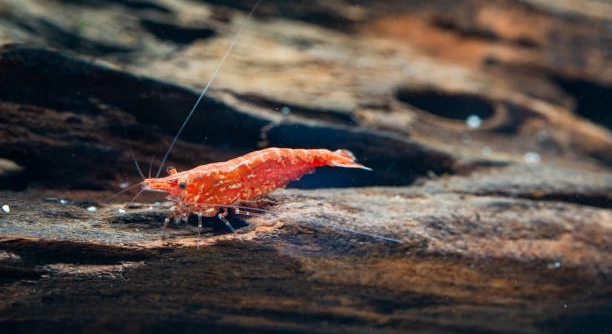
Do you enjoy keeping aquariums but notice how your cherry shrimp move around the tank in unique ways? Observing these tiny creatures can be fascinating, especially when patterns start to appear in their behavior.
Cherry shrimp do show responses to tank patterns, though recognition is limited to visual cues and environmental consistency. They can learn and adjust movements based on familiar layouts, but this behavior is instinctual rather than conscious pattern recognition.
Understanding shrimp behavior goes beyond simple observation, offering insights into tank design and how environmental stability affects their daily activities.
How Cherry Shrimp Explore Their Environment
Cherry shrimp constantly move around their tank, inspecting every corner and surface. They use their tiny legs and sensitive antennae to detect changes in their surroundings. Over time, they become familiar with the locations of plants, hiding spots, and feeding areas. This allows them to navigate efficiently without hesitation. Shrimp often follow the same paths repeatedly, especially if the tank layout remains unchanged. When new decorations or plants are added, they may pause or slow down, carefully assessing the new structure before moving on. Light and current also affect their movement, with shrimp preferring gentle currents and well-lit areas for foraging. Observing these behaviors reveals how adaptive and cautious they are in small spaces, showing a blend of instinct and learning. Maintaining consistency in the tank helps reduce stress and supports natural behavior, making it easier to notice their exploration patterns.
Their movement patterns indicate recognition of familiar spaces and how they adjust to environmental changes.
By paying attention to these paths, you can design the tank to encourage natural activity. Grouping hiding spots and feeding areas strategically reduces stress and allows shrimp to feel secure. Changes in layout should be gradual, giving them time to adapt. Some shrimp even show preferences for specific areas, returning repeatedly to certain plants or stones. Understanding these tendencies helps create a stable environment that supports their health and well-being. Proper observation also allows owners to detect early signs of stress or illness. Small details like current direction, lighting intensity, and substrate texture can influence behavior, so careful planning is essential.
Visual Cues and Learning
Cherry shrimp respond primarily to visual cues and familiar layouts.
They notice shapes, contrasts, and movement in their environment, which influences where they explore and rest. Visual consistency helps shrimp learn the tank’s layout over time, improving navigation and reducing anxiety. They are more likely to frequent areas that are visually distinct or consistently present. Patterns of light and shadow, as well as plant placement, create a sense of security and predictability for them. Unlike larger animals, shrimp do not recognize abstract patterns, but they adapt to repeated spatial arrangements. Observing these cues can inform tank setup, ensuring that shrimp have both stimulating and safe areas. Attention to visual details can improve their overall activity, encouraging natural behaviors while keeping them comfortable in their habitat.
Learning in cherry shrimp is gradual and relies on repeated exposure to the same environment. They remember where food is typically placed and which hiding spots provide safety. This familiarity allows them to move confidently without constant hesitation. Sudden changes can cause stress, so maintaining a consistent tank setup is essential. Environmental enrichment, such as varied plants and gentle water flow, promotes exploration while respecting their natural instincts. Shrimp can adjust to new objects over time, but repeated positive experiences are necessary. Tank lighting, substrate color, and plant density all contribute to their perception of space. Monitoring behavior regularly can reveal how well shrimp are adapting, and small adjustments can optimize comfort. Proper care includes understanding their responses to visual cues, which supports healthy activity, stress reduction, and long-term survival in a home aquarium.
Feeding and Tank Patterns
Cherry shrimp quickly learn where food is placed in the tank. They return to familiar spots repeatedly, showing a clear preference for consistent feeding areas. Sudden changes in feeding locations can confuse them and slow their foraging.
Regular feeding routines help shrimp establish a sense of security. When food is offered in the same spots, they move confidently and reduce unnecessary wandering. They use visual cues and memory to locate food, often remembering patterns for several days. Even small variations in placement can alter their movement, but consistency strengthens their recognition. Observing how they respond to feeding locations gives insight into their awareness of tank patterns and environmental familiarity.
In addition to routine placement, the type of food affects exploration. Shrimp respond to color, texture, and size of food particles, adapting their approach based on these factors. They often investigate new items carefully before eating, showing caution. By monitoring their reactions, it is possible to encourage activity and interaction while maintaining a stable environment.
Social Behavior and Familiarity
Shrimp exhibit social tendencies influenced by tank layout and group familiarity. They tend to cluster near each other in areas that are safe and well-structured.
Familiar layouts encourage predictable social interactions, as shrimp recognize the same hiding spots and pathways. Grouped shrimp move together, sometimes following each other along established routes, which reduces stress and increases comfort. Changes in decor or plant density can temporarily disrupt social patterns, causing hesitation or separation. Stable structures allow shrimp to engage in natural behaviors like grazing and exploring without conflict. Their interactions are subtle but indicate awareness of both the environment and each other.
Observing social behavior in relation to tank patterns reveals how shrimp adapt to spatial stability. When their environment is consistent, they interact more naturally, forming loose groupings around feeding or shelter zones. Disruptions in the tank layout can lead to temporary isolation, as individuals cautiously assess new areas before rejoining the group. Maintaining visual and spatial familiarity allows shrimp to build confidence in their surroundings. Social cohesion is supported by predictable patterns, including consistent hiding spots, gentle currents, and accessible food. Monitoring these behaviors provides insight into their comfort and adaptation, allowing adjustments that improve both individual and group well-being.
Tank Decorations and Movement
Shrimp adjust their movement based on decorations and structures in the tank. Rocks, plants, and hiding spots guide their exploration and create familiar pathways.
They often return to the same spots repeatedly, showing recognition of safe areas. Sudden changes in decoration can cause hesitation and slower movement.
Lighting and Visual Recognition
Lighting influences how cherry shrimp perceive their environment. Bright and consistent light helps them navigate efficiently and recognize patterns in the tank. They respond to shadows and contrasts, often preferring areas with moderate illumination where they feel secure. Proper lighting supports natural behavior and reduces stress.
Water Flow and Navigation
Water currents affect how shrimp move. Gentle, steady flow encourages exploration, while strong currents may restrict movement and increase caution.
Observation and Pattern Memory
Cherry shrimp remember locations and routes within their tank over time. Repetition and environmental consistency strengthen their spatial memory, allowing them to navigate confidently and reduce stress.
FAQ
Do cherry shrimp really notice patterns in the tank?
Yes, cherry shrimp respond to consistent layouts and familiar objects. They use visual cues to identify safe spots, feeding areas, and pathways. While they do not recognize abstract patterns, repeated exposure allows them to navigate efficiently and reduce hesitation when moving around the tank.
How long does it take for shrimp to learn a tank layout?
Shrimp start recognizing common areas within a few days, but full familiarity may take one to two weeks depending on tank complexity. Consistent placement of plants, hiding spots, and food helps reinforce memory. Changes in tank design should be gradual to avoid confusion and stress.
Can changing decorations affect their behavior?
Yes, sudden changes can cause hesitation or avoidance. Shrimp pause to inspect new structures before exploring further. Gradual rearrangements are better, allowing them to adapt slowly while maintaining confidence in familiar zones. Consistent placement supports natural activity and comfort.
Do shrimp remember where food is placed?
Cherry shrimp rely heavily on routine feeding locations. They quickly learn where food is consistently offered and return to these areas repeatedly. Changing food placement frequently can slow foraging and reduce efficiency, while predictable patterns help shrimp feel secure and encourage natural feeding behavior.
Do shrimp prefer certain hiding spots over others?
Yes, shrimp often show preferences based on safety, accessibility, and lighting. Dense plants or small caves provide security, while open or brightly lit areas are usually avoided. Repeated use of favored hiding spots demonstrates their recognition of safe zones within the tank environment.
Does lighting impact their pattern recognition?
Lighting plays a key role in visual navigation. Shrimp are more confident in well-lit areas with moderate shadows. Strong or uneven light can create stress and interfere with their ability to recognize familiar areas. Consistent illumination helps them maintain regular movement patterns.
Can water flow change their navigation habits?
Yes, shrimp respond to current strength. Gentle, steady flow encourages exploration and normal movement, while strong currents may make them stick to sheltered areas or move slower. Tank layout and water flow together influence how shrimp use space and interact with their environment.
Do shrimp interact differently when familiar with their tank?
Familiarity increases confidence and natural behavior. Shrimp navigate quickly, feed efficiently, and interact socially in consistent layouts. Unfamiliar or altered environments can cause hesitation, temporary isolation, or cautious movement until the shrimp adjust to new patterns.
How can I help shrimp adjust to new tank layouts?
Introduce changes gradually, spacing decorations or plants slowly over days. Keep feeding areas consistent and maintain stable lighting and water flow. Observation is key—shrimp will explore at their own pace, and gradual adjustments reduce stress while encouraging adaptation to new spaces.
Is it possible to train shrimp to follow specific routes?
While shrimp cannot be trained like larger animals, they do develop habits based on repeated exposure to the same layout. Consistency in feeding spots, hiding places, and pathways can encourage predictable movement, which can feel like learned routes, but it is instinct-driven rather than conscious training.
How do social dynamics affect pattern recognition?
Shrimp in groups often follow similar paths and return to familiar areas together. Social clustering reduces stress and supports natural behaviors. Changes to layout or group composition may temporarily disrupt these patterns until shrimp readjust to new environmental or social cues.
Are some shrimp better at recognizing patterns than others?
Individual behavior varies. Some shrimp explore more confidently and adapt faster, while others are cautious and slower to navigate. Factors like age, health, and personality influence how well a shrimp adapts to familiar layouts and environmental cues. Observation over time reveals these differences.
What is the best way to observe shrimp pattern recognition?
Watch their movement over several days, noting repeated paths, feeding habits, and preferred hiding spots. Track changes when decorations, lighting, or water flow are altered. Observation allows you to understand their recognition, comfort, and natural behavior in a structured and familiar tank environment.
Can stress affect their recognition abilities?
Stress reduces confidence and exploration. Sudden changes in tank layout, water parameters, or group dynamics can disrupt movement patterns. Maintaining stable conditions and gradual changes supports both mental and physical health, ensuring shrimp continue to navigate efficiently and safely.
How does tank size influence their pattern recognition?
Larger tanks provide more space and opportunities for exploration but may require more time for shrimp to learn pathways and safe zones. Smaller tanks allow quicker familiarity but limit the number of distinct areas. Understanding shrimp movement within the available space helps optimize tank layout for comfort and security.
Do shrimp react differently to new objects in the tank?
New objects cause temporary caution. Shrimp inspect unfamiliar items slowly with antennae and tentative steps before including them in regular movement. Repeated exposure over days helps them recognize and integrate new objects into their habitual routes, enhancing environmental familiarity.
Can temperature changes impact their behavior?
Yes, water temperature influences activity. Cooler water may slow movement, making pattern recognition less noticeable, while warmer conditions increase exploration. Keeping stable temperatures ensures shrimp maintain predictable behavior and continue using familiar routes without unnecessary stress.
Do shrimp rely more on vision or other senses for recognizing patterns?
Vision plays a key role, but they also use antennae to sense surfaces, currents, and objects. Combined sensory input allows them to navigate safely and detect familiar areas, ensuring effective movement even in low-light or complex environments.
Is it necessary to keep the tank layout exactly the same?
Exact replication is not required, but stability helps shrimp feel secure. Gradual changes in decorations, plants, or hiding spots allow them to adapt while maintaining confidence. Consistency in feeding areas, lighting, and water flow is more critical than exact placement.
How can I encourage natural exploration while maintaining safety?
Provide varied but predictable hiding spots, gentle water flow, and consistent feeding locations. Observe shrimp regularly to identify favored areas and adjust layout slightly to encourage activity without causing stress. This balance supports healthy movement, social behavior, and comfort in the tank.
Can shrimp teach other shrimp patterns?
Not in a conscious sense. However, social groups sometimes lead to indirect learning, where younger or more cautious shrimp follow confident individuals along familiar paths. This behavior is instinct-driven and helps group cohesion within the tank.
Do tank decorations influence social behavior?
Yes, well-placed plants and hiding spots support social clustering and reduce conflict. Open or sparse areas may separate individuals and increase stress. Thoughtful decoration ensures shrimp feel safe and maintain natural group interactions while exploring.
Are there signs that shrimp have recognized tank patterns?
Repeated routes, consistent feeding area visits, and quick navigation without hesitation indicate recognition. Clustering in familiar hiding spots and reduced stress behaviors also show that shrimp have adapted to their environment and can move confidently within it.
Can recognition patterns change over time?
Yes, as shrimp grow, explore, or as the tank environment evolves, movement and preference patterns may shift. Monitoring over time allows observation of adaptation and ensures conditions remain supportive of their natural behavior.
Do shrimp remember changes in the tank long-term?
They retain spatial memory for days to weeks, adjusting movement based on repeated exposure. Gradual and consistent experiences allow them to incorporate changes into their routines, while sudden alterations may temporarily disrupt recognition until they adapt.
How important is observation for understanding shrimp behavior?
Observation is essential to recognize patterns, preferences, and social dynamics. It allows you to notice subtle changes, adjust environmental factors, and maintain a healthy, comfortable tank that supports shrimp navigation, feeding, and overall well-being.
Can multiple factors interact to affect recognition?
Yes, lighting, water flow, decorations, social group, and feeding routines all combine to influence shrimp behavior. Consistent monitoring and gradual adjustments help maintain stable patterns, reducing stress and supporting natural activity.
Is it normal for shrimp to ignore certain areas?
Yes, shrimp avoid areas that feel unsafe, poorly lit, or exposed. Consistent observation helps identify unused zones and informs tank adjustments, ensuring all spaces are comfortable and accessible without forcing exploration.
Do shrimp have favorite feeding areas?
Repeated use of the same spots demonstrates preference. They return reliably, showing memory and recognition. Keeping feeding consistent supports natural behavior, efficient foraging, and reduces unnecessary stress in the tank.
How does age affect pattern recognition?
Younger shrimp may explore more cautiously and require longer to become familiar with the tank. Older shrimp are usually confident, following established routes and using preferred hiding spots efficiently. Patience and observation help support all age groups.
Can stress or illness interfere with recognition?
Yes, stressed or unhealthy shrimp may hesitate, avoid familiar areas, or show reduced activity. Maintaining optimal water parameters, nutrition, and a consistent environment ensures shrimp can navigate effectively and retain their usual patterns.
Is it possible for shrimp to forget patterns?
Extended stress, illness, or prolonged changes in tank layout can temporarily disrupt memory. Returning to consistent conditions helps them regain recognition and restore normal movement and behavior patterns.
How do shrimp communicate when exploring familiar routes?
Communication is subtle, mostly through movement and following each other. Social clustering and synchronized exploration indicate recognition of safe paths and preferred areas.
What are common mistakes in interpreting shrimp behavior?
Assuming shrimp consciously recognize patterns like larger animals can be misleading. Their responses are instinctive, memory-based, and influenced by environmental consistency, rather than deliberate planning or abstract recognition.
Can shrimp adapt to entirely new layouts?
Yes, but adaptation takes time. Gradual introduction of changes, stable feeding, lighting, and flow conditions help them adjust without stress. Observation ensures they integrate new layouts while maintaining comfort and natural behavior.
Do all shrimp in a tank behave the same way?
No, individuals vary in exploration, caution, and preference for hiding spots. Some may navigate confidently while others remain cautious. Understanding individual tendencies allows better tank management and optimized comfort for all shrimp.
Are there ways to make pattern recognition easier for shrimp?
Consistency is key. Stable lighting, water flow, feeding locations, and gradual changes in decorations allow shrimp to navigate efficiently, reduce stress, and exhibit natural behaviors confidently within the tank.
How can I tell if my shrimp are stressed by layout changes?
Signs include hesitation, reduced movement, hiding excessively, or avoiding areas they previously frequented. Gradual adjustments and observation help minimize stress and support adaptation to the tank environment.
Do shrimp use memory more than instinct for patterns?
Memory reinforces their instinctive behavior. Repeated exposure to feeding areas, hiding spots, and familiar paths strengthens navigation efficiency, allowing shrimp to rely on both memory and instinct when moving around the tank.
Can recognizing patterns improve shrimp health?
Yes, familiarity with the tank reduces stress, encourages feeding, and supports natural activity. Consistent environments contribute to overall well-being and longevity, as shrimp feel secure and can navigate without unnecessary strain.
Is observation enough to understand shrimp behavior fully?
Observation provides insight but should be combined with proper tank care. Water quality, lighting, food, and decoration placement all influence behavior, so understanding patterns requires attention to both shrimp actions and environmental factors.
Do shrimp respond differently to seasonal changes?
Water temperature and light cycles can influence activity levels and exploration. While they recognize tank layouts, changes in environment may temporarily alter movement patterns. Maintaining stable conditions minimizes disruption to familiar behavior.
Can shrimp learn from each other’s experiences?
Indirectly, yes. Less confident shrimp may follow more experienced individuals along familiar routes. This behavior is instinctive and supports group cohesion rather than conscious teaching.
Are there limits to their pattern recognition?
Shrimp do not understand abstract or complex patterns. Recognition is limited to repeated spatial arrangements, visual cues, and routine activities. Complex or sudden changes may temporarily disrupt confidence and navigation.
How often should I monitor shrimp behavior?
Regular observation, several times per week, helps identify changes in movement, feeding, and social behavior. Consistent monitoring allows adjustments to tank conditions, ensuring shrimp continue to recognize patterns and feel comfortable.
Can tank maintenance affect their recognition?
Yes, major changes in substrate, plants, or water parameters can alter shrimp behavior. Gradual cleaning and careful rearrangement allow shrimp to retain recognition while keeping the tank healthy and stable.
Do shrimp rely more on visual cues or chemical cues?
Visual cues dominate pattern recognition, but chemical signals from water and other shrimp also guide movement. Combined, these cues help shrimp navigate efficiently and identify safe zones.
Can shrimp differentiate between similar hiding spots?
Yes, they use visual details, size, shape, and proximity to familiar areas. Subtle differences help them choose preferred spots, demonstrating recognition of distinct features rather than just general shelter.
Are shrimp sensitive to human presence when recognizing patterns?
They notice movement outside the tank but typically continue their established routines unless startled. Over time, they become accustomed to gentle observation, maintaining regular patterns despite external activity.
Can overcrowding affect pattern recognition?
Yes, too many shrimp reduce space for movement and exploration. Overcrowding forces competition for hiding spots and feeding areas, disrupting familiar paths and social interactions. Proper stocking density supports natural behavior and environmental recognition.
Do shrimp have memory for multiple tank layouts?
They can adapt to changes, but recognition of multiple layouts depends on repeated exposure. Gradual adjustments help shrimp incorporate new areas while retaining familiarity with original structures.
Is pattern recognition the same in young shrimp and adults?
Younger shrimp explore cautiously and may take longer to recognize areas. Adults are more confident and navigate established routes efficiently. Observation helps ensure both age groups adapt successfully to tank layouts.
Can shrimp show stress if they forget a pattern?
Yes, forgetting familiar paths may lead to hesitation, reduced feeding, or excessive hiding. Restoring consistent environmental cues helps them regain confidence and reestablish recognition.
Does substrate type affect pattern recognition?
Yes, texture, color, and granule size influence movement and comfort. Shrimp navigate differently on smooth versus coarse substrate. Familiar substrates improve confidence, while sudden changes may slow exploration.
Are there signs that shrimp are fully adapted to a tank layout?
Frequent use of known routes, efficient feeding, social clustering, and consistent exploration of hiding spots indicate adaptation. Stable behavior reflects comfort, confidence, and effective recognition of environmental patterns.
Can shrimp adapt if I rearrange the tank weekly?
Frequent rearrangements increase stress and disrupt recognition. Gradual, infrequent changes allow adaptation. Consistency in feeding, lighting, and shelter is more important than frequent layout adjustments.
How do I know if my shrimp are ignoring part of the tank?
Avoidance, lack of exploration, and absence from certain areas indicate discomfort or perceived risk. Observing these patterns helps identify where changes may improve accessibility and comfort.
Can pattern recognition affect shrimp breeding?
Yes, familiarity with hiding spots and feeding zones reduces stress, which can promote natural mating behavior. Stable environments support healthy reproduction and care for young shrimp.
Do shrimp recognize other species’ patterns in a tank?
They respond mainly to their own species, but visual or movement cues from other species may influence exploration. Recognition is strongest for familiar, repeated layouts that include their preferred zones.
Is pattern recognition innate or learned?
It is a combination. Instinct guides basic exploration and safety-seeking, while repeated exposure and consistency reinforce learned familiarity with feeding spots, hiding places, and movement routes.
Can I use this knowledge to improve tank design?
Yes, understanding shrimp recognition helps place hiding spots, feeding areas, and plants strategically. Consistent layouts reduce stress, promote natural behavior, and enhance overall tank harmony and shrimp well-being.
Do shrimp need time alone to learn patterns?
Some individuals benefit from quieter periods to explore without competition. Providing multiple safe zones ensures both social and cautious shrimp can navigate comfortably and retain recognition.
Can pattern recognition prevent disease or injury?
Indirectly, yes. Confident navigation reduces stress and accidental injury. Familiar hiding spots and routes help shrimp avoid unsafe areas, supporting overall health and resilience against environmental challenges.
Are there long-term benefits to consistent tank patterns?
Stable layouts encourage natural behavior, reduce stress, improve feeding efficiency, and support social interactions. Over time, shrimp become confident and active, contributing to a balanced, healthy tank ecosystem.
Do shrimp adjust their patterns seasonally or with age?
They may modify activity levels and preferred zones slightly due to temperature or growth. Overall recognition remains stable if environmental conditions are consistent and supportive of their needs.
Can patterns in the tank influence shrimp hierarchy?
Indirectly, yes. Preferred hiding spots and access to food can affect which shrimp dominate certain areas. Consistent layout allows natural social dynamics to form without unnecessary stress.
Is it possible to over-stimulate shrimp with too many decorations?
Yes, overly cluttered tanks can confuse or overwhelm shrimp. Balance between open areas and hiding spots ensures natural exploration, effective recognition, and reduced stress.
How do I track shrimp pattern recognition effectively?
Regular observation, noting repeated paths, hiding spots, and feeding areas, helps track recognition. Recording changes over time allows adjustments to support natural movement, comfort, and well-being.
Do all shrimp react the same way to new stimuli?
Individual variation exists. Some are more curious, exploring new objects quickly, while others are cautious. Observing each shrimp helps ensure the tank accommodates different personalities and comfort levels.
Can recognition patterns indicate stress levels?
Yes, hesitation, avoidance, or reduced activity in previously familiar areas suggest stress. Restoring consistent conditions helps shrimp regain confidence and return to normal behavior patterns.
Are there tools to help monitor shrimp patterns?
Simple observation, video recording, and noting movement paths work well. Monitoring feeding spots, hiding spots, and social interactions provides insight into recognition and behavior without intrusive methods.
Do shrimp adjust patterns after tank maintenance?
They may explore cautiously until familiar spots are reestablished. Gradual cleaning and careful rearrangement minimize disruption, allowing shrimp to maintain confidence in their routes and preferred zones.
Can pattern recognition improve overall tank harmony?
Yes, stable layouts reduce stress, encourage natural behavior, support feeding routines, and maintain social cohesion, creating a healthier, more balanced environment for all shrimp.
Does tank size limit pattern recognition?
Larger tanks take longer for shrimp to learn, while smaller tanks allow quicker familiarity. Understanding spatial use helps optimize layout for comfort and efficient navigation.
Are there behavioral signs that indicate excellent recognition?
Consistent use of routes, quick navigation, regular feeding visits, social clustering, and calm exploration all indicate strong recognition and confidence in the tank environment.
Do shrimp communicate recognition to each other?
Indirectly, yes. Following behaviors, clustering, and synchronized movement suggest recognition of shared safe zones rather than direct communication.
Can recognition patterns vary between tanks?
Yes, differences in layout, size, decorations, and group composition lead to unique patterns. Observing each tank individually ensures shrimp feel comfortable and secure.
Are there risks if shrimp fail to recognize patterns?
Failure to adapt can increase stress, reduce feeding efficiency, and limit natural behavior. Stable, predictable environments help maintain confidence and well-being.
How often should feeding and decoration patterns be repeated?
Daily feeding in consistent spots and stable placement of hiding areas support recognition. Gradual changes are acceptable, but frequent disruption can cause stress and hesitation.
**Do shrimp prefer certain
Cherry shrimp are small, delicate creatures whose behavior is closely tied to their environment. Observing them over time reveals patterns in how they move, feed, and interact with their surroundings. They rely on consistent visual cues, such as plants, rocks, and hiding spots, to navigate their tank with confidence. While they do not consciously recognize patterns in the way larger animals might, their instinctive and memory-driven responses allow them to adjust to familiar layouts and repeated feeding routines. This combination of instinct and learned familiarity is essential for their sense of security and well-being in a home aquarium. Understanding these tendencies helps owners create a more stable and supportive environment, reducing stress and promoting natural behavior.
Maintaining consistency in tank setup is key for cherry shrimp to thrive. Sudden changes in decoration, lighting, or water flow can cause hesitation, slow exploration, or temporary stress. Gradual adjustments, on the other hand, allow shrimp to explore and adapt without disrupting their established routines. Feeding in consistent locations further reinforces their confidence and supports efficient foraging. Their use of hiding spots, preferred paths, and social clustering demonstrates how much they depend on familiar surroundings. By observing shrimp closely, owners can identify favored areas, adjust the tank layout to suit their needs, and ensure all individuals have access to food and shelter. Over time, this careful attention promotes healthy activity levels, balanced social behavior, and a reduced risk of stress-related problems.
Recognizing how cherry shrimp respond to their environment also offers insight into their daily habits and interactions. Water flow, lighting, tank size, and substrate all influence movement patterns and exploration. Shrimp learn and remember the safest and most productive routes, returning repeatedly to favored feeding areas and shelter spots. Social dynamics also play a role, as shrimp often follow each other along familiar paths and gather in areas that feel secure. By creating an environment that balances stability with opportunities for natural exploration, owners can support both individual and group behavior. Attention to these details ensures shrimp remain active, confident, and comfortable. Maintaining consistent care and a thoughtful tank setup allows cherry shrimp to display their natural behaviors, adapt effectively to changes, and enjoy a healthy, low-stress environment for the long term.

Hello,
If you enjoy the content that we create, please consider saying a "Thank You!" by leaving a tip.
Every little bit helps us continue crafting quality advice that supports the health, happiness, and well-being of pets around the world, for pets of all shapes, sizes, and species.
We really appreciate the kindness and support that you show us!