
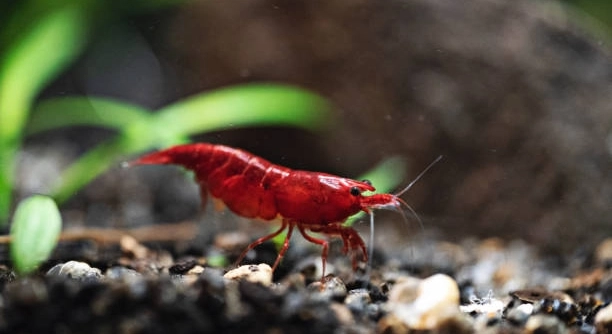
Are your shrimp breeding efforts not going as smoothly as you expected? Even small mistakes in water quality, feeding, or habitat setup can disrupt the delicate balance needed for successful cycles. Maintaining consistency is key for healthy shrimp.
Several factors can negatively affect shrimp breeding cycles, including fluctuating water parameters, improper diet, insufficient hiding places, overstocking, inadequate filtration, sudden environmental changes, and disease outbreaks. Careful monitoring and proper management of these elements are essential for successful reproduction.
Understanding these issues can help prevent unnecessary setbacks and improve the overall success of your shrimp breeding endeavors. Proper attention makes all the difference in maintaining healthy cycles.
Fluctuating Water Parameters
Shrimp are very sensitive to changes in water conditions. Even slight variations in temperature, pH, or hardness can stress them and disrupt breeding. Keeping water stable is essential. Regular testing of ammonia, nitrite, nitrate, and general water chemistry helps maintain an environment suitable for reproduction. Sudden changes in temperature, like seasonal swings or heater malfunctions, can shock the shrimp, leading to reduced activity, molting issues, or even death. pH shifts, especially in soft water species, may prevent females from carrying eggs properly. Consistent filtration and water changes are important, but they should be done carefully to avoid sudden swings in parameters. Using a high-quality test kit and keeping a log can help track trends and anticipate issues before they harm the shrimp. Gradual adjustments are better than abrupt changes, allowing shrimp to adapt naturally without added stress. Observing behavior during changes provides insight into their tolerance levels and overall health.
Maintaining steady water conditions prevents stress, supports healthy growth, and ensures shrimp can breed successfully without interruptions or losses.
Even minor fluctuations can have long-term effects on shrimp reproduction. Paying attention to water chemistry consistently ensures females carry eggs and fry survive. Healthy, stable water is the foundation of a thriving breeding tank.
Improper Diet
Feeding shrimp the wrong type or insufficient food can limit reproduction. Balanced nutrition with protein, algae, and vegetable matter is crucial. Shrimp need a variety of nutrients to produce healthy eggs and support molting. Low-quality food or overfeeding can cause water quality issues, further affecting breeding.
A proper diet ensures females are strong enough to reproduce and males remain active.
Shrimp require more than just basic flakes or pellets. Incorporating blanched vegetables like zucchini, spinach, or kale provides essential vitamins, while protein-rich sources like brine shrimp or specialized shrimp pellets encourage growth and egg production. Overfeeding can lead to excess waste, causing spikes in ammonia and nitrites, which harm shrimp and reduce breeding success. Observing shrimp during feeding helps determine if they consume food effectively, preventing leftover debris. Rotating foods also encourages natural foraging behavior and improves overall health. In a well-fed shrimp tank, females display more frequent and successful spawning, and fry survival rates increase, resulting in a balanced and thriving population over time.
Insufficient Hiding Places
Shrimp need places to hide, especially when molting. Without enough cover, they feel stressed, which reduces breeding activity and increases mortality. Plants, moss, and small caves provide security.
Providing plenty of hiding spots ensures shrimp can molt safely. Dense plants and decorations help juveniles survive, reducing predation risk from adults or tankmates.
Hiding spaces are essential for breeding success. Females carry eggs for weeks, and stress can cause them to drop or eat the eggs. Juvenile shrimp need protection from adults and sudden environmental changes. Using fine-leaved plants like Java moss or floating plants gives small shrimp safe zones while allowing water flow. Stone or ceramic caves create dark, secure areas for females during molting, helping them feel comfortable enough to breed. Arranging multiple hiding areas across the tank prevents overcrowding and encourages natural behavior, ultimately supporting a healthier, more successful breeding cycle for your shrimp.
Overstocking
Too many shrimp in a tank can cause stress and reduce reproduction. Limited space increases aggression and competition for food.
Overcrowded tanks lead to poor water quality and higher stress levels, which directly impact breeding success and overall health.
Overstocking not only increases competition for resources but also leads to faster accumulation of waste, affecting water quality. High density causes shrimp to spend more time avoiding each other than feeding or breeding. It can also reduce hiding space, leaving juveniles vulnerable to predation or injury. Maintaining proper stocking density ensures each shrimp has access to food and safe zones, allowing normal behavior and successful reproduction. Careful planning of tank population, combined with monitoring water parameters, helps maintain a balanced environment where shrimp can grow, molt safely, and reproduce without unnecessary stress, resulting in healthier and more sustainable breeding outcomes.
Sudden Environmental Changes
Shrimp are sensitive to sudden changes in temperature, light, or water chemistry. Rapid shifts can cause stress and reduce breeding activity.
Maintaining consistent conditions is important. Gradual adjustments in temperature or lighting help shrimp adapt without affecting reproduction or overall health.
Disease Outbreaks
Shrimp are vulnerable to bacterial, fungal, and parasitic infections. Sick shrimp may stop eating, molt improperly, or fail to breed. Quarantining new shrimp, maintaining clean water, and avoiding contaminated food are essential to prevent outbreaks.
Regular observation and quick action at the first sign of illness protect the entire colony and maintain healthy breeding cycles. Monitoring shrimp behavior, looking for discoloration, lethargy, or unusual molts, allows early intervention. Removing infected individuals promptly and performing targeted water treatments can limit the spread of disease. A proactive approach keeps shrimp active, encourages consistent spawning, and ensures fry survival, preserving a stable, thriving population over time.
Inadequate Filtration
Poor filtration can lead to harmful ammonia and nitrite buildup, stressing shrimp and reducing reproduction. Maintaining efficient filtration helps water stay clean and stable.
FAQ
Why are my shrimp not breeding even though the water looks fine?
Even if water parameters seem correct, small fluctuations in pH, temperature, or hardness can stress shrimp and prevent breeding. Females may not carry eggs properly, and juveniles may have lower survival rates. Consistently testing water and keeping gradual, stable conditions is essential for reproduction.
How much should I feed my shrimp for successful breeding?
Shrimp need a balanced diet, including protein, algae, and vegetables. Overfeeding can foul water, while underfeeding weakens shrimp and reduces egg production. Feed small portions regularly, removing leftovers after a few hours, and rotate foods to ensure nutritional variety.
Do shrimp need hiding spots to breed?
Yes, hiding spaces are critical, especially for females carrying eggs and molting shrimp. Plants, moss, and small caves reduce stress, protect juveniles, and encourage normal behavior. Dense coverage across the tank supports survival and successful reproduction.
Can too many shrimp in one tank affect breeding?
Overstocking increases competition for food and hiding places, leading to stress and aggression. High density accelerates waste buildup, lowering water quality and affecting reproduction. Maintaining proper stocking levels ensures access to resources, safe molting areas, and higher fry survival rates.
What role does temperature play in breeding cycles?
Shrimp are sensitive to temperature changes. Sudden drops or spikes can shock them, reducing activity and breeding success. Keeping a stable, species-appropriate temperature allows shrimp to molt normally and encourages females to carry eggs. Gradual changes are safer than abrupt shifts.
How can I prevent disease from affecting breeding?
Quarantine new shrimp, maintain clean water, and avoid contaminated food. Observe shrimp regularly for discoloration, lethargy, or abnormal molts. Early intervention, removal of infected individuals, and targeted water treatments help protect the colony and ensure continuous breeding.
Is filtration really that important for shrimp breeding?
Yes, inadequate filtration allows ammonia and nitrite to accumulate, which stresses shrimp and can halt reproduction. Proper filtration maintains water clarity and stability, supporting health and encouraging consistent breeding cycles. Clean filters and regular maintenance are essential for a thriving tank.
How often should I change water to support breeding?
Regular water changes help maintain stability, but they must be gradual to avoid shocking shrimp. Small, frequent changes are better than large, sudden ones. This keeps water parameters stable, reduces stress, and provides a safe environment for females to carry eggs.
Can lighting affect shrimp reproduction?
While shrimp do not require intense light, consistent day-night cycles are important. Sudden changes in lighting can cause stress, reduce feeding, and disrupt molting. Using a timer ensures steady cycles, promoting healthier behavior and better breeding outcomes.
What should I do if my shrimp keep dropping eggs?
Egg dropping often results from stress, poor water quality, or insufficient hiding spots. Check water parameters, ensure proper diet, and provide dense cover for females. Reducing stress and maintaining stable conditions usually prevents further egg loss and supports successful spawning.
Are there specific foods that boost breeding?
Protein-rich foods like brine shrimp, specialized pellets, and occasional blanched vegetables enhance female health and egg production. Feeding a varied diet ensures shrimp receive necessary nutrients for molting, growth, and successful reproduction. Rotate foods to encourage natural foraging behavior.
How can I tell if my shrimp are healthy enough to breed?
Healthy shrimp are active, have smooth molts, and females show visible eggs when carrying. Weak, discolored, or lethargic shrimp may not reproduce. Monitoring behavior, appearance, and molting frequency provides insight into overall health and breeding readiness.
Can juvenile shrimp survive without extra care?
Juveniles need protection from adults and sufficient food to grow. Hiding spots and gentle water flow improve survival. Without proper care, they are vulnerable to predation, stress, or poor nutrition, which reduces overall breeding success.
Does tank size affect shrimp breeding?
Smaller tanks may overheat quickly, accumulate waste, and increase stress due to limited space. Larger tanks provide more hiding places, stable water conditions, and reduced competition, supporting healthier shrimp and better reproduction.
How long does it take for shrimp to start breeding after setting up a tank?
Breeding depends on stable water parameters, proper diet, and low stress. It may take several weeks for shrimp to acclimate, molt regularly, and produce eggs. Patience and consistent care are crucial for initiating successful breeding cycles.
What is the best way to introduce new shrimp to a breeding tank?
Quarantine newcomers for at least two weeks to prevent disease spread. Gradually acclimate them to the tank’s water conditions. This minimizes stress and protects the existing colony, allowing all shrimp to maintain healthy breeding cycles.
How do I handle sudden drops in water quality?
Test parameters immediately and perform gradual water changes to stabilize conditions. Remove uneaten food and debris, and monitor shrimp behavior closely. Quick, careful action helps prevent stress, egg loss, and long-term reproductive issues.
Can stress alone stop shrimp from breeding?
Yes, stress from overcrowding, poor water quality, or lack of hiding spaces can prevent reproduction. Ensuring stable conditions, adequate nutrition, and a safe environment encourages normal breeding behavior and increases egg and fry survival.
What are signs that breeding cycles are improving?
Females carrying eggs regularly, increased activity, healthy molts, and higher fry survival indicate that conditions support reproduction. Observing these patterns helps confirm that water, diet, and tank setup are optimal.
How often should I monitor my shrimp to ensure breeding success?
Daily observation is ideal for spotting stress, disease, or behavioral changes. Regular checks of water parameters, molting activity, and egg development help maintain a stable environment and maximize breeding efficiency.
Maintaining a successful shrimp breeding tank requires attention to several key factors. Water stability, nutrition, and adequate hiding spaces form the foundation for healthy reproduction. Even small mistakes, like sudden temperature changes or inconsistent feeding, can disrupt breeding cycles. Paying attention to water parameters, including pH, temperature, hardness, and ammonia levels, is critical. Regular testing and gentle adjustments help shrimp adapt without stress, supporting consistent molting and egg carrying. Using a high-quality filtration system also ensures waste is removed efficiently, keeping the water clean and stable. Stability allows shrimp to focus on natural behaviors rather than coping with stress, which directly impacts breeding success and fry survival.
Nutrition plays a significant role in maintaining healthy shrimp. Providing a varied diet that includes protein-rich foods, algae, and blanched vegetables ensures females have the energy to produce eggs and males remain active. Overfeeding or underfeeding can both create problems. Excess food contributes to water quality issues, while insufficient nutrition reduces egg production and weakens the shrimp. Rotating foods and monitoring consumption encourages natural foraging behaviors and prevents leftover debris from polluting the tank. Observing shrimp during feeding allows adjustments in diet to ensure every shrimp receives enough nutrients. A well-fed colony not only increases reproduction rates but also strengthens immunity, reducing the risk of disease outbreaks that can halt breeding entirely.
Managing population density and providing protection for juveniles are equally important. Overcrowded tanks lead to competition for food and hiding spots, increasing stress and aggression among shrimp. Proper stocking density ensures access to resources and allows each shrimp to molt safely without interference from others. Hiding places such as plants, moss, and small caves offer security for females carrying eggs and for vulnerable juveniles, reducing mortality and supporting successful reproduction. Observing shrimp behavior and adapting the tank setup as the population grows helps maintain a balanced environment. Consistency in care, combined with careful observation, ensures long-term stability and a thriving shrimp colony. Following these basic principles allows breeding cycles to proceed without unnecessary interruptions, resulting in healthier shrimp and higher fry survival over time.

Hello,
If you enjoy the content that we create, please consider saying a "Thank You!" by leaving a tip.
Every little bit helps us continue crafting quality advice that supports the health, happiness, and well-being of pets around the world, for pets of all shapes, sizes, and species.
We really appreciate the kindness and support that you show us!