
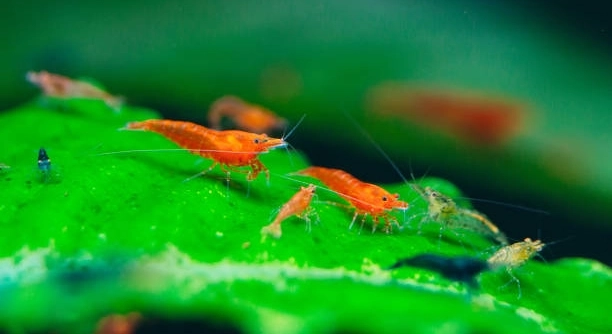
Are your shrimp displaying unusual behavior in your tank lately? Observing them closely can reveal subtle signs of stress or competition. Recognizing these early indicators helps ensure a balanced and harmonious aquarium environment for your shrimp.
Shrimp often fight for space when population density is high or resources are limited. Indicators include territorial displays, frequent chasing, claw pinching, and hiding behaviors. Monitoring these behaviors is essential for maintaining shrimp health and preventing stress-related mortality.
Identifying these behaviors early allows you to take practical steps to improve tank conditions. Small adjustments can lead to a calmer, healthier environment for your shrimp to thrive.
Frequent Chasing and Nipping
Shrimp often chase and nip at each other when space is limited or resources are unevenly distributed. In a small tank, even minor movements can trigger these behaviors, making shrimp appear more aggressive than they actually are. Observing your tank regularly helps identify which shrimp are involved and under what circumstances the behavior occurs. Chasing is often brief but repeated, which can lead to stress or injury. Nipping, especially around sensitive areas like antennae or tails, can result in minor wounds or prolonged hiding. Stress from repeated harassment may affect molting and feeding, reducing overall health. Adding extra hiding spots, plants, or decorations can help disperse shrimp and reduce encounters. Adjusting the tank population to prevent overcrowding is also effective. Monitoring behavior consistently allows early intervention, ensuring shrimp can coexist peacefully and grow without unnecessary stress.
These behaviors are often a response to crowded conditions. Addressing space and resource distribution helps minimize aggression effectively.
Providing ample territory, consistent feeding, and careful observation are key to maintaining harmony. Proper adjustments ensure shrimp are calmer, healthier, and more active, reducing stress-related issues over time.
Hiding and Avoidance
Shrimp that spend most of their time hiding may be avoiding aggression or competition.
Shrimp hide when they feel threatened or are repeatedly chased. A lack of visible activity can indicate that dominant shrimp are taking over prime feeding or resting areas. Overcrowding, limited hiding spots, or an uneven distribution of food can exacerbate this behavior. Observing when and where shrimp hide helps determine which areas need modification. Providing additional shelters like moss, plants, or small caves encourages balanced use of the tank and reduces constant hiding. Feeding in multiple locations prevents dominant shrimp from monopolizing resources, giving timid shrimp better access. Temperature and water quality also influence activity; poor conditions increase hiding. Adjusting these factors promotes a healthier environment where all shrimp can forage and molt safely. Monitoring behavior daily allows early detection of stress, enabling practical changes that enhance overall tank stability and shrimp well-being.
Molting Issues
Shrimp are vulnerable during molting, and aggressive tankmates can cause problems. Missing or damaged molts often indicate that some shrimp are being disturbed or stressed during this period. Observing molting patterns helps identify if overcrowding or competition is affecting shrimp health.
Molting is essential for growth, but shrimp exposed to frequent chasing or nipping may struggle to complete the process. Stressed shrimp often hide longer and may fail to shed their old exoskeleton properly. Ensuring ample hiding spots and reducing population density can significantly improve molting success. Uneven feeding or lack of nutrition also contributes to molting complications. Proper water quality, stable temperature, and gentle tank conditions support healthier molts. By monitoring shrimp carefully during this stage, you can prevent injury and reduce stress-related deaths.
Shrimp that successfully molt usually display vibrant colors and active behavior. Adjusting tank layout, offering sufficient food, and providing shelters are simple ways to protect vulnerable shrimp. Maintaining consistent care during molting encourages overall health and a calmer tank environment.
Color Changes
Shrimp losing their usual coloration often signals stress or competition in the tank. Color fading may indicate limited access to food or constant harassment from tankmates.
Stress and aggression affect shrimp pigmentation over time. Shrimp that are constantly chased or denied access to food may appear paler or duller than usual. Changes in water parameters, insufficient hiding spaces, or overcrowding exacerbate this effect. Observing interactions and feeding behavior helps determine the source of stress. Providing a balanced diet and ensuring all shrimp can access food reduces color loss. Additionally, stable water conditions and gentle tank arrangements prevent unnecessary stress, allowing shrimp to maintain their natural coloration. Regular observation ensures that issues are addressed promptly, supporting both health and appearance.
Maintaining vibrant coloration involves addressing both environmental and behavioral factors. Adequate hiding spaces, proper feeding routines, and careful population management are essential to prevent stress-related fading. Monitoring shrimp daily allows early intervention. When stressors are removed, shrimp gradually regain their natural hues, improving overall tank harmony.
Overcrowding
Overcrowding in a tank increases competition for space and resources. Shrimp have less room to move, hide, or access food, which often leads to aggression and stress. Proper population control is essential to prevent these conflicts and maintain a peaceful environment.
Excessive shrimp density can lead to frequent chasing, nipping, and hiding. Each shrimp requires enough territory to forage and molt safely. Overcrowding also affects water quality, increasing ammonia and nitrate levels, which further stresses the shrimp. Regularly assessing tank population and providing adequate hiding spots helps reduce tension and allows all shrimp to thrive comfortably.
Uneven Food Distribution
Uneven food distribution can trigger competition and fighting among shrimp. When food is concentrated in one area, dominant shrimp may monopolize it, leaving timid individuals hungry.
Providing multiple feeding spots helps reduce conflict. Dispersing food evenly across the tank ensures all shrimp can access nutrients and minimizes chasing. Consistent feeding routines and careful observation allow you to identify any individuals being excluded, helping maintain overall health and tank harmony.
Excessive Hiding
Shrimp that hide excessively often do so to avoid aggression. Constant harassment or competition encourages retreat into shelters.
Excessive hiding can interfere with feeding and molting. Providing balanced territory, reducing population density, and monitoring interactions help shy shrimp regain confidence. Observing behavior and adjusting the tank setup ensures all shrimp can access resources safely and maintain normal activity levels.
FAQ
Why are my shrimp always chasing each other?
Shrimp chase each other primarily due to competition for space or resources. Overcrowding increases encounters, leading to frequent chasing. Territorial shrimp may defend prime hiding spots or access to food. Ensuring enough room, hiding spaces, and evenly distributed food reduces these behaviors and promotes a calmer tank environment.
How can I tell if my shrimp are stressed?
Signs of stress include hiding excessively, losing color, frequent nipping, and molting issues. Stressed shrimp may stop eating or become less active. Monitoring water quality, population density, and interactions helps identify stressors. Adjusting the tank environment early can prevent long-term health problems.
What is the best way to prevent fighting in a shrimp tank?
Preventing fighting involves managing population density, adding hiding spots, and ensuring even food distribution. Plants, moss, or small decorations create safe spaces. Feeding in multiple locations helps timid shrimp access food without harassment. Regular observation allows you to adjust conditions before conflicts escalate.
Why are some shrimp hiding all the time?
Shrimp hide to avoid aggressive tankmates or stressful conditions. Continuous hiding can indicate overcrowding, lack of shelter, or dominance by other shrimp. Providing additional hiding places and reducing tank population allows shy shrimp to feel safer and resume normal activity.
Can fighting affect molting?
Yes. Shrimp are vulnerable during molting. Aggression can interrupt the process, causing incomplete molts or injuries. Protecting molting shrimp with hiding spots and minimizing disturbances is essential. Proper nutrition and stable water conditions also support successful molting cycles.
What role does food play in aggression?
Unevenly distributed food triggers competition. Dominant shrimp may monopolize the feeding area, leaving others stressed or hungry. Dispersing food across multiple locations ensures all shrimp can eat and reduces fighting. Consistent feeding routines help maintain balance.
How do water conditions affect shrimp behavior?
Poor water quality stresses shrimp and can increase aggressive behaviors. High ammonia, nitrite, or nitrate levels make shrimp more defensive and prone to conflict. Regular testing, proper filtration, and partial water changes are crucial for a stable environment and calmer behavior.
Is it normal for shrimp to change color when stressed?
Yes. Color fading is a common stress response. Shrimp under constant pressure from dominant tankmates or poor conditions may appear duller. Improving water quality, reducing aggression, and ensuring access to food often restores natural coloration over time.
Can overcrowding alone cause fighting?
Overcrowding significantly increases fighting. When shrimp lack space to establish territory or access resources, frequent chasing, nipping, and hiding occur. Monitoring population levels and providing sufficient room per shrimp helps maintain harmony and reduces stress-related behavior.
What immediate steps can I take if my shrimp are aggressive?
Identify the main stressor—overcrowding, food competition, or lack of hiding spots. Add shelters, disperse food, and reduce population if necessary. Observe interactions closely and make gradual adjustments. Small changes can prevent injuries and create a more peaceful environment for all shrimp.
How long does it take for shrimp to settle after changes?
Shrimp typically adapt within a few days to a week. After adding hiding spaces or adjusting food placement, they gradually resume normal behavior. Monitoring daily ensures that all shrimp are feeding, molting properly, and interacting without excessive aggression.
Can stress impact shrimp lifespan?
Chronic stress can reduce lifespan and affect reproduction. Constant aggression, poor water quality, or insufficient resources weaken shrimp, making them more prone to disease. Maintaining a stable, well-structured tank supports longevity and healthier, more active shrimp.
Are some shrimp species more aggressive than others?
Yes. Some species are naturally more territorial, while others are shy or passive. Understanding species-specific behavior helps manage tank dynamics. Pairing compatible shrimp and providing sufficient space reduces conflicts and promotes overall harmony.
How often should I monitor my tank for signs of fighting?
Daily observation is ideal. Watching interactions, molting, feeding, and color changes helps detect problems early. Frequent monitoring allows timely adjustments to population, shelter, or feeding strategies, ensuring shrimp remain healthy and stress-free.
Can rearranging the tank help reduce fighting?
Rearranging decorations or plants can disrupt established territories, reducing aggression temporarily. It encourages exploration and balances access to resources. However, avoid frequent drastic changes, as this can stress shrimp further. Gradual adjustments are most effective for maintaining peace.
What is the safest way to separate aggressive shrimp?
If aggression persists, separating dominant individuals using a divider or moving them to another tank can prevent injuries. Ensure both sections maintain proper water quality, hiding spots, and access to food. Temporary separation allows calmer shrimp to thrive while aggressive behavior is managed.
How important are hiding spots for tank harmony?
Hiding spots are crucial. They give shrimp refuge during molting and allow timid individuals to escape harassment. Moss, plants, or small caves create balanced territories. Proper shelter reduces stress, supports normal behavior, and encourages a stable, peaceful environment for all shrimp.
Can feeding frequency influence fighting?
Yes. Irregular or infrequent feeding increases competition and aggressive behavior. Consistent daily feeding ensures all shrimp receive nutrients without excessive stress. Dispersing food across multiple areas reduces dominance issues and helps maintain harmony among shrimp.
Are there signs of severe fighting I should watch for?
Severe fighting includes visible injuries, torn appendages, or constant hiding of specific shrimp. These behaviors indicate urgent intervention is needed. Adjusting tank population, adding shelters, and dispersing food are critical to prevent serious health consequences. Regular monitoring allows for timely action.
What is the long-term solution to prevent shrimp stress and aggression?
Maintaining appropriate population density, providing ample hiding spots, ensuring even food distribution, and keeping stable water conditions are essential. Monitoring behavior and adjusting the tank setup proactively prevents stress, reduces aggression, and supports healthy, thriving shrimp over time.
Maintaining a peaceful shrimp tank requires careful observation and thoughtful adjustments. Shrimp are small but sensitive creatures, and even minor issues can lead to stress or aggressive behavior. Overcrowding, uneven food distribution, and lack of hiding spots are common triggers for fighting and can affect shrimp health, molting, and coloration. Recognizing early signs, such as chasing, nipping, hiding, or color fading, allows you to address problems before they escalate. By keeping track of shrimp behavior daily, you can make small changes that have a big impact on the overall harmony of the tank. Providing a structured environment with enough space, proper nutrition, and adequate shelters reduces competition and encourages natural, calm behavior among all shrimp. Observing interactions carefully and making gradual adjustments ensures that all shrimp can coexist without excessive stress, promoting a healthier and more active tank population.
Water quality also plays a critical role in maintaining calm and healthy shrimp. Even when population density and hiding spots are ideal, poor water conditions can trigger aggressive behavior and weaken shrimp over time. Ammonia, nitrite, and nitrate levels should be monitored regularly, along with pH, temperature, and overall tank cleanliness. Stable water parameters help shrimp feel secure and reduce the likelihood of fighting. Incorporating regular water changes, proper filtration, and testing routines ensures that shrimp remain in a safe and comfortable environment. Additionally, providing a balanced diet that reaches all shrimp evenly helps prevent food-based conflicts. When shrimp are well-fed and have access to appropriate nutrients, they are less likely to compete aggressively over resources. A combination of environmental stability, thoughtful population management, and consistent care is essential to creating a stress-free and harmonious tank.
Finally, patience and attentiveness are key to long-term shrimp care. Changes in behavior may not resolve immediately, and it often takes time for shrimp to adapt to new arrangements or conditions. Gradual adjustments to tank layout, population size, or feeding routines allow shrimp to acclimate without causing additional stress. Regular monitoring and small interventions create a stable environment where timid and dominant shrimp alike can thrive. Taking the time to understand shrimp behavior, providing adequate resources, and maintaining a well-structured habitat ensures that fighting is minimized and stress is reduced. A well-managed tank supports successful molting, vibrant coloration, and active shrimp that interact naturally. By combining observation, patience, and consistent care, you can maintain a thriving shrimp community that remains healthy, calm, and balanced over the long term.

Hello,
If you enjoy the content that we create, please consider saying a "Thank You!" by leaving a tip.
Every little bit helps us continue crafting quality advice that supports the health, happiness, and well-being of pets around the world, for pets of all shapes, sizes, and species.
We really appreciate the kindness and support that you show us!