
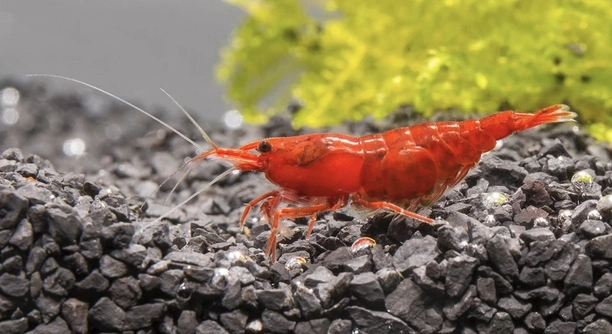
Cherry shrimp are small, lively creatures that often surprise aquarists with unusual behavior. Watching them explore every corner of the tank can be entertaining, especially when they start climbing areas you might not expect.
Cherry shrimp climb the filter tube primarily due to water flow and oxygen levels. They are attracted to surfaces near the filter for feeding, resting, and accessing higher oxygen concentrations, which helps them thrive in their aquatic environment.
Learning why they choose the filter tube can improve tank management. Observing their habits offers insight into their comfort and overall health in the aquarium.
Reasons Cherry Shrimp Climb the Filter Tube
Cherry shrimp often climb the filter tube because it provides a steady flow of water that carries tiny particles they can eat. The current brings food to them, making it easier to find meals without searching the whole tank. Shrimp also use the tube to explore and feel secure in higher places. The surface of the tube is smooth but offers some grip, so shrimp can rest or move without difficulty. Some shrimp prefer being near the filter because the water is more oxygenated there. Temperature can also be slightly different near the filter, which can attract them. Stress or discomfort in other areas of the tank may push them toward the tube. Observing their climbing patterns can reveal much about tank conditions, such as cleanliness, water flow, and oxygen levels. Their climbing is a natural, instinctive behavior rather than a sign of poor health.
Climbing the filter tube helps shrimp access food and oxygen more efficiently, supporting their survival and comfort in the tank environment.
Monitoring this behavior can help you adjust tank maintenance. Ensuring proper flow and oxygenation throughout the tank prevents overreliance on one spot.
How to Manage Shrimp Climbing
Shrimp climbing can be managed by adjusting water flow and adding hiding spots. Providing plants or decorations gives them alternative places to explore.
Maintaining a consistent water quality routine reduces the need for shrimp to seek oxygen-rich areas constantly. Regular water changes keep the tank balanced, and checking the filter ensures it does not create an overly strong current. Introducing smooth decorations or moss can give shrimp extra surfaces for climbing and resting, reducing stress on their bodies. Some shrimp enjoy grazing on biofilm or algae, so adding surfaces for natural feeding can keep them occupied. It is also helpful to monitor shrimp density; overcrowding may push them toward the filter. Observing the tank daily allows you to notice changes in climbing behavior, which often signals adjustments in water quality, temperature, or tank setup. A combination of proper flow, oxygenation, and enrichment will create a healthier environment, making climbing less necessary and keeping your shrimp comfortable and active throughout the tank.
Water Flow and Oxygen Levels
Strong water flow near the filter attracts shrimp because it carries oxygen and small food particles. Shrimp naturally seek these areas to breathe more easily and find nutrients without having to move across the tank constantly.
The filter creates a localized area with better oxygenation, which shrimp need for optimal health. Water near the tube moves faster, helping them access small debris, leftover food, and biofilm that accumulate around the filter. Shrimp are drawn to these areas instinctively, as it provides both a feeding opportunity and a safe resting spot. Observing how often they climb can indicate whether other areas of the tank are under-oxygenated or lacking sufficient food.
If the tank has uneven water flow or stagnant spots, shrimp will repeatedly return to the filter tube. Adjusting the filter output or adding plants can distribute oxygen more evenly, encouraging them to explore different areas. Providing multiple feeding and resting zones reduces their dependency on a single spot while keeping them active and healthy.
Tank Setup and Decorations
Adding hiding spots and surfaces helps shrimp climb less on the filter tube. Plants, moss, and small structures give them alternative areas for exploration and resting.
Decorations and live plants create natural surfaces for shrimp to cling to and feed on. Moss walls, rocks, and driftwood not only add aesthetic value but also support biofilm growth, which shrimp graze on. If the tank lacks these elements, shrimp rely heavily on the filter tube for both food and security. Strategically placing decorations can redirect their activity while reducing stress. It is helpful to balance open swimming areas with dense zones for hiding.
Arranging the tank with multiple vertical and horizontal surfaces encourages natural behaviors and reduces filter climbing. Shrimp tend to be more active and healthy when they have varied terrain, consistent oxygen, and safe resting spaces. Regularly cleaning surfaces to prevent excessive algae buildup ensures shrimp continue to have healthy grazing areas. This setup supports both their physical needs and instinctual climbing habits without over-reliance on the filter tube.
Feeding Habits
Shrimp are drawn to the filter tube because food particles collect near the water flow. They find it easier to graze on these tiny bits rather than search the whole tank.
They also pick at biofilm forming around the tube. This natural food source keeps them coming back frequently, supporting their daily nutrition.
Stress and Environmental Factors
Changes in water temperature, pH, or sudden disturbances can make shrimp feel unsafe. They often climb the filter tube to escape perceived threats. Being near the filter provides both a steady current and a sense of security, helping them cope with environmental stress.
Observing Shrimp Behavior
Noting when and how often shrimp climb the filter can reveal tank health. Patterns may indicate water issues, flow preferences, or insufficient hiding spaces. Monitoring behavior helps in making timely adjustments for a balanced environment.
Preventing Excessive Climbing
Providing more plants, decorations, and balanced water flow can reduce overreliance on the filter tube. Shrimp remain active while exploring safer alternatives.
FAQ
Why do cherry shrimp climb the filter tube so often?
Cherry shrimp climb the filter tube mainly for oxygen and food. The water flow carries small particles they can eat and ensures higher oxygen levels. It also provides a secure spot for resting and grazing on biofilm. If they climb frequently, it may indicate uneven oxygen distribution or lack of surfaces elsewhere.
Is it harmful if my shrimp spend most of their time on the filter tube?
Not necessarily. Climbing itself isn’t harmful, but overreliance on the tube can signal environmental stress. Lack of hiding spots, uneven water flow, or poor tank setup may make them feel the filter is the safest place. Improving tank conditions can balance their activity.
How can I reduce my shrimp’s time on the filter?
Adding plants, moss, and decorations gives shrimp alternative surfaces to explore. Even placing rocks or driftwood near the current helps. Ensuring gentle water flow throughout the tank and providing multiple grazing areas will encourage them to move around instead of staying near the filter.
Does water quality affect climbing behavior?
Yes. Shrimp are sensitive to oxygen levels, temperature, and pH. Poor water quality or low oxygen can push them toward the filter tube where conditions are slightly better. Regular water testing and maintenance help maintain consistent conditions throughout the tank.
Can overcrowding cause filter climbing?
Overcrowding increases stress and competition for food, which may drive shrimp to gather near the filter for safety and access to resources. Maintaining proper stocking levels and ensuring each shrimp has space to graze reduces excessive climbing behavior.
Are there health risks linked to climbing the filter?
Climbing itself isn’t risky, but spending too much time on a smooth, strong-flow surface can sometimes cause stress or fatigue. Providing textured surfaces and multiple resting spots reduces this risk and supports overall shrimp health.
Do all shrimp species climb filters or is it unique to cherry shrimp?
Many freshwater shrimp, like red cherry shrimp and Amano shrimp, exhibit this behavior because they instinctively seek food and oxygen. The tendency varies by species and tank setup, but climbing surfaces near water flow is common in most active shrimp.
How can I tell if climbing indicates a problem?
Watch for excessive or constant climbing, lethargy, or signs of stress like color fading. If climbing spikes after water changes, temperature shifts, or filter adjustments, it could point to tank conditions needing attention. Regular observation helps identify environmental or health issues early.
Will changing the filter type help reduce climbing?
Sometimes. A gentler filter or diffused water flow can prevent shrimp from concentrating only on one area. Sponge filters or filters with lower current allow shrimp to explore without feeling forced toward a single high-flow zone. Proper placement and flow adjustment are key.
Is it okay to let shrimp climb the filter freely?
Yes, as long as the filter is shrimp-safe. Avoid filters with strong intake or exposed moving parts that could harm them. Observing them climb can provide insight into their needs, but tank setup should always prioritize safety and comfort.
Can diet affect climbing behavior?
Yes. If shrimp are not getting enough food or variety, they may spend more time grazing near the filter where tiny particles accumulate. Offering algae wafers, blanched vegetables, and occasional protein sources ensures balanced nutrition and can reduce filter dependence.
Do baby shrimp climb the filter tube too?
Juvenile shrimp often climb less than adults but still explore surfaces for safety and feeding. Providing moss, plants, and gentle water flow ensures they have multiple options to navigate without relying solely on the filter tube.
How long is climbing considered normal behavior?
Short periods spent climbing for grazing or oxygen are normal. Constant climbing for hours daily may suggest uneven water conditions, stress, or insufficient surfaces. Adjusting tank setup can encourage more balanced movement throughout the aquarium.
Can adding more plants stop filter climbing completely?
Not completely, but it helps. Plants and moss provide grazing areas, hiding spots, and surfaces for exploration. This reduces the need to rely solely on the filter tube while allowing shrimp to engage in natural behaviors safely.
Does temperature change influence climbing?
Yes. Slightly cooler or warmer areas may attract or repel shrimp. They often climb near the filter where the water temperature is slightly more stable due to continuous circulation. Maintaining a consistent temperature reduces excessive climbing behavior.
Should I worry if only some shrimp climb the filter?
No. Individual behavior varies. Some shrimp are more active or bolder, while others explore less. Differences in personality, size, and health can explain why certain shrimp climb more frequently than others.
Is climbing more common during molting?
Yes. Shrimp may seek secure areas near the filter when they are vulnerable during molting. The water flow can help keep them safe from disturbances while their exoskeleton hardens. Providing multiple safe spots is still important.
Can lighting affect climbing behavior?
Bright lighting may drive shrimp toward shaded or covered areas. If the filter tube is in a partially shaded spot, shrimp may use it for both food and comfort. Adjusting light intensity and providing hiding areas helps balance their activity.
Does tank size matter for climbing behavior?
Smaller tanks may concentrate shrimp near the filter due to limited space, while larger tanks provide more areas for grazing and resting. Proper tank layout and adequate hiding spots reduce the likelihood of repeated climbing.
How often should I check climbing behavior?
Daily observation is ideal. Monitoring how and when shrimp climb provides insight into their health, tank conditions, and whether adjustments are needed. Consistent checks help maintain a balanced and safe environment.
Can filter maintenance affect climbing patterns?
Yes. Strong water flow changes or cleaning that alters currents may temporarily increase climbing as shrimp adjust. Gradually returning conditions to normal helps them readjust and prevents stress-related behavior.
Is it normal for shrimp to climb at night?
Yes. Cherry shrimp are often more active during low light conditions. They may climb the filter tube at night to graze or explore without disturbances, which is typical behavior in a well-maintained tank.
How does water hardness influence climbing?
Water with low minerals can stress shrimp, prompting them to seek areas with better conditions. The filter area often has more stable mineral levels due to water movement, attracting them. Properly balancing water hardness supports overall comfort and reduces repetitive climbing.
Are there long-term effects of frequent climbing?
No direct harm occurs from climbing if conditions are safe. However, overreliance may indicate unmet needs like oxygen, food, or hiding spots. Ensuring a well-structured tank with balanced conditions promotes healthier long-term behavior and reduces stress-related climbing.
Can seasonal changes affect climbing frequency?
Yes. Variations in room temperature, lighting, or humidity can slightly influence tank conditions. Shrimp may adjust climbing behavior in response to these changes, often seeking stable, oxygen-rich areas like near the filter tube.
Does water current direction matter for climbing?
Yes. Shrimp often climb in areas with moderate flow that brings food and oxygen. Too strong a current can deter climbing, while too weak may reduce attraction. Finding the right balance keeps them active without over-concentrating near the filter.
Can adding a second filter help reduce climbing?
Adding a second, gentle filter can distribute flow and oxygen more evenly. This provides alternative areas for shrimp to explore and feed, reducing dependence on a single filter tube and supporting healthier activity patterns.
How can I tell if climbing is due to stress rather than normal behavior?
Excessive climbing, lethargy, color changes, or avoidance of other areas often signal stress. Comparing behavior before and after water changes, temperature shifts, or tank rearrangements helps identify causes. Addressing environmental issues improves overall shrimp well-being.
Is it necessary to physically block shrimp from the filter?
No. Physical barriers can stress shrimp. Instead, improving tank conditions, adding decorations, and balancing water flow naturally encourages alternative behavior without forcing them away.
Can adding food directly to other areas reduce filter climbing?
Yes. Spreading food across the tank encourages shrimp to explore other surfaces. Regularly providing grazing opportunities away from the filter supports balanced activity and reduces prolonged filter climbing.
Do filter media type or material influence climbing?
Yes. Sponge filters or rough surfaces are easier for shrimp to cling to than smooth plastic. Choosing materials that provide grip and safety ensures shrimp can explore comfortably and reduces risk of slipping or fatigue.
Is climbing more common in tanks with fewer plants?
Yes. Without sufficient surfaces, shrimp rely on the filter tube for resting, feeding, and grazing. Adding plants, moss, and vertical decorations provides alternative spaces and encourages natural exploration.
How does shrimp age affect climbing?
Younger shrimp may climb less often as they explore cautiously, while adults are more active and bold. Their physical strength, size, and experience contribute to climbing patterns around the filter tube.
Can chemical additives influence climbing?
Yes. Medications, fertilizers, or abrupt water chemistry changes can stress shrimp, prompting them to seek areas with better conditions. Always monitor behavior when adding substances and ensure gradual acclimation to maintain comfort and safety.
Does filter placement matter for climbing frequency?
Yes. Filters placed in corners or high-flow areas may attract more shrimp, while evenly distributed flow and accessible surfaces reduce concentrated climbing. Proper placement supports balanced tank activity.
Will frequent climbing damage shrimp exoskeletons?
No direct damage occurs if surfaces are smooth and safe. Excessive climbing on rough or strong-flow areas can cause minor stress, but a well-set tank with proper surfaces prevents injury.
Can water temperature fluctuations cause temporary spikes in climbing?
Yes. Sudden drops or rises in temperature can make shrimp seek stable areas near the filter. Gradual, consistent temperature control minimizes these spikes and encourages normal exploration.
How does algae presence affect climbing behavior?
Algae growing on or near the filter tube attracts shrimp because it serves as a natural food source. Reducing algae elsewhere may increase climbing, so balanced growth across the tank supports diverse grazing opportunities.
Does tank light duration impact climbing?
Yes. Longer lighting periods can shift shrimp activity patterns. They may climb the filter during brighter times if shaded spots are limited, or explore other areas when lights are dimmed. Adjusting light cycles helps balance activity.
Is climbing behavior seasonal in indoor tanks?
Not typically, but indoor temperature and lighting changes can subtly influence patterns. Seasonal adjustments in room conditions may indirectly affect shrimp climbing frequency and preferred resting spots.
Are shrimp more likely to climb in bare tanks?
Yes. Lack of plants or decorations leaves fewer surfaces for grazing and resting. The filter tube becomes a convenient spot for food and oxygen, highlighting the importance of a well-decorated tank.
Does water movement near plants reduce filter climbing?
Yes. Flow around plants distributes oxygen and food particles, making multiple areas attractive for shrimp. This reduces repetitive climbing and encourages exploration, supporting healthier behavior.
Can strong filter suction harm climbing shrimp?
Yes. Exposed intakes can trap small shrimp or cause stress. Sponge guards or pre-filters protect them while allowing normal climbing behavior on safe surfaces nearby.
Do shrimp learn from each other when climbing?
Observations suggest social behavior influences movement. If some shrimp favor the filter tube, others may follow. Providing multiple surfaces reduces this herd effect and encourages independent exploration.
How often should I clean the filter without disturbing shrimp?
Regular cleaning is necessary, but it can be done gradually. Rinse media in tank water, not tap water, to preserve beneficial bacteria. Avoid sudden flow changes to minimize stress and prevent excessive climbing afterward.
Will adding floating plants reduce climbing?
Floating plants provide shade and shelter, redirecting some shrimp activity away from the filter. They create shaded grazing areas and a sense of security, reducing constant dependence on the filter tube.
Does water hardness affect climbing preferences?
Yes. Shrimp prefer areas where minerals are stable. If hardness is uneven, they may congregate near the filter tube where flow stabilizes conditions. Maintaining consistent water parameters reduces repetitive climbing behavior.
Can changing tank décor suddenly disrupt climbing patterns?
Yes. Rearranging decorations or plants can temporarily increase climbing as shrimp explore new surfaces. Gradual changes allow adjustment while minimizing stress and repetitive climbing near the filter tube.
Are shrimp more likely to climb during feeding times?
Yes. The filter tube often collects tiny food particles. During feeding, shrimp may focus on this area, especially if other grazing surfaces are limited. Even distribution of food encourages exploration elsewhere.
Can high shrimp density increase filter climbing?
Yes. More shrimp means more competition for food and space. The filter tube becomes a concentrated spot for access to resources, making climbing more frequent. Providing additional grazing surfaces reduces overcrowding effects.
Does water temperature stability reduce climbing?
Yes. Stable temperatures prevent stress-driven climbing. Shrimp seek the filter tube when other areas fluctuate, so maintaining consistent temperature encourages balanced movement throughout the tank.
Can adding moss walls reduce climbing?
Yes. Moss walls mimic the surfaces near the filter. They provide grazing, oxygenated resting spots, and shelter. Shrimp are likely to use these alternative surfaces, decreasing the need to climb the filter tube constantly.
Does flow adjustment alone stop climbing?
Flow adjustment helps, but alone it may not eliminate climbing. Combined with additional surfaces, hiding spots, and balanced feeding, it encourages shrimp to explore the tank more evenly and reduces repetitive filter use.
Are older shrimp more prone to climbing?
Yes. Adult shrimp are stronger and more exploratory, often climbing higher surfaces like the filter tube to access food and oxygen. Younger shrimp remain closer to safe, low areas until they grow more confident.
Can frequent water testing affect climbing behavior?
Yes. Testing itself does not harm shrimp, but frequent disturbance or water changes can temporarily increase climbing as they respond to changes in flow, water chemistry, or perceived safety.
Does the type of filter affect climbing patterns?
Yes. Sponge filters, gentle canister outputs, or diffused filters encourage safer climbing. Strong high-flow filters may push shrimp to avoid certain areas or over-concentrate near safer edges. Proper selection balances safety and attraction.
Are shrimp more active in newly set-up tanks?
Yes. Exploration drives activity in new tanks. Shrimp may climb the filter tube frequently to assess the environment. Once the tank stabilizes with food, oxygen, and hiding spots, climbing tends to become more balanced.
Can adding driftwood reduce climbing frequency?
Yes. Driftwood provides vertical and horizontal surfaces for grazing and hiding. It mimics natural habitats and reduces dependency on the filter tube by offering alternative spaces for exploration.
Does substrate type influence climbing behavior?
Yes. Smooth or sparse substrates may encourage shrimp to seek vertical surfaces like the filter tube. Fine gravel, sand, or planted areas provide natural grazing and resting zones, reducing repetitive climbing.
Is climbing behavior seasonal for indoor tanks?
Indoor tanks generally maintain stable conditions, so climbing is rarely seasonal. Minor environmental changes like room temperature or lighting adjustments may cause small variations, but behavior is primarily driven by tank setup and water quality.
Can feeding frequency reduce climbing?
Yes. Regular feeding across multiple areas ensures shrimp find food without concentrating near the filter tube. Multiple grazing points encourage exploration and reduce repetitive climbing behavior.
Does water clarity impact climbing?
Yes. Clear water encourages exploration, while cloudy or dirty water may push shrimp toward areas with better flow and oxygen, like the filter tube. Maintaining water clarity supports even activity throughout the tank.
Are shrimp more likely to climb in single-species tanks?
Yes. Lack of competition or interaction can make shrimp more focused on environmental features like the filter. Providing varied surfaces and enrichment encourages exploration and reduces repetitive climbing.
Can substrate enrichment reduce climbing?
Yes. Adding plants, rocks, or moss-covered surfaces creates additional grazing and hiding zones. This reduces reliance on the filter tube and promotes natural behaviors across the tank.
Does the height of the filter tube matter?
Yes. Taller tubes may attract more climbing because shrimp can access higher oxygenated flow and feeding spots. Shorter tubes reduce vertical exploration but still provide a safe grazing surface.
Is climbing behavior more common in aggressive water flow?
Yes. Strong currents concentrate shrimp near edges or safer areas like the filter tube. Balancing water flow ensures even oxygen distribution and reduces repetitive climbing, keeping shrimp comfortable and active.
Can tank temperature drops increase climbing?
Yes. Cooler water in certain areas may drive shrimp toward warmer, more oxygenated spots near the filter tube. Maintaining stable temperatures helps balance movement throughout the aquarium.
Does biofilm presence increase climbing?
Yes. Biofilm naturally grows near filter tubes, providing a constant food source. Shrimp are attracted to this grazing opportunity, making climbing frequent if alternative surfaces lack sufficient biofilm.
Can adding a secondary filter help balance climbing behavior?
Yes. A second, gentle filter distributes water flow and oxygen more evenly. Shrimp have more areas to explore safely, reducing repeated climbing of a single tube and promoting balanced activity.
Do shrimp prefer climbing smooth or textured surfaces?
Textured surfaces offer better grip and comfort. Smooth surfaces like some plastic filter tubes are climbed less frequently if alternatives like moss walls or driftwood are present. Texture encourages safer, more natural movement.
Does shrimp density influence climbing frequency?
Yes. Higher shrimp numbers increase competition for food and space. The filter tube often becomes a central point for feeding and resting, leading to more climbing. Adequate space and enrichment reduce over-concentration.
How can I make the filter tube safer for climbing?
Adding a sponge guard, adjusting flow, and providing nearby resting surfaces prevents injury. Safe surfaces ensure shrimp can climb without slipping or stress, supporting healthy behavior.
Are shrimp more likely to climb after molting?
Yes. During molting, shrimp are vulnerable. They may climb near the filter to access stable water flow and grazing surfaces while avoiding disturbances. Providing multiple safe spots is essential.
Does the presence of fish affect climbing?
Yes. Fish may stress shrimp, pushing them toward safe areas like the filter tube. Adequate hiding spaces and vertical surfaces allow shrimp to avoid stress while still exploring the tank.
Can climbing indicate low oxygen elsewhere in the tank?
Yes. Frequent climbing near the filter often signals that other areas have lower oxygen levels. Improving circulation and adding plants can distribute oxygen more evenly, reducing reliance on the filter tube.
Do cherry shrimp climb more during the day or night?
They are more active during low light conditions. Nighttime climbing often increases because shrimp feel safer and can explore without disturbances.
Can the type of food influence climbing frequency?
Yes. Small particles settling near the filter tube attract shrimp. Providing varied food types and distributing them across the tank reduces concentration in a single area.
Does water movement direction impact climbing?
Yes. Shrimp favor areas with moderate flow that brings food and oxygen. Adjusting current direction can encourage balanced exploration and reduce repetitive climbing on a single surface.
Are there differences between male and female shrimp in climbing?
Females may climb more during egg-carrying periods for safety and oxygen access. Males tend to move more randomly while searching for mates, but patterns vary individually.
**Does the
Cherry shrimp are small creatures with surprisingly noticeable behavior. Observing them climb the filter tube can be interesting, but it often reflects more than just curiosity. Their movements are influenced by water flow, oxygen levels, food availability, and overall tank setup. The filter tube offers a combination of these factors, creating an attractive spot for feeding and resting. While this behavior is natural, frequent or constant climbing may indicate that other parts of the tank are not meeting their needs. By paying attention to their actions, it becomes easier to understand the conditions they prefer and make adjustments to improve their environment.
Maintaining a balanced tank is important for keeping shrimp healthy and active. Ensuring that water quality, temperature, and oxygen levels are consistent across the tank helps reduce overreliance on the filter tube. Providing a variety of surfaces for climbing, resting, and grazing gives shrimp more options, which can prevent stress and encourage natural behavior. Plants, moss, rocks, and driftwood are excellent additions that not only enhance the aesthetic of the tank but also serve functional purposes. When these elements are present, shrimp can distribute themselves throughout the aquarium, exploring and feeding without crowding one area. Observing climbing patterns can also reveal whether tank maintenance routines, like water changes or filter adjustments, are impacting shrimp comfort.
Understanding the reasons behind climbing behavior allows for practical steps to improve shrimp welfare. Small changes, such as adjusting water flow, adding hiding spots, or ensuring even food distribution, can make a significant difference. Each shrimp may have slightly different preferences, so it is helpful to monitor their activity and notice patterns. By providing a supportive environment, you reduce the risk of stress and encourage healthier, more natural behavior. Cherry shrimp climbing the filter tube is not necessarily a problem, but it is a reminder to create a well-rounded habitat where they can thrive. Maintaining attention to water quality, environmental enrichment, and proper care ensures that shrimp are comfortable, active, and able to display their natural behaviors safely.

Hello,
If you enjoy the content that we create, please consider saying a "Thank You!" by leaving a tip.
Every little bit helps us continue crafting quality advice that supports the health, happiness, and well-being of pets around the world, for pets of all shapes, sizes, and species.
We really appreciate the kindness and support that you show us!