
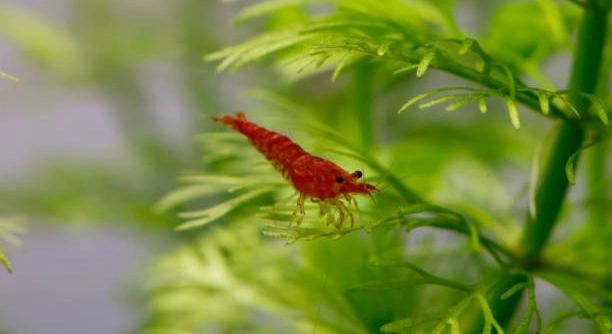
Are your baby cherry shrimp thriving in your aquarium but hard to keep track of? Monitoring their growth and health can feel overwhelming at first, especially when their tiny size makes observation challenging.
Monitoring baby cherry shrimp requires consistent observation of water parameters, feeding routines, and behavior. Regular checks on ammonia, nitrite, and nitrate levels, along with documenting molting and growth stages, are essential for ensuring optimal survival and development in their habitat.
Tracking their progress carefully will help maintain a healthy environment and support the growth of your shrimp population effectively.
Creating a Safe and Stable Environment
Baby cherry shrimp are very sensitive to sudden changes in their tank. Maintaining consistent water temperature, pH, and hardness is essential for their growth. Avoid using chemicals or introducing new plants and decorations without proper acclimation. Substrate type also matters, as shrimp like to graze on biofilm and algae. A densely planted tank with hiding spots will help reduce stress and provide natural food sources. Regular partial water changes keep toxins low and prevent spikes in ammonia or nitrite. Light should be gentle, as too much can encourage algae overgrowth and stress the shrimp. Filtration should be gentle; strong currents can harm tiny shrimp. Observation is key—watching their behavior daily allows you to spot issues early. Feeding should be small and frequent, avoiding overfeeding. Even minor changes in the environment can affect molting and survival rates, so careful attention ensures a thriving population in the tank.
Maintaining a stable environment minimizes stress and supports healthy growth. Proper care prevents unnecessary losses.
Creating a tank suitable for baby shrimp takes careful planning. Each component, from water parameters to substrate choice, influences survival and development. By controlling environmental variables and keeping the tank predictable, you provide a foundation for shrimp to thrive naturally. Frequent observation ensures any changes are addressed quickly, reducing risk and promoting overall health.
Observing Behavior and Molting Patterns
Watching shrimp behavior closely helps identify health issues early. Baby cherry shrimp display molting patterns that indicate growth and well-being.
Molting is critical for development, and observing it allows you to track growth. Healthy shrimp molt regularly and display active grazing behavior. Stress, poor water conditions, or inadequate nutrition can delay molting or cause incomplete molts. Keep a record of molting frequency and note any unusual behavior. Shrimp may hide after molting; this is normal and helps them recover. Feeding small amounts of food encourages regular activity and ensures nutrients are available for growth. Observing interactions with other shrimp is also helpful. Aggression or overcrowding can lead to stress, which negatively impacts molting and survival. By monitoring behavior and molting, you can adjust tank conditions proactively. This attention ensures baby cherry shrimp remain healthy, grow steadily, and contribute to a balanced tank ecosystem. Proper observation is the key to long-term success and maintaining a thriving shrimp population.
Feeding Small and Frequent Meals
Feeding baby cherry shrimp small amounts multiple times a day prevents uneaten food from fouling the water. Proper nutrition supports growth and molting, while overfeeding increases ammonia and nitrite levels.
Providing the right diet is essential for healthy shrimp development. Baby cherry shrimp thrive on a mix of biofilm, algae, and specialized shrimp food. Adding blanched vegetables like spinach or zucchini occasionally supplements their diet with necessary nutrients. Avoid large portions; they cannot consume all at once, and leftover food can decompose quickly, harming water quality. Observe how much they eat and adjust portions accordingly. Maintaining a steady feeding schedule ensures consistent energy for growth, encourages regular molting, and reduces stress. Balanced nutrition supports both immediate health and long-term survival, keeping your shrimp active and developing properly.
Watching how they respond to food is also important. Some shrimp may graze more actively, while others hide. Ensuring all shrimp have access and removing uneaten food prevents water contamination. Rotating food types improves overall nutrition and helps maintain a healthy, growing population. Consistency in feeding and attention to water quality are key for thriving baby cherry shrimp.
Monitoring Water Quality Regularly
Regular water testing prevents sudden spikes in ammonia, nitrite, or nitrate. Maintaining stable parameters protects baby cherry shrimp from stress and disease.
Testing water weekly and keeping detailed records helps track changes over time. Sudden shifts in temperature, pH, or hardness can negatively affect molting and growth. Using a reliable test kit ensures accuracy, while partial water changes help maintain balance. Monitoring clarity, odor, and algae growth provides additional insight into tank conditions. Avoid introducing untreated water or chemicals that can harm shrimp. Observation of shrimp behavior alongside water testing reveals early signs of stress. By combining these practices, you create a safer environment, reduce mortality, and support healthy development for all shrimp in the tank.
Separating Shrimp from Aggressive Tankmates
Keeping baby cherry shrimp away from larger or aggressive fish prevents stress and predation. Safe hiding spaces allow shrimp to feed and grow without interruption.
Using dense plants, moss, or small caves provides shelter. Shrimp can retreat after molting and avoid confrontations, supporting survival and consistent development.
Tracking Growth and Population
Recording the size and number of shrimp over time helps identify health trends. Observing molting frequency and juvenile survival gives insight into water quality, diet, and tank management. By keeping a simple log, you can detect issues early and adjust care to improve overall growth and survival rates.
Maintaining Clean Substrate
Regularly removing debris from the substrate prevents waste buildup. Clean substrate supports healthy biofilm and reduces ammonia spikes, promoting a thriving shrimp population.
FAQ
How often should I feed baby cherry shrimp?
Feeding small amounts two to three times a day is ideal. Baby shrimp have tiny stomachs, so frequent, controlled feedings prevent leftover food from fouling the water. Use specialized shrimp food or finely powdered flakes, and supplement occasionally with blanched vegetables. Watch how much they eat and remove uneaten portions.
What water parameters are best for baby cherry shrimp?
Maintain a temperature between 72-78°F, pH around 6.5-7.5, and moderate hardness. Ammonia and nitrite should be at zero, while nitrates should remain under 20 ppm. Consistent water parameters prevent stress, encourage molting, and support growth. Frequent testing is key to detecting shifts early.
How do I know if shrimp are molting properly?
Baby shrimp molt regularly as they grow. Healthy molts appear complete, and shrimp will hide briefly afterward. Delayed or incomplete molts may indicate poor water quality, stress, or insufficient nutrition. Providing calcium-rich foods and maintaining stable water conditions supports proper molting.
Can I keep baby shrimp with other fish?
Small, peaceful fish can coexist with baby shrimp, but avoid larger or aggressive species. Dense plants, moss, or hiding spots help protect shrimp from predation. If predation is observed, consider moving shrimp to a separate tank until they grow larger.
How do I prevent water quality issues?
Regular partial water changes and substrate cleaning help maintain water quality. Avoid overfeeding, monitor ammonia, nitrite, and nitrate levels, and use gentle filtration. Observing shrimp behavior and water clarity provides early warning signs of problems.
What should I feed if there’s no algae in the tank?
If natural biofilm or algae is limited, provide specialized shrimp food, blanched vegetables, and occasional protein supplements like finely crushed flakes. Ensure food is small enough for baby shrimp to consume easily without leaving excess that could degrade water quality.
Why are some shrimp hiding constantly?
Shrimp may hide after molting or when stressed. Stress can be caused by sudden water changes, aggressive tankmates, or overcrowding. Providing sufficient plants and hiding spaces reduces stress and encourages normal activity.
How can I tell if my shrimp population is healthy?
Healthy shrimp are active, feed regularly, molt properly, and display vibrant colors. High juvenile survival rates and consistent growth are good indicators. Monitor for any unusual lethargy, failed molts, or sudden deaths, which may indicate water quality issues or disease.
Is it necessary to quarantine new shrimp?
Quarantining new shrimp for a few weeks before adding them to the main tank reduces the risk of introducing disease or parasites. During quarantine, monitor behavior, feeding, and molting to ensure they are healthy.
How do I encourage shrimp to grow faster?
Provide stable water parameters, a balanced diet, and adequate hiding spaces. Avoid overfeeding or sudden changes in the tank. Observing their behavior and molting patterns allows adjustments to care, promoting consistent growth and reducing stress-related delays.
Can I use tap water for baby shrimp?
Tap water must be treated to remove chlorine and chloramine. Testing for pH, hardness, and contaminants is recommended before adding shrimp. Conditioned water ensures a safe environment and prevents molting issues or sudden deaths caused by toxic water.
How often should I check the tank for problems?
Daily observation of shrimp activity, feeding, and water clarity is important. Weekly testing of water parameters ensures stability. Consistent monitoring allows for early intervention, maintaining a healthy and thriving shrimp population.
Are decorations and plants important for baby shrimp?
Yes, they provide hiding spots, surfaces for biofilm growth, and reduce stress. Moss, fine-leaved plants, and caves allow shrimp to retreat after molting and forage naturally, supporting both survival and development.
What signs indicate a molting problem?
Shrimp that struggle to molt may show incomplete exoskeletons, remain inactive, or hide excessively. This can result from poor water quality, insufficient calcium, or stress. Adjusting water parameters and improving nutrition usually resolves the issue.
How do I prevent algae overgrowth while feeding shrimp?
Feed only what shrimp can consume in a few hours and remove excess food. Maintaining balanced lighting, water flow, and plant growth helps control algae naturally without harming baby shrimp.
Can baby shrimp survive without hiding spots?
They can survive but are more vulnerable to stress, failed molts, and predation. Providing hiding spaces improves molting success and increases survival rates, ensuring a healthier population overall.
How can I track population growth effectively?
Keep a simple log of shrimp numbers, molting frequency, and size. Observing changes over weeks highlights trends and allows adjustments in feeding, tank conditions, or tankmate management to support consistent development.
What temperature fluctuations are acceptable?
Sudden or extreme temperature changes stress shrimp and can be fatal. Minor fluctuations within 2-3°F are generally safe, but stable conditions are preferable. Use a reliable heater and thermometer to maintain consistent temperatures, especially in young shrimp tanks.
Do baby shrimp need special lighting?
Lighting should be gentle to encourage algae growth but avoid strong, direct light that promotes excess algae or stresses shrimp. A regular light schedule supports natural behavior and growth patterns.
How can I prevent stress during tank maintenance?
Perform water changes gently, avoid disturbing substrate, and limit handling. Introduce new plants or decorations gradually. Reducing stress during maintenance supports healthy feeding, molting, and overall shrimp activity.
This FAQ covers common concerns and practical steps for keeping baby cherry shrimp healthy, ensuring survival, and supporting steady growth in a home aquarium environment.
Monitoring and caring for baby cherry shrimp requires patience and consistency. These tiny creatures are sensitive to even small changes in their environment, so attention to detail is essential. Keeping water parameters stable, providing appropriate nutrition, and maintaining a clean tank are the foundation of healthy shrimp growth. Observing their behavior daily allows you to spot any problems early, whether it’s a molting issue, signs of stress, or water quality concerns. Even small adjustments, such as removing uneaten food or adding more hiding spots, can make a significant difference in their survival and development. By maintaining a predictable and gentle environment, you reduce stress on the shrimp and encourage steady growth, which is particularly important for baby shrimp during their early, vulnerable stages. Over time, consistent care creates a thriving population that remains active, healthy, and vibrant, contributing to a balanced and stable tank ecosystem.
Feeding plays a central role in their development. Baby cherry shrimp have very small stomachs and need frequent, controlled feedings to ensure they get the nutrients required for growth. A varied diet, including specialized shrimp food, algae, biofilm, and occasional blanched vegetables, helps support healthy molting and coloration. It is important to avoid overfeeding, as leftover food can deteriorate water quality and lead to stress or illness. Watching how the shrimp interact with the food provides insight into their health and activity levels. By feeding thoughtfully and monitoring their consumption, you create an environment where baby shrimp can thrive naturally. Small changes in diet or feeding routines can have a noticeable effect on growth rates and overall vitality, making observation and attention to detail crucial parts of shrimp care.
Providing safe spaces and monitoring interactions within the tank further supports healthy development. Baby cherry shrimp need hiding spots to protect themselves during molting or when stressed. Dense plants, moss, or small decorations offer security and encourage natural grazing behavior. Careful attention to tankmates is also essential, as aggressive or larger fish can harm young shrimp. Regular water testing, substrate maintenance, and observation of shrimp behavior help maintain a stable environment and prevent issues before they become serious. Tracking growth, molting patterns, and population trends allows for adjustments in feeding, water quality, or tank setup as needed. By combining careful observation, consistent care, and a supportive environment, baby cherry shrimp can develop steadily, remain healthy, and reach maturity, creating a balanced and vibrant aquarium over time.

Hello,
If you enjoy the content that we create, please consider saying a "Thank You!" by leaving a tip.
Every little bit helps us continue crafting quality advice that supports the health, happiness, and well-being of pets around the world, for pets of all shapes, sizes, and species.
We really appreciate the kindness and support that you show us!